Asakusa’s temples and gates are more than photogenic stops: they offer a way to follow Japan’s story from medieval faith to modern connections with the wider world. This 3.5-hour walk links Sensoji, Asakusa Shrine, and the Sumida River, with a guide explaining the history behind what you see.
I like two things in particular: the small group, capped at eight, leaves room to ask questions, and the route ties familiar sights to bigger ideas, from Buddhist and Shinto practice to Japan’s period of isolation. Traditional sweets are included, too.
The main consideration is price: at US$101.55 or more, this costs far more than exploring the temple grounds on your own. You’re paying for the guide’s explanations, the planned route, and the small-group format, not transport or a long list of paid admissions.
- The Asakusa walk at a glance
- Start with the Sumida River and Japan’s reopening
- Get your bearings at the Culture Tourist Information Center
- Read the symbols at Kaminarimon and Nakamise-dori
- Look up at Hozomon, then spend time at Sensoji
- See why Buddhism and Shinto share the neighborhood
- Visit Yogo-do Pavilion and the goshuin desk
- End on the quieter side of Asakusa
- What the small group and price mean
- Practical details before you book
- Should you book this Asakusa walk?
- FAQ
- How long is the Asakusa history walk?
- Where does the tour meet?
- Where does the walk end?
- How many people can join?
- Is the tour conducted in English?
- Are snacks included?
- Does the tour include transport?
- Is the walk wheelchair-accessible?
- Can I cancel for a refund?
- The Best Of Tokyo!
- More Walking Tours in Tokyo
- More Tours in Tokyo
- More Tour Reviews in Tokyo
- Not for you? Here's more nearby things to do in Tokyo we have reviewed
The Asakusa walk at a glance
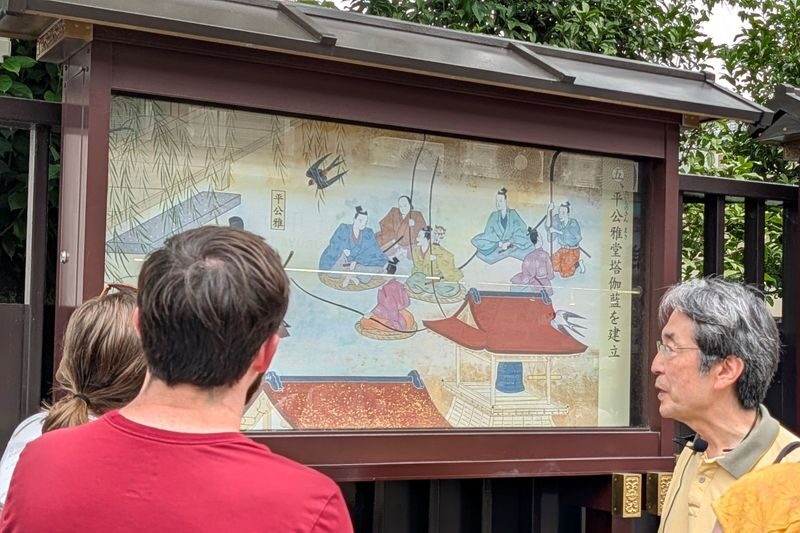
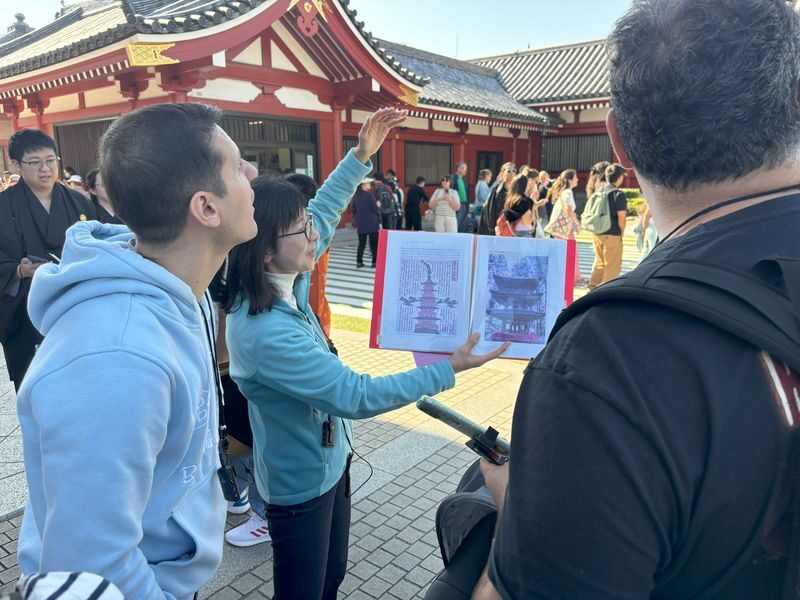
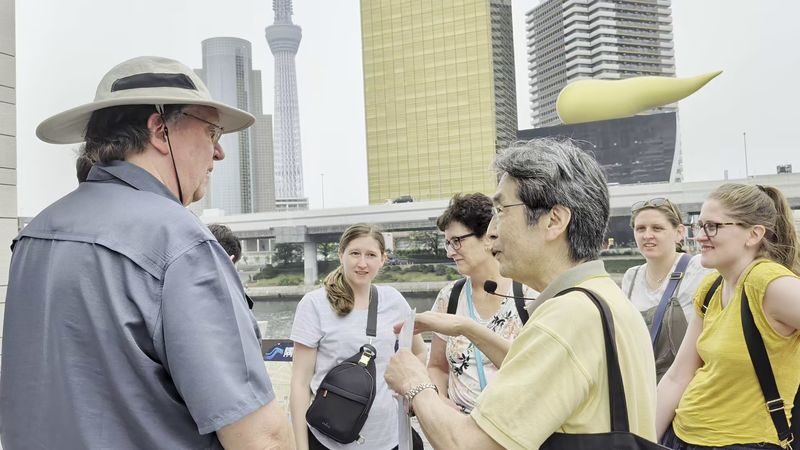
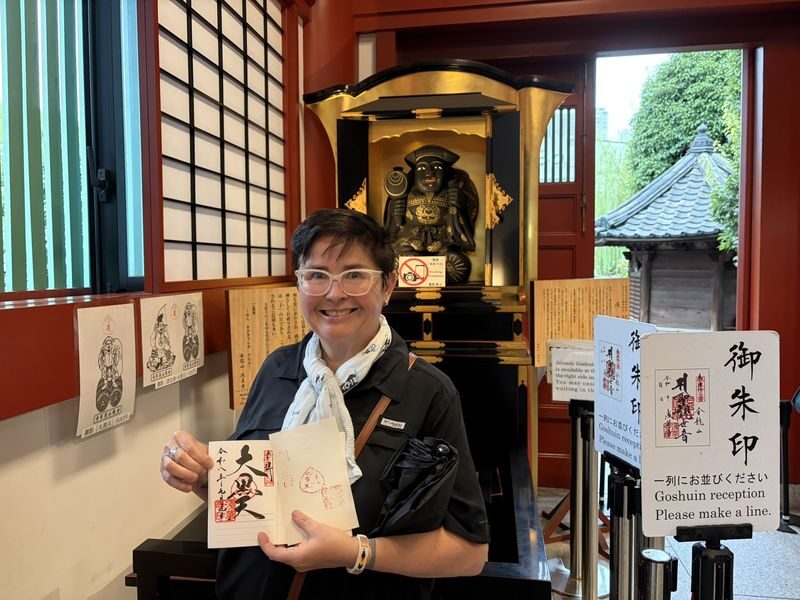
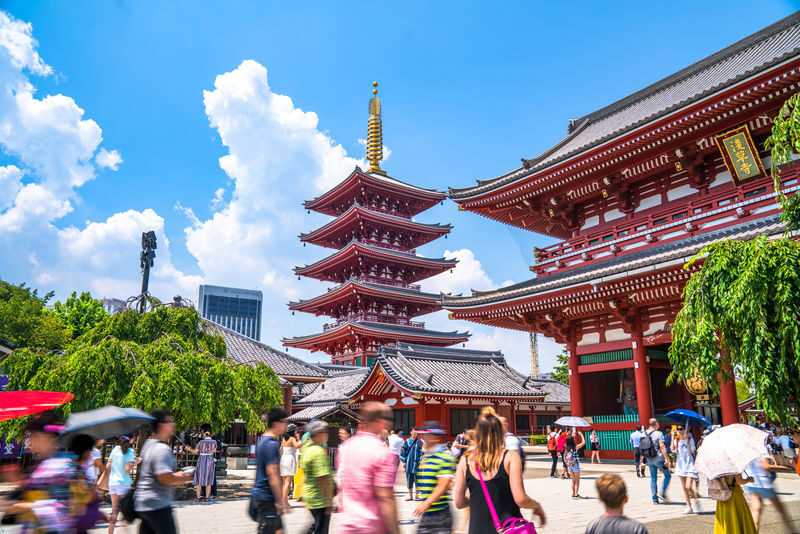
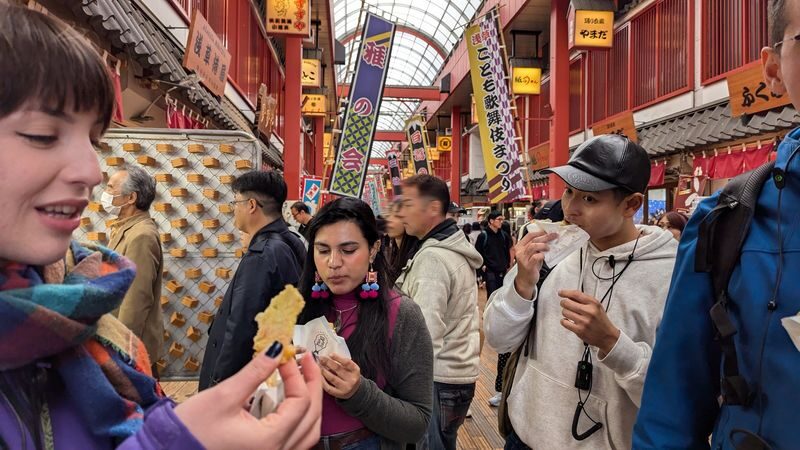
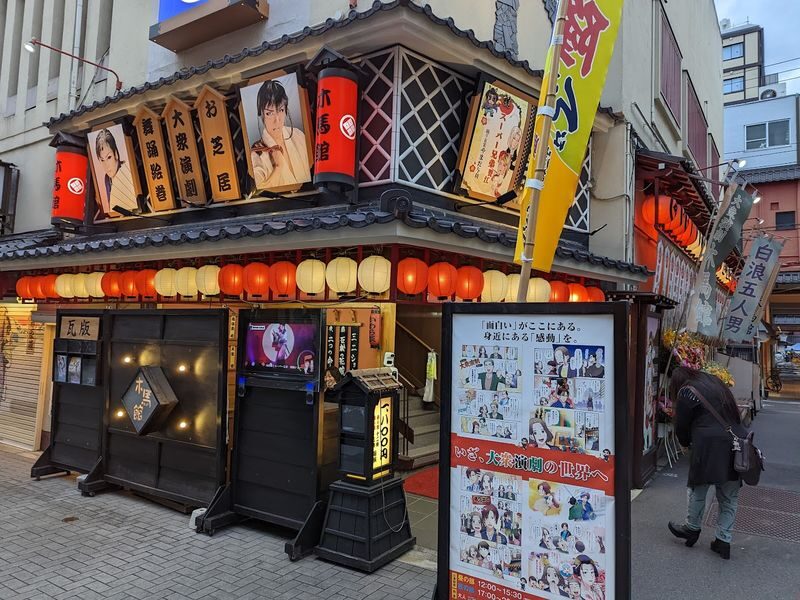
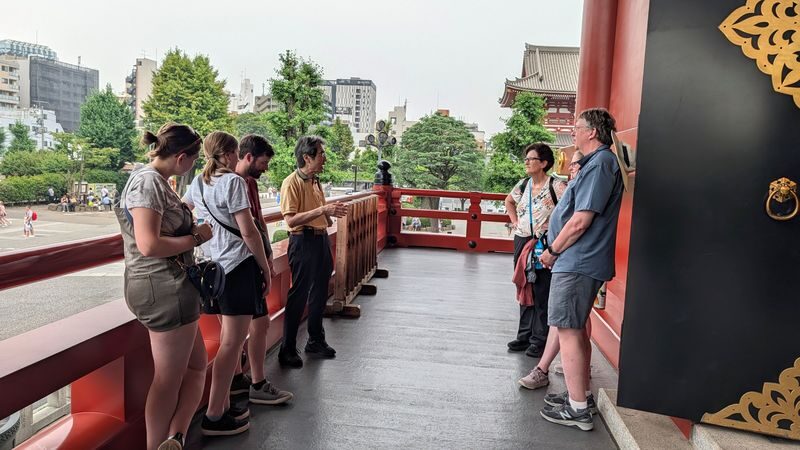
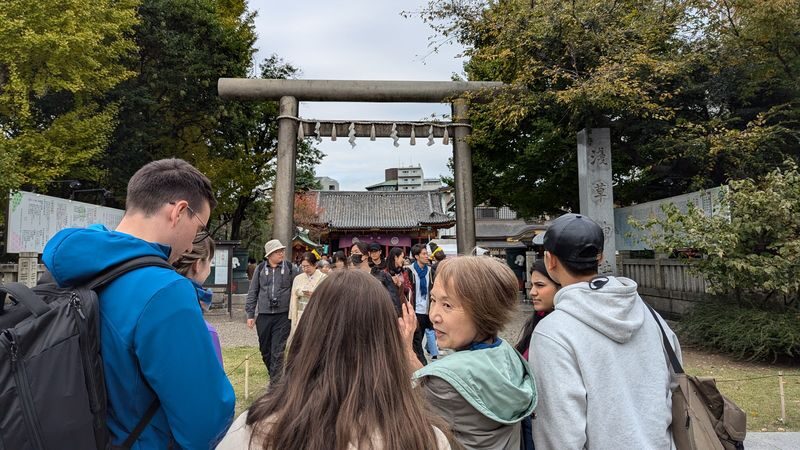
- A 1,400-year story in one district: The walk uses Asakusa’s landmarks to explain how Japanese beliefs, society, and international ties changed over time.
- A small group, up to eight people: A headset is used when the group has more than two participants, so you can hear the guide without crowding close.
- Both temple and shrine: Sensoji and Asakusa Shrine sit close together, giving your guide a natural way to explain Buddhism and Shinto.
- Traditional sweets are included: Expect a taste of local Japanese snacks during the afternoon, with past guides also introducing matcha and other treats.
- A quieter finish: The route ends on Asakusa Nishi-sando, a calmer shopping street than Nakamise-dori.
- Four hours on foot: The tour runs from 1:30 to 5:00 p.m. and ends near Asakusa Station. Transport to and from the meeting point is not included.

👉 See our pick of the 25 Best Guided Tours In Tokyo
Start with the Sumida River and Japan’s reopening
The meeting point is in front of the Burger King beside Exit 4 of Asakusa Station on the Ginza Line. It’s a practical landmark, if not a grand one. Arrive ten minutes early: late arrivals and no-shows are not refundable.
The first stop is the Sumida River, where the guide introduces Japan’s long period of restricted contact with other countries. You’ll hear why the Edo shogunate limited foreign trade, why the Netherlands was allowed to remain a trading partner, and how Admiral Perry’s arrival helped force Japan to reopen in the 19th century.
This opening gives the rest of the walk a useful frame. Instead of seeing temples and old streets as isolated pieces of the past, you can consider how Japan’s beliefs and customs developed alongside changing links to the world. The tour also raises the influence of Japanese art abroad, including the effect of ukiyo-e prints on French Impressionist painters. That connection makes the history feel less remote: Japanese art traveled far beyond Japan, even during an era of restricted trade.
You can also read our reviews of more walking tours in Tokyo


Get your bearings at the Culture Tourist Information Center
At the Asakusa Culture Tourist Information Center, the guide spends about 30 minutes laying out the basics of Buddhism and Shinto. That groundwork matters. If you’ve ever looked at a Japanese temple and shrine and wondered what separates them, this is where you start to get a clear answer.
The walk is designed to explain how the two faiths fit into Japanese life, rather than treat each site as a photo stop. You’ll return to those ideas at Sensoji Temple and Asakusa Shrine, where the close distance between the two makes their long coexistence easier to understand.
This part should suit you if you like context before details. It may feel slower if you’re mainly after quick photos, but the explanations make the later stops more rewarding.
Read the symbols at Kaminarimon and Nakamise-dori
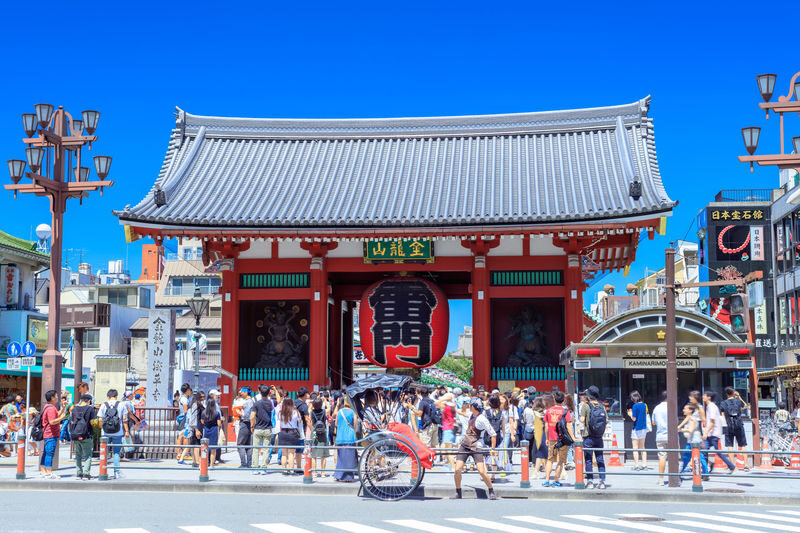
Kaminarimon, Asakusa’s famous Thunder Gate, is one of the district’s signature sights. Here, the guide compares Japanese and Western dragons, including the surprising contrast in the roles they play in each culture. It’s a small detail, but it shows the tour’s approach: take an image you may already recognize, then use it to explain a different set of beliefs.
From the gate, the route follows Nakamise-dori, one of Japan’s oldest shopping streets. The stalls sell souvenirs and snacks, but the guide also points out Buddhist symbols such as the vajra, known in Japanese as tokko, and explains the reach of ukiyo-e woodblock prints.
Nakamise can be busy, and the shops compete for your attention. A guide helps you look beyond the merchandise and notice the symbols and artistic traditions woven into the street. Still, you should expect a popular shopping lane, not a quiet museum corridor.
Look up at Hozomon, then spend time at Sensoji
At Hozomon, the guide draws a comparison between medieval Japanese and European ways of thinking. The idea that people across those distant societies could share similar outlooks a thousand years ago offers a fresh angle on history. It also keeps the walk from becoming a simple list of dates and buildings.
Sensoji, Tokyo’s oldest Buddhist temple, gets the longest major stop, about 45 minutes. The guide explains how prayer works in Buddhism and how it differs from Shinto practice. You’ll also have time to take in the temple grounds and, depending on your interests, consider the customs around them.
A visit to Sensoji on your own is easy enough, but interpreting what you see is another matter. A guide can explain why the site matters and connect its features to the larger history introduced earlier. Past guides have also helped people draw an omikuji, a fortune written on a small slip of paper. It’s a simple activity, but it gives you a chance to take part in a temple custom rather than only observe it.
The grounds are a popular stop, so don’t expect solitude. The value here is having someone explain the place while you take it in, not escaping the crowds.
See why Buddhism and Shinto share the neighborhood
Asakusa Shrine sits close to Sensoji, creating one of the walk’s clearest lessons in religious coexistence. The guide explains how Buddhism and Shinto have lived side by side in Japan for centuries. Seeing a temple and shrine in the same complex makes that relationship tangible.
This is useful context even if you don’t have a religious background. The guide’s explanations help you understand why the two traditions are not simply interchangeable, and why both remain part of the district’s spiritual life. If you’re curious about local customs, this is a good place to ask questions.
You can also read our reviews of more historical tours in Tokyo



Visit Yogo-do Pavilion and the goshuin desk
The 45-minute visit to Yogo-do Pavilion gives the tour room to slow down again. It is the only place at Sensoji where you can receive a goshuin, a sacred temple seal written by a monk or temple staff member in calligraphy.
A goshuin can be a meaningful memento for someone interested in Japanese temple practice. It is not just a souvenir stamp, so approach it with respect and follow the guide’s advice about how to receive one. The tour information does not say that a goshuin is included in the price, so plan for it as an optional personal expense.
The time here also gives you space to absorb the temple complex without rushing from one landmark to the next. If you prefer a brisk walk with many different neighborhoods, this extended stop may feel long. If you enjoy cultural details, it’s one of the more distinctive parts of the route.
End on the quieter side of Asakusa
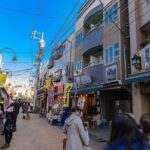
The last stop is Asakusa Nishi-sando Shopping Street, a smaller, more nostalgic lane that offers a change of pace from Nakamise-dori. The tour ends here around 5:00 p.m., near the Tokyo Metro Ginza Line Asakusa Station.
That finish is practical. You can continue exploring or catch the subway without having to retrace the whole route. It also leaves you with a useful contrast: the famous shopping street and a quieter local-feeling alternative nearby.
The walk includes traditional sweets, and guides have also shared local food tips. Past tours have included matcha, and one guide even taught the group to fold an origami samurai helmet. Those details are not guaranteed on every departure, but they give a sense of how the guide can add small, personal touches to the history.
What the small group and price mean
The group is limited to eight, which is a real advantage on a route with busy gates and narrow shopping lanes. You can ask questions without needing to shout across a large crowd. When there are more than two people, headsets help you hear the guide clearly.
At US$101.55 or more, this is a premium walking tour. The price includes an English-speaking professional guide, snacks, admission to attractions, and insurance provided by the operator. It does not include transport, other personal expenses, or tips.
The best value comes if you want the explanations, not just access to the sights. Sensoji and the nearby streets are available to explore without a tour, so someone who prefers independent wandering may not find the fee worthwhile. But if you’re short on time and want a clear account of the district’s history and customs, a guided afternoon can make the cost easier to justify.
The guide is central to the experience. Past guides have included Yasu, Yoko, Jun Chan, Taka, Sachiko, Sachi, Sue, and Yuki. Names are not guaranteed for your departure, but the tour is offered in English, and the small group should make conversation easier. The consistently strong praise for guides’ explanations, friendliness, and local recommendations points to the human side of the value: a good guide turns a walk through familiar sights into a connected story.
Practical details before you book
The tour runs from 1:30 to 5:00 p.m. and covers the Asakusa area on foot. It is listed as stroller-friendly and wheelchair-accessible, with no age limit. Weather or traffic conditions may change the schedule, so keep some flexibility in your plans.
Your mobile voucher is valid only for the date and time you booked. The stated cancellation terms allow a full refund if you cancel at least 24 hours before the activity, using Tokyo local time. Bring money for personal purchases, such as snacks beyond those included or a possible goshuin.
Should you book this Asakusa walk?
Book it if you want more than a quick look at Sensoji. The strongest reasons are the small group, the clear focus on Buddhism and Shinto, and the way the guide connects Asakusa to Japan’s changing relationship with the world. The included sweets and the quieter final street add a pleasant local touch.
Skip it if you’re happy to explore the temple district independently or if the price feels high for a walking tour. The sights themselves are accessible without a guide, and the tour does not include transport. But if this is your first visit to Asakusa, or you have limited time in Tokyo and want the history explained as you go, it offers a thoughtful, well-paced introduction.
Asakusa: 3.5-hour Big-picture History Walk
“Yasu was a friendly and informative guide. We really enjoyed his company and he made the experience very pleasant. We learned a lot about the early…”
FAQ
How long is the Asakusa history walk?
It runs for three and a half hours, from 1:30 to 5:00 p.m.
Where does the tour meet?
Meet in front of the Burger King beside Exit 4 of Asakusa Station on the Ginza Line, at 2 Chome-20-6 Kaminarimon, Taito City. Arrive ten minutes early.
Where does the walk end?
It ends at Asakusa Nishi-sando Shopping Street, near the Tokyo Metro Ginza Line Asakusa Station.
How many people can join?
The small group is limited to eight people. A headset is used when the group has more than two participants.
Is the tour conducted in English?
Yes. An English-speaking guide and English-speaking staff are included.
Are snacks included?
Yes. Traditional Japanese sweets or snacks are included.
Does the tour include transport?
No. Transport and other personal expenses are not included.
Is the walk wheelchair-accessible?
The activity is listed as wheelchair-accessible and stroller-friendly.
Can I cancel for a refund?
You can receive a full refund if you cancel at least 24 hours before the activity date, using Tokyo local time.