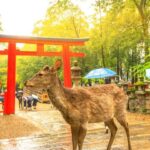
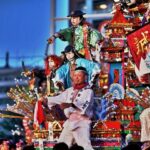
Tokyo’s food markets and temples make a lively opening; Hokkaido’s flower farms, blue ponds and volcanic lakes bring a quieter finish. I like this tour’s sharp change of scenery and the practical mix of guided visits with a free day in Tokyo. You get a wide view of Japan without needing to plan every connection yourself.
I also like that the group is capped at 10 and that the trip includes hotels, breakfast, internal transport and an English-speaking guide. Past guides David and Yenwei, along with drivers Lina and Mr Lee, have been praised for friendly help and smooth coordination. One consideration: the itinerary covers a lot of ground, and the long Hokkaido day trips may feel tiring, especially if you hoped for slow mornings.
- What to know before you book
- Tokyo’s first days: markets, shrines and room to wander
- Hakone’s lake crossing and Owakudani’s volcanic air
- Five Lakes villages, springs and a cave beneath Fuji
- Sapporo and Otaru: shrine grounds, sweets and a canal
- Furano and Biei: flowers with a seasonal clock
- Asahiyama Zoo and the Blue Pond
- Cape Chikyu, Lake Toya and Lake Shikotsu
- What the ,480 starting price covers
- Who will get the most from this route?
- Should you book the Tokyo and Hokkaido tour?
- FAQ
- Where does the tour start and end?
- How long is the tour?
- What is the group size?
- Are international flights included?
- What meals are included?
- Which hotels are included?
- Is the tour available year-round?
- The Best Of Narita!
- More Tours in Narita
- More Tour Reviews in Narita
- Not for you? Here's more nearby things to do in Narita we have reviewed
What to know before you book
- Tokyo begins with seafood and city views: Tsukiji, Odaiba and Shibuya make for a busy first full day.
- Hakone adds a volcanic side trip: Ride the pirate ship on Lake Ashi and take the ropeway to steaming Owakudani.
- Fuji views depend on the weather: The Five Lakes stops offer several chances to see the mountain, but clouds can hide it.
- Hokkaido means flowers, wildlife and open country: Farm Tomita, Shikisai-no-oka, Asahiyama Zoo and Blue Pond bring a different pace from Tokyo.
- The group is small, but the route is ambitious: Expect a 12-day tour with several full days of sightseeing and substantial transfers.
- The starting price is $6,480: International flights are not included, so compare the package price with the cost of arranging hotels, internal transport and guiding yourself.

👉 See our pick of the 15 Best Tours In Narita
Tokyo’s first days: markets, shrines and room to wander
The tour starts with a private transfer from Narita or Haneda Airport to the Mitsui Garden Hotel Shiodome Italia-gai. That is a welcome bit of help after a long flight, when working out trains and luggage can feel like an extra test. The first day has no planned sightseeing, giving you time to rest or look around near the hotel.
On day two, Tsukiji Fish Market is the appetizing start. It is a working market area where seafood shares space with fruit, vegetables and other food stalls. Go hungry and treat the visit as a chance to sample rather than simply take photos. Odaiba Seaside Park shifts the mood to open views of Tokyo Bay, the Rainbow Bridge and a replica Statue of Liberty. Later, Shibuya Sky gives you a broad view over the city, while the Hachiko statue offers a small, familiar landmark amid the crowds around Shibuya Station.
Day three balances city scale with quieter corners. Meiji Jingu sits in a large wooded area near Harajuku, a calm contrast to the streets outside. The Imperial East Gardens are open to the public year-round, though access to the palace’s inner grounds is limited. Senso-ji in Asakusa closes the day with a lively temple precinct and a history stretching back nearly 1,400 years.
The guided walking day uses local transport such as the metro or bus. That matters: you see how Tokyo moves, rather than spending every transfer behind a car window. Wear comfortable shoes, since the itinerary links several sizeable sites and the temple area can be busy.
Day four is free. I consider this a real asset, not a gap to be filled at all costs. Use it to revisit a neighborhood, shop, rest or choose a museum or meal that suits your interests. The tour does not prescribe an activity, so any entry fees or transport for your own plans are your responsibility.
You can also read our reviews of more tours and experiences in Narita.


Hakone’s lake crossing and Owakudani’s volcanic air
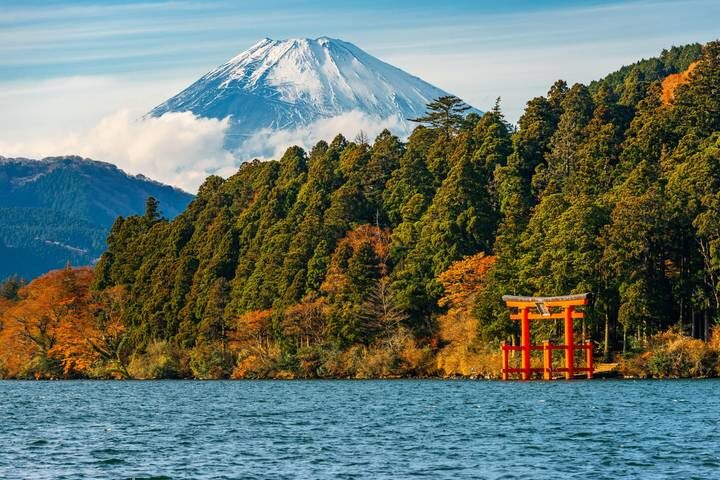
Day five shifts from Tokyo to Hakone, with a night at Laforet Club Hakone Gora Yunosumika. The route includes a cruise on Lake Ashi aboard the Hakone Pirate Ship, followed by the ropeway to Owakudani. On a clear day, the lake can frame Mount Fuji; the mountain is never guaranteed, so enjoy the boat ride and scenery for their own sake too.
Owakudani is a volcanic area formed by an eruption about 4,000 years ago. White steam and the smell of sulfur are part of the setting, a reminder that Japan’s dramatic scenery is not just decorative. A shop sells black jade associated with a local longevity story. Treat that as folklore and a possible souvenir, not a health claim.
The day gives you a change of pace and a memorable look at the region’s geology. It also depends on weather and operating conditions for the ropeway and boat. The supplied details do not spell out contingency plans, so if these are must-do sights for you, ask UME Travel how the day is handled if conditions change.
Five Lakes villages, springs and a cave beneath Fuji
On day six, the tour visits West Lake Village, known for its thick-thatched cottages, then Oishi Park on Lake Kawaguchiko. The park’s flowers change with the seasons, and the lake offers a possible reflection of Mount Fuji. This is one of the route’s best combinations of rural character and iconic scenery, though the mountain may be obscured by cloud.
Oshino Hakkai adds a more local-feeling stop: eight springs fed by water filtered through volcanic layers. The tour then enters Narusawa Hyoketsu Ice Cave, formed by lava around 1,150 years ago. The cave has two tunnels and is open to visitors year-round. Expect a cooler, enclosed visit rather than another viewpoint.
The day ends at Arakurayama Sengen Park, with views over Fujiyoshida and Mount Fuji. Its pagoda and cherry blossoms are especially associated with spring, so a summer visit will look different. The tour returns to the Tokyo hotel, then flies north the following day. That means day six is a full excursion followed by a change of base, not a relaxed night near Fuji.
Sapporo and Otaru: shrine grounds, sweets and a canal
Day seven includes a private vehicle to the airport and a flight to Sapporo. You check in at HOTEL MYSTAYS Premier Sapporo Park, which is also your base on several nights. The package includes internal flights and transport, easing the work of moving between Honshu and Hokkaido. International airfare is not included.
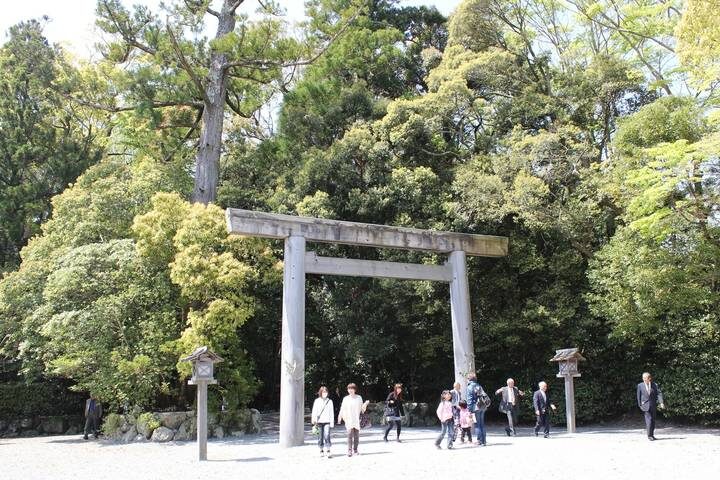
The next day combines Hokkaido Shrine, Shiroi Koibito Park and Otaru Canal. The shrine offers wooded grounds and is known as a cherry blossom viewing spot in northern Japan, though blossoms are a seasonal attraction, not a summer guarantee. Shiroi Koibito Park centers on the Hokkaido biscuit of the same name, with exhibits and a production-line tour. It is a themed stop, so it will appeal more to families and sweet-toothed visitors than to anyone seeking only historic sites.
Otaru Canal’s old warehouses recall the port city’s role in Hokkaido’s development. Cape Kamui is also included in the day’s plan, with a coastal walk along the Char enka no Komichi promenade and broad sea views. The route description says to visit if time allows, while the activity list includes it as a stop. That is worth clarifying before booking: the day already combines several places, and Cape Kamui is not simply a quick detour.
Furano and Biei: flowers with a seasonal clock
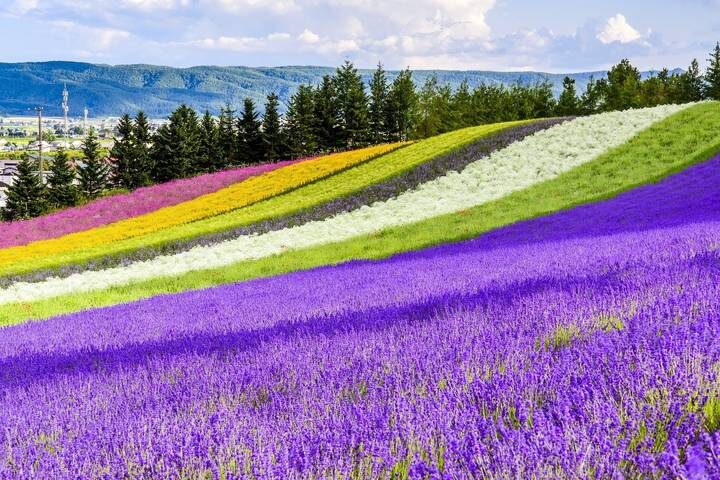
Day nine moves through the agricultural countryside of Biei and Furano, with an overnight at Furano Natulux Hotel. Patchwork Road is best understood from a car or bicycle, where the rolling fields and distinctive trees unfold between stops. Hokusei-no-oka Observatory Park offers views toward the Taisetsu mountain range, while Shikisai-no-oka spreads more than 30 types of flowers across 15 hectares.
Farm Tomita is the headline lavender stop, but it grows around 100 flower species. The timing matters: the exact mix and color depend on the season, so do not expect every flower shown in a summer photograph to be in bloom on your dates. Ningle Terrace finishes the day with 17 wooden craft shops in a forest setting. It is described as especially appealing after dark, though the timing of the visit may depend on the day’s schedule.
This is one of the tour’s most scenic days, and also one of its most seasonal. If flowers are your main reason for booking, ask UME Travel what is typically blooming during your departure month. The tour runs year-round, but a year-round schedule cannot promise a summer-style flower display in every season.


Asahiyama Zoo and the Blue Pond
Day ten links Asahiyama Zoo with Shirogane Blue Pond and Shirahige Falls. At the zoo, the route highlights polar bears, wolves, big cats and apes, plus a glass tunnel for watching penguins underwater. The tunnel gives the visit a distinct focus, especially for families, while the wider collection makes this a substantial stop rather than a quick photo break.
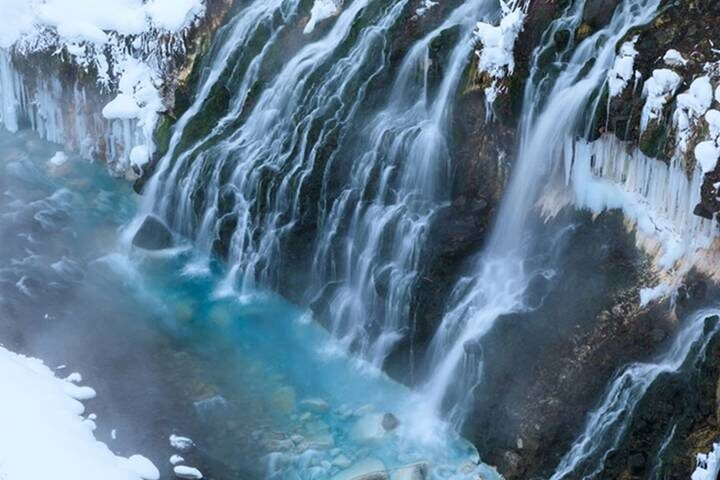
The Blue Pond is known for its unusual blue color, and nearby Shirahige Falls adds another water feature to the day. The pond’s appearance can vary with conditions, so take it as a natural sight rather than a guaranteed matching shade of blue. The schedule returns to Sapporo for the night after the Furano stay, making this another day with plenty of time on the road.
Cape Chikyu, Lake Toya and Lake Shikotsu
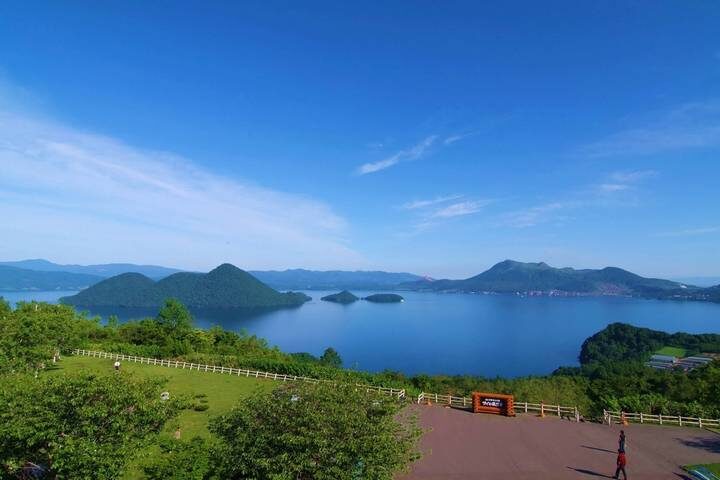
Day eleven covers a wide area, beginning with Cape Chikyu and continuing to Mt. Showa Shinzan, Lake Toya and Lake Shikotsu. Cape Chikyu is a coastal viewpoint; Mt. Showa Shinzan is a relatively new volcanic mountain formed during an eruption of Mt. Usu. Its reddish volcanic body and signs of activity give this stop a different character from the flower gardens.
At Sairo Observation Deck, you can look across Lake Toya toward Nakajima. The lake is noted for remaining ice-free in winter, and the viewpoint also has a shop selling Hokkaido sweets. Lake Shikotsu, in its national park, is the final nature stop, with clear water and mountain surroundings.
This is a big day on the map, with several distinct stops and a lot to take in. I would not choose it if your ideal holiday means long stretches at one lakeside hotel. Its appeal is variety: coast, volcano, crater lake and another clear-water lake in one outing. The itinerary does not give drive times, so ask how much time is planned at each stop if you want to balance photo stops with walking.
What the $6,480 starting price covers
The starting price is $6,480, based on the cheapest room option. It includes selected hotels with breakfast, internal flights, trains and cruises listed for the tour, private air-conditioned vehicle transport, an English-speaking guide, and basic insurance during the arranged tour services. Accommodation is based on two people sharing; a single supplement applies if you want a room to yourself. Vegetarian, vegan and halal meals can be requested.
That is a substantial package, but the value is in how much coordination it removes. You cover Tokyo, Hakone, the Fuji Five Lakes, Sapporo, Otaru, Furano, Biei and the Lake Toya area in 12 days. Arranging the hotels, internal flights, drivers and guided visits independently would take time, and some of the rural stops are easier to connect by vehicle than by public transport.
Do check what is included for admission tickets and optional activities before you pay. The tour information refers to tickets in its overview, but the detailed inclusions do not itemize every entrance fee. International flights are excluded, and meals beyond those specified in the itinerary are not promised. The deposit is $75, with the balance due 60 days before departure; interest-free payments every two weeks are available.
Who will get the most from this route?
This tour suits you if you want a broad first look at Japan, prefer a guide and organized transport, and enjoy moving between major sights. The group size of 2 to 10 keeps it smaller than a coach tour, while still giving you company. It is listed as low intensity and open to all ages, but the sightseeing days involve walking, getting on and off transport, and several long regional outings.
It is less suited to a traveler who wants to linger in each place, choose every meal and activity, or spend much of the trip in one region. Tokyo has one free day; most other days have a planned route. The strong point is the contrast between city life and Hokkaido’s open countryside, while the trade-off is limited time to explore each stop independently.
The operator has a 4.8 out of 5 rating across 224 reviews and responds to inquiries within about four hours, with a 100 percent response rate listed. Specific guides and drivers named on past trips include David, Yenwei, Lina and Mr Lee. Their reported strengths were friendly support, good driving and clear coordination. Your assigned team may differ, so treat those names as examples rather than a guarantee.
Should you book the Tokyo and Hokkaido tour?
Book it if you value a well-organized route that links Tokyo’s food and history with Hakone’s volcanic sights, Fuji viewpoints and Hokkaido’s flower country. The combination is the tour’s real prize, and included internal transport makes the long northbound journey easier to manage.
Think twice if your priority is a slow holiday, guaranteed Fuji views, or a trip devoted to one region. Before booking, confirm the Cape Kamui schedule, which entry tickets are covered, and what flowers are usually in season during your dates. Those answers will help you decide whether this busy, varied route is the right fit.
12 Days Summer Tokyo and Hokkaido Tour by UME Travel
“This 12 Days Summer Tokyo and Hokkaido tour was truly an experience in what could be called a well planned itinerary. Tokyo was intense, as always,…”
FAQ
Where does the tour start and end?
It starts in Narita and ends in Chitose, near Sapporo. The first transfer can be arranged from Narita or Haneda Airport.
How long is the tour?
The tour lasts 12 days, with the first day in Tokyo and the final day for departure from Sapporo.
What is the group size?
The listed group size is 2 to 10 people. The tour is fully guided in English.
Are international flights included?
No. International flights are not included. The package includes the internal flights, trains and cruises specified for the tour.
What meals are included?
Breakfast is included at the hotels. Vegetarian, vegan and halal food options can be requested.
Which hotels are included?
The listed hotels are Mitsui Garden Hotel Shiodome Italia-gai in Tokyo, Laforet Club Hakone Gora Yunosumika in Hakone, HOTEL MYSTAYS Premier Sapporo Park in Sapporo, and Furano Natulux Hotel in Furano.
Is the tour available year-round?
Yes. Departures are listed year-round, though seasonal sights such as flowers and cherry blossoms will vary by travel date.