Japan’s great contrast is the point here: one day you’re looking across Tokyo from a 350-meter observation deck, and a few days later you’re sleeping on tatami in a Buddhist monastery on Mount Koya. This 15-day route links big-name sights with quieter corners, from the Fuji lakes to the old post town of Tsumago.
I like the range of experiences: Tokyo’s temples and train rides, a ryokan hot spring stay, Hiroshima’s Peace Memorial, and a monk-led meditation session all fit into one trip. I also like that the coach and guide take care of a complex route across Honshu and Shikoku, including ferries and mountain roads.
The trade-off is pace. There are frequent early starts and long transfers, and the group can reach 72 people. English service is offered, but the tour may combine English- and Spanish-speaking groups, so confirm how guiding will work on your departure.
- What makes this Japan route worth considering
- Tokyo: temples, towers and a Shinjuku evening
- Mount Fuji and Kyoto: lake air, hot springs and temples
- Nara, Osaka and castle country
- Shikoku, Naruto and a monastery night
- Tsumago, the Japanese Alps and Nikko
- The value, hotels and group experience
- Who should book this tour?
- FAQ
- Are flights included in the tour price?
- How long is the tour, and where does it start and finish?
- What is included in the price?
- Is the tour conducted in English?
- How large can the group be?
- Is Mount Fuji’s Fifth Station guaranteed?
- Is the Mount Koya monastery stay guaranteed?
- How physically demanding is the tour?
- The Best Of Tokyo!
- More Tours in Tokyo
- More Tour Reviews in Tokyo
- Not for you? Here's more nearby things to do in Tokyo we have reviewed
What makes this Japan route worth considering
 1 / 8
 2 / 8
 3 / 8
 4 / 8
 5 / 8
 6 / 8
 7 / 8
 8 / 8
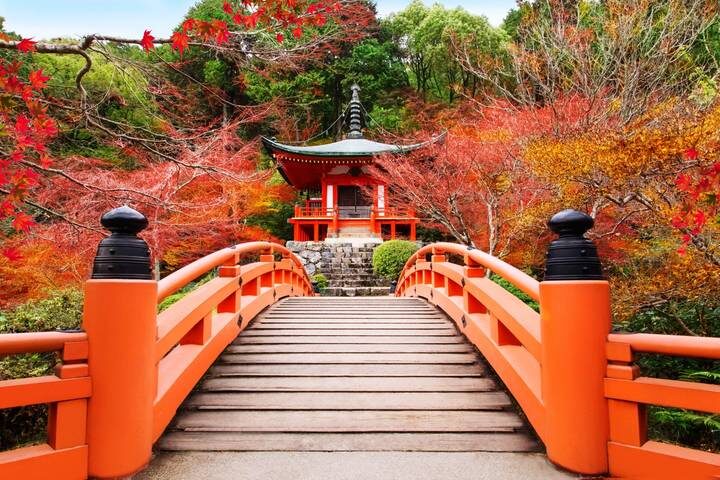
- Fuji views with a practical weather caveat: Arakurayama Sengen Park, Lake Kawaguchiko and Mount Fuji’s Fifth Station are planned stops, but snow or poor weather can limit access to the mountain road.
- A night in a Buddhist temple: Mount Koya includes a monastery stay, vegetarian dinner, traditional breakfast and Ajikan meditation when available. Rooms are simple, with shared bathrooms.
- Hiroshima and Itsukushima in one day: The Peace Memorial Park and museum are paired with a ferry to the island shrine, making for a memorable but full day.
- More than the usual Golden Route: The tour continues through Shikoku, the Japanese Alps, Kusatsu and Nikko, rather than staying only around Tokyo, Kyoto and Osaka.
- Hotel comfort, not luxury: Most nights are in three- or four-star hotels with private bathrooms, plus two traditional inn stays.
- Guides and logistics are a real strength, with a caveat: Guide and transport scores are high, but some departures use bilingual guiding and groups may change during the trip.

👉 See our pick of the 25 Best Guided Tours In Tokyo
Tokyo: temples, towers and a Shinjuku evening
Your first day is intentionally light. A shared shuttle takes you from the airport to the hotel, then the rest of the day is yours. Flights are not included, so plan your arrival time and allow for customs and the transfer before counting on doing much sightseeing.
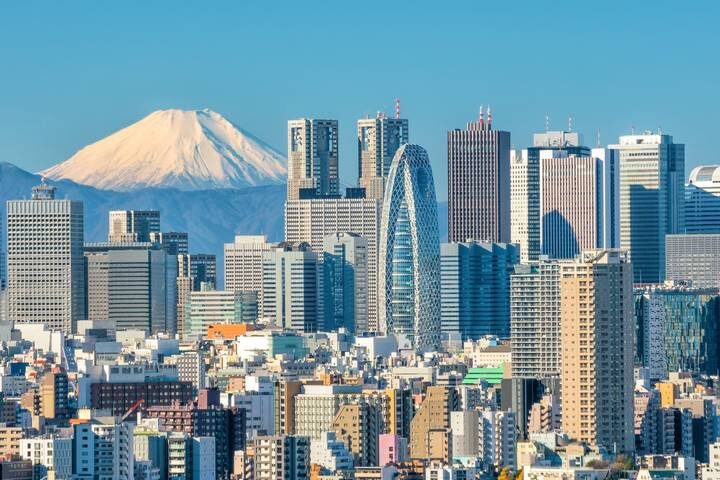
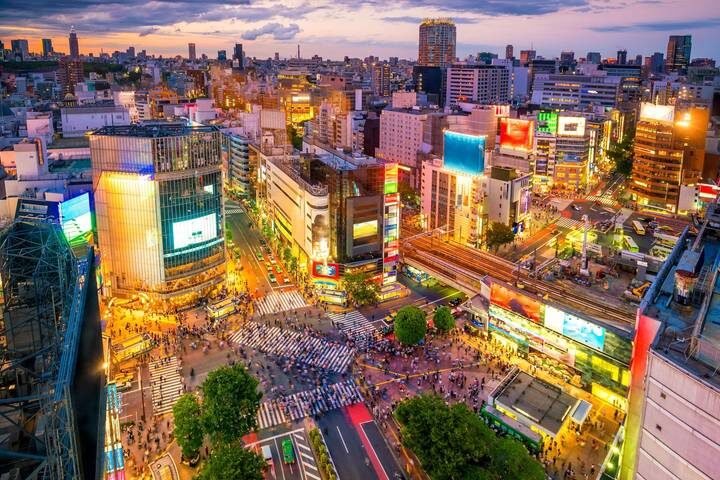
Day two packs Tokyo’s contrasts into a guided tour of about seven hours. At Zojoji Temple, you get the classic view of Tokyo Tower framed by temple grounds and rows of Jizo figures. Shibuya Crossing is seen from the bus, so this is a look rather than a walk through the famous intersection.
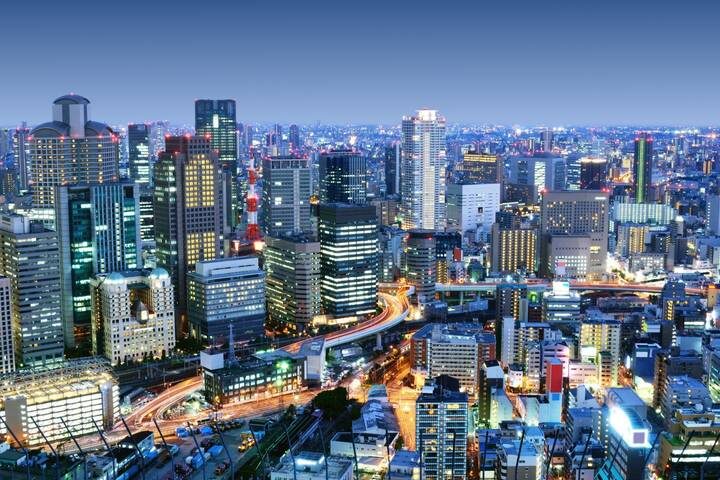
Meiji Shrine offers a calm break beneath its trees. You’ll then go up Tokyo Skytree to the Tembo Deck at 350 meters, before exploring Sensoji Temple and Nakamise Street in Asakusa. The bus passes through Akihabara and Ginza, which gives you a quick introduction to both districts without much time to browse.
The evening takes you by subway to Shinjuku for a guided walk and included dinner at a local restaurant. This is a useful first lesson in Tokyo’s scale: your guide handles the subway trip and orientation, while you get a taste of the district after dark. The day is full, so save independent shopping or museum visits for your free time.
You can also read our reviews of more tours and experiences in Tokyo.



Mount Fuji and Kyoto: lake air, hot springs and temples
On day three, the route heads toward Fuji. Arakurayama Sengen Park is known for its pagoda and mountain views, though clouds can hide the peak. In Kawaguchiko, the tour visits Fuji Sengen Shrine, takes a boat ride on the lake and drives to Mount Fuji’s Fifth Station at 2,305 meters when conditions allow.
Winter weather can close the Fifth Station road, in which case the bus goes as far as permitted. The overnight is at a ryokan, with onsen access and dinner included. Room style varies: some rooms are Japanese-style with tatami, and some are Western-style. A Western-style hotel may sometimes replace the planned ryokan.
The next day adds Iyashi no Sato Nenba, a restored open-air village where traditional houses now hold shops and exhibits, followed by Shiraito Falls. A stop at the Toyota Museum in Nagoya brings a modern counterpoint before the bus continues to Kyoto. It is a long travel day, with several stops rather than a leisurely village visit.
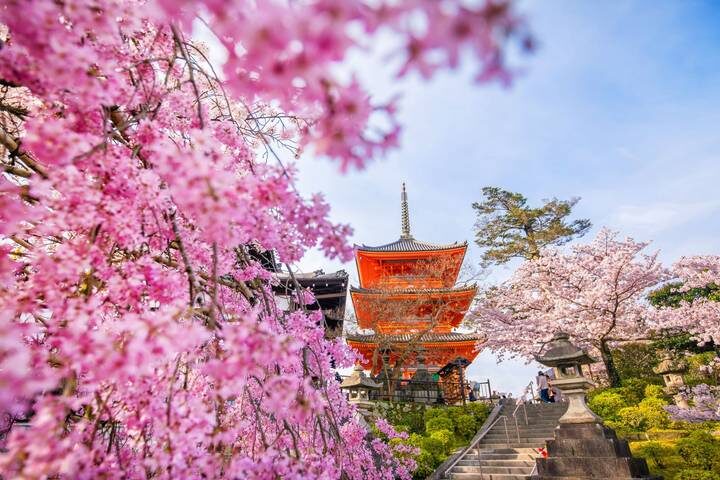
Kyoto’s main tour day covers Arashiyama, Togetsukyo Bridge, Tenryuji Temple and the bamboo forest, followed by Fushimi Inari, the Imperial Palace and Kinkakuji, the Golden Pavilion. This is a lot of ground in one day. You’ll get a broad first look, but not enough time to linger at every shrine or garden.
Gion is listed as free time, and the evening transfer arrangements can vary. If Gion matters to you, check whether your departure includes transport back to the hotel or whether you’ll need to make your own way. Day 12 brings a second full free day in Kyoto, a useful chance to revisit a favorite place or choose a slower day after the tour’s packed sightseeing.
Nara, Osaka and castle country
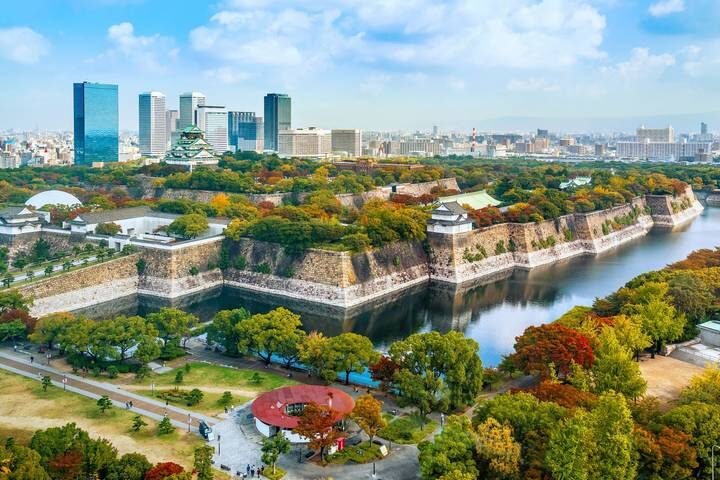
From Kyoto, you visit Todaiji in Nara, home to a huge bronze Buddha, and see the deer that roam the surrounding park. Horyu-ji follows, with some of Japan’s oldest wooden temple buildings. Lunch is included before the trip continues to Osaka, where a guided evening visit takes you to Dotonbori.
The next day brings Himeji Castle, one of the major architectural stops on the route. Admission is included, as is lunch. In Okayama, Korakuen Garden gives you a quieter change of pace, with ponds, waterfalls and teahouses. Okayama Castle sits across a pedestrian bridge; entry inside is not included.
Kurashiki’s preserved historic center comes next, before Hiroshima. The itinerary gives you time to walk its old streets, then turns to the city’s most important visit: Peace Memorial Park, the Atomic Bomb Dome and the Peace Memorial Museum. These sites ask for attention and reflection, not just a quick photo stop. The schedule is full, so expect a substantial day.
A ferry takes you to Itsukushima Island and its shrine, partly built over the water. You have time for the shrine and town before returning to Hiroshima for an included dinner. The order of Hiroshima and island visits may change, but the combination is valuable: you see both the city’s painful modern history and a major sacred site in the same stretch of the trip.
Shikoku, Naruto and a monastery night
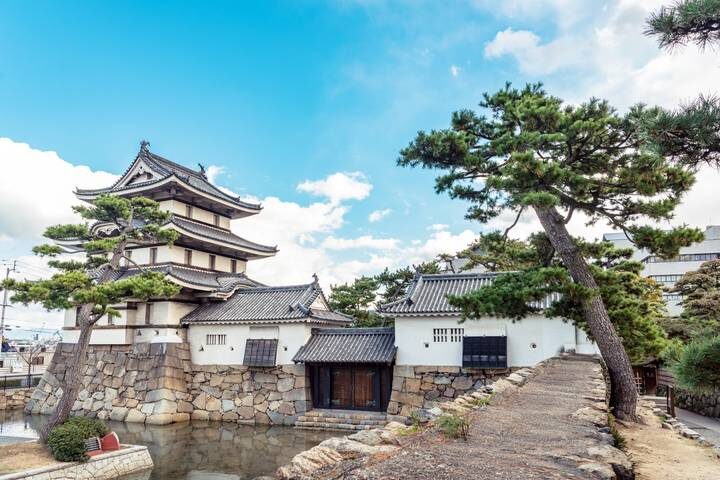
A two-and-a-half-hour ferry carries you from Hiroshima to Matsuyama on Shikoku. There, you take a cable car to Matsuyama Castle, visit Ishiteji Temple and enter Dogo Onsen, a 19th-century bathhouse. Lunch is included. The ferry crossing is part of the experience, but it also makes this another day shaped by transport times.
Day ten has several stops: Kotohira Shrine, reached by climbing 785 steps; Ritsurin Garden in Takamatsu; and the Naruto bridge, where a glass floor offers a view of the sea whirlpools from 45 meters above. The route then crosses bridges linking islands before reaching Kobe. The shrine climb is the most demanding activity on a tour rated low intensity, so take it at your own pace.
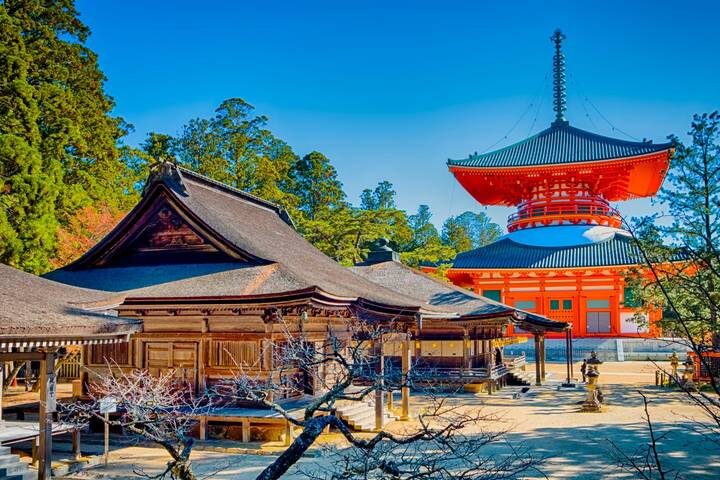
In Kobe, the Earthquake Memorial Museum recalls the 1995 disaster and the city’s recovery. The tour then heads to Mount Koya, a major center of Shingon Buddhism. At Okuno Mausoleum, a cemetery set among trees holds more than 200,000 graves; Kongobuji Temple dates to 1593.
The night at a Buddhist monastery is one of the trip’s most distinctive stays. You’ll have a vegetarian dinner, a traditional breakfast and a planned Ajikan meditation led by monks. The rooms are simple, with tatami and shared bathrooms, and meditation cannot be guaranteed on peak dates. Limited temple capacity can also mean an overnight at a nearby hotel instead.
Tsumago, the Japanese Alps and Nikko
After breakfast at the temple, you travel to Kyoto for a free day, then head out again the following morning for Tsumago. This small post town is known for wooden houses and offers a welcome break from city sightseeing. Lunch is included. In Matsumoto, you visit the 16th-century castle nicknamed the Crow, then continue to Nagano for the night.
Nagano’s Zenkoji Temple is a major pilgrimage site, and the tour includes a Gomakuyo good-fortune ceremony. From there, a forest walk leads to Jigokudani Monkey Park, where Japanese macaques live around hot springs. Seeing them depends on the animals’ movements; in autumn, food conditions can affect whether they come down to the park.
The drive continues through high mountain country, reaching 2,172 meters, then stops in Kusatsu for a walk near its open-air hot springs and free time for lunch. Kusatsu visits may be canceled from November to April because of weather. The day ends in Ikaho, where you can walk the old stone stairway district and stay in a ryokan with hot-spring baths and a traditional dinner.
On the final day, Nikko brings a fitting close. You visit Toshogu Shrine, Taiyuinbyo Mausoleum and the Kanmangafuchi Abyss, where Jizo statues line the river. The coach returns to Tokyo at about 6:30 p.m. There is no airport departure transfer, so do not book a flight that depends on a tight connection that evening.




The value, hotels and group experience
The starting price is $4,935, with flights excluded. The package includes hotel stays, buffet breakfasts, basic travel insurance, an arrival transfer, an English-speaking guide and many key admissions. Seven lunches and five dinners are included in the stated meal plan, though check the day-by-day details for exactly which meals apply to your departure. You’ll still buy some lunches and dinners yourself.
For a 15-day trip covering Tokyo, Fuji, Kyoto, Hiroshima, Shikoku, mountain towns and Nikko, the value lies in the logistics as much as the sightseeing. Coaches, ferries, local transfers and admissions would take planning to coordinate independently. You trade flexibility and long stays at individual sites for a wide-ranging introduction to Japan.
Hotel standards are practical rather than luxurious. Most listed properties are three- or four-star, with private bathrooms and TVs, and are generally in the cities visited with public transport nearby. Hotel names can vary by date, and room size, bed size and facilities may differ. The special stays at Kawaguchiko, Mount Koya and Ikaho bring more local character, but less predictable room arrangements and comfort than a standard city hotel.
The group size ranges from 2 to 72. That gives the operator room to run departures with small numbers, but a full coach means more time gathering and coordinating. Tours may also combine English and Spanish speakers, either with two tour leaders or one guide switching between languages. Some past guide names on the route include Nadia, Midori, Emma, Asamatsu, Santiago, Santoro, Kiko, Paco, Dave Solanes, Akane, Ken and Luis, but the guide team changes. Ask in advance how English commentary and meeting instructions will be handled on your departure.
Who should book this tour?
Book it if you want a guided, high-coverage first trip to Japan and are happy to trade slow mornings for a long list of places. The range is unusually broad: major cities, a mountain hot spring stay, Shikoku, Hiroshima, a Buddhist monastery and the Japanese Alps all feature. Strong scores for guides, transport, hotels and meals support its appeal, while the overall rating of 4.2 out of 5 suggests a good experience rather than a flawless one.
Think twice if you want deep time in each city, independent travel, or a small group with one guide throughout. Some days involve long drives, early starts and several visits; the groups and guides may change along the way. For a first look at Japan that handles the complicated connections for you, this is a worthwhile route, provided you go in ready for a busy schedule and confirm the language setup and hotel details before booking.
Wonders of Japan end Tokyo 15-Day Tour by Europamundo (2026-27 Departures)
“My wife and I were really very satisfied for our tour in Japan. Thanks a lot to Our guides, Nadia, Midori,Emma, Asamatsu, Santiago, Santoro, Kiko a…”
FAQ
Are flights included in the tour price?
No. Flights are not included. The tour includes an arrival transfer from Tokyo airport, but not a departure transfer at the end.
How long is the tour, and where does it start and finish?
The tour lasts 15 days. It starts in Tokyo and returns to Tokyo on day 15, arriving at about 6:30 p.m.
What is included in the price?
The package includes accommodation, buffet breakfasts, basic travel insurance, an arrival transfer, guided transport, many listed admissions and an English-speaking guide. The stated meal plan includes seven lunches and five dinners. Flights are not included.
Is the tour conducted in English?
English guiding is offered. Some departures may combine English- and Spanish-speaking groups, with either separate tour leaders or one leader explaining in both languages.
How large can the group be?
The stated group size is 2 to 72 people.
Is Mount Fuji’s Fifth Station guaranteed?
No. In winter, snow or other weather can close the road. The tour goes as far up as conditions permit.
Is the Mount Koya monastery stay guaranteed?
Temple accommodation is subject to availability. The rooms are simple, with tatami and shared bathrooms, and some groups may stay at a nearby hotel. The meditation practice may not be available on peak dates.
How physically demanding is the tour?
It is rated low intensity, but includes walking, a forest trail at the monkey park and a 785-step climb to Kotohira Shrine. The pace is busy, with early starts and long transfers on some days.