Matcha is not just tea served in a bowl. Its preparation has its own gestures and customs, and this short Tokyo session gives you a chance to try them rather than only watch. You’ll learn the basics, prepare matcha, and, with the right package, make nerikiri, a flower-like Japanese sweet often served with tea.
I like two things here: you get to handle the tea-making tools yourself, and the optional sweets class connects a snack to the season and the aesthetics of Japanese confectionery. At a starting price of $8.05, it can be an inexpensive cultural stop in central Tokyo.
The main caution is the name. The 20-minute Traditional Tea Ceremony Experience is a compact instructional session, not necessarily a quiet, formal ceremony in a tatami room. Packages differ, too, so check whether sweets are included before booking.
- A quick introduction: The named tea ceremony package lasts about 20 minutes, making it easy to fit between other Tokyo plans.
- Hands-on matcha: You prepare and taste matcha with an instructor’s guidance, learning some of the customs along the way.
- Nerikiri is a separate package detail: Some options include making this artistic wagashi, while the basic tea session may not.
- Expect a classroom setting: Chairs and tables are used, and group size can range from one to 100 people.
- Language can vary: Instruction may be in Japanese and English, but the amount of English is not guaranteed to be the same every time.
- Central Tokyo address: The activity is at 第2登栄ビル in Chiyoda City. The building and entrance can take a little attention to locate.
- A short class, not a full-length tea ceremony
- What happens during the 20-minute session
- Nerikiri and ohigashi: choose your package with care
- Instructor, group size, and room atmosphere
- Is .05 good value?
- Finding 第2登栄ビル and arriving on time
- Who will enjoy this Tokyo tea class?
- Should you book it?
- FAQ
- How long does the tea ceremony experience last?
- What is the address?
- What time can I book?
- Are Japanese sweets included?
- Is the activity suitable for beginners?
- Can the activity accommodate dietary requirements?
- What is the cancellation policy?
- The Best Of Tokyo!
- More Tours in Tokyo
- More Tour Reviews in Tokyo
- Not for you? Here's more nearby things to do in Tokyo we have reviewed
A short class, not a full-length tea ceremony
 1 / 5
 2 / 5
 3 / 5
 4 / 5
 5 / 5
This experience is best understood as an introduction to tea customs and matcha preparation. The 20-minute option is brief by design. You can expect a demonstration and explanation, followed by a chance to make or taste tea, rather than an extended ritual with time for a slow, formal sequence.
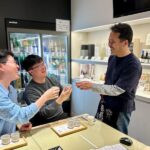
That distinction matters. A class can be a good way to learn what the bowl, whisk, and gestures are for, especially if you have never tried matcha prepared this way. But if you picture a private tea room, tatami mats, and a long ceremony, this may not match that picture. The venue has been described as a classroom, with participants seated at tables or chairs.
I see the value in that practical setup: it is accessible to beginners and keeps the experience focused on learning. The trade-off is atmosphere. This is a convenient cultural lesson in Tokyo, not a substitute for a more elaborate ceremony experience.
The session is beginner-friendly, and you do not need prior knowledge of tea. The instructor guides the process, explains customs, and shows you how to handle the equipment. If you are curious but unsure whether you like matcha, it can also be a low-commitment way to try it. One couple who did not usually drink matcha found themselves finishing the bowl.

👉 See our pick of the 25 Best Guided Tours In Tokyo
What happens during the 20-minute session
The activity is listed as a departure, tea ceremony experience, and return. In practice, you meet at the venue for the booked time, take part in the lesson, then leave when it is over. There is no sightseeing transport or city tour attached.
The brief format makes the experience easy to schedule, but it also limits how much you can cover. Expect an introduction to the meaning and handling of tea tools, a demonstration, and some participation in preparing matcha. The emphasis is on learning the basics and tasting what you make.
Instruction may cover the origins of the tea practice and the customs around preparing and drinking matcha. Some instructors explain the gestures as they demonstrate them, which helps even when you do not understand every spoken word. English support has varied: some sessions have been taught in both Japanese and English, while others have included longer stretches of Japanese with shorter English explanations.
If language is important to you, it is sensible to keep expectations flexible. The experience is still visual and hands-on, but you may not catch every detail if the explanation is mostly in Japanese. You could ask the instructor to clarify a step during the session, though no specific language arrangement is promised.
You can also read our reviews of more tours and experiences in Tokyo.



Nerikiri and ohigashi: choose your package with care
The activity comes in several package forms: the traditional tea ceremony, tea with nerikiri-making, and tea with both ohigashi and nerikiri. These are not interchangeable. The sweets-making option adds a different kind of hands-on activity, and the three-part package includes more than the short tea-only experience.
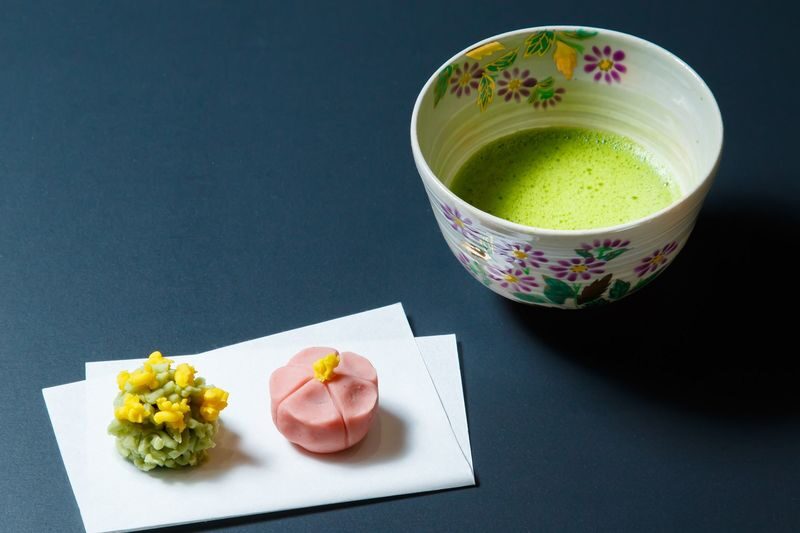
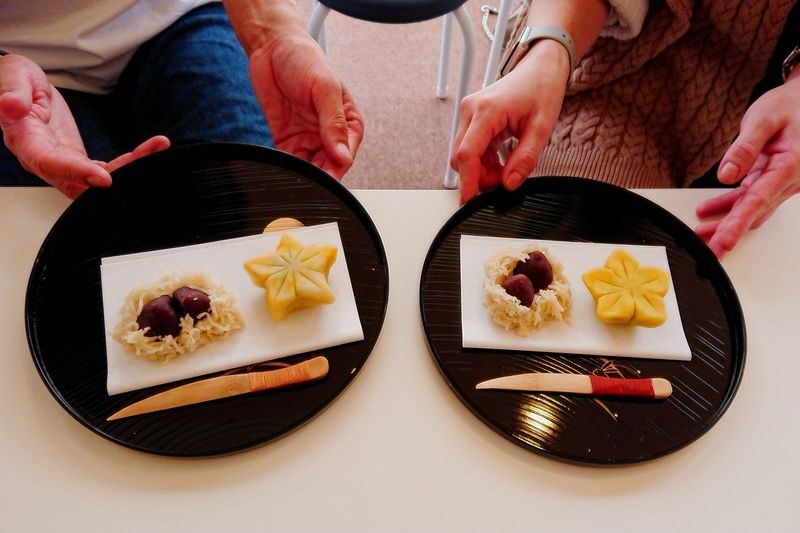
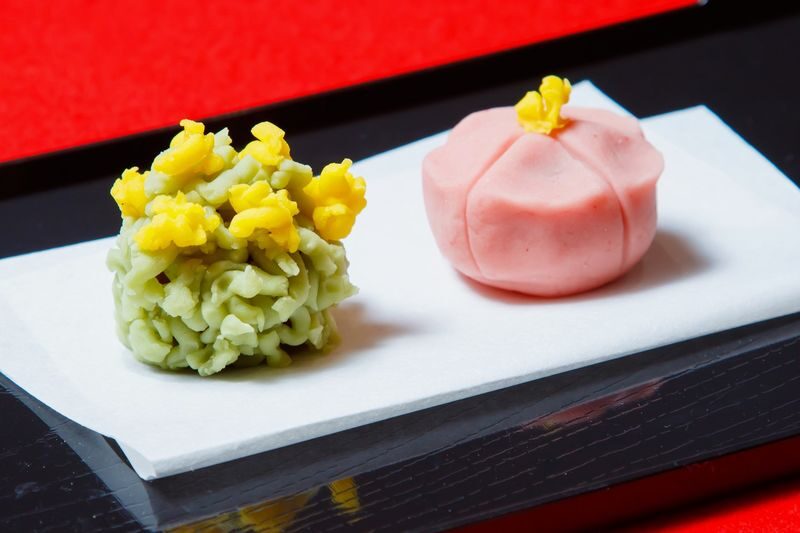
Nerikiri is a soft wagashi shaped into small decorative forms. Its appearance often reflects flowers, seasons, or other motifs, so making it is as much about careful shaping as it is about food. You may find that the finished sweet looks more polished in the instructor’s hands than in yours. That is part of the fun: the process calls for patience and a light touch.
The instructor guides participants through shaping and decorating the sweet, then you can eat what you make. The designs change periodically, so the exact motif may differ from what you have seen in photos. Ohigashi is another type of Japanese sweet, often dry and pressed into a shape. It is included only in the package that names it.
Here is the important booking detail: the basic tea ceremony package has prompted conflicting expectations about whether sweets are included. The activity description discusses sweets, but the package options separate tea-only from sweets-making, and some people have arrived expecting treats that were not part of their chosen session. Read the exact package title and inclusions before paying. If making and eating nerikiri is central to your plans, select the package that explicitly includes it.
The sweets class can take much longer than the 20-minute tea-only session. Some combined sessions have run around an hour and a half, and a package with multiple activities may take longer still. Keep open time after your booking rather than planning a tight connection or meal immediately afterward.
Instructor, group size, and room atmosphere
The instructor is a major part of the experience. The class works best when the teacher demonstrates each step clearly, keeps the pace comfortable, and makes room for questions. Many sessions have been described as friendly and encouraging, with instructors helping participants correct a sweet or follow the matcha preparation.
The atmosphere, though, can vary with the group and the format. This is not always a small, private lesson. The stated group range is one to 100 participants, and classes have been described as having around 20 or 30 people. A larger group can mean less individual attention and a more classroom-like feel. If you prefer quiet and personal instruction, this is worth weighing before you book.
The room is functional rather than designed to recreate a traditional tea room. You may sit on chairs at tables, and the setting can feel plain. For some people, that is no problem: the demonstration and the chance to make tea or sweets are the point. If you are choosing mainly for a ceremonial atmosphere, the venue may disappoint.
There is no guide name provided, so you cannot request a particular instructor. English ability also varies by session. Some instructors explain comfortably in both languages, while others rely more heavily on Japanese. If you want the most complete cultural explanation possible, take notes or ask questions as the lesson unfolds.
Is $8.05 good value?
At a starting price of $8.05, the short tea-only session is a relatively low-cost way to add a cultural activity to a Tokyo day. You are paying for an instructor-led introduction and the ingredients needed for the activity, not an elaborate venue or a long private lesson. If you want a quick first encounter with matcha customs, the price can make sense.
Value changes with the package. Nerikiri-making adds time and practical work, and the package with both ohigashi and nerikiri offers a broader taste of sweets served alongside tea. Compare the package names and what each includes, not just the advertised starting price. The lowest price may not cover the part you most want.
All ages are charged the same price, and infants and children must be included in the passenger count. That makes the price straightforward, but it also means you should account for every person when booking. The activity is described as beginner-friendly, which makes it suitable for families who want a structured, hands-on cultural lesson, provided the children are interested in sitting through instruction and following the steps.
Ingredients are included. Personal expenses are not, and the activity cannot accommodate allergies, gluten intolerance, or vegetarian dietary requirements. If anyone in your group has a dietary restriction, this is not a safe choice to book without first confirming directly with the operator.
Finding 第2登栄ビル and arriving on time
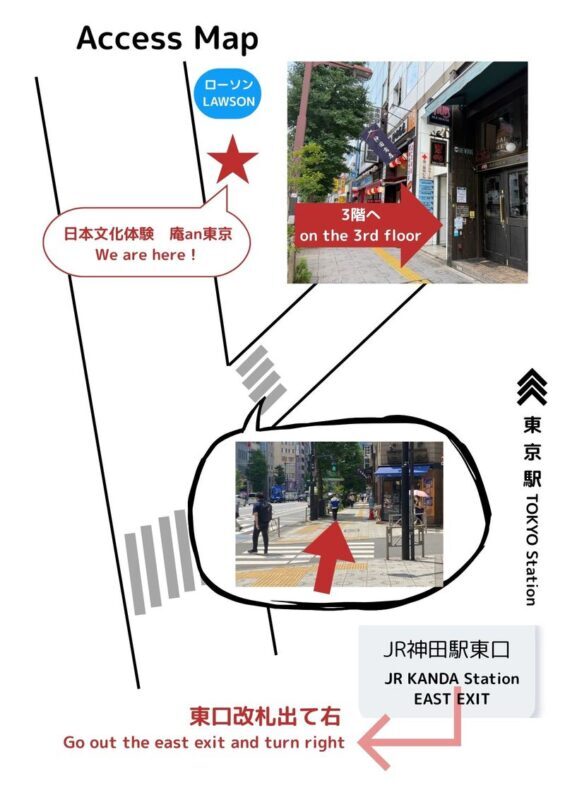
The meeting address is 庵an東京, 第2登栄ビル 3階, 2-2 Kajicho, Chiyoda City, Tokyo, 〒101-0044. The building is near a train station, which makes it practical to reach, but the entrance can be confusing. Some navigation apps may point to the wrong side of the building or a different street with a similar name.
Use the full Japanese address, check the map carefully, and allow time to find the correct entrance. The venue is on the third floor. Arrive five minutes before your chosen start time; late arrivals and no-shows are not refundable.
Available start times are 09:05, 11:35, 14:05, 16:35, and 19:05. You must attend the time selected when booking. Return times depend on your selected start and package duration, so do not assume every session ends at the same time.
Booking is by meet-up, and you present a mobile voucher. Confirmation is usually sent within minutes. The voucher is valid only for the date and time selected. You can cancel for a full refund with at least 24 hours’ notice, and changes are allowed until 24 hours before the activity, subject to stated booking restrictions. These terms are useful if your Tokyo plans are still moving, but they do not remove the need to arrive promptly.





Who will enjoy this Tokyo tea class?
I would choose this for a first-time visitor who wants a compact, practical introduction to matcha without setting aside half a day. It also suits curious cooks and sweet-lovers who want to shape nerikiri themselves, and families looking for a guided activity rather than another museum visit.
It is a weaker fit if your priority is a long, formal ceremony in a traditional room, a private lesson, or a guaranteed English-only class. It may also feel rushed if you book a multi-part package but have only a short window. The 20-minute tea session and the longer sweets options are different experiences, so match the booking to the time and atmosphere you want.
The biggest strength is participation. You do not just hear that matcha and wagashi matter in Japanese culture; you handle the tools, make tea, and, with the right package, shape a sweet yourself. The biggest uncertainty is how much time and English instruction your particular session will offer.
Should you book it?
Book the tea-only session if you want an inexpensive, short introduction and are comfortable with a classroom format. Choose a package that explicitly includes nerikiri or ohigashi if making and tasting Japanese sweets is a priority, and leave extra time for the longer options.
I would pass if you are seeking a deeply ceremonial setting or need guaranteed accommodation for dietary restrictions. For everyone else, this is a useful little window into matcha and wagashi, provided you go in expecting a guided lesson rather than a grand tea-room ritual.
Traditional Tea Ceremony Experience in Tokyo
“A very pleasant and nice therapist; my body felt very relaxed after the treatment, and the tea and cookies were delicious.”
FAQ
How long does the tea ceremony experience last?
The Traditional Tea Ceremony Experience is listed as 20 minutes. Packages that include sweets-making can take longer, so check the duration for the option you select.
What is the address?
The meeting point is 庵an東京, 第2登栄ビル 3階, 2-2 Kajicho, Chiyoda City, Tokyo, 〒101-0044.
What time can I book?
Available start times are 09:05, 11:35, 14:05, 16:35, and 19:05. You must attend the time selected during booking.
Are Japanese sweets included?
It depends on the package. Options include tea-only, tea with nerikiri-making, and tea with both ohigashi and nerikiri. Check the exact package inclusions before booking.
Is the activity suitable for beginners?
Yes. The activity is described as beginner-friendly, and the instructor guides participants through the experience.
Can the activity accommodate dietary requirements?
No. It cannot accommodate allergies, gluten intolerance, or vegetarian diets.
What is the cancellation policy?
You can receive a full refund if you cancel at least 24 hours before the activity date, in destination local time. Changes are also allowed until 24 hours before the activity, subject to the stated booking restrictions.