Tsukiji is at its best when you can pause at a stall, ask what is fresh, and try something you might have walked past alone. This private half-day food tour gives you a guide to help make sense of the market’s close-packed lanes, food traditions, and choices, from sashimi and grilled seafood to sweets and sake.
I like two things in particular: the personal pace, which lets you steer toward foods that interest you, and the guide’s local knowledge, which can help with vendor conversations and market manners. Guides named Martha, Keko, Maki, and others have been praised for their warmth, patience, and food recommendations.
One point to settle before you go: the price does not clearly explain how much food is included. Some people have had a generous tasting morning, while others have found the food allowance modest. Ask what your booking covers and bring extra money if sampling is a priority.
- Tsukiji at a glance
- Start where the market makes sense
- Follow your appetite through the stalls
- Learn the customs, not just the menu
- Make room for the market’s surroundings
- Start early if you can
- What the private format is worth
- Who will enjoy it most
- Booking questions to settle first
- Should you book the Tsukiji food tour?
- FAQ
- How long is the Tokyo Tsukiji Half-Day Private Food Tour?
- What foods might I try?
- Are food tastings included in the tour price?
- Is this a private tour?
- Is the tour offered in English?
- Can I cancel for a refund?
- The Best Of Tokyo!
- More Food & Drink Experiences in Tokyo
- More Tours in Tokyo
- More Tour Reviews in Tokyo
- Not for you? Here's more nearby things to do in Tokyo we have reviewed
Tsukiji at a glance
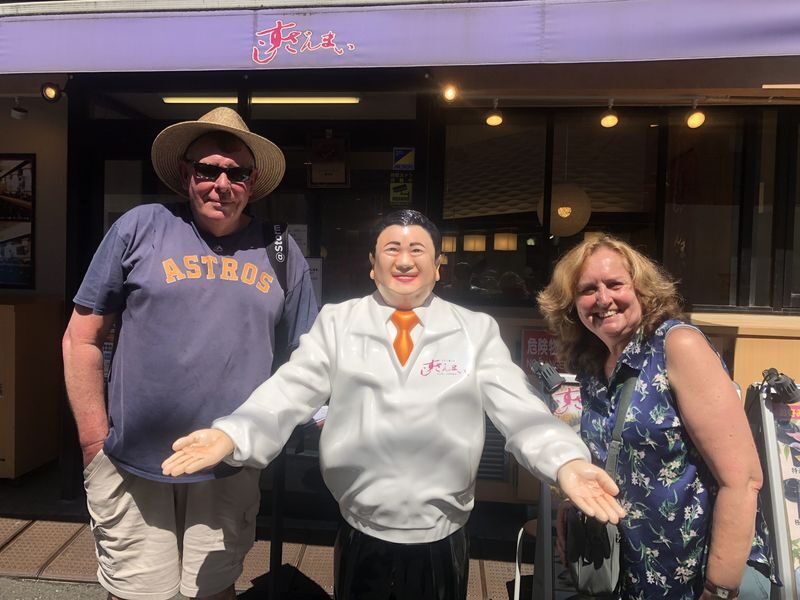
- A private guide in the market: The one-to-one format makes it easier to ask questions, set your pace, and focus on foods that appeal to you.
- A practical introduction to Tsukiji: Guides can explain the market’s history, local customs, and what you are seeing as you move through the stalls.
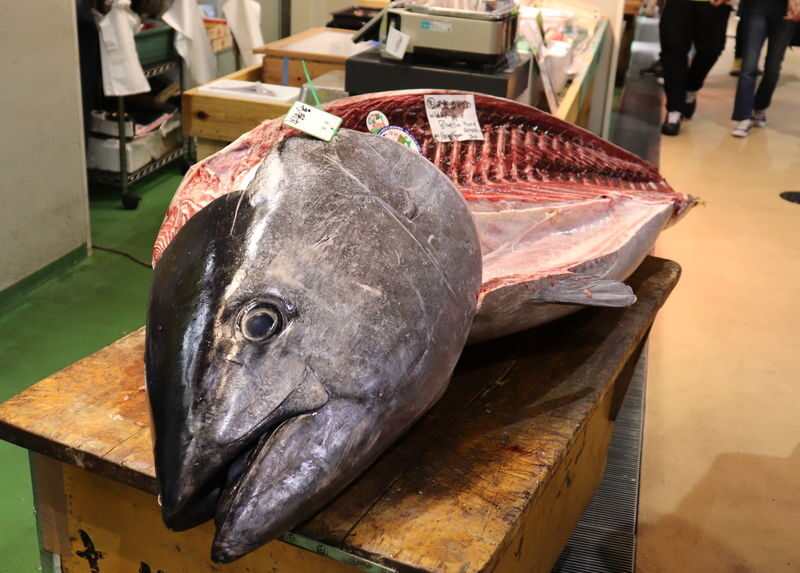
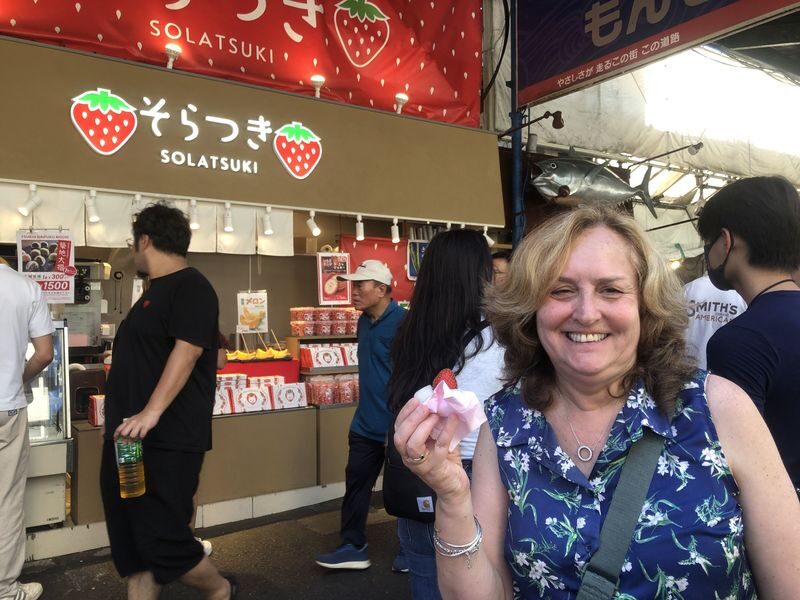
- Tastings vary: Sashimi, tuna, oysters, crab, wagyu, fruit, mochi, and other snacks have featured on tours, but the exact selection is not guaranteed.
- Some tours include nearby sights: Visits to a temple or shrine have been part of some outings, though the route may depend on your guide and interests.
- Food costs need a clear answer: The advertised starting price is from $80.85, but the amount set aside for tastings has not felt consistent to everyone.
- A strong overall rating, with some variation: The experience is rated 4.6 out of 5 from 56 reviews, and most praise centers on the guides and the market visit.

👉 See our pick of the 25 Best Guided Tours In Tokyo
Start where the market makes sense
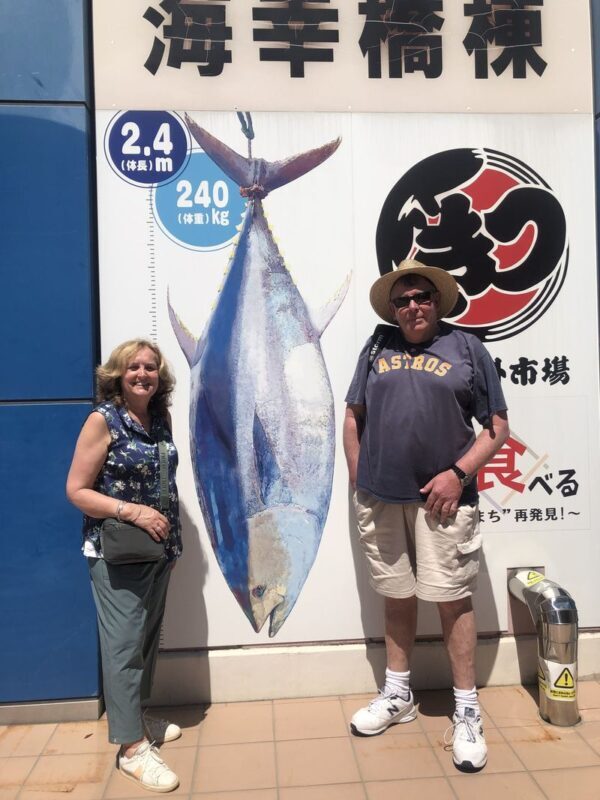
Tsukiji Outer Market can feel like several food streets compressed into a maze. Stalls sell seafood, snacks, fruit, sweets, and cooking goods, while people stop to eat in spaces that may be small or busy. A guide gives you someone to follow and someone to ask when you cannot tell what a dish is, how it is usually eaten, or which stall might suit your taste.
The market is not simply a row of sushi counters. It is a place to watch how food is sold and prepared, notice the variety of Japanese ingredients, and learn a little about the people and customs tied to the area. Several guides, including Martha and Keko, have been praised for explaining local traditions and the market’s past as well as pointing out food to try.
That extra context matters most if this is your first visit. You can certainly walk the lanes on your own, but it is easy to spend your time following the biggest queues or choosing only what you already recognize. A guide can help you look beyond the obvious and make the market feel less like a crowded puzzle.
You can also read our reviews of more food & drink experiences in Tokyo


Follow your appetite through the stalls
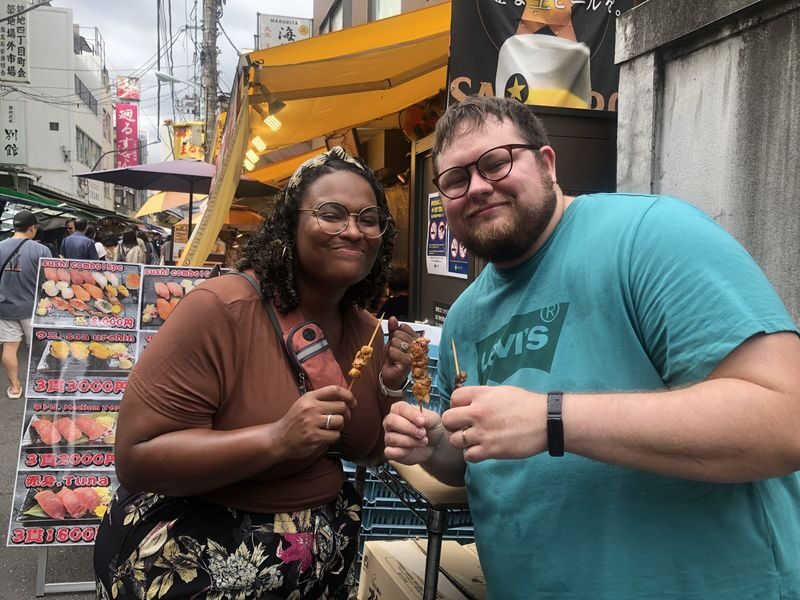
The tour is private, so the food stops can respond to your interests. If you want seafood, you can ask about sashimi, tuna, oysters, crab, or shrimp. If you prefer something cooked or sweet, past tastings have included wagyu and beef skewers, tamagoyaki, mochi, fruit, and matcha treats. Sake has also featured on some tours.
Think of those examples as a sense of what may be available, not a fixed tasting menu. The tour does not provide a confirmed list of dishes or a guaranteed number of samples. If there are foods you particularly want to try, tell your guide early and ask how much you should expect to pay for them.
This flexible approach is one of the tour’s strengths. Maki, Keko, and Martha have been singled out for tailoring suggestions to different tastes, while guides have also helped families find options for children and adjust around food allergies. A private guide can make it easier to ask for those adjustments than it might be while making quick choices at a stall.
The trade-off is that flexibility can feel like a lack of structure if you expect a set menu. Some people have been unsure how much food the tour price included, or felt they had to decide for themselves which stalls to visit. If you want a guided tasting with a clearly stated selection and food allowance, confirm those details before booking.
Learn the customs, not just the menu
A good market guide does more than point at lunch. You can ask about local ingredients, how to order, and what is considered polite when eating or browsing. Maki, for example, has been praised for explaining market manners, while other guides have shared the history of Tsukiji and the food traditions linked to the area.
A Japanese-speaking guide can also help communicate with vendors. This is useful in a crowded market where you may want to ask what something is, check an ingredient, or understand how a dish is served. It can turn a quick purchase into a conversation, though the quality of that help depends on the individual guide.
English is offered, but it is sensible to keep expectations practical. Many guides have been praised for clear explanations, patience, and easy conversation. A few people have found a guide difficult to understand or felt they learned less than expected. If detailed explanations are important to you, contact the operator beforehand to ask about the guide’s English and the kind of cultural information covered.
Make room for the market’s surroundings
Some outings have included a nearby temple or shrine alongside the market. The exact route is not set out as a guaranteed sequence, so treat these stops as a possible addition rather than a promise. If you care more about food than sightseeing, say so; if you would like a broader introduction to the area, ask whether a temple or shrine can be included.
This extra context can make the morning feel more rounded. A market is easier to understand when you see it as part of a neighborhood, not only as a place to eat. One guide has also introduced local manners at Tsukiji Honganji, a detail that may be useful if a temple visit is part of your route.
Do not expect every tour to cover the same ground. Because the format is private, the guide may adapt the walk to your interests, pace, and the stalls you choose. That is helpful if you want control, but less ideal if you prefer a set itinerary with every stop specified in advance.
Start early if you can
An early start has a practical advantage: the market can become much more crowded later in the morning. Some people have particularly appreciated finishing before the lanes filled up. An early visit can make it easier to move between stalls, hear your guide, and stop for food without feeling rushed by the flow of people.
The experience usually lasts around half a day, though the time reported has ranged from about two and a half hours to three. That is enough time for a guided walk and several food stops, but it does not mean you will eat at every stall that catches your eye. If you want a leisurely meal or a long list of tastings, plan to stay in the area afterward.
Wear comfortable shoes and arrive ready to walk and stand. The market is compact, but the route involves moving through crowded lanes and pausing at vendors. Popular food counters can have queues, so your guide may need to adjust the order of stops or suggest alternatives.
You can also read our reviews of more tours and experiences in Tokyo


What the private format is worth
The listed starting price is $80.85, but the final value depends on the price shown for your date and, especially, what food costs are covered. The central benefit is having a guide focused on your group, rather than joining a larger party with a fixed pace. You can ask questions as they arise, request specific foods, and spend less time figuring out the market alone.
That private attention can be particularly valuable for families. Guides have been praised for keeping children engaged, answering their questions, and finding snacks to suit different tastes. One family described a good pace for four people, while another noted that the guide adapted food suggestions for children. If you are visiting with kids, tell the guide their ages and interests in advance.
The value is less clear if you are mainly paying for a large quantity of included food. The listed price does not spell out a firm tasting budget, and some people have felt the allowance was too small for the cost of the tour. Others have had a long sequence of delicious bites and considered the private attention worth the price. This difference makes the food allowance the key question to ask before you book.
Who will enjoy it most
This tour makes sense if you want help getting oriented, appreciate conversation about Japanese food, or would rather have a local guide help you navigate the market. It is especially useful for a first Tokyo visit, when you may want a friendly introduction to local eating customs as well as a few good things to taste.
It can also suit families and mixed-interest groups. The private format allows you to ask for a gentler pace and food suggestions for children, and guides have accommodated allergies. Share any dietary needs clearly before the tour, then confirm what the guide can do and what food choices will be available.
You may be happier exploring independently if you already know Tsukiji, enjoy choosing every stall yourself, or mainly want to spend your budget on food. The market is open to independent browsing, and the tour’s food budget may not meet expectations if you assume tastings are fully included.
Booking questions to settle first
The activity has a 4.6 out of 5 rating from 56 reviews, but the guide is a big part of the experience. Names that have drawn especially warm praise include Martha, Keko, and Maki. Feedback about guides is not uniformly positive, so ask what language support is available and whether the tour can focus on the foods or cultural topics you care about.
Also ask for a clear breakdown of the price: what the guide fee covers, whether any food allowance is included, how much that allowance is, and whether you should bring extra cash for tastings. The tour offers free cancellation with at least 24 hours’ notice, and confirmation is stated as within 24 hours. Check the booking details for the terms that apply to your date.
Should you book the Tsukiji food tour?
Book it if you value a private guide who can help you navigate Tsukiji, explain what you are seeing, and tailor the food stops to your interests. It is a particularly good fit for first-time visitors and families who want more than a self-guided wander.
Pause before booking if you expect a generous, fixed tasting menu. The food allowance is not clearly defined in the available details, and that uncertainty has been a real source of disappointment. Get the cost of food spelled out first; if you are comfortable paying separately for some tastings, the personal guidance can make this a rewarding way to meet Tsukiji.
Tokyo Tsukiji Half-Day Private Food Tour
“We had a great time. Our guide Martha was great! Very knowledgeable, gave us recommendations on what was best to try and everything she recommended…”
FAQ
How long is the Tokyo Tsukiji Half-Day Private Food Tour?
It is described as a half-day tour. The time reported has ranged from about two and a half to three hours.
What foods might I try?
Past tastings have included sashimi, tuna, oysters, crab, shrimp, wagyu, beef skewers, mochi, fruit, matcha treats, and sake. The exact selection is not specified.
Are food tastings included in the tour price?
The food allowance is not clearly stated. Some people have had several tastings, while others have found the amount covered modest. Ask the operator what is included and bring extra money if you want to sample more.
Is this a private tour?
Yes. The package is described as a private half-day food tour.
Is the tour offered in English?
An English guide is offered. English communication has worked well for many people, though experiences have varied. You can ask about the guide’s English before booking.
Can I cancel for a refund?
The activity offers free cancellation with at least 24 hours’ notice before the activity date, in destination local time. Check the booking terms or contact Klook customer support for details.























