The heart of this one-hour session is doing the work yourself: you watch a tea master prepare matcha, then whisk your own bowl and shape nerikiri, a seasonal sweet designed to look like flowers, leaves, or other motifs. I like that the lesson combines a graceful demonstration with hands-on practice, and that the sweets give you a second, very different way to learn about Japanese seasonal aesthetics.
The group is capped at 10, which should leave room to ask questions without turning the class into a lecture. One consideration: an hour goes quickly, and the session cannot be extended if you arrive late, so plan your trip to Hakusan Station with a little breathing room.
- Watch otemae, the formal tea preparation: A tea master demonstrates the careful sequence before you try making matcha yourself.
- Whisk your own bowl: You get to use a traditional bamboo whisk and taste the matcha you prepare.
- Shape nerikiri by hand: Make a small Japanese sweet whose colors and form can reflect the season.
- Learn in English: An expert host explains the process, with a tea master who has more than 10 years of experience.
- Keep the group small: The session can accommodate up to 10 participants, giving you a better chance to ask questions.
- Meet near Hakusan Station: The venue is about a five-minute walk from the Toei Mita Line station.
- A tea lesson with more doing than watching
- First, watch the tea master’s otemae
- Whisk matcha, then taste what you made
- Shape nerikiri, an edible seasonal design
- One hour at Hakusan, with up to 10 people
- Is .55 good value for the hour?
- Who will enjoy this class most?
- Should you book the Hakusan tea ceremony?
- FAQ
- How long does the tea ceremony experience last?
- Where does the activity take place?
- What departure times are available?
- How many people can join the session?
- Is the experience guided in English?
- Do I get to make matcha and sweets myself?
- Can young children join?
- What happens if I arrive late?
- The Best Of Tokyo!
- More Dessert Tours in Tokyo
- More Tours in Tokyo
- More Tour Reviews in Tokyo
- Not for you? Here's more nearby things to do in Tokyo we have reviewed
A tea lesson with more doing than watching
 1 / 8
 2 / 8
 3 / 8
 4 / 8
 5 / 8
 6 / 8
 7 / 8
 8 / 8
Tokyo offers plenty of ways to encounter Japanese food culture, but this activity pairs two crafts that are often enjoyed together: matcha preparation and wagashi, the broad family of Japanese sweets. You see how the tea is prepared, try whisking it yourself, and make a sweet to enjoy alongside it. That combination makes the hour feel like a compact introduction, not simply a tasting.
The session takes place at Phil Park Hakusan Hills, on the second floor, in Bunkyo City. The address is 1-26-17 Hakusan, about a five-minute walk from Toei Mita Line Hakusan Station. It is a practical location if you are already exploring this part of Tokyo, though it is not described as a central sightseeing stop in itself.
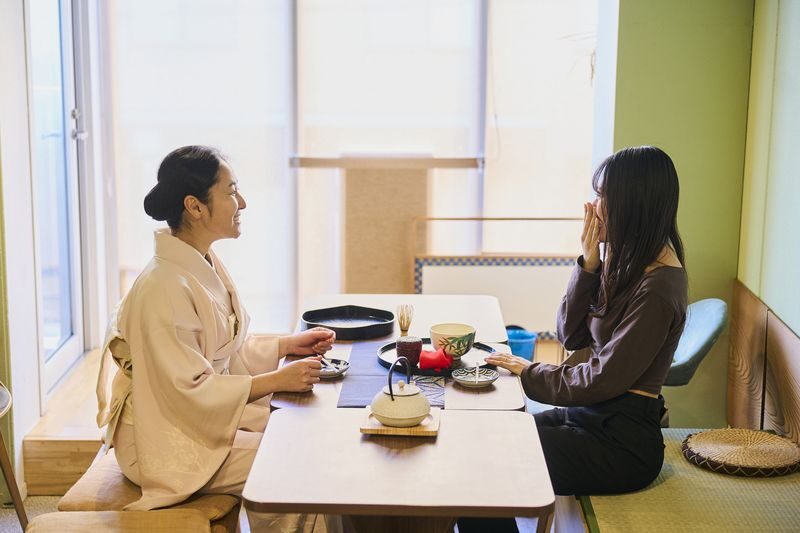
The focus is on participation and explanation. A tea master with more than 10 years of experience leads the ceremony, while an English-speaking expert host helps make the steps and their meanings clear. A host named Yo-Su has led sessions, but the information does not guarantee that this person will be your host on a particular date.

👉 See our pick of the 25 Best Guided Tours In Tokyo
First, watch the tea master’s otemae
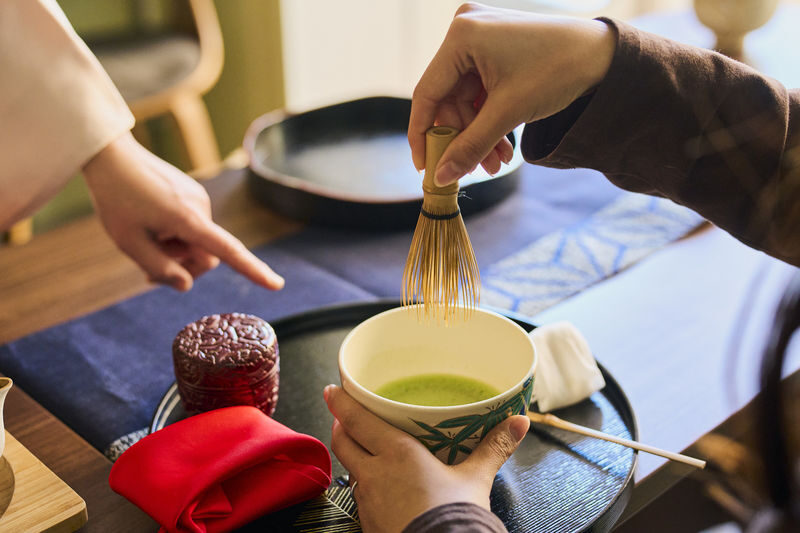
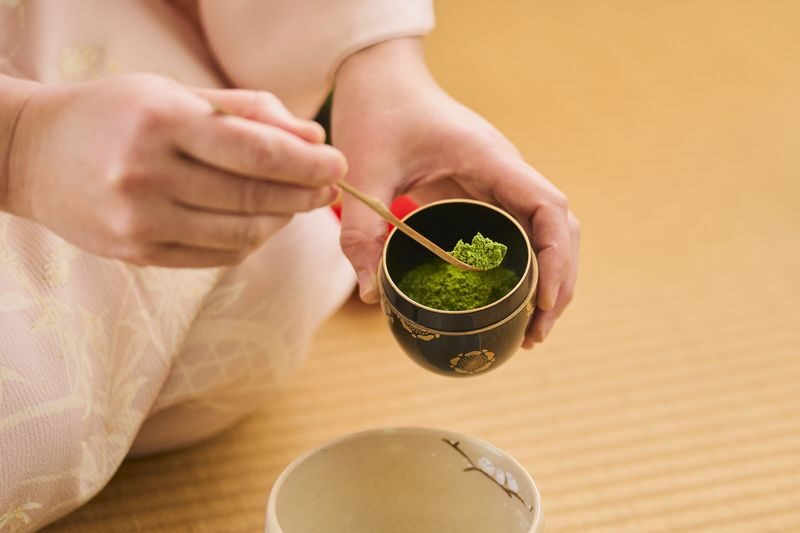
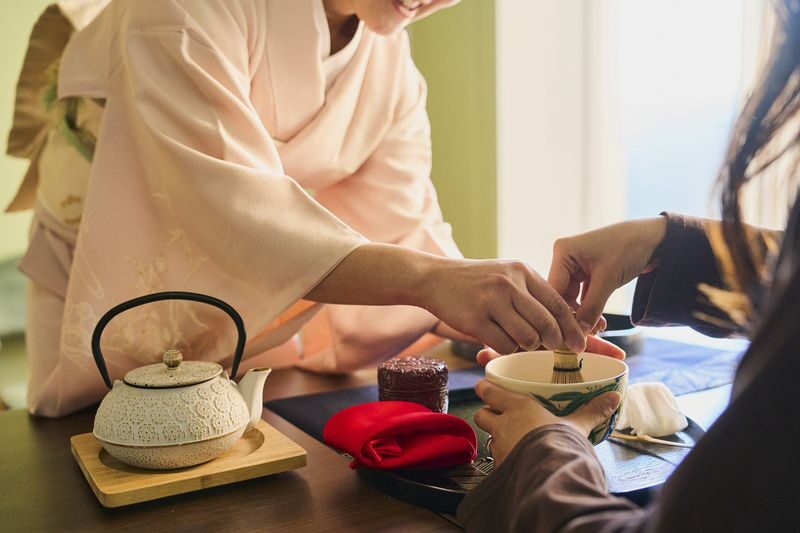
The first part of the class is a demonstration of otemae, the formal preparation and presentation of matcha. The movements are deliberate, and the order matters. Watching the tea master first gives you a model to follow before you pick up the whisk yourself.
This is not just a lesson in how to stir powdered tea into water. The explanation also covers the ceremony’s history, philosophy, and cultural significance, so you can understand why the preparation is treated with care. The exact details covered can vary with the questions and pace of the group, but the English guidance makes the experience approachable even if you have never encountered a tea ceremony before.
That context is a real strength for a short class. A demonstration without explanation can be lovely to watch but hard to interpret; here, you have a chance to ask why a particular step matters. If you are curious about the customs behind the gestures, use that opportunity. The group size of up to 10 is small enough to support questions, though it is still a group activity rather than a private lesson.
You can also read our reviews of more tours and experiences in Tokyo

Whisk matcha, then taste what you made
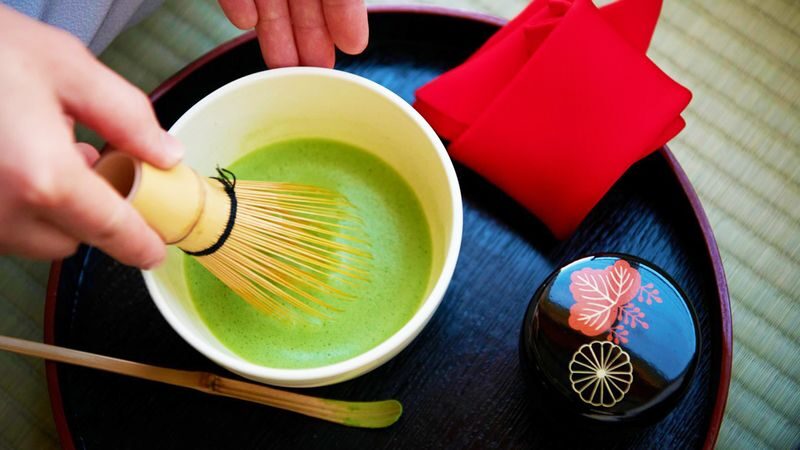
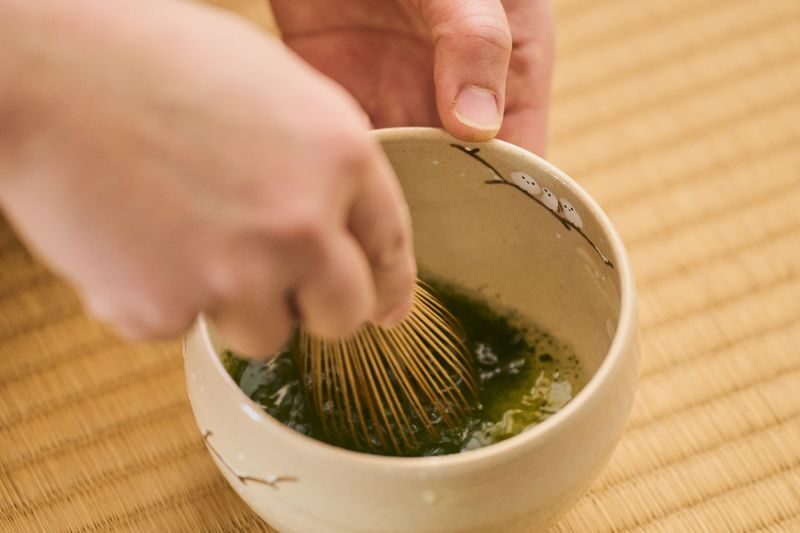
After the demonstration, you get to prepare your own bowl of matcha under guidance. You use a bamboo whisk, the traditional tool for combining the tea and water. The activity promises a chance to taste the matcha you make, so the lesson ends with something more satisfying than a set of instructions to remember later.
The flavor is described as rich, and freshly prepared matcha is the point of the exercise. You are not simply watching a specialist perform a skill from a distance. You get to try the basic technique and see how it feels in your own hands. If you have never whisked matcha before, expect an introduction rather than mastery in one session. The value is in understanding the process and trying it with someone there to guide you.
The practical payoff is modest but useful: next time you see matcha prepared, you will recognize more of what is happening. You may also find that making it yourself changes how you think about the bowl in front of you. It is a small act, but it turns a familiar drink into a craft you have tried rather than just sampled.
Shape nerikiri, an edible seasonal design
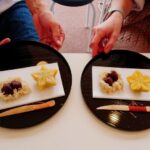
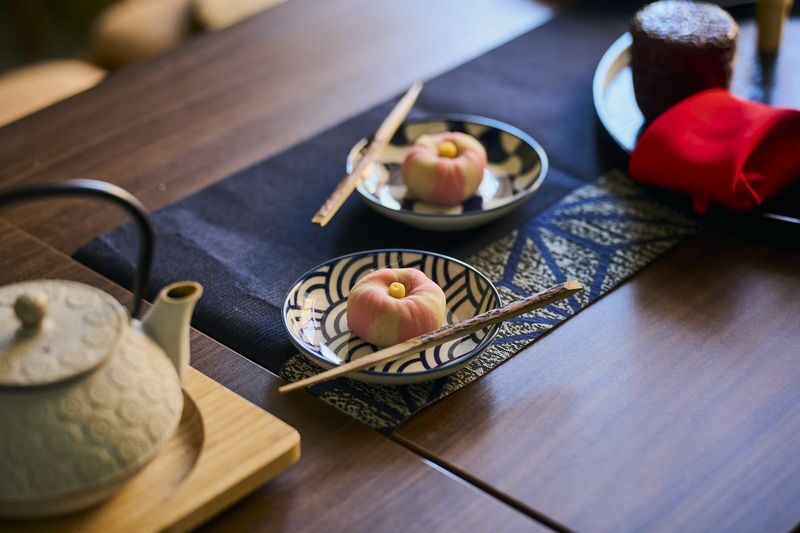
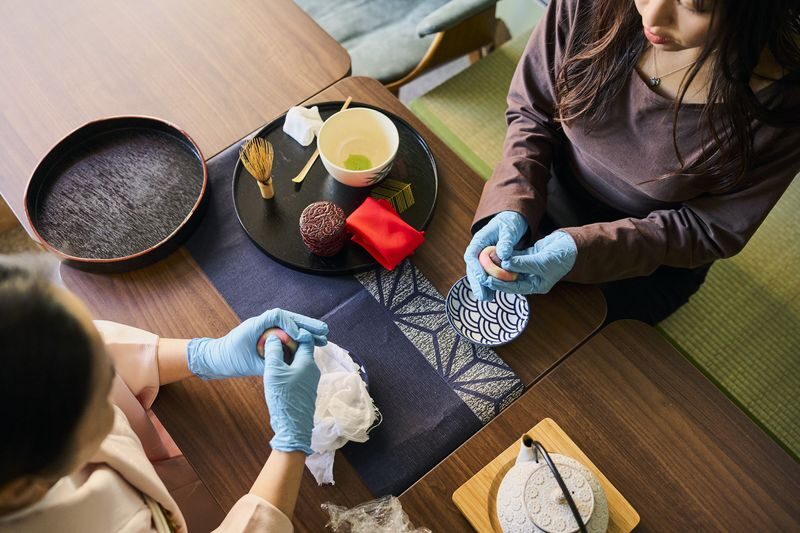
The sweet-making portion adds a hands-on art lesson to the tea ceremony. Nerikiri is made from bean paste and shaped and colored to suggest seasonal flowers, leaves, or cultural motifs. Its careful forms are meant to reflect the changing seasons, so the sweet is as much about appearance and symbolism as it is about dessert.
You make the confection yourself, then enjoy it with the matcha. That pairing is a natural fit: the sweet gives you another way to engage with Japanese food culture, while the tea offers a contrast in taste. The class does not specify the exact design you will make, and seasonal motifs may differ. Think of the activity as an introduction to shaping and decoration, not a guarantee of a particular flower or finished pattern.
This is likely to be a highlight if you enjoy making things with your hands, even if your final sweet looks more handmade than artisan-perfect. That is part of the charm. Nerikiri is delicate by design, and making it yourself helps explain why these sweets are treated as small works of art rather than ordinary confectionery.
One hour at Hakusan, with up to 10 people
The full session lasts one hour. The listed departure choices are 14:00 and 16:00, with return times of 15:00 and 17:00 respectively. Choose the departure time when booking and arrive at the second-floor venue five minutes early. The schedule may change depending on traffic and weather, so allow a little flexibility around the activity if you have other plans.
Because the venue is about five minutes on foot from Hakusan Station, the final approach is simple once you reach the Toei Mita Line. Check the address carefully: the meeting point is Phil Park Hakusan Hills, 2nd Floor, 1-26-17 Hakusan, Bunkyo-ku. You can still join if you arrive late, but the class will not be extended, so arriving on time matters. Every minute counts in a one-hour activity.
The group format accommodates up to 10 participants. That is a sensible size for a demonstration followed by individual practice: you are not promised a private session, but the class should be more personal than a large auditorium-style presentation. If you are booking with a companion, you can share the experience while still making your own tea and sweet.
Is $31.55 good value for the hour?
At a starting price of $31.55, the value rests on getting three things in one compact session: an expert tea demonstration, your own matcha preparation, and the chance to shape nerikiri. Admission, an English-speaking guide, and refreshments are included. Other personal expenses are not.
For someone who wants a short, guided introduction to tea culture, that is a useful package. You get more than a cup of tea, but less than an extended study of the ceremony. The one-hour format suits a busy Tokyo itinerary and keeps the commitment manageable. On the other hand, if your main goal is a long, meditative ceremony or detailed instruction in tea practice, this may feel like a first lesson rather than a full course.
The best value comes if you take part actively: listen to the explanations, ask questions, and pay attention during the demonstration before trying each craft. The session is especially worthwhile for first-time visitors who want a clear introduction without needing prior knowledge of tea ceremony etiquette.





Who will enjoy this class most?
I would put this on the shortlist for anyone curious about Japanese traditions but unsure where to begin. The English explanations lower the barrier, and making both tea and a sweet gives you something concrete to do. It also suits couples, friends, and small family groups who enjoy learning by trying rather than only watching.
It may be less appealing if you are looking for a full-day cultural program, a private class, or a detailed course in tea ceremony. The session is brief, group-based, and centered on matcha and nerikiri. It does not include other personal expenses, so plan any additional food or activities separately.
Children aged 0 to 6 can attend free if they do not need a separate seat. Participants must be under 99 years old. If you are booking for a child, keep in mind that the class involves following a demonstration and handling tea and sweets; the information does not provide a separate child-focused version.
Should you book the Hakusan tea ceremony?
Book it if you want a hands-on, English-guided introduction to matcha and Japanese sweets, and you can fit a one-hour class into your Tokyo plans. The combination of a tea master’s demonstration, your own matcha whisking, and seasonal nerikiri-making gives the session more texture than a simple tasting. The small group limit is another plus for anyone who likes to ask questions.
Skip it if you want a long ceremony, a private lesson, or a highly flexible appointment. The session has set departure times, does not run longer for late arrivals, and lasts only an hour. For a focused first encounter with tea culture, though, it offers a practical and appealing way to learn by doing.
Tokyo: Tea Ceremony & Japanese Traditional Sweets
“A very beautiful and elegant tea ceremony. The traditional sweets and tea were also super delicious 😊. My partner and I were very satisfied.”
FAQ
How long does the tea ceremony experience last?
The session lasts one hour.
Where does the activity take place?
It takes place on the second floor of Phil Park Hakusan Hills, at 1-26-17 Hakusan, Bunkyo-ku, Tokyo. The venue is about a five-minute walk from Toei Mita Line Hakusan Station.
What departure times are available?
The listed departure choices are 14:00 and 16:00. Choose your time when booking.
How many people can join the session?
The group session can accommodate up to 10 participants.
Is the experience guided in English?
Yes. An English-speaking expert host provides explanations, and the session is led by a tea master with more than 10 years of experience.
Do I get to make matcha and sweets myself?
Yes. You can whisk your own matcha and make nerikiri, a traditional Japanese sweet shaped to reflect seasonal designs.
Can young children join?
Children aged 0 to 6 can attend free if they do not occupy a separate seat. Participants must be under 99 years old.
What happens if I arrive late?
You may still join, but the session cannot be extended. Arrive at the meeting point five minutes before your selected departure time.