Japan’s great strength is the way a short train ride can carry you from one kind of world to another. This seven-day route starts among Tokyo’s temples and neon streets, then moves through Kyoto, Nara, Osaka, Himeji and Okayama before ending at Hiroshima and Miyajima.
I like two things here: the bullet train ride from Tokyo to Kyoto makes a long cross-country journey quick, and the route mixes major sights with places that can be harder to arrange on your own, such as Horyu-ji and Kurashiki. A guide and coach also take much of the daily transport planning off your plate.
The trade-off is pace. You get one night in most stops and only about five full sightseeing days, so this is a sampler rather than a slow visit. Expect early starts, plenty of walking and some long coach stretches.
- At a glance
- Tokyo’s temples, towers and evening streets
- Kyoto by bullet train and temple
- Nara’s Buddha, deer and an ancient temple
- Himeji Castle and Okayama Garden
- Hiroshima, Kurashiki and Miyajima
- Hotels, meals and what the price covers
- Coaches, group size and daily pace
- Who gets the best value from this route?
- Should you book this Japan tour?
- FAQ
- Where does the tour start and finish?
- Is an airport transfer included?
- Are flights included in the price?
- What transportation is used during the tour?
- Is the Tokyo Skytree admission included?
- Which meals are included?
- What hotels might I stay in?
- Is the tour conducted in English?
- How large can the group be?
- The Best Of Tokyo!
- More 7-Day Experiences in Tokyo
- More Tours in Tokyo
- More Tour Reviews in Tokyo
- Not for you? Here's more nearby things to do in Tokyo we have reviewed
At a glance
 1 / 10
 2 / 10
 3 / 10
 4 / 10
 5 / 10
 6 / 10
 7 / 10
 8 / 10
 9 / 10
 10 / 10
- Tokyo in a day: Zojoji, Meiji Shrine, Skytree, Sensoji and Shinjuku, with Shibuya Crossing viewed from the bus.
- A fast rail link: The bullet train covers nearly 500 kilometers between Tokyo and Kyoto in just over two hours.
- Nara beyond the deer: Todaiji and its giant Buddha are paired with Horyu-ji, a major early Buddhist temple complex.
- Castle and garden day: Himeji Castle and Okayama’s Korakuen Garden give you two very different views of Japanese heritage.
- A weighty finish: Hiroshima’s Peace Memorial Park and Museum are followed by a ferry to Itsukushima Shrine on Miyajima.
- Comfort without luxury: Four-star-category hotels, buffet breakfasts and many admission fees are included, but flights and most meals are not.

👉 See our pick of the 25 Best Guided Tours In Tokyo
Tokyo’s temples, towers and evening streets
Day one is deliberately light. After customs, a shared shuttle takes you to your Tokyo hotel, and the rest of the day is free. That is useful after a long flight: settle in, adjust to the time difference and check the tour details you receive later in the day.
On day two, a guided visit of about seven hours covers a lot of ground. At Zojoji Temple, look for the rows of small Jizo statues, dressed with knitted hats, bibs and pinwheels. They are more than a photo detail: the figures are regarded as guardians of children, and their quiet presence contrasts with Tokyo Tower rising behind the temple.
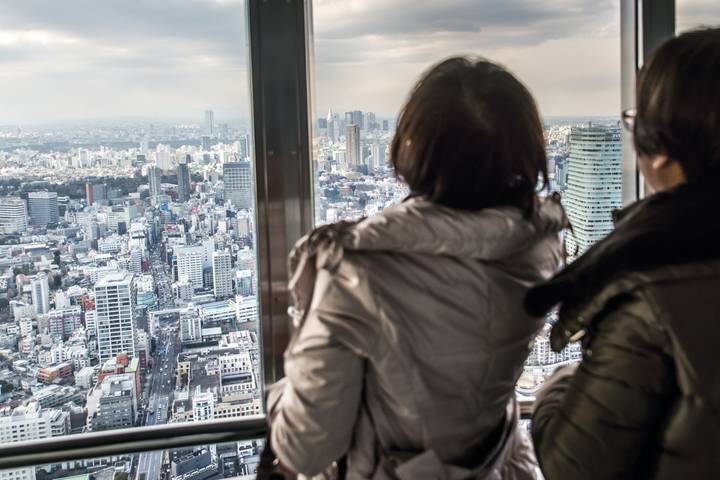
Shibuya Crossing is viewed from the bus, so don’t expect time to join the crossing on foot during the guided stop. Meiji Shrine offers a different mood, with a forest setting set apart from the city streets. Then comes Tokyo Skytree, where admission to the Tembo Deck at 350 meters is included. If weather limits access, the tour offers another city viewpoint instead.
Sensoji Temple and Nakamise Street bring the group into Asakusa, one of Tokyo’s best-known temple areas. The return route passes Akihabara, the center of manga and anime culture, and Ginza. These are drive-bys, not dedicated visits, so save time on your own if either district is high on your list.
In the evening, you take the subway with your guide to Shinjuku, walk through the neighborhood and have dinner at a local restaurant. The subway fare and dinner are included. This is a good chance to see Tokyo after dark without having to navigate the rail system alone on your first full day.
The scope is impressive, but the day is tightly packed. You will see many landmarks, not spend hours at each one. Past departures have praised guides including David Solanes, Michiko Hachhijyo, Ken Estevez Igarashi and Kiko. Guides can change, and some departures may use bilingual English and Spanish explanations.
You can also read our reviews of more tours and experiences in Tokyo
Kyoto by bullet train and temple
Day three starts early with the bullet train to Kyoto. The journey takes just over two hours for nearly 500 kilometers, an efficient change of scene that would take far longer by road. The train ride is a practical highlight in its own right, and it gives you a taste of Japan’s high-speed rail system without needing to plan a separate ticket.
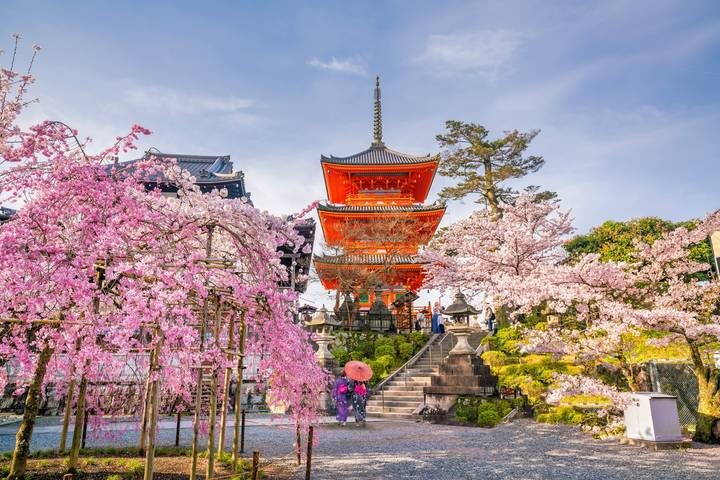
Kyoto’s sightseeing includes Fushimi Inari Shrine, the Imperial Palace and Kinkakuji, the Golden Pavilion. The schedule gives you a broad introduction to the city’s major landmarks, but not the time to explore every temple district at leisure. Kinkakuji’s gold-covered pavilion and gardens are especially photogenic, though the visit is likely to be shared with other sightseers.
The day also includes a stroll through Gion, Kyoto’s traditional district associated with geisha culture. You then have free time, a welcome chance to choose a meal or wander at your own pace. Keep expectations realistic: Kyoto has enough temples, lanes and gardens to fill several days, and this visit is an overview.
Nara’s Buddha, deer and an ancient temple
On day four, the coach takes you from Kyoto to Nara. Todaiji Temple, built in 752, houses a giant Buddha statue and is the day’s central sight. Nara Park’s deer roam freely around the grounds, and you have time to see them up close. They are part of the setting, but remember you are sharing a public park with animals, not visiting a petting zoo.
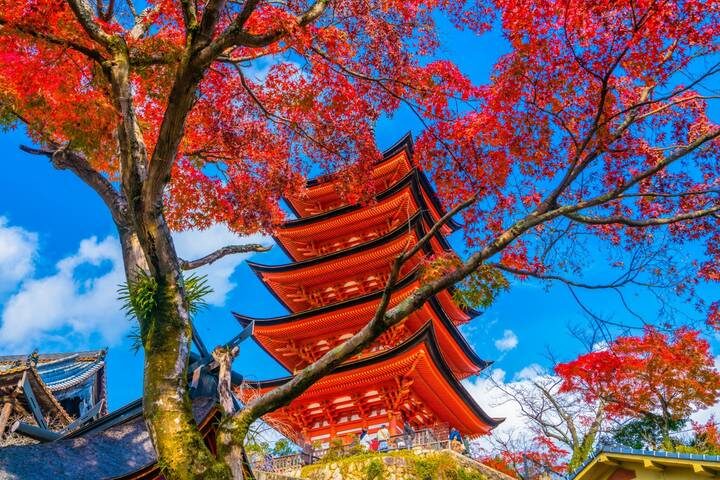
Lunch is included before the group continues to Horyu-ji. Its temple buildings and central pagoda are among the oldest wooden structures in the world, making this a valuable stop for anyone interested in early Japanese Buddhism and architecture. The visit also broadens the day beyond Nara’s best-known temple and deer.
The coach then continues to Osaka for an evening visit to Dotonbori, a lively dining and entertainment district. It is a useful place to get a first look at Osaka’s food scene, though this is a group visit rather than a full evening to plan independently. You stay overnight in Osaka.
Himeji Castle and Okayama Garden
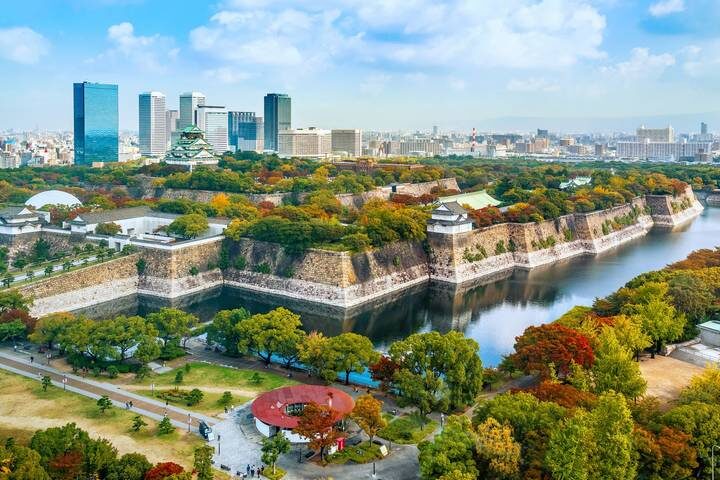
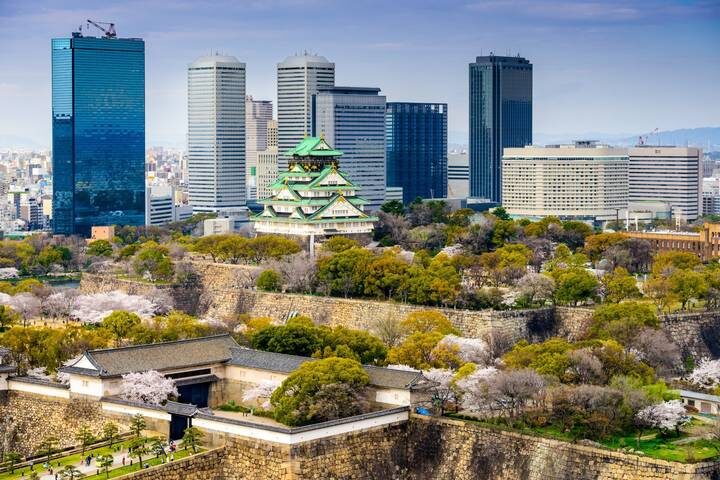
Day five brings one of Japan’s most striking castle complexes. Admission to Himeji Castle is included, and the site gives you a close look at traditional Japanese defensive architecture. Allow time for stairs and walking around the grounds, even though the tour is described as low intensity.
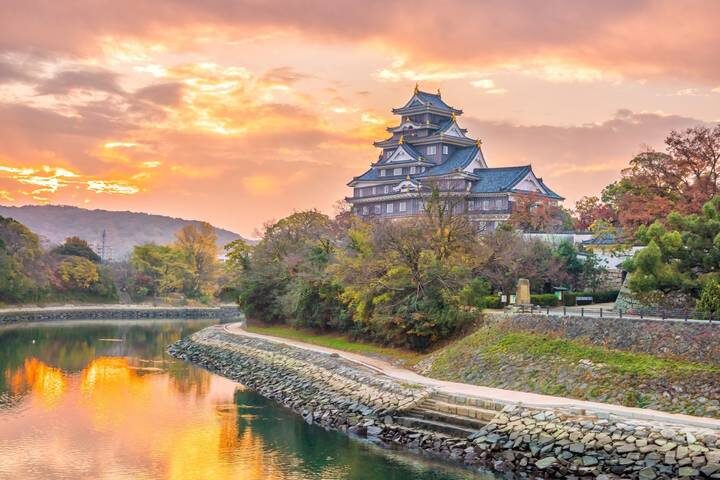
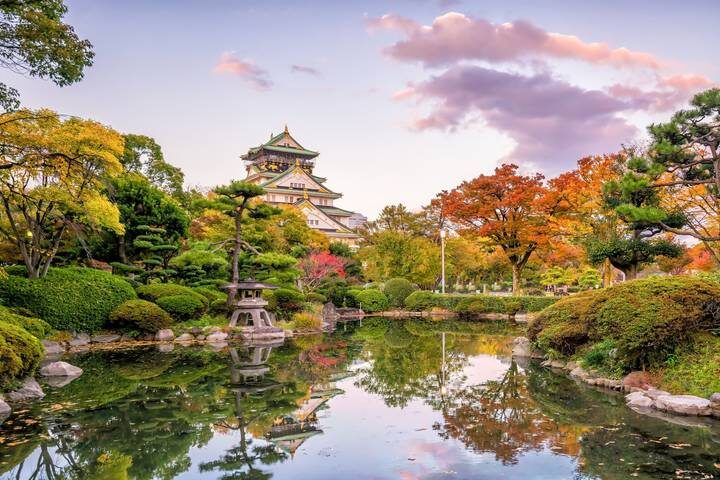
After lunch at a local restaurant, you travel to Okayama for Korakuen Garden. Its lakes, waterfalls and teahouses offer a calmer change of pace after the castle. A pedestrian bridge connects the garden area with Okayama Castle, rebuilt in 1966 after wartime destruction. The outside view is included, but entry to the castle interior is not.
There is free time in Okayama, a provincial city with more than 700,000 residents. On some dates, accommodation may be in Fukuyama or Kurashiki instead, and the timing of the Kurashiki visit can shift. This is one reason to avoid making tight independent plans around the exact evening schedule.
Hiroshima, Kurashiki and Miyajima
Day six begins in Kurashiki, where the preserved historic center is made for an unhurried walk. The stop offers a different scale from Tokyo and Osaka, with time to appreciate the older streets before the route continues to Hiroshima.
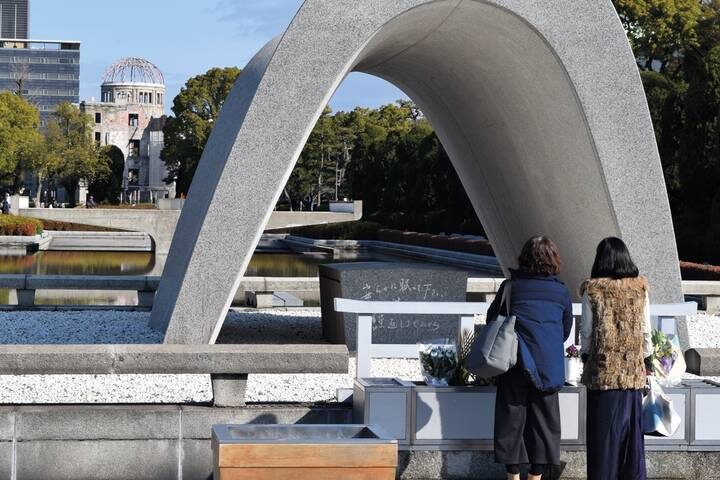
Hiroshima’s Peace Memorial Park, Atomic Bomb Dome and Peace Memorial Museum are the most emotionally demanding part of the trip. The museum gives essential context to the bombing of 1945, while the park and Dome make the history visible in the city itself. The pace here matters: take time to read and reflect, and be prepared for a serious visit rather than a conventional sightseeing stop.
The group then takes a ferry to Itsukushima Island, commonly known as Miyajima. Itsukushima Shrine is partly built over the water and is dedicated to the guardian of the seas. You have time to visit the shrine, walk around the town center and have lunch before returning to Hiroshima. The day’s order may change, so the Hiroshima and island visits might not follow this exact sequence.
Dinner is included at the Hiroshima hotel. The tour ends after breakfast the next morning, with no departure transfer specified. If you plan to fly or take a train onward, arrange that separately and leave enough time for your own connection.




Hotels, meals and what the price covers
Prices start at $2,351, based on the cheapest room, but the actual fare depends on departure date and room choice. The cost covers seven days of touring, hotels, the listed transport, basic travel insurance, buffet breakfasts and a number of meals and admissions. Flights are not included, and optional activities or other services are extra.
The hotels are in the four-star category, but the operator describes them as selected for quality, price and location rather than luxury. Possible stays include Shinagawa Prince, Tokyo Dome or Moxy Tokyo Kinshicho in Tokyo; New Miyako or Miyako Kyoto Hachijo in Kyoto; and Candeo, Holiday Inn Express or Moxy in Osaka. In Okayama and Hiroshima, named options include Gran Via, Daiwa Roynet, ANA Crowne Plaza and Hilton Hiroshima.
Rooms have private bathrooms and TVs, while size and bed standards can vary between properties. Hotels are in the cities visited, generally with public transport nearby, though not all are in the center. Past guests have praised hotel comfort, cleanliness and location, with the Hiroshima Hilton especially remembered as a highlight.
Meals are a mix of included and independent dining. Buffet breakfast is included, along with two dinners and several lunches in the detailed schedule. There is a discrepancy in the meal information: the included-services summary lists three lunches, while the daily plan also names lunch in Hiroshima on day six. Confirm the exact meal inclusions for your selected departure before booking.
Coaches, group size and daily pace
You will use several kinds of transport: a shared airport shuttle on arrival, Tokyo subway, bullet train, coaches and a ferry to Miyajima. Coaches are standard tourist vehicles with air conditioning and reclining seats, but seats cannot be reserved and there is no formal rotation system. Free Wi-Fi is limited and depends on the coach and destination, and not every coach has a toilet. Scheduled service-area stops provide restroom breaks.
Group size can range from 2 to 72. That is a wide range, so the feel of the trip may vary considerably by departure. The tour is presented as fully guided in English, but guides may change, and some departures use bilingual English and Spanish service. If a single-language group matters to you, ask before booking.
The low-intensity rating should not be mistaken for a no-walking holiday. Tokyo’s sightseeing, temple grounds, castle visits and station transfers involve time on your feet. The overall rhythm is busy, and the coach can feel cramped on longer drives. Pack comfortable shoes and keep a small day bag handy.
Who gets the best value from this route?
I’d choose this tour if it is your first visit to Japan and you want a guided introduction to the big historical and cultural sights without organizing each transfer yourself. It is especially practical for families or mixed-age groups who value a set plan, included transport and a range of hotels. The group is open to all ages, and the operator has carried passengers from young children to older adults.
It is less suited to anyone who wants long stays in each city, a quiet pace or time to build a personal list of neighborhood discoveries. You get only one night in Kyoto, Osaka, Okayama and Hiroshima, and the schedule prioritizes coverage over depth. For a slower trip, add extra nights before or after the tour; Tokyo and Hiroshima are the natural places to consider based on where it starts and ends.
Should you book this Japan tour?
Book it if you want a well-organized, fast-moving route through Japan’s major sights, and you like having transport, hotels and many admissions handled for you. The strongest value is the range: Tokyo’s city contrasts, Kyoto’s temples, Nara’s Buddha, Himeji Castle, Hiroshima’s memorial sites and a Miyajima ferry trip all fit into one week.
Skip it if you want to linger, choose every meal and spend several days in each city. Before paying, check the exact hotel, group-language arrangements and meal inclusions for your departure. If those details suit you, this is a useful first taste of Japan, with enough variety to help you decide where to return.
Tokyo, Kyoto and Hiroshima 7-Day Tour by Europamundo (2026-27 Departures)
“I really enjoyed our visit to the Toyota Museum. So many great old cars. Must be worth a fortune”
FAQ
Where does the tour start and finish?
The tour starts in Tokyo and ends in Hiroshima. The final morning includes breakfast, after which the tour is over.
Is an airport transfer included?
Yes. A shared shuttle bus takes you from the Tokyo airport to your hotel on day one. No departure transfer from Hiroshima is specified.
Are flights included in the price?
No. Flights are not included.
What transportation is used during the tour?
The tour uses a shared arrival shuttle, Tokyo subway, bullet train, coaches and a ferry between Hiroshima and Itsukushima Island. Coach travel is used for several legs between cities.
Is the Tokyo Skytree admission included?
Yes. Admission to the Tembo Deck at 350 meters is included. Access to floors above the Tembo Deck costs extra, and bad weather or other exceptional conditions may limit access.
Which meals are included?
Buffet breakfasts are included, along with two dinners and several lunches in the daily schedule. The meal totals differ between the general inclusions and the day-by-day details, so confirm the exact count for your departure.
What hotels might I stay in?
Tokyo options include Shinagawa Prince Hotel, Tokyo Dome Hotel or Moxy Tokyo Kinshicho. Other named hotels include New Miyako or Miyako Kyoto Hachijo in Kyoto, and Hilton Hiroshima or ANA Crowne Plaza Hiroshima in Hiroshima. The exact hotel can vary.
Is the tour conducted in English?
English-language guiding is offered. Guides may change during the trip, and some departures may be operated bilingually in English and Spanish.
How large can the group be?
The stated group size ranges from 2 to 72 people.