Ginza fu-de makes calligraphy a hands-on craft, not just a demonstration. You choose your brush and other tools, practice Japanese characters with staff, then create a fan and a shikishi board to take home. It is a good way to try a traditional art without needing to read or write Japanese.
I like two things in particular: the freedom to choose from hundreds of tools gives the session a personal start, and the finished pieces are useful souvenirs rather than a photo of someone else’s work. English-speaking staff offer step-by-step help, and participants have praised instructors Saki and Kheira for their patience and encouragement.
The main consideration is that calligraphy takes a steady hand, and ink can stain clothes. You may also find that a complicated character is harder to write than it looks, so wear something you do not mind getting messy and let the first practice sheet be practice.
- What makes this Ginza calligraphy session different
- Choosing a brush sets the tone
- Practicing kanji with English-speaking staff
- Turning practice into a fan and shikishi board
- A Japanese-style room for photos and a closer look
- The chopstick workshop downstairs
- What the .09 starting price covers
- Getting to Ginza fu-de and planning your visit
- Who will enjoy this workshop most
- Should you book the Ginza calligraphy experience?
- FAQ
- Where is the calligraphy workshop?
- How do I get to Ginza fu-de?
- Is the workshop suitable for beginners?
- What can I write during the class?
- What will I make and take home?
- Are the calligraphy tools and materials included?
- Is there anything else in the building?
- What should I know before attending?
- The Best Of Tokyo!
- More Tours in Tokyo
- More Tour Reviews in Tokyo
- Not for you? Here's more nearby things to do in Tokyo we have reviewed
What makes this Ginza calligraphy session different
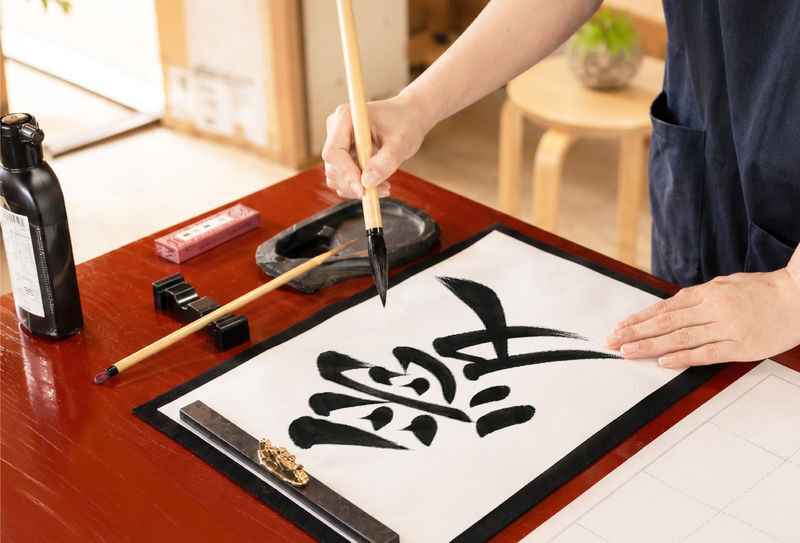
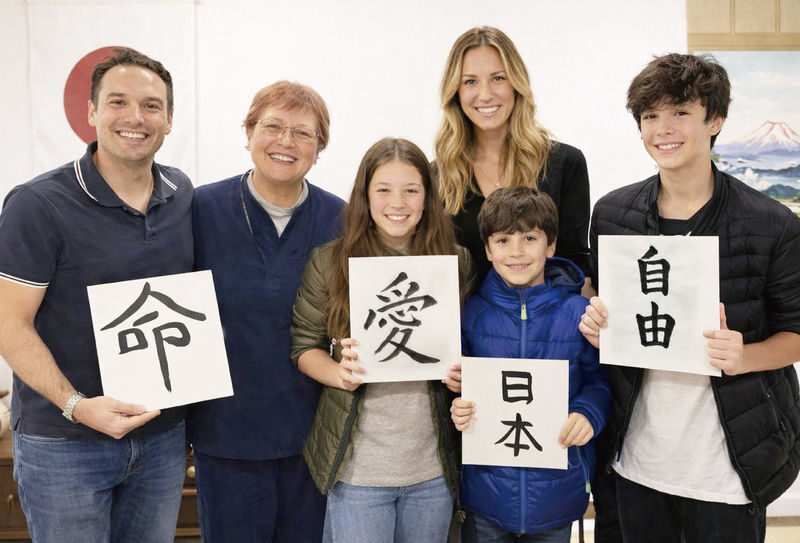
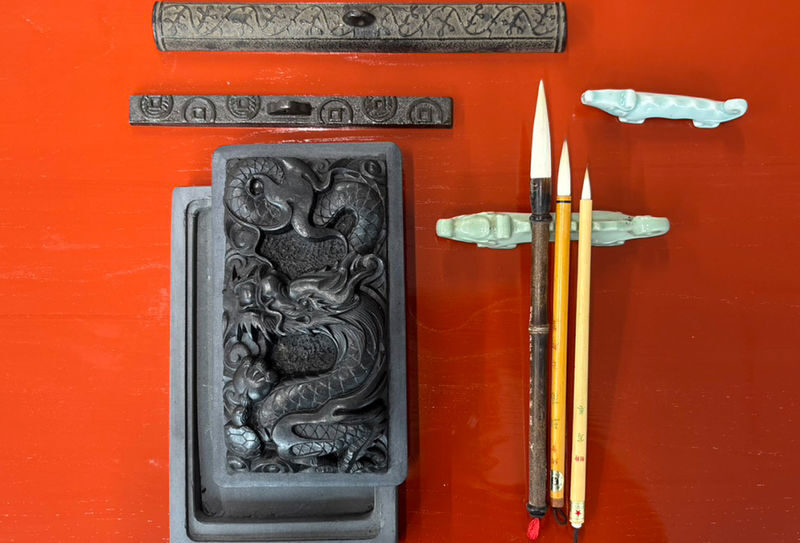
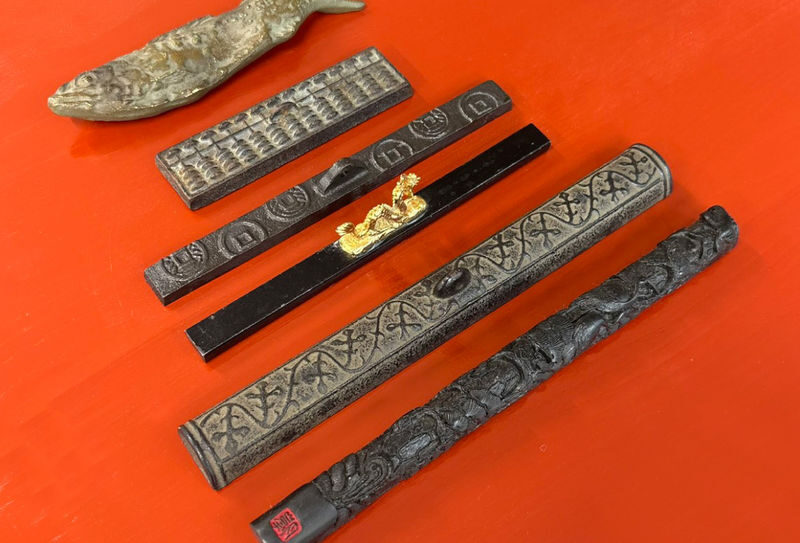
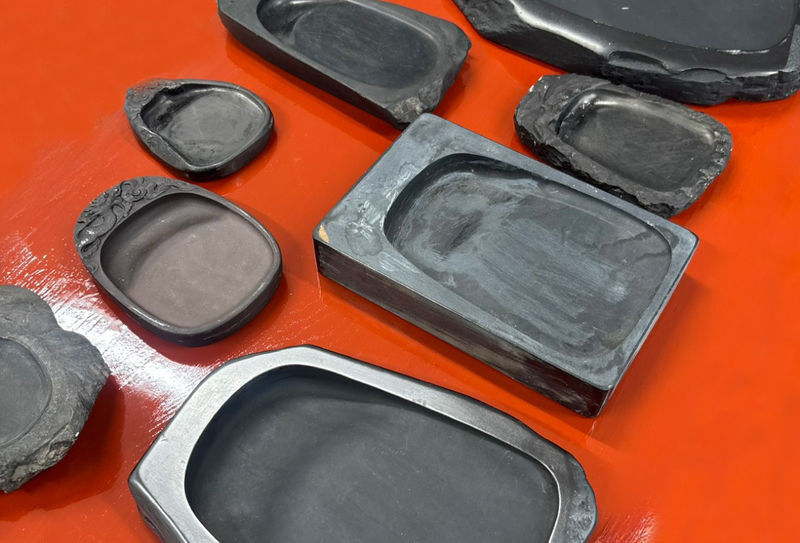
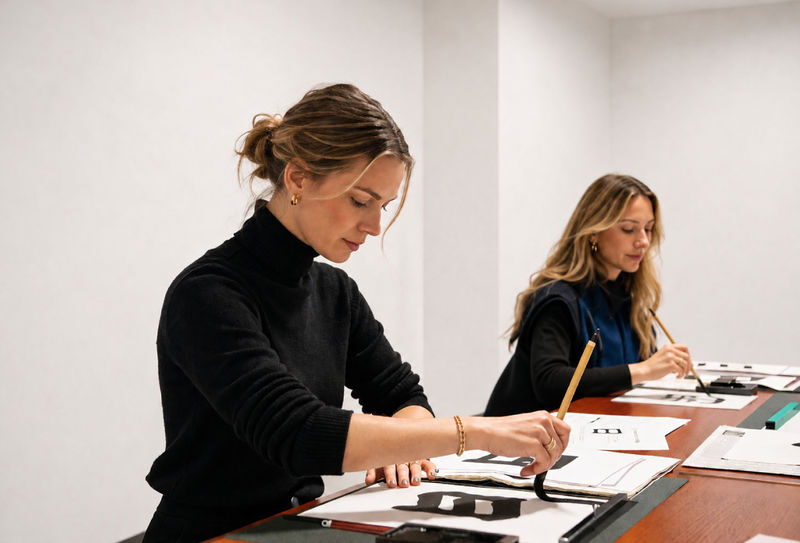
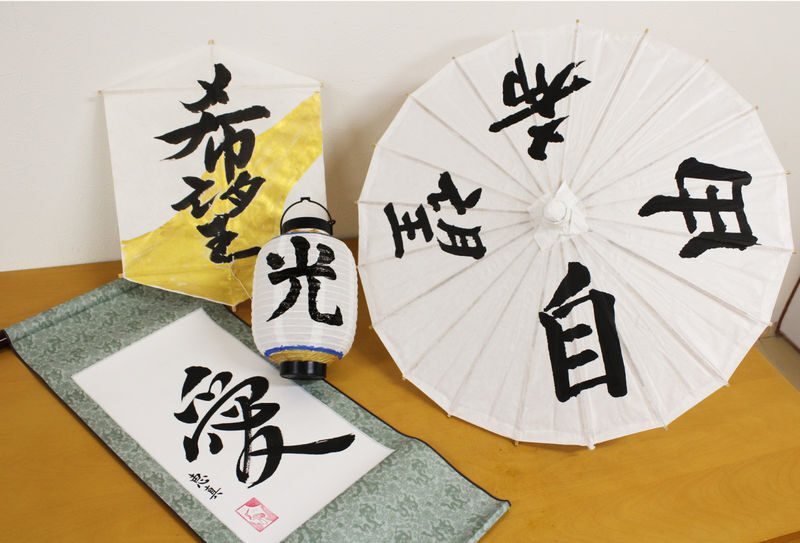
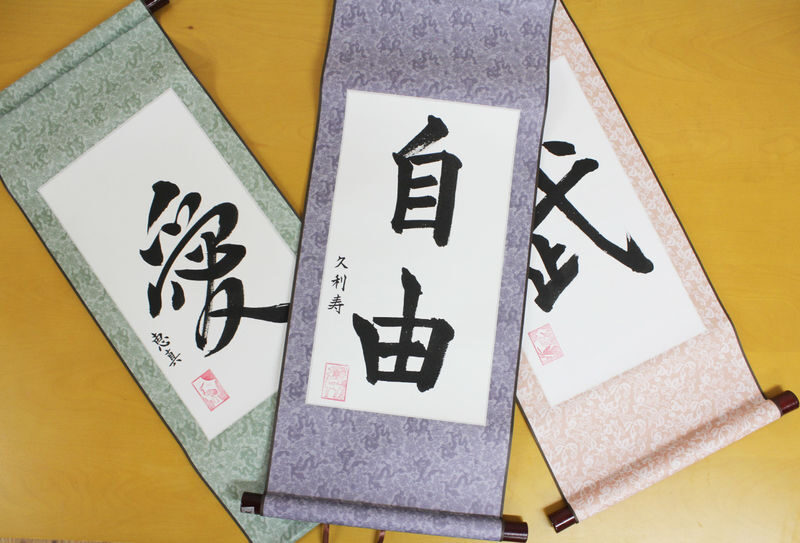
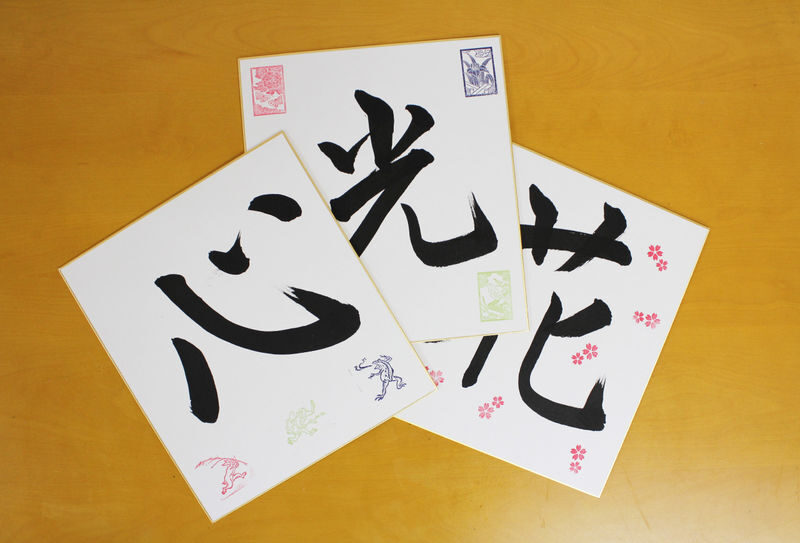
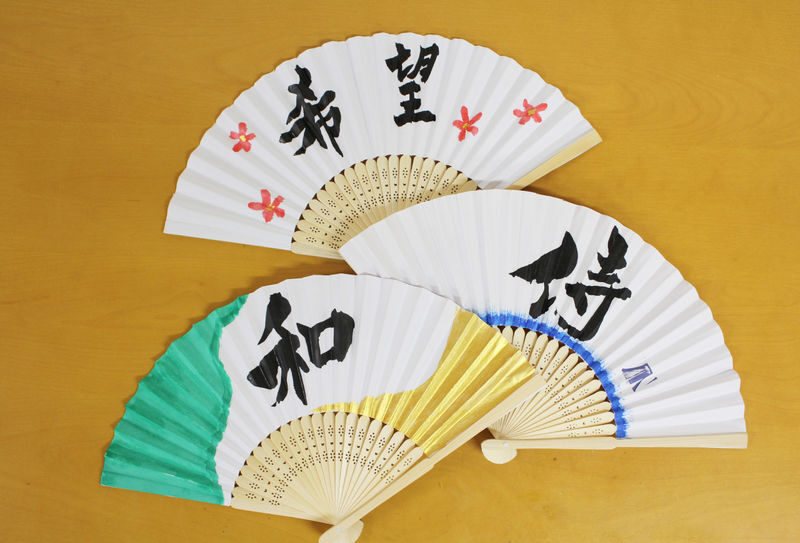
- Choose your tools first: Pick from a wide selection of brushes, inkstones, and other calligraphy tools before you begin.
- Practice before making your keepsakes: Learn basic brush technique and try kanji or your name on traditional paper.
- Finish two take-home pieces: Create a design on an uchiwa hand fan and a shikishi board, using colored ink and stamps.
- Get English-language guidance: Staff explain the process and help you work through unfamiliar brush movements.
- Take photos in a Japanese-style space: The room features art by Shiko Munakata and offers a setting for commemorative pictures.
- Add another craft nearby: A handmade chopstick workshop is on the first floor of the same building.

👉 See our pick of the 25 Best Guided Tours In Tokyo
Choosing a brush sets the tone
The session begins at Ginza fu-de, on the sixth floor of the GINZA-2 Building. Rather than handing you one standard brush and asking you to copy a model, the workshop lets you choose from hundreds of tools. That small decision can make the experience feel more like your own project from the start.
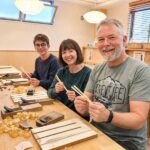
You can select a brush, inkstone, paperweight, brush rest, and water dropper. These are provided for use during the workshop, along with ink and practice paper. If you are new to calligraphy, the selection may seem like a lot at first, but the point is not to arrive with technical knowledge. Staff are there to help you get set up.
I like that choosing tools gives you a quiet introduction to the materials before the writing begins. You can notice the shape and feel of a brush, then move into practice with some sense of how the tools fit together. It also gives you a chance to make the experience personal without needing to invent an elaborate design.
This is a beginner-friendly class, but beginner-friendly does not mean every stroke will come out neatly on the first try. Brush pressure and movement take practice. Treat the early attempts as part of the activity, not as failed versions of the final piece.
You can also read our reviews of more tours and experiences in Tokyo.


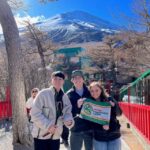
Practicing kanji with English-speaking staff
Once you have your tools, staff teach basic brush techniques and guide you through practice on traditional paper. You can work on kanji or your name in Japanese. The instruction is offered in English, which makes the process easier to follow if you do not know Japanese or have never used a calligraphy brush.
The practice stage is where you can test how the brush responds and get used to making deliberate strokes. If you choose a more complex character, expect it to take concentration. One participant who chose a difficult symbol found the challenge worthwhile, and noted that instructors can guide your hand at the beginning if you are having trouble.
That kind of help matters. A calligraphy lesson can quickly become frustrating if you are left to guess how to hold the brush or move it across the page. Here, step-by-step instruction keeps the session accessible, while still leaving room for you to make your own choices.
Saki and Kheira are among the instructors named by people who have taken the class. Their patience and encouragement are part of the appeal, especially if you are worried about making a mistake. The useful reminder is simple: the work does not need to be perfect. Calligraphy is about the stroke you make, not just a flawless result.
Turning practice into a fan and shikishi board
After practicing, you move on to the pieces you will take home: an uchiwa, or Japanese hand-held fan, and a shikishi board. You can use colored ink and stamps to personalize your work. This changes the session from a basic brush lesson into a small design project.
The fan is a particularly practical keepsake. It has a clear use beyond the workshop, and your calligraphy gives it a personal touch. The shikishi board offers a different surface for your finished design, so you leave with two pieces rather than having to choose between a functional souvenir and a display item.
The best approach is to keep your design manageable. You can practice the character or name first, then decide how to use color and stamps on the final pieces. The supplies are included, so you do not need to bring your own ink or paper. The emphasis is on making something yourself, not on producing a museum-grade work of art.
There is no need to be fluent in Japanese to take part. You can choose to write your name or kanji, and staff provide instruction in English. If you have a particular character in mind, remember that the physical challenge may depend on how complex it is. A simpler choice can leave more room to focus on brush control and the finished design.
A Japanese-style room for photos and a closer look
The workshop space is decorated in a Japanese style and includes art by Shiko Munakata. That setting adds atmosphere to the activity and gives you a fitting place for commemorative photos with your work. The photos are a nice extra, but the main souvenir is still the art you make yourself.
The room gives the session a cultural context without asking you to spend the whole time watching a talk or presentation. You are there to handle the tools, learn basic technique, and make something. For a short activity in central Tokyo, that balance is useful: you get a taste of a traditional practice and leave with a tangible result.
Calligraphy can also be a calmer change of pace from shopping or sightseeing in Ginza. It asks you to slow down and pay attention to each mark. That may suit you especially well if you want an activity that is hands-on but does not depend on physical exertion.
The chopstick workshop downstairs
Ginza fu-de is on the sixth floor, and a handmade chopstick workshop occupies the first floor of the same building. This is a convenient detail if you are interested in another Japanese craft, though the chopstick activity is separate from the calligraphy session.
You could consider pairing the two on the same day, but allow for the fact that they are distinct workshops and have their own arrangements. The calligraphy booking includes the calligraphy materials and take-home artwork; transport is not included. The building’s location makes it easy to reach by public transit, so there is no need to build the day around a long trip across Tokyo.




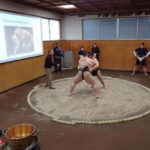

What the $25.09 starting price covers
The price starts at $25.09. For that, the calligraphy experience includes staff instruction, English-language support, use of the brush and related tools, ink and practice paper, a shikishi board, an uchiwa fan, colored ink, stamps, an original tote bag, and a chance to take commemorative photos.
That is solid value if you want more than a quick demonstration. You get time to practice, make two pieces, and bring them home the same day in a complimentary tote. The experience is also a practical option for a family or a couple looking for a creative activity, since participants can be as young as three.
The value depends on what you want from a cultural activity. If you are hoping for an in-depth history lesson or advanced calligraphy training, this is not described as that kind of class. It is a guided introduction, focused on trying the tools and producing a personal design. If you want a low-pressure way to make something by hand, the included materials and finished pieces make the price easier to justify.
Getting to Ginza fu-de and planning your visit
The address is Ginza fu-de, 6F, GINZA-2 Building, 2-9-13 Ginza, Chuo City, Tokyo. From Ginza-itchome Station, use Exit 11 and walk about one minute. From Ginza Station, Exit A13 is about a three-minute walk, and Yurakucho Station is about five minutes away.
When you arrive, go directly to the sixth floor for calligraphy. The chopstick-making workshop is on the first floor, so do not confuse the two locations within the building. Transport is not part of the activity.
Wear clothes that can tolerate a little ink. The workshop notes that clothing may get dirty, and that is worth taking seriously when working with brushes and colored ink. The activity is open to people aged three and older. The voucher is valid only for the date and time specified, and cancellations made at least 24 hours before the activity receive a full refund.
Who will enjoy this workshop most
This is a strong fit if you want a creative souvenir, like trying a traditional art with clear guidance, or need an activity that can work for a range of ages. It is also a good choice if you are curious about Japanese writing but do not have the language skills to join an instruction-only class.
It suits people who are comfortable with a little trial and error. You will make practice marks before producing your final pieces, and a complicated character can demand patience. If you need every activity to be polished and predictable, that learning curve may be less appealing. If you can laugh at a crooked stroke and try again, it is part of the fun.
I would book it for the chance to choose tools, get direct instruction, and bring home two handmade pieces at a reasonable starting price. Just arrive ready to focus, wear clothes you can risk staining, and do not ask your first brushstroke to be perfect.
Should you book the Ginza calligraphy experience?
Book this if you want an approachable, hands-on cultural activity in central Tokyo, especially if the idea of making your own fan and shikishi board appeals to you. The English-speaking support, tool selection, and patient guidance make it welcoming for beginners, and the artwork gives you a souvenir with a personal story.
Skip it if you are looking for an advanced lesson, a long historical presentation, or an activity that keeps your hands clean. For most first-time calligraphy learners, though, this offers a pleasant balance of instruction, choice, and something useful to carry home.
Tokyo: Customizable Calligraphy in Ginza | 7/9 New Open
“The experience was great and fun, we really enjoyed the drawing process!”
FAQ
Where is the calligraphy workshop?
It is at Ginza fu-de, on the sixth floor of the GINZA-2 Building at 2-9-13 Ginza, Chuo City, Tokyo.
How do I get to Ginza fu-de?
From Ginza-itchome Station, take Exit 11 and walk about one minute. From Ginza Station, use Exit A13 for a walk of about three minutes. Yurakucho Station is about five minutes away.
Is the workshop suitable for beginners?
Yes. Staff teach basic brush techniques and provide step-by-step instruction, with English-speaking support.
What can I write during the class?
You can practice kanji or your name in Japanese.
What will I make and take home?
You will make a calligraphy design on an uchiwa hand fan and a shikishi board. The experience also includes an original tote bag for taking your artwork home.
Are the calligraphy tools and materials included?
Yes. Brush, inkstone, paperweight, brush rest, water dropper, ink, practice paper, colored ink, and stamps are included for the activity.
Is there anything else in the building?
A handmade chopstick workshop is on the first floor. The calligraphy workshop is on the sixth floor.
What should I know before attending?
Participants must be aged three or older, and clothing may get dirty. Transport is not included, and the voucher is valid only on the specified date and time.