A pair of chopsticks can look simple until you try to make one. In this one-hour Asakusa workshop, you shape, plane, and polish your own pair by hand, learning how small choices in wood and finish affect something you use at the table every day.
I like two things here: you leave with a useful souvenir you made yourself, and the work comes with a bit of cultural context, not just a set of tools and a task. Instructors including Yuka and Tomo have been singled out for patient explanations, which matters if this is your first time working wood.
One consideration: the workshop is in a small space, and the basic price starts at $12.65, while wood upgrades and name engraving can cost extra. Check what your chosen package includes before you book.
- The useful details at a glance
- A craft lesson, not just a souvenir stop
- Choosing wood and working toward your own finish
- Patient teaching makes the hour work
- One hour in Asakusa, with no transport included
- What the price buys, and where extras enter
- Who will enjoy making a pair
- Should you book the Asakusa chopstick workshop?
- FAQ
- How long does the chopstick-making experience last?
- Where does the workshop take place?
- What is included in the starting price?
- Are wood upgrades and engraving included?
- What time can I book?
- Is there an age limit, and can I bring a pet?
- The Best Of Tokyo!
- More Tours in Tokyo
- More Tour Reviews in Tokyo
- Not for you? Here's more nearby things to do in Tokyo we have reviewed
The useful details at a glance
 1 / 5
 2 / 5
 3 / 5
 4 / 5
 5 / 5
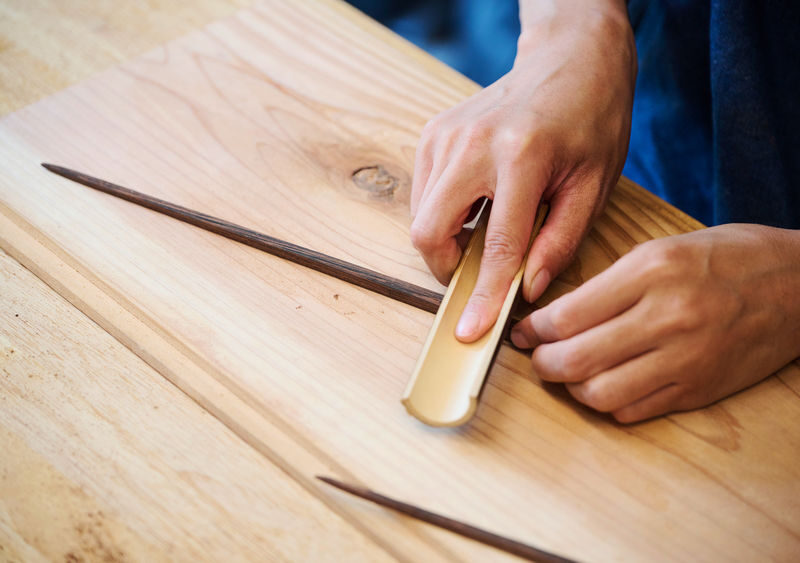
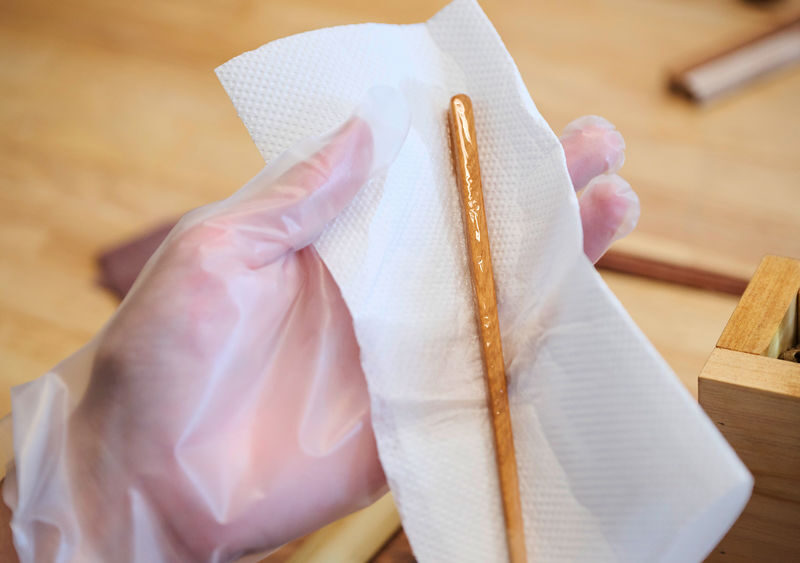
- Shape the chopsticks by hand: You learn to shape, plane, and polish your pair using Japanese woodworking tools.
- Choose from three basic woods: A choice of materials gives you a chance to consider how wood affects the feel and finish.
- Get cultural context as you work: The instructor explains chopstick styles and the craft behind them.
- Leave with something practical: Your finished pair is a personal keepsake you can use at home.
- Plan for one focused hour: Sessions are offered at hourly departure times from 09:00 through 18:00.
- Budget for optional extras: Upgraded wood and Japanese name engraving may cost more than the starting price.

👉 See our pick of the 25 Best Guided Tours In Tokyo
A craft lesson, not just a souvenir stop
Asakusa is one of Tokyo’s traditional neighborhoods, and this workshop offers a different way to spend time there. Rather than only looking at historic streets and shopfronts, you sit down with a local artisan and make something using your hands.
The project is approachable for beginners. You do not need woodworking experience to take part: the instructor guides you through shaping, planing, and polishing. The work is practical and focused, with each step contributing to a finished pair of chopsticks.
That hands-on element is the point. You get to see that a familiar object is not simply a stick of wood cut to length. The shape, smoothness, and finish take care, and a little time with the tools can change how you look at the chopsticks you use at meals.
The session also includes an explanation of Japanese chopstick culture. You learn that chopsticks differ in shape and style across Japan, and hear about the choices artisans make as they work. The available information does not specify a full lesson plan, so expect cultural context woven into the making process rather than a long formal lecture.
You can also read our reviews of more tours and experiences in Tokyo.



Choosing wood and working toward your own finish
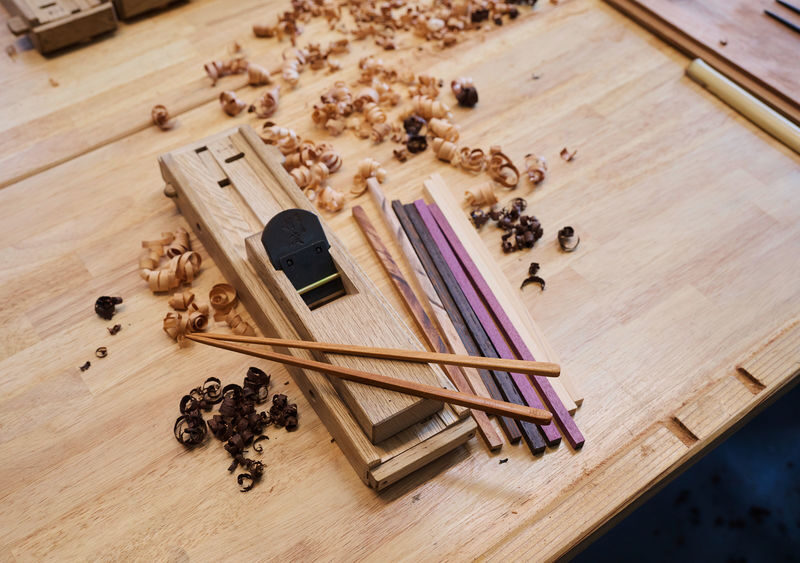
You can choose from three basic types of wood. The specific varieties are not named in the activity details, so ask the instructor about the options and their differences before settling on one. If material matters to you, this is a good moment to find out whether a wood choice affects appearance, feel, or price.
Upgraded woods are available for an additional fee, described by one participant as substantial. That does not mean an upgrade is necessary. The basic package is the lower-cost way to try the craft, while a premium material may appeal if you care more about the finished object than keeping the price down.
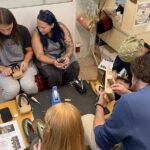
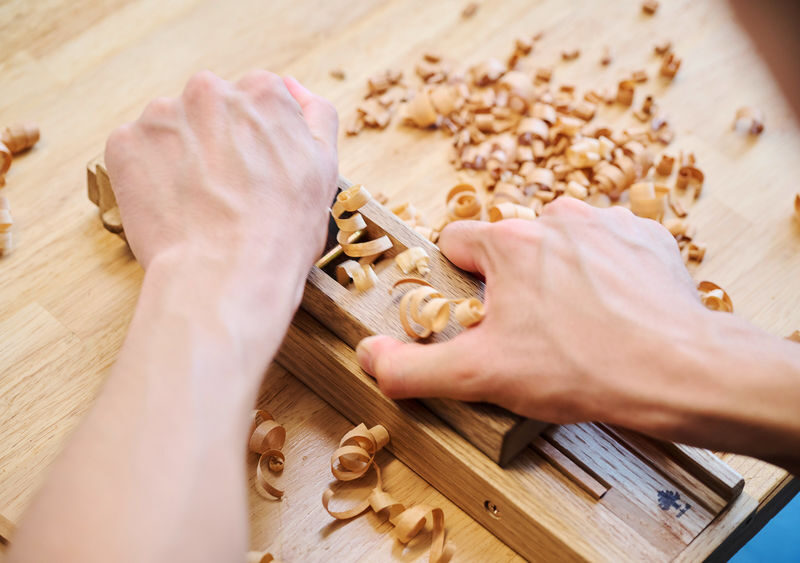
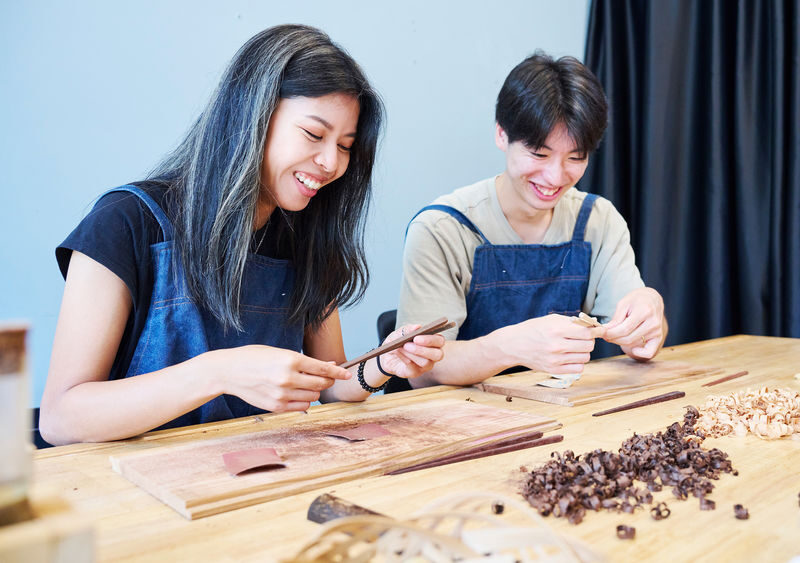
The process includes shaping, planing, and polishing. The goal is to create a smooth finish that suits your preferences, with the artisan showing you how to use the tools and helping you along. It is a small-scale craft lesson, so do not expect to produce a factory-perfect pair without guidance. The pleasure is in seeing the object take form under your own hands.
Name engraving may also be available for an extra charge. One family found Japanese name engraving worth the added cost, but it is optional, and the amount is not specified. Ask about the price before agreeing, especially if you are keeping to a firm budget.
Patient teaching makes the hour work
A short workshop succeeds or fails on the quality of its instruction. Here, the named instructors include Yuka and Tomo. Both have been praised for being kind and helpful, and Yuka was specifically noted for patient teaching and sharing the craft’s history.
That kind of guidance matters because the tools and movements may be unfamiliar. You want enough explanation to understand what you are doing, but not so much that the hour turns into a lecture. The session is designed for beginners, and the instruction helps make the work manageable.
It also makes the activity suitable for families looking for a shared project. A family can work side by side, learn a skill, and take home a reminder of the time together. There is no age limit listed, though children will still need to be comfortable taking part in a hands-on craft activity. The available details do not specify supervision arrangements, so confirm directly if you have questions about a young child’s participation.
The workshop space is described as small and tight. That is worth considering if you prefer room to spread out, but it also fits the focused, close-at-hand nature of the activity. If you are visiting with a group, keep in mind that a compact room may feel crowded when everyone is working at once.
One hour in Asakusa, with no transport included
The activity lasts about one hour at Hashiyuki Chopsticks Shop & Workshop, at 1-7-1 Misugi, Taito-ku, Tokyo. Transport is not included, so you need to make your own way to the address. The meeting point is the workshop itself.
You can select a start time from 09:00 to 18:00, subject to availability for the date and package you choose. Arrive five minutes before your selected time. Since the voucher is valid only on the specified date and time, treat the booking time as fixed rather than dropping in whenever convenient.
The short duration is useful if you want to fit a hands-on activity into a day of sightseeing without giving up half the day. It is also brief enough that you should not expect a full woodworking course. Think of it as an introduction: a guided craft, a little cultural explanation, and a finished pair to take away.
There is no meal or drink included, and you will need to cover personal expenses. Pets are not allowed. If your schedule is tight, leave enough time to reach the workshop rather than trying to arrive at the last minute.
What the price buys, and where extras enter
The starting price is $12.65 for the chopstick-making package. For that, you get admission to the workshop, an English-speaking guide, and an introduction to Japanese chopstick culture. At this price, the activity offers more than a decorative souvenir: you learn a process and finish with something functional.
The value depends on what you want from your Tokyo visit. If you only want the cheapest possible keepsake, you could find a simpler option elsewhere. But if you enjoy making things, or want a quiet activity with a local artisan, the opportunity to shape and polish your own pair makes the fee easier to justify.
Keep a little flexibility in your budget for optional choices. Upgraded wood can carry a substantial additional charge, and engraving also costs extra. The basic woods still provide a complete activity, so you can make the experience worthwhile without upgrading. Ask what each add-on costs before you choose, rather than assuming it is included in the starting price.
The booking has a full refund option if you cancel at least 24 hours before the activity date, using local destination time. Confirmation is expected within minutes; if it does not arrive, contact customer support. These details are especially useful for a timed, one-hour booking that cannot be used on another date or time with the same voucher.






Who will enjoy making a pair
I would put this on the list for anyone who likes small craft workshops, practical souvenirs, or cultural activities that involve doing rather than only watching. It is also a sensible choice for families wanting a shared activity, provided the group is comfortable in a compact workspace.
It suits curious beginners better than people seeking advanced woodworking instruction. You will get an introduction to hand-shaping and finishing, not a long technical course. If you already know woodworking, the appeal may lie more in the Japanese tools, chopstick traditions, and chance to make a small object with an artisan.
It is a good fit for a rainy-day or slower-paced slot, though the information does not promise any weather-dependent feature or change in the workshop itself. The schedule may change depending on traffic and weather conditions, so check your booking details if timing is important.
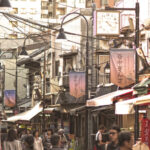
You might also choose it as a break from Tokyo’s larger sights. The workshop is in Asakusa, a district known for its traditional character, and one participant described the surrounding area as quieter than the busiest parts of Tokyo, with shopping nearby. That is a useful bonus, but the activity itself remains the main draw.
Should you book the Asakusa chopstick workshop?
Book it if you want an affordable, hands-on introduction to a Japanese craft and like the idea of bringing home something you made yourself. The patient teaching associated with instructors such as Yuka and Tomo, the choice of basic woods, and the cultural explanation give the hour more purpose than a quick souvenir purchase.
Think twice if you want a spacious studio, a long class, or a price with every customization included. The room is small, and premium materials or engraving can add to the cost. For most curious beginners, though, the basic session offers a clear, personal keepsake and a pleasant hour in Asakusa. Check the package details, confirm your time, and arrive five minutes early.
Tokyo: Asakusa Artisan Chopstick-Making Experience
“what a cool experience, the staff were great at explaining everything and Asakura is a beautiful quiet place with lots of shopping but way less peo…”
FAQ
How long does the chopstick-making experience last?
The guided workshop lasts one hour.
Where does the workshop take place?
It takes place at Hashiyuki Chopsticks Shop & Workshop, 1-7-1 Misugi, Taito-ku, Tokyo.
What is included in the starting price?
The package includes admission to the chopstick-making experience, an English-speaking guide, and Japanese chopstick culture.
Are wood upgrades and engraving included?
No. The starting package covers chopstick-making, while upgraded wood and Japanese name engraving may cost extra.
What time can I book?
Available start times are listed hourly from 09:00 through 18:00. Options depend on the date and package you select.
Is there an age limit, and can I bring a pet?
There is no age limit, but pets are prohibited.