In Asakusa, you can trade a stretch of Tokyo’s busy streets for a quiet room, a bowl of matcha, and a closer look at the Japanese Way of Tea. I like that you don’t just watch: you learn the ideas behind wa, kei, sei, jaku, then make your own tea. I also like the small-group format, which gives the ceremony room to feel personal rather than like a performance for a crowd.
One thing to plan for: socks are required in the tatami room, so wear a clean pair or bring some along. The ceremony is an introduction, not a full course in tea practice, and the exact host may vary. Hosts who have led sessions include Koriko, Youko, and Kioko, each of whom has shared cultural details and practical tea-making guidance.
- What Makes This Asakusa Tea Ceremony Worth Your Time
- A Quiet Room in the Middle of Asakusa
- Understanding Wa, Kei, Sei, Jaku
- Watching the Matcha Demonstration
- Whisking Your Own Bowl
- How Much the Session Is Worth
- Who Will Enjoy This Experience
- Socks, Booking, and Other Practical Notes
- Should You Book the Asakusa Tea Ceremony?
- FAQ
- Where does the tea ceremony take place?
- What is the starting price?
- Do I need experience making matcha?
- What will I do during the experience?
- Is the experience conducted in English?
- Are refreshments included?
- Do I need to wear socks?
- Can children attend?
- Can I cancel for a refund?
- The Best Of Tokyo!
- More Tours in Tokyo
- More Tour Reviews in Tokyo
- Not for you? Here's more nearby things to do in Tokyo we have reviewed
What Makes This Asakusa Tea Ceremony Worth Your Time
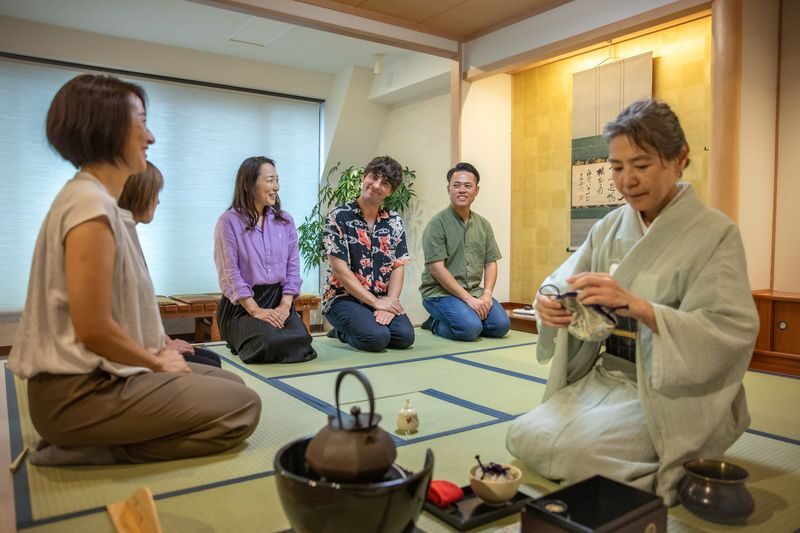
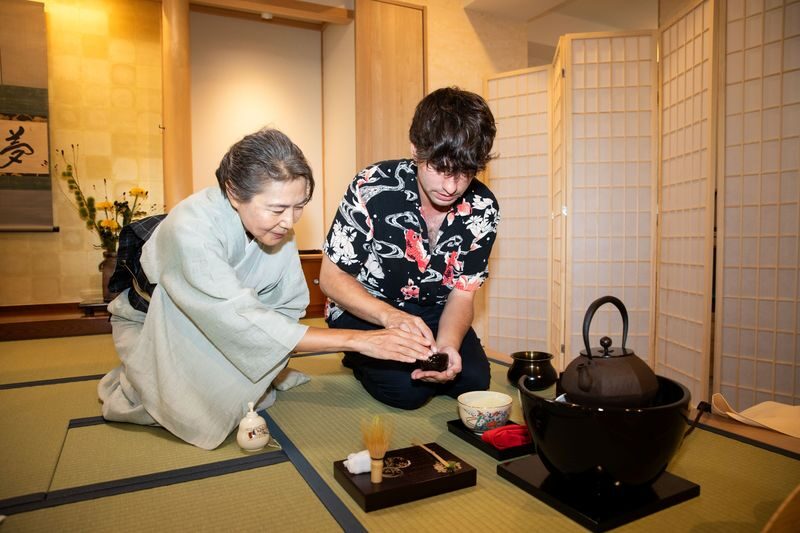
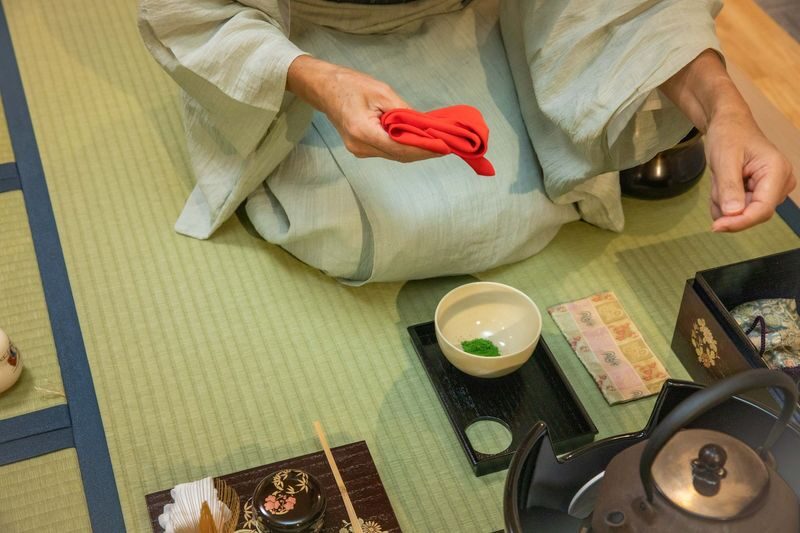
- You prepare your own matcha. After watching a demonstration, you use traditional tools to whisk a bowl under your host’s guidance.
- The four principles give the ritual context. Wa, kei, sei, jaku mean harmony, respect, purity, and tranquility, ideas that shape the ceremony’s gestures and mood.
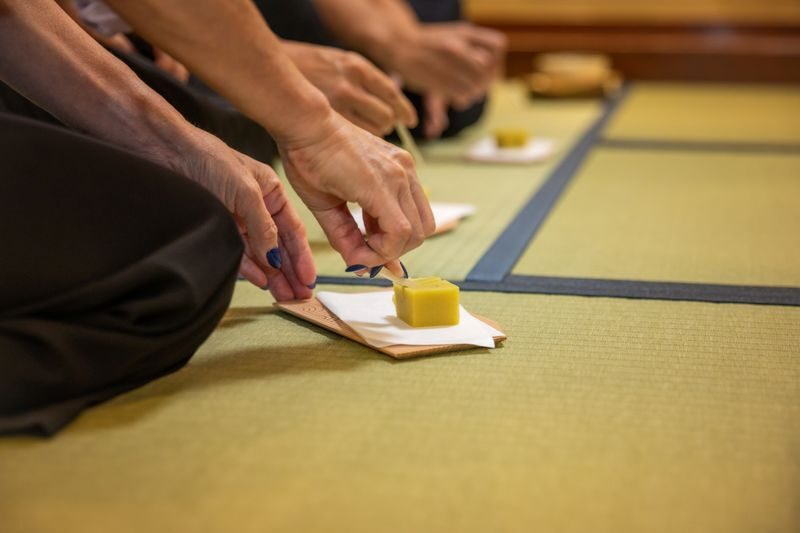
- Tea comes with seasonal Japanese sweets. The pairing gives you a taste of how sweets complement matcha, as well as a welcome pause during your day.
- The group is small. A calmer setting makes it easier to follow the demonstration and ask questions.
- Socks are part of the etiquette. The room has tatami mats made from natural materials, so covered feet help protect the floor.

👉 See our pick of the 25 Best Guided Tours In Tokyo
A Quiet Room in the Middle of Asakusa
The meeting point is Tokyo Tourist Lounge Asakusa, at Collection Kaminarimon Building, 5th floor, 2 Chome-18-15 Kaminarimon, Taito City. That puts the experience in the Asakusa area, but the room itself is meant to offer a change of pace from the city outside.
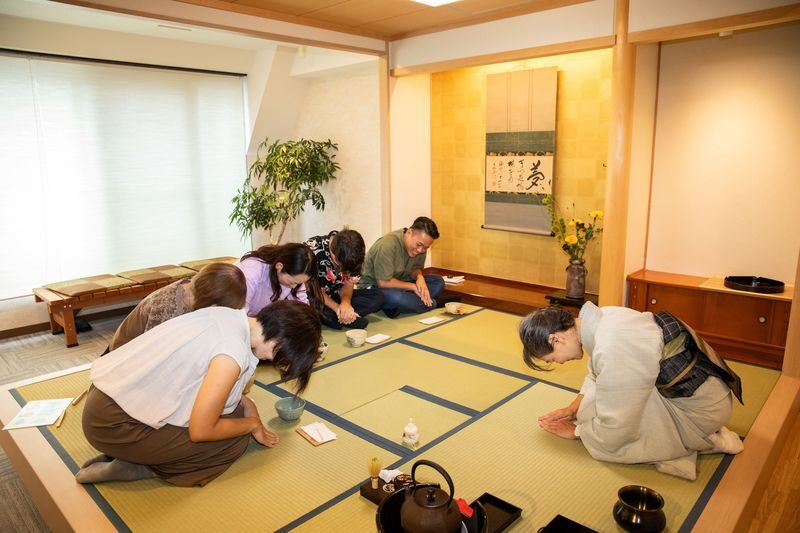
You meet your English-speaking host and staff, then settle into an intimate tea room. The setting matters: the ceremony is not simply a lesson in how to whisk green tea. The room, the tools, and the measured pace all help convey the care and attention that are part of Chado, the Way of Tea.
Come ready to sit, watch, and take part. The experience is designed for beginners, so you don’t need to know the rules or have tried matcha before. Curiosity is enough. The main bit of preparation is practical: wear socks, since the ceremony takes place on tatami.
You can also read our reviews of more tours and experiences in Tokyo.


Understanding Wa, Kei, Sei, Jaku
Before you make tea, your host introduces the principles behind the ceremony: harmony, respect, purity, and tranquility. These ideas can sound abstract in a book, but watching the host handle the tools and prepare a bowl gives them a more tangible setting.
The ritual’s pace is part of the lesson. Rather than treating matcha as a quick drink, the ceremony asks you to pay attention to the process and to the people sharing the room. That can make this a useful cultural introduction even if you have already seen tea ceremonies described in guidebooks.
The experience also gives you a chance to ask questions. You might hear about tea cultivation and production, different kinds of green tea, Japanese holidays, or phrases used in a tea ceremony. The specific conversation depends on your host, but the goal is to explain the customs around the tea, not just demonstrate a sequence of movements.
Watching the Matcha Demonstration
Your host first prepares matcha using traditional tools. Watching before you try it gives you time to see how the equipment is handled and how the steps fit together. The host explains what is happening, so you can follow along even if this is your first encounter with the ceremony.
Pay attention to the small details. The demonstration is a chance to see the motions and order before you take your turn, and to connect them with the principles introduced earlier. If you have questions about a tool or a gesture, this is a natural time to ask.
The hosts who have led sessions include Koriko, Youko, and Kioko. Their teaching has included Japanese phrases, cultural customs, tea production, and different types of green tea. Your host is not guaranteed to be one of these people, but the experience is set up around English-language guidance from a local host.
Whisking Your Own Bowl
After the demonstration, you prepare your own matcha with guidance. That hands-on turn is the heart of the experience: you move from watching a ceremony to taking part in one, using the same kind of traditional tools your host has just shown you.
No prior knowledge is needed, and the session is intended to be approachable for first-timers. You can focus on following the instructions rather than trying to get every detail perfect. The point is to understand the process and take part with care.
Then you taste the matcha with Japanese sweets. The pairing gives the lesson a pleasant finish, and the sweets offer a seasonal note alongside the tea. Refreshments are included, though the precise sweet is not specified, so don’t count on a particular item.
How Much the Session Is Worth
The Tea Group option starts at US$31.55. For that price, you get an English-speaking guide and staff, a live demonstration, a chance to prepare matcha yourself, and refreshments that include ceremonial tea and Japanese sweets.
I see the value less in the quantity of tea and more in the guided cultural context. If you only want to drink matcha, you can do that in many places. Here, you also learn what the ceremony’s principles mean, see the tools in use, and get a chance to try the preparation yourself. That makes it a reasonable short activity for a first visit to Japan, especially if you want a structured introduction without committing to an extended class.
It is still a focused experience. The supplied details don’t state a duration, and the session is not presented as advanced instruction. If you already know tea ceremony basics or want a long, formal study of Chado, you may want a more specialized class. For a first encounter, the combination of explanation, demonstration, and hands-on practice is the point.






Who Will Enjoy This Experience
This is a good fit if you’re curious about Japanese customs and want more than a quick photo or a cup of tea. First-time visitors should find the explanations accessible, and the small-group setting suits people who prefer a calmer cultural activity to a large, fast-moving tour.
Families can attend, too. Children aged 0 to 5 are free, but infants and children must still be included in the passenger headcount. The ceremony involves sitting in a tatami room and following instructions, so consider whether that format will suit the children in your group.
It may be less appealing if you are looking for a high-energy activity or a long list of sightseeing stops. This is one quiet indoor experience, centered on tea and cultural explanation. That still makes it a useful change of pace between time spent exploring Asakusa and the rest of Tokyo.
Socks, Booking, and Other Practical Notes
Wear socks, as they are required in the tatami room. The mats are made from natural materials, and covered feet help protect them. If you’re wearing sandals, bring a pair rather than assuming bare feet will be accepted.
Your meeting point is Tokyo Tourist Lounge Asakusa, Collection Kaminarimon Building, 5th floor. Present your mobile voucher, which is valid only for the date and time specified. Confirmation is normally sent within minutes; if it doesn’t arrive, contact customer support.
The stated cancellation terms allow a full refund if you cancel at least 24 hours before the activity date, using destination local time. Tips and gratuities are not included.
Should You Book the Asakusa Tea Ceremony?
Book this if you want a calm, beginner-friendly introduction to matcha and the ideas behind Japanese tea ceremony. The best reason to go is the balance of explanation and participation: you learn what the ritual represents, watch it performed, then prepare your own bowl.
Skip it if you want an advanced tea study, a long class, or an activity that moves around the city. For a first taste of Chado in Asakusa, though, the small group, English guidance, and hands-on tea making make this a thoughtful use of an hour or two in your Tokyo plans.
Tea Ceremony Experience in Asakusa Tokyo
“Our tea master was so lovely and sweet. I believe her name was Koriko. It was a really cool experience.”
FAQ
Where does the tea ceremony take place?
It meets at Tokyo Tourist Lounge Asakusa, Collection Kaminarimon Building, 5th floor, 2 Chome-18-15 Kaminarimon, Taito City, Tokyo.
What is the starting price?
The Tea Group option starts at US$31.55.
Do I need experience making matcha?
No. The session is designed for beginners, and your host guides you as you prepare your own bowl.
What will I do during the experience?
You’ll learn about Chado and its principles, watch a matcha preparation demonstration, make your own matcha with traditional tools, and taste it with Japanese sweets.
Is the experience conducted in English?
An English-speaking guide and English-speaking staff are included.
Are refreshments included?
Yes. Refreshments are included, including ceremonial matcha paired with Japanese sweets.
Do I need to wear socks?
Yes. Socks are required in the tatami room to help protect the mats.
Can children attend?
Children aged 0 to 5 are free, but infants and children must be included in the passenger headcount.
Can I cancel for a refund?
You can receive a full refund if you cancel at least 24 hours before the activity date, using destination local time.