Koyasan is more than a mountain temple stop. It is the center of Shingon Buddhism, with a small temple town, forest paths, and Kobo Daishi’s mausoleum all gathered high in Wakayama. This guided trip from Osaka gives you a day to get your bearings and see key sites without planning the rail connections yourself.
I like two things here: a guide meets you at your Osaka hotel, and the day links Okunoin with the temple complex at Danjo Garan, giving you both a forest walk and a look at Koyasan’s religious center. The two-day plan adds a night at a shukubo, a temple lodging, for a closer look at monastic routines.
The trade-off is the long travel day. Expect about three hours of subway and train travel each way, plus local transport, and bring your own lunch. The day tour is also a walking trip, so it is a poor fit if you have limited mobility or want a leisurely, unstructured visit.
- Koyasan at a glance
- From Osaka to Koyasan: a full day on the move
- Okunoin: a forest approach to Kobo Daishi’s mausoleum
- Lunch and the afternoon temple complex
- Choose one day or stay at a shukubo
- Weather, walking, and what to pack
- Does the price make sense?
- Should you book this Koyasan tour?
- FAQ
- Does the one-day tour visit Nachi Waterfall?
- Where does the guide meet me?
- What is included in the one-day price?
- Is lunch provided?
- What should I wear and bring?
- Is there a minimum group size?
- The Best Of Osaka!
- More Walking Tours in Osaka
- More Tours in Osaka
- More Tour Reviews in Osaka
- Not for you? Here's more nearby things to do in Osaka we have reviewed
Koyasan at a glance
 1 / 3
 2 / 3
 3 / 3
- A mountain town built around Shingon Buddhism: Koyasan is the headquarters of a Buddhist sect introduced to Japan in 805 by Kobo Daishi, also known as Kukai.
- Okunoin is the spiritual heart of the day: The mausoleum of Kobo Daishi is set within a large cemetery, making this a very different kind of stop from a standard temple visit.
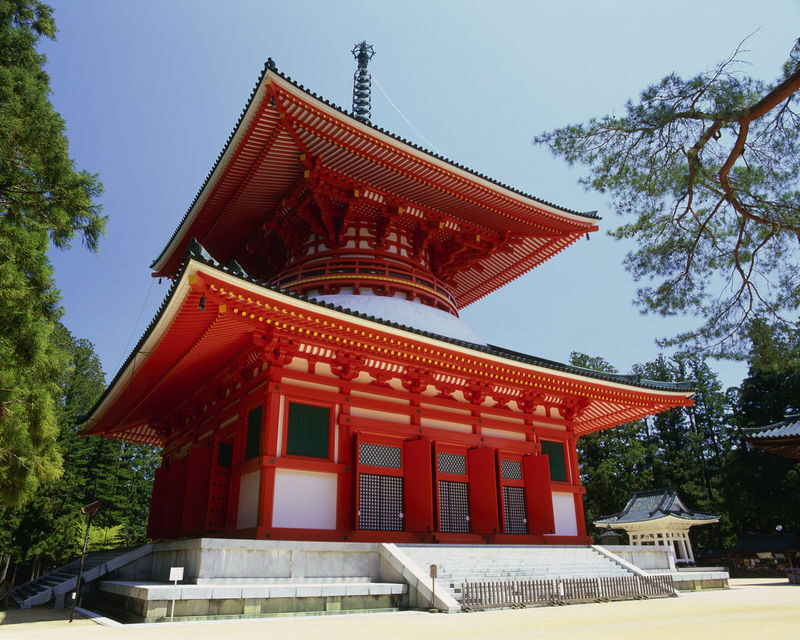
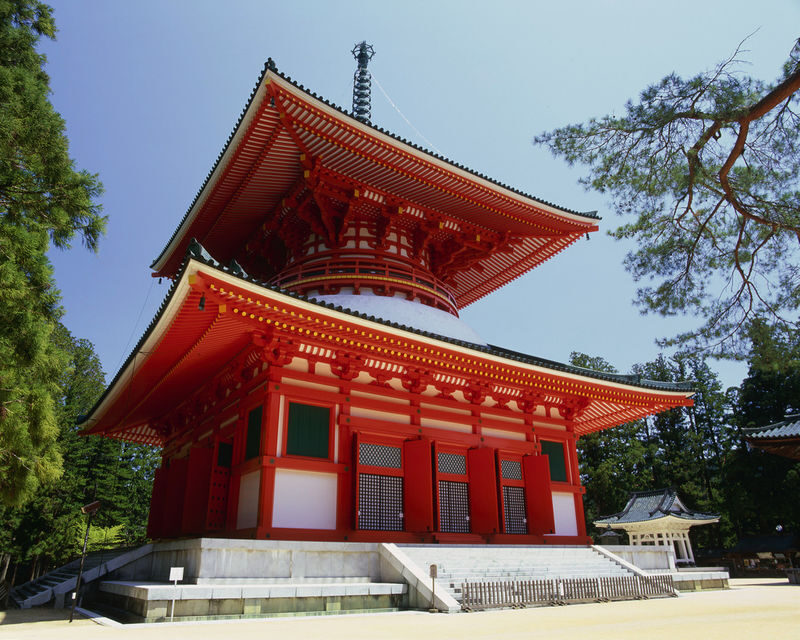
- Danjo Garan brings the story back to its beginning: Kobo Daishi started building this temple complex in 826; its main hall and Konpon Daito pagoda are among the key places on the route.
- The guide and transit are part of the value: You travel from Osaka by subway, train, and bus, with an English-speaking guide and public transportation included.
- You can extend the visit with a temple stay: The two-day plan includes a shukubo stay, while the one-day option returns to Osaka the same day.
- The published day route does not include Nachi Waterfall: Despite the attraction label, the one-day itinerary stays around Koyasan. A separate three-day description refers to the Kumano Kodo, but that option is not among the listed package prices.

👉 See our pick of the 24 Best Workshops And Classes In Osaka
From Osaka to Koyasan: a full day on the move
The one-day tour starts at 8:00 a.m. Your guide meets you in your Osaka hotel lobby, so you do not have to find a meeting point before setting out. You must provide your hotel name and address when booking, and the operator confirms the pickup time in advance.
From there, the plan uses the subway for about 30 minutes and a train for roughly an hour and a half. Those connections are included in the tour price, as is a bus ride within the Koyasan portion of the day. This saves you from working out the transport sequence yourself, which can be a real help on a long day trip.
The listed schedule reaches Koyasan at about 11:00 a.m. and returns to Namba Station between 5:00 and 6:00 p.m. Actual timing can shift with weather and traffic. The guide stays with you on the mountain, but the day still has a fixed shape: you get a focused introduction, not hours to wander at your own pace.
The group size is listed as two to ten people, and the activity requires at least two participants. The guide is described as English-speaking, with other languages available by request. No guide names are supplied, so confirm language needs when arranging the tour rather than assuming a specific language or guide.
You can also read our reviews of more walking tours in Osaka



Okunoin: a forest approach to Kobo Daishi’s mausoleum
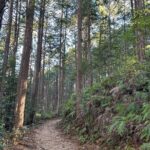
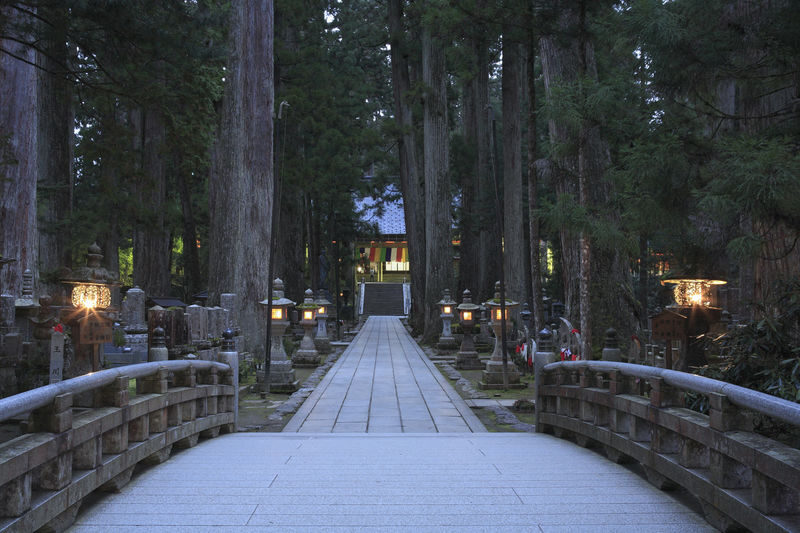
The guided visit includes Daimon, Okunoin, and Okunoin-mae. The central stop is Okunoin, the site of Kobo Daishi’s mausoleum and one of Koyasan’s most important religious places. Kobo Daishi is a major figure in Japanese Buddhism, and the town’s identity remains closely tied to his life and teachings.
This stop gives the tour a quieter, more contemplative feel than a quick circuit of temple halls. The cemetery and woodland setting make the approach part of the visit, not just a route between landmarks. If you are interested in religious practice and pilgrimage, you will get more from the guide’s explanations than you would from simply walking through on your own.
Okunoin is also the starting and ending point of the Shikoku 88 Temple Pilgrimage, which helps explain why Koyasan is more than a sightseeing town. It remains a place of pilgrimage as well as a destination for day visits. Even on a short tour, that context can change how you see the paths and buildings around you.
You should be ready to walk rather than treat this as a ride between photo stops. The tour is not recommended for anyone with impaired mobility, and the broader walking route can be slippery in wet weather. Comfortable walking or hiking shoes are a sensible choice.
Lunch and the afternoon temple complex
Lunch is not included. The schedule allows an hour for you to buy and eat your own meal, so budget for it separately and do not expect the guide fee to cover food or drinks. If you have dietary needs, the supplied details do not specify what food options are available, so plan ahead rather than counting on a particular menu.
After lunch, the tour spends about two hours at Kongobuji Temple and Danjo Garan. Kongobuji is the head temple of Shingon Buddhism, while Danjo Garan is the original temple complex Kobo Daishi began in 826. More than one hundred temples later grew along Koyasan’s streets, but these two sites give you a useful sense of the religious center from which the town developed.
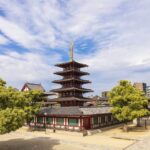
At Danjo Garan, the itinerary names Konpon Daito and the Main Hall. Together, these stops provide a change of pace from Okunoin’s forest setting: you shift from a pilgrimage site to the formal complex at the heart of the sect. The guide can connect the buildings to the history of Shingon Buddhism, helping you understand why Koyasan became such an important center.
The schedule is efficient. Two hours is enough for a guided introduction to the named sites, but it may feel brief if you want to study every building or spend time on your own. If you prefer a slow visit, the two-day plan is likely a better match.
Choose one day or stay at a shukubo
The one-day plan is the simplest choice if you are based in Osaka and want a guided overview without an overnight stay. It costs from US$562.85, with public transportation and an English-speaking guide included. That is a substantial price for a day trip, so the value depends on how much you want help with the journey and the interpretation of the sites.
The two-day plan starts from US$871.05 and includes time for a temple lodging, or shukubo. Accommodation is not included in the one-day package, and the available details do not spell out every component of the two-day price. Check the exact inclusions before booking so you know what you will pay for lodging, meals, and other personal costs.
A shukubo is a working temple that offers overnight stays to pilgrims and visitors. Around fifty temples in Koyasan provide this kind of lodging. The experience can include vegetarian Buddhist cuisine, called shojin ryori, and morning prayers, though you should confirm which parts are included in your particular plan.
The stay may be simple rather than hotel-like. One visitor found the shukubo interesting but quite spartan, and discovered that the communal bathroom was not open before the morning chant. That is a useful reminder: ask about bathroom access and morning schedules before you settle in, especially if you have a tight routine or want a more private setup.
The three-day description combines Koyasan with the Kumano Kodo, a network of ancient pilgrimage routes leading toward Kumano Hongu Taisha and the other Kumano Sanzan shrines. This is a different scale of trip from the day visit, with a route choice on the third day. However, only the one-day and two-day options are shown with prices here. Confirm availability and the exact route before building your plans around the three-day trek.
Weather, walking, and what to pack
Koyasan’s weather can change quickly, and the tour may be canceled in extreme weather or other unforeseen circumstances. A raincoat or poncho is recommended; umbrellas are not. Wear light, comfortable clothing, preferably quick-drying fabric, and sturdy walking or hiking shoes. Keep luggage to a minimum.
The women’s pilgrims’ course is described as part of the nature trail on the two-day route, where proper footwear matters especially after rain. That detail is a sign to take the walking element seriously. This is not a good choice if you are pregnant, have certain medical conditions such as high blood pressure or epilepsy, or have difficulty walking.
Children aged three and older are charged the same rate as adults. The tour is best suited to people who can manage a full day of transport and walking, and who are happy to follow a guide’s schedule rather than set their own pace.


Does the price make sense?
The one-day price is high compared with arranging a visit independently. What you are paying for is not just a guide on site: the package includes public transportation and hotel pickup, along with an English-speaking guide for the key Koyasan stops. If you value having someone manage the journey and explain the religious setting, that can make the cost easier to justify.
If you are comfortable navigating trains and buses, and prefer to spend as long as you like at each site, a self-planned visit may suit you better. The tour’s fixed schedule and included transit are most valuable to someone with limited time in Osaka or little interest in sorting out the connections alone.
The two-day option costs more, but the temple stay changes the trip from a day excursion into a closer encounter with Koyasan’s religious life. A shukubo night may be the more memorable choice if you are curious about temple routines and vegetarian Buddhist food. Just keep expectations practical: the accommodation can be spare, and shared facilities may follow a schedule.
Should you book this Koyasan tour?
Book the one-day option if you want an organized introduction to Koyasan, prefer hotel pickup, and can handle a long day with several hours of public transport. Its strongest points are the guide’s presence at the major sites and the chance to see both Okunoin and Danjo Garan in one visit.
Choose two days if the temple lodging is a major part of the appeal and you want more time in the mountain town. If you want Nachi Waterfall or a Kumano Kodo trek, check the precise route and availability first: the one-day itinerary described here does not include the waterfall, and the three-day option is not listed with a price. For anyone with limited mobility, a medical concern, or a dislike of fixed schedules, this is not the right outing.
Mt Koya Walking Tour from Osaka
“Staff were professional, the guide at Koyasan was experienced! The stay at the shukubo was interesting. Quite spartan. Didn't realise that the comm…”
FAQ
Does the one-day tour visit Nachi Waterfall?
No. The one-day itinerary lists Koyasan sites including Daimon, Okunoin, Kongobuji, and Danjo Garan. It does not include Nachi Waterfall.
Where does the guide meet me?
The guide meets you in the lobby of your Osaka hotel. You need to provide the hotel name and address when booking, and the operator will reconfirm the pickup time.
What is included in the one-day price?
The one-day package includes tax, public transportation, and an English-speaking guide. Meals, drinks, accommodation, personal expenses, and tips are not included.
Is lunch provided?
No. The schedule allows an hour for lunch, but you must buy your own meal.
What should I wear and bring?
Wear light, comfortable clothing and walking or hiking shoes. Bring a raincoat or poncho because the weather can change quickly; umbrellas are not recommended.
Is there a minimum group size?
Yes. At least two participants are required, and the group size is listed as two to ten people. Children aged three and older are charged the same rate as adults.