Mount Fuji’s best-known photo stops are spread across Yamanashi, and this tour strings seven of them together in one long day. I like the chance to see both Hirano Beach’s lakeside Fuji reflection and the clear spring pools at Oshino Hakkai, then finish among the views at Arakurayama Sengen Park.
I also like that transport, tolls, fuel and parking are covered, so you can focus on the scenery instead of planning a route between scattered stops. The trade-off is time: visits are brief, the mountain can disappear in cloud or rain, and traffic may cut into the schedule.
- The useful details at a glance
- A long day built around Fuji views
- Hirano Beach: get there before noon
- Oshino Hakkai: eight spring pools in an hour
- Lunch: bring a plan, not a reservation
- Lawson and Lake Kawaguchi: two very different photo stops
- Hikawa Clock Shop: Fuji behind a Japanese streetscape
- Two short stops: shrine stable and Arakurayama Sengen Park
- What the price covers, and what it does not
- Timing, weather and who should book
- Should you book this Fuji day tour?
- FAQ
- How long is the Mount Fuji tour?
- Where can I meet the tour?
- Are meals included?
- Is Mount Fuji guaranteed to be visible?
- What languages are available?
- What is included in the tour price?
- Can children join for free?
- The Best Of Fujikawaguchiko!
- More Tours in Fujikawaguchiko
- More Tour Reviews in Fujikawaguchiko
- Not for you? Here's more nearby things to do in Fujikawaguchiko we have reviewed
The useful details at a glance
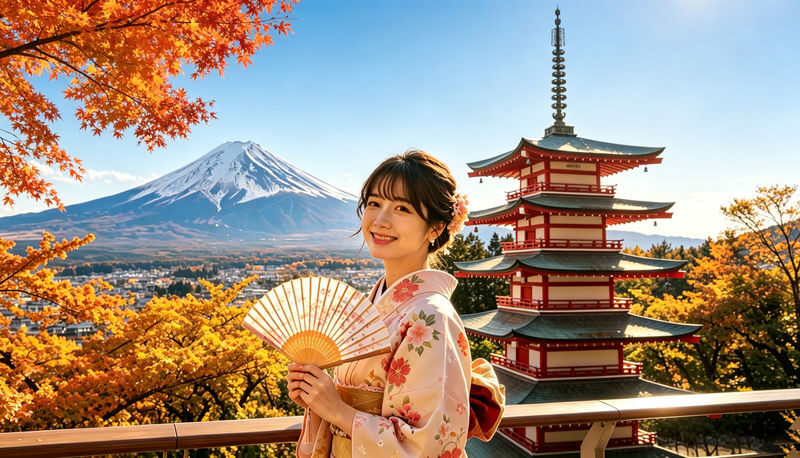
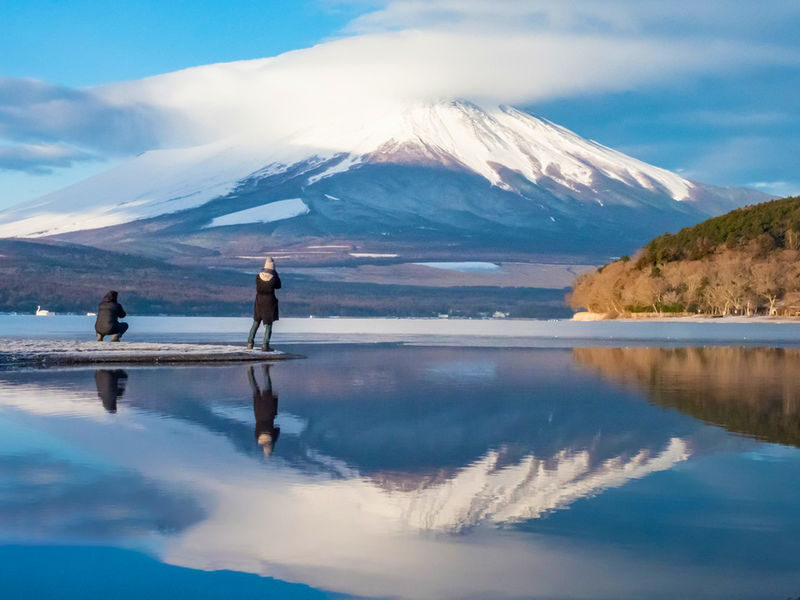
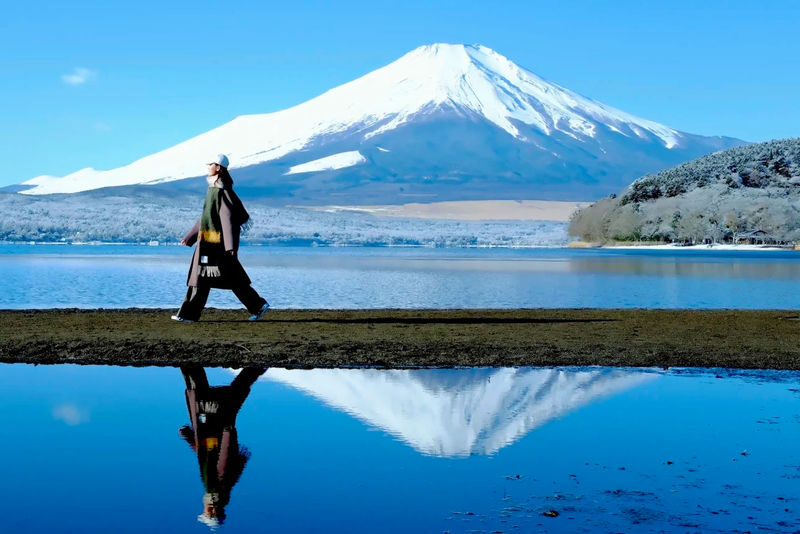
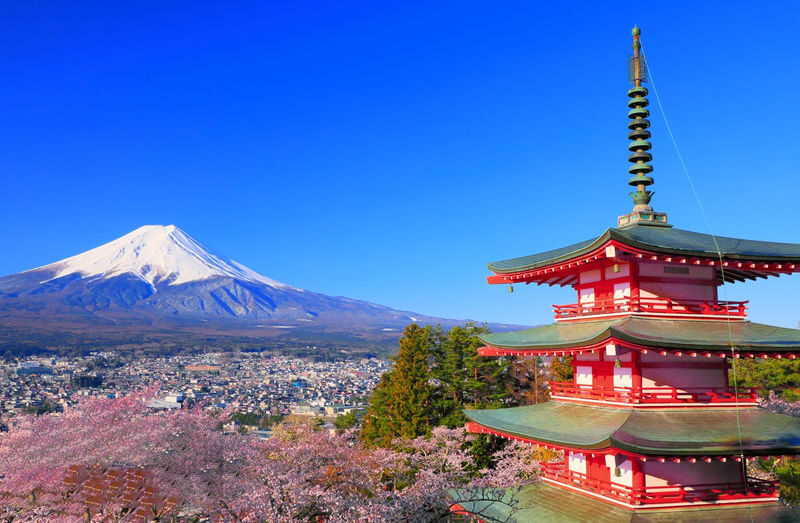
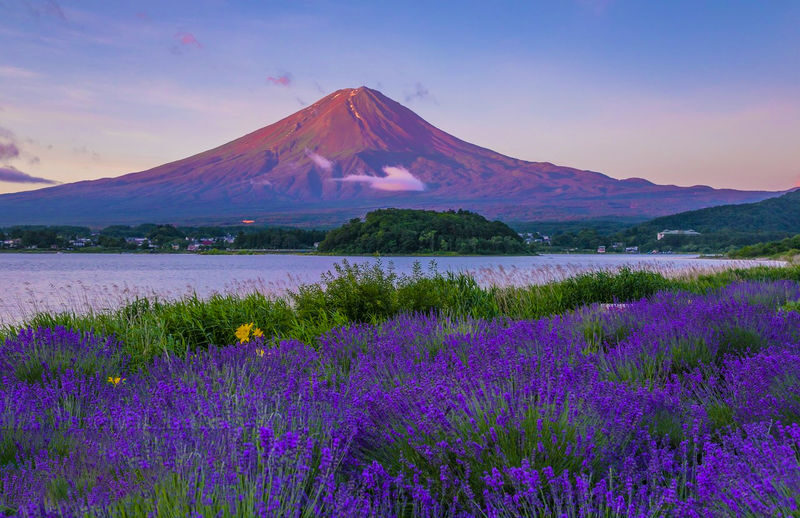
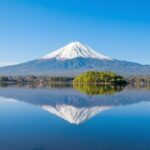
- Hirano Beach is scheduled before noon, when the tour recommends looking for Fuji and its reflection across Lake Yamanaka.
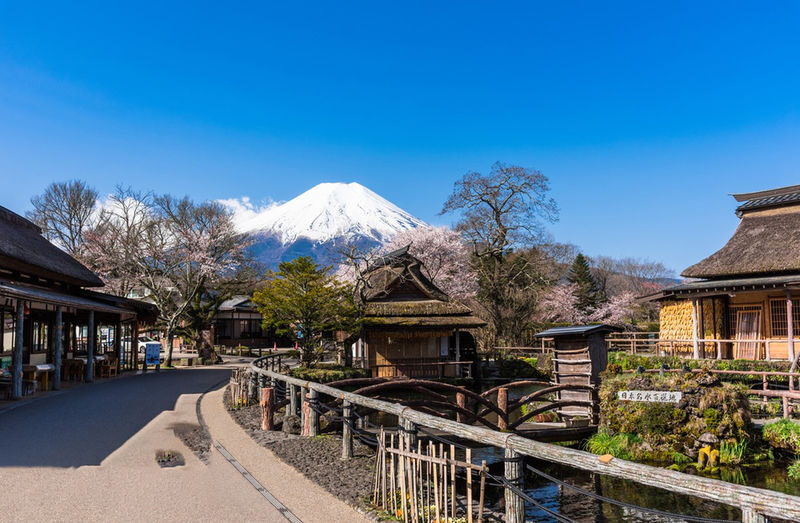
- Oshino Hakkai has eight natural spring pools, fed by water from Mount Fuji’s melting snow.
- The route includes seven photo-focused stops, but weather, traffic or crowding can mean a change or a skipped attraction.
- The tour is a shared ride, with departures from Tokyo Station or MODE Gakuen in Shinjuku.
- Lunch is not included, and the guide may suggest a restaurant, but you can bring food or buy a convenience-store meal.
- Guide arrangements depend on group size: smaller departures may have a driver only, while larger groups have a driver and guide.

👉 See our pick of the 4 Best Private Car With Driver Services in Fujikawaguchiko
A long day built around Fuji views
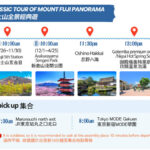
This is a sightseeing sampler, not a slow visit to the Fuji Five Lakes area. You leave Tokyo in the morning, move between several well-known spots by vehicle, and are due back at Tokyo Station at about 18:20. That is a practical deal if you have one day to spare and want to see several different settings without renting a car.
The route mixes lakeside scenery, spring-fed pools, a convenience-store photo stop, a small-town street view, a shrine stable and a hilltop park. Each stop has a different angle on the mountain, but the pace is brisk. At most places, you will have 10 to 60 minutes, so expect time for a look and some photos rather than a full exploration.
The experience is aimed squarely at photography. I would book it if you want a broad sample of popular Fuji viewpoints and are comfortable following a fixed schedule. If you prefer long walks, quiet corners or time to linger over lunch, a self-planned visit may suit you better.
You can also read our reviews of more tours and experiences in Fujikawaguchiko.
Hirano Beach: get there before noon
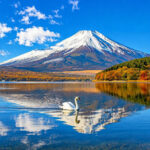
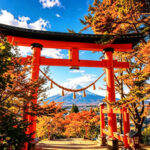
The first listed sightseeing stop is Hirano Beach on Lake Yamanaka, with about 40 minutes to take in the water and the mountain. The tour recommends arriving before noon for the chance to photograph Fuji and its reflection. The lake is also a place to watch or feed swans, a simple pleasure that breaks up the photo checklist.
That reflection is not a promise. Clear skies and calm water matter, and weather can change the whole view. One person who took the tour in rainy conditions still found the day worthwhile, but did not see Fuji. Keep your expectations flexible: the lake setting remains, even when the headline attraction hides.
Forty minutes is enough for a few photos and a short lakeside pause, but not a long walk around the shore. If this view is your main reason for booking, choose a day with a favorable forecast if you can, while remembering that mountain weather is never fully in your control.
Oshino Hakkai: eight spring pools in an hour
At Oshino Hakkai, the focus shifts from a broad lake view to eight natural spring pools formed by water from Mount Fuji’s melting snow. The place is sometimes called the Blue Miracle at the Foot of Mount Fuji. You get about an hour here, giving you more time than at most of the smaller photo stops.
The pools are the attraction, not just a backdrop for the mountain. The stop offers a different kind of Fuji connection: water that has filtered through the landscape before emerging in the village. It is a good counterpoint to the open views at Hirano and the later photo spots.
The hour still has limits. If you want to inspect every pool at an unhurried pace, take photos and buy a snack, you may need to choose what matters most. Follow the guide’s meeting time closely; on this fixed carpool tour, the driver waits no more than five minutes after a stop ends.
Lunch: bring a plan, not a reservation
Lunch is not part of the price, and the schedule does not promise a fixed meal stop or a set amount of dining time. The guide may recommend a restaurant, and you can choose to go, pick up a convenience-store bento or bring your own food. The recommendation is optional, not a required purchase.
This flexibility is useful, but it also means you should not count on a leisurely meal. The meal period can change according to the day’s arrangements, and it may be canceled if most of the group does not need a restaurant stop or traffic has disrupted the schedule. Pack a small meal or snack if you dislike making lunch decisions on the fly.
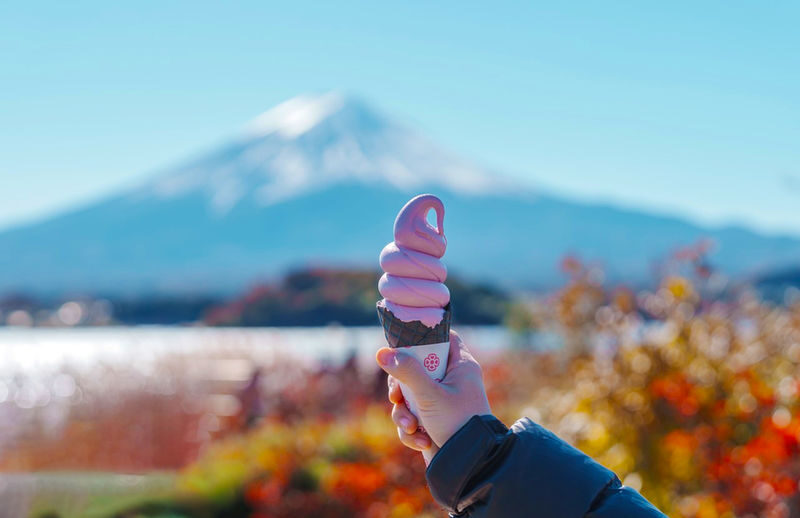
The guide may also point out local food and specialty products, including ice cream, pastries and horse oil. You are free to browse or pass. Keep sealed snacks and unopened drinks in mind for the ride, but eating is not allowed inside the bus.
Lawson and Lake Kawaguchi: two very different photo stops
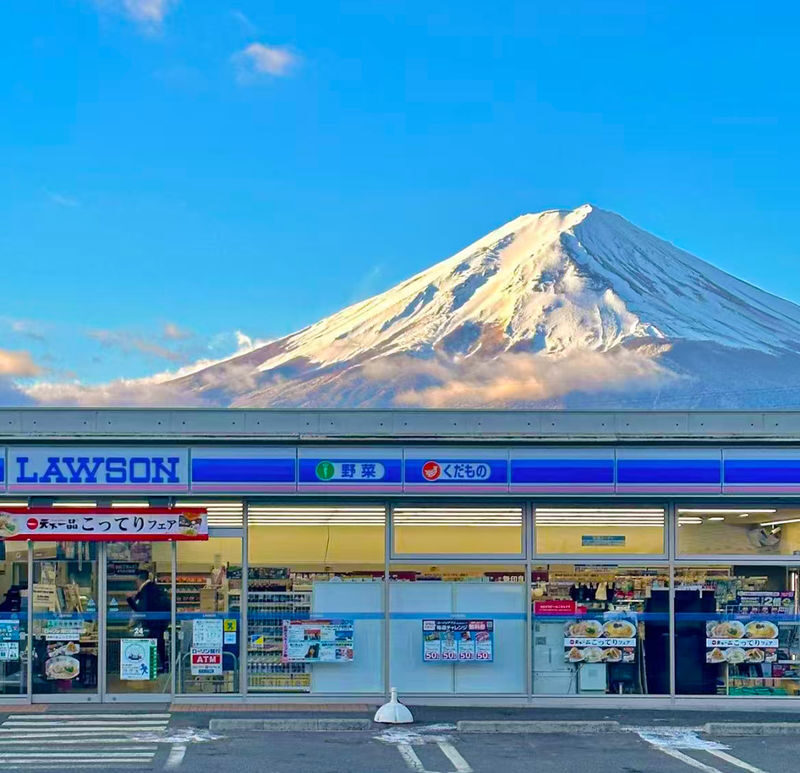
The tour makes a 20-minute stop at Lawson, a convenience-store photo spot popular for its Fuji backdrop and distinctly Japanese street scene. It is a quick, recognizable image rather than a major cultural visit. Go in knowing the stop is short, and be considerate around the shop and street while taking pictures.
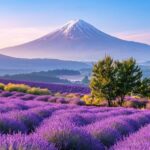
Next comes the Lake Kawaguchi area, with about 40 minutes at Oishi Park in the usual schedule. The park is known for seasonal scenery: cherry blossoms in spring, flowers in summer, autumn leaves and snow in winter. This is one of the stops where the same tour can look quite different depending on the month.
During the stated spring cherry blossom period, March 28 to April 12, the plan switches from Oishi Park to the Lake Kawaguchiko Cherry Blossom Festival. From October 20 to November 23, the autumn stop changes to the Maple Corridor. These dates are estimates, not a guarantee of peak color; flowering and leaf color depend on the season’s conditions.
A short park visit gives you time for a look and photos, but not an extended wander. One traveler specifically wished for more time at Oishi Park, a fair point if gardens and seasonal flowers are high on your list. Treat it as a scenic sample, not a long park outing.
Hikawa Clock Shop: Fuji behind a Japanese streetscape
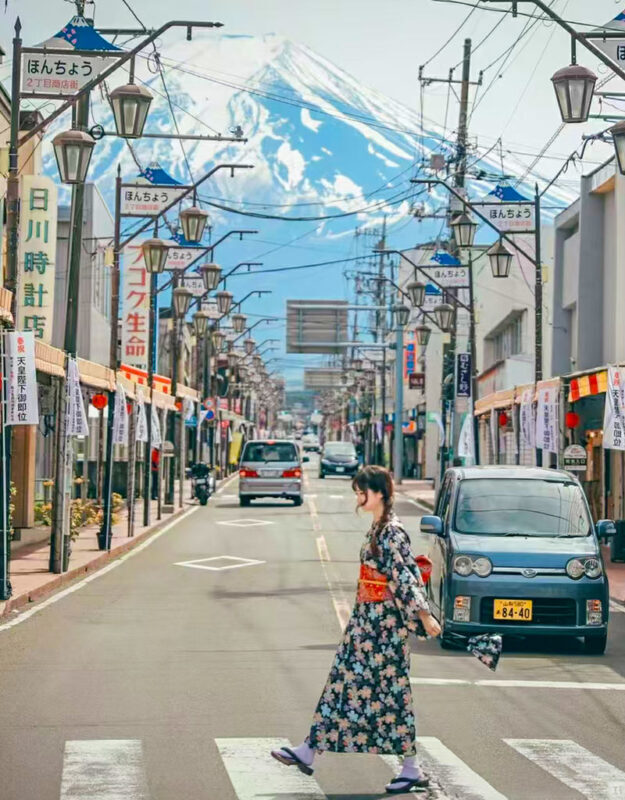
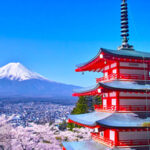
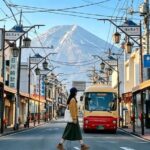
At Hikawa Clock Shop, the attraction is the view of Mount Fuji framed by a traditional-looking town street. The stop lasts about 20 minutes and is geared toward a particular photo composition. It offers a contrast with the open water and park views earlier in the day.
This is not a long visit to a historic district. You will have a short window to take in the street and find your photo angle, so keep an eye on time. If the mountain is clouded over, the street remains, but the signature background may not cooperate.
Two short stops: shrine stable and Arakurayama Sengen Park
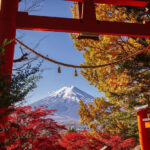
The route includes a 10-minute stop at the sacred horse stable at Fujisan Hongu Sengen Taisha Shrine. With so little time, think of this as a brief look rather than a full shrine visit. It adds a religious and local detail to a day otherwise focused on scenery and photo locations.
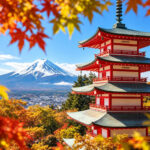
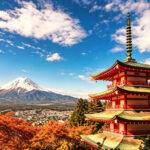
Arakurayama Sengen Park is scheduled for about an hour and is known for its Mount Fuji viewpoints and seasonal changes. It is the final major stop before the return trip, and the extra time compared with the clock shop or shrine makes it one of the more substantial visits.
Weather and crowding can affect access and timing, and the operator warns that some attractions may be skipped. Do not assume every stop is guaranteed. The park’s appeal depends heavily on visibility, so a cloudy day can reduce the payoff even if the park visit goes ahead.
What the price covers, and what it does not
The advertised starting price is $49.20, while the collection-point package is shown from $70.29. The price you see can depend on the selected option, so check the date and package before booking. For a full day of transport between Tokyo and several widely spaced stops, the value is strongest if you want to visit many places without arranging a rental car or navigating regional connections yourself.
Round-trip transfers, tolls, parking and fuel are included, along with English- or Chinese-speaking guide service when a guide is assigned. Meals, drinks, personal expenses and tips are not included. That makes the tour relatively straightforward to budget for, provided you allow extra for lunch and anything you choose to buy along the way.
There is an important group-size detail: with fewer than 12 people, the tour uses a smaller vehicle and has a driver only. With more than 12, it provides one driver and one guide. The tour is still a shared ride, so you will be traveling with other people and sticking to the group’s schedule.
Timing, weather and who should book
The Tokyo Station meeting time is 07:20, with departure at 07:30. The Shinjuku meeting point at MODE Gakuen is listed for 07:50, departing at 08:00. Arrive at least 10 minutes early; late arrivals and no-shows are not refunded. The planned return is to Tokyo Station around 18:20, but weekend, holiday and public-holiday traffic can cause delays of two to five hours. Keep your evening plans loose.
The operator sends meeting details, including the vehicle’s license plate and guide contact information, by email between 16:00 and 21:00 on the day before. Check your inbox and spam folder, and keep your phone available. If you use LINE, the guide group link is sent by email for you to join.
The schedule can change order or lose stops because of traffic, weather, holidays or crowding. The vehicle is limited to 10 hours under Japanese regulations, so serious delays can also mean shorter visits or fewer attractions. The operator does not provide travel or accident insurance. Consider arranging your own cover, and note that people with certain conditions, including heart disease, high blood pressure, asthma, epilepsy or acrophobia, and pregnant participants, are listed as unsuitable for the activity.
Children under two may ride free only if they do not occupy a separate seat, and the operator asks that you notify them in advance. Children aged two and older pay the adult rate. Seniors aged 65 and above must be fit to travel and accompanied by a family member or friend aged 22 or older.
The available feedback is encouraging but small in number. Tommy was described as accommodating, and Kazi was singled out for helping with the meeting location; their names give you a sense of the helpful, practical support that can make an early start easier, though guide assignments vary. A rainy-day outing still earned praise for its professional, friendly guide, while the wish for more time at Oishi Park is a useful reminder that this route favors coverage over depth.
Should you book this Fuji day tour?
Book it if you want a high number of Fuji-area photo stops in one day, value a ride from Tokyo and can accept quick visits and a weather-dependent view. It is especially useful if you do not want to plan transport between Lake Yamanaka, Oshino Hakkai, Kawaguchiko and Fujiyoshida yourself.
Skip it if you want a slow day, a guaranteed clear Fuji view, a long lunch or substantial time at each site. The best way to enjoy it is to arrive early, bring food or a flexible lunch plan, pack for changing weather and treat the schedule as a route through several viewpoints, not a promise of seven perfect photos.
Mount Fuji Photo Spots One-Day Tour – Lake Yamanaka Hirano Beach & Arakurayama Sengen Park & Oshino Hakkai & Oishi Park & Hikawa Clock Shop (Departing from Tokyo/Shinjuku)
“It was a very enjoyable tour with a cool and accomodating tour guide Tommy.”
FAQ
How long is the Mount Fuji tour?
The planned day runs from morning departures in Tokyo to a return at Tokyo Station around 18:20. Traffic can cause delays, especially on weekends and holidays.
Where can I meet the tour?
You can meet at Tokyo Station’s Marunouchi North Exit at 07:20, departing at 07:30, or at MODE Gakuen in Shinjuku at 07:50, departing at 08:00. Arrive at least 10 minutes early.
Are meals included?
No. Lunch and drinks are not included. You can bring your own food, buy a convenience-store meal or choose a restaurant recommended by the guide.
Is Mount Fuji guaranteed to be visible?
No. Weather can obscure the mountain, and the schedule may change because of weather, traffic or crowds.
What languages are available?
English- and Chinese-speaking guide service is offered. For groups of fewer than 12 people, the tour uses a smaller vehicle with a driver only and no tour guide.
What is included in the tour price?
Round-trip transfers, toll fees, parking fees and fuel fees are included. Meals, beverages, personal expenses and tips are not.
Can children join for free?
Children aged zero to two can ride free if they do not occupy a separate seat, but you must notify the operator in advance. Children aged two and older pay the same rate as adults.