Tokyo’s quiet Meiji Shrine and the flashing streets of Harajuku make a good first lesson in Japan’s contrasts. I like this tour for two reasons: it links major sights by the country’s excellent public transport, and it makes room for hands-on traditions such as sushi-making, Zen practice and gold-leaf craft.
The trade-off is its pace. You change cities often, walk a lot and eat only a few meals as a group, so you’ll need energy, comfortable shoes and a willingness to make some of your own plans.
- A small group, usually 10 to 15 people: Travel with an English-speaking Expedition Leader and use local trains, buses, metro, ferry and bullet trains.
- A rare countryside night: Walk into Edo-period Tsumago, then sleep at a traditional minshuku and share a multi-course kaiseki dinner.
- Tokyo with a hands-on start: Visit Tsukiji’s outer market, learn sushi preparation and eat the lunch you make.
- A moving day in Hiroshima: Visit the Peace Memorial Park and Museum, with time for the memorials and Children’s Peace Monument.
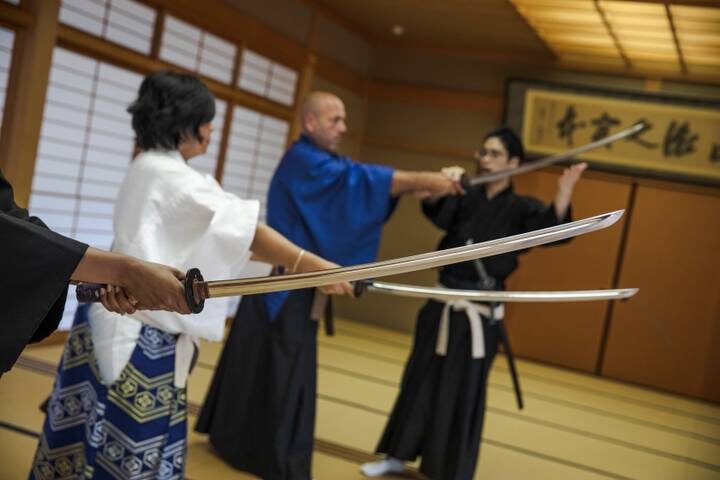
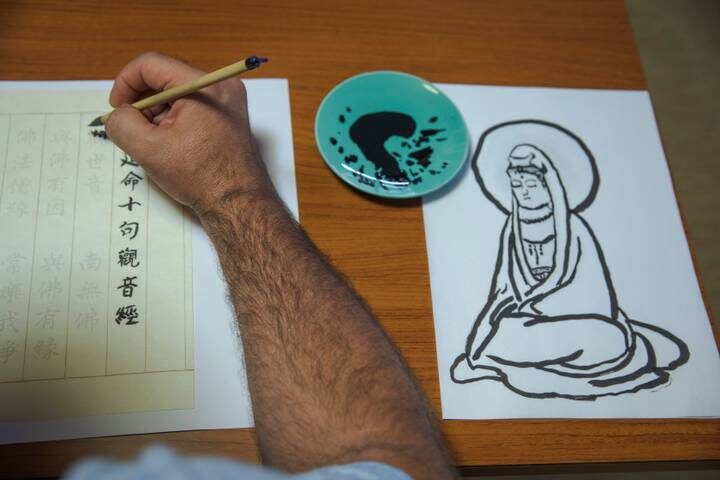
- Two Kyoto culture sessions: Try Zen meditation and calligraphy, then learn the basics of kembu, a traditional form of swordplay.
- Pack for luggage transfers: Your main bag travels separately on several city-to-city legs, so keep an overnight bag handy.
- A 12-day route from Tokyo to Kyoto
- Tokyo begins with shrine and street style
- Tsumago trades city streets for an old post town
- Kanazawa connects samurai homes and geisha streets
- Hiroshima gives the trip its most solemn day
- Miyajima and Himeji bring a change of mood
- Kyoto and Nara reward an early start
- What the price does and does not buy
- Should you book this Japan tour?
- FAQ
- Does the tour include international flights?
- Where does the tour start and finish?
- How large is the group?
- How much walking should I expect?
- What meals are included?
- What kind of luggage can I bring on the trains?
- Will I have access to my main luggage during transfers?
- Can I add extra days in Osaka or visit Naoshima as part of the tour?
- The Best Of Tokyo!
- More Tours in Tokyo
- More Tour Reviews in Tokyo
- Not for you? Here's more nearby things to do in Tokyo we have reviewed
A 12-day route from Tokyo to Kyoto
This is a broad introduction to Japan, not a slow stay in any one place. You begin in Tokyo, cross the countryside to Tsumago and Kanazawa, continue west to Hiroshima, then finish with four nights in Kyoto. Along the way, the route adds Miyajima, Himeji and Nara.
The group is limited to 10 to 15, which helps when you’re navigating stations or keeping track of a day’s plans. The tour uses Japan’s public transport rather than private coaches for most travel. That means you ride with local commuters and get a useful feel for the country, but stations, transfers and walks take time. The trip is rated medium intensity, and the daily walking is a real part of the experience, not a footnote.
The listed starting price is from $5,214 per person. International flights, travel insurance, most lunches and dinners, and optional activities are not included. In return, the price covers 11 breakfasts, one lunch, one dinner, transport between destinations and to included activities, a seven-day JR Pass, hotels, one traditional inn night, and the guided visits and cultural sessions. It offers convenience and a carefully linked route, rather than a luxury hotel stay or a fully catered holiday.

👉 See our pick of the 25 Best Guided Tours In Tokyo
Tokyo begins with shrine and street style
The first day is intentionally light. You arrive at the Tokyo hotel around 4 pm, then meet your Expedition Leader and group at 6 pm. Bring your passport to the meeting, since the leader needs the details for train tickets. There are no scheduled visits before then, so late arrivals may find the opening evening more about settling in than sightseeing.
On Day 2, Meiji Shrine offers a calm introduction to Shinto practice. Its wooded grounds sit within the capital, yet feel removed from the city’s pace. From there, the group heads to Harajuku, where fashion, shops and kawaii culture present a sharp contrast. The guided orientation helps you get started, and free time lets you browse or stop for lunch on your own.
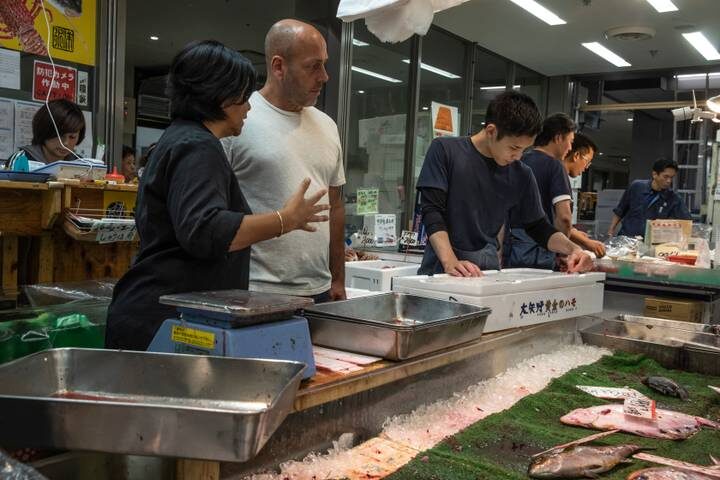
The next morning begins at Tsukiji’s outer market, where you learn about Japan’s seafood trade before joining a sushi class. You’ll identify fish, prepare and present sushi, then eat your work for lunch. It’s one of the tour’s most practical inclusions: you do more than look at food, and the meal is built into the activity.
Afterward, the group walks through Asakusa, Tokyo’s historic heart. The afternoon is open for your own interests. Ueno Park and its museums, electronics-focused Akihabara, Ginza, the Imperial Palace East Garden or another wander through the city are all possible options. Days 2 and 3 may switch order on some departures, so don’t pin a separate booking to one of those afternoons without checking first.
You can also read our reviews of more tours and experiences in Tokyo.



Tsumago trades city streets for an old post town
Day 4 takes you by train from Tokyo to Nagiso, followed by a transfer to a local minshuku, a traditional Japanese inn. The walk toward Tsumago passes farms and rice paddies, then reaches a preserved Edo-period town where vehicles are kept off the main street during the day. Hidden power lines and phone cables help protect its older appearance.
This is the tour’s most distinctive accommodation night, but it is not a hotel-style stop. The inn has shared facilities, and a multi-course kaiseki dinner is included. That meal is a highlight for anyone curious about the care given to seasonal ingredients and presentation. On the other hand, comfort and privacy may be simpler than you expect. One traveler described the inn as uncomfortable and raised concerns about cleanliness and shared washrooms, so treat this night as a cultural stay, not a guaranteed luxury ryokan experience.
There is also a luggage wrinkle. Your main bag is sent ahead from Tokyo to Kanazawa, and you won’t see it for about 24 hours. Pack a small overnight bag with toiletries, a change of clothes and anything valuable. One bag per person is covered by the transfer; additional bags can incur a charge.
Kanazawa connects samurai homes and geisha streets
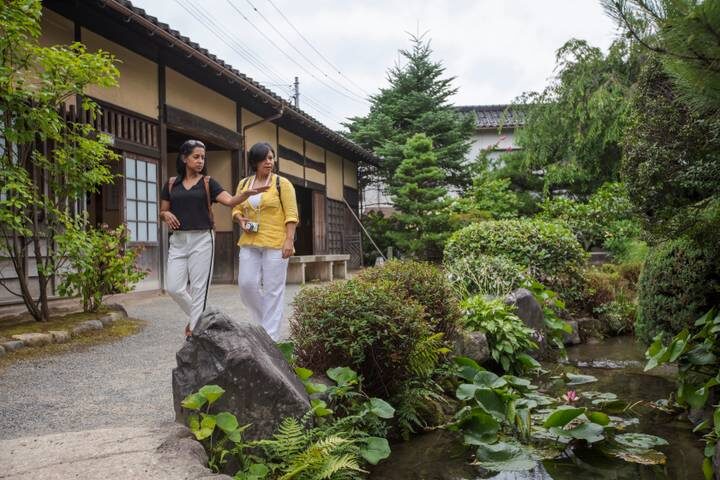
The train journey to Kanazawa brings you to a city shaped by the powerful Maeda clan. In Nagamachi, a former samurai district near Kanazawa Castle, the group visits the Nomura Family Samurai Residence. Its antiques and garden give the history a domestic scale: you see how an elite household lived, not just the outside of a castle.
The second day focuses on different sides of the city. Myoryuji, widely called the Ninja Temple, was built with defensive features and concealed routes. The nickname is catchy, but the visit is really about architecture and security, rather than a lesson in movie-style ninjas. The group then walks through Higashi Chaya, a historic geisha district, and enters a traditional wooden house to learn about geisha culture.
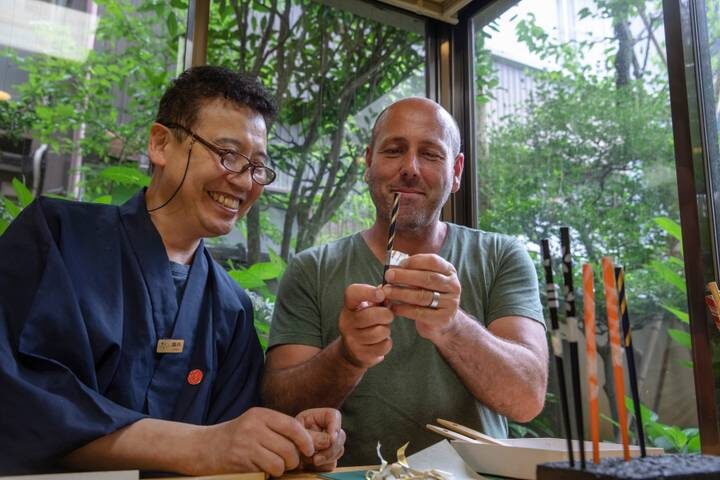
A craft session rounds out the day. You paint chopsticks and add gold-leaf details, then take your work home. It’s a modest activity, but it gives you a tangible link to Kanazawa’s traditional crafts. If you want more time in the city, Kenroku-en Garden and Kanazawa Castle are optional visits, not listed as included activities.
Hiroshima gives the trip its most solemn day
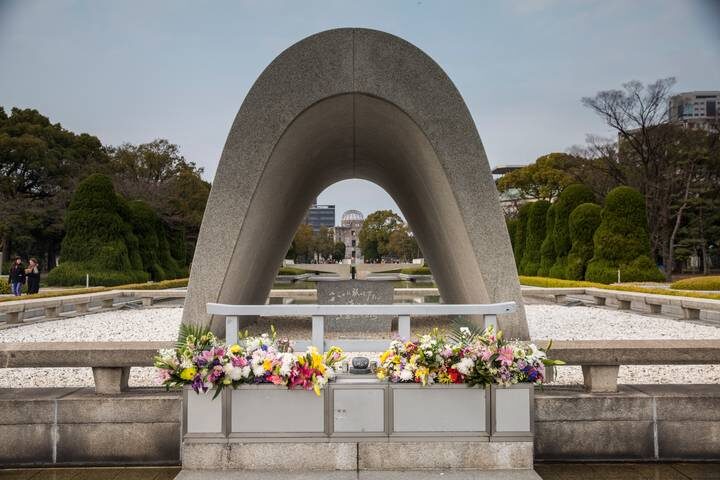
A three to three-and-a-half-hour bullet train ride takes you from Kanazawa to Hiroshima. The day’s focus is Peace Memorial Park and Museum, where memorials mark the human toll of the 1945 atomic bombing. The Children’s Peace Monument, including its statue of Sadako Sasaki, is especially affecting. The park’s eternal flame represents the hope that nuclear weapons will one day be eliminated.
Give yourself time to take in the memorials without rushing. This is not simply another stop on a sightseeing circuit. It is a place for reflection, and the museum can be emotionally demanding. Your Expedition Leader can help with context, but you should leave room for your own response.
Your main luggage is transferred separately from Kanazawa to Hiroshima, so it may not arrive until the next day. Keep a change of clothes and essentials with you. This is one of several luggage-transfer days, and planning your overnight bag before departure saves an avoidable scramble.
Miyajima and Himeji bring a change of mood
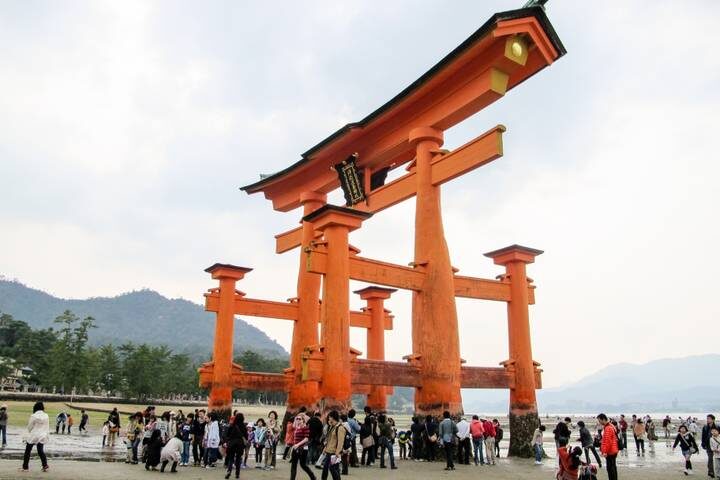
On Day 8, take a ferry to Miyajima, also known as Itsukushima Island. The Itsukushima Shrine dates to the 12th century and is built over the water. Its red torii gate appears to float at high tide, though the view changes with the tide. You have the afternoon to explore at your own pace, which is welcome after the previous day’s history.
The following morning, stop at Himeji Castle on the way to Kyoto. Its white exterior and layered wooden roofs make it one of Japan’s most striking castles, and its early 17th-century structure is unusually well preserved. The visit adds an architectural highlight to a day that otherwise involves travel. Later, take the bullet train to Kyoto, where a guided walk through Gion introduces its lantern-lit lanes and geisha district.
Your luggage travels separately from Hiroshima to Kyoto and may take about a day to catch up. As before, carry an overnight bag. The transfer service is useful on busy trains, but it does require you to think ahead.





Kyoto and Nara reward an early start
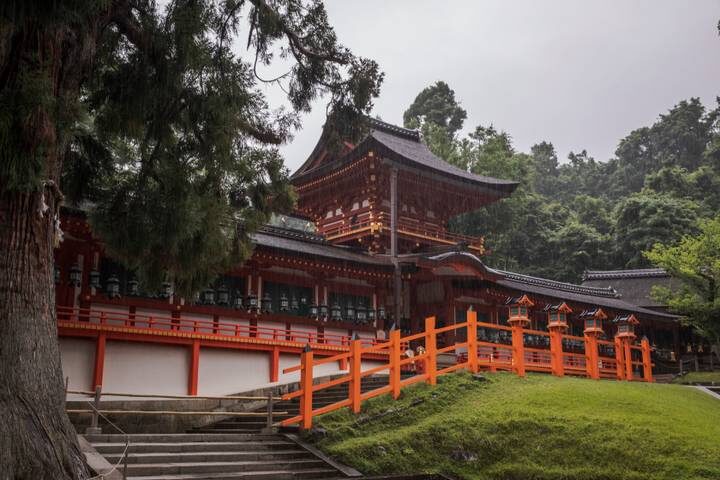
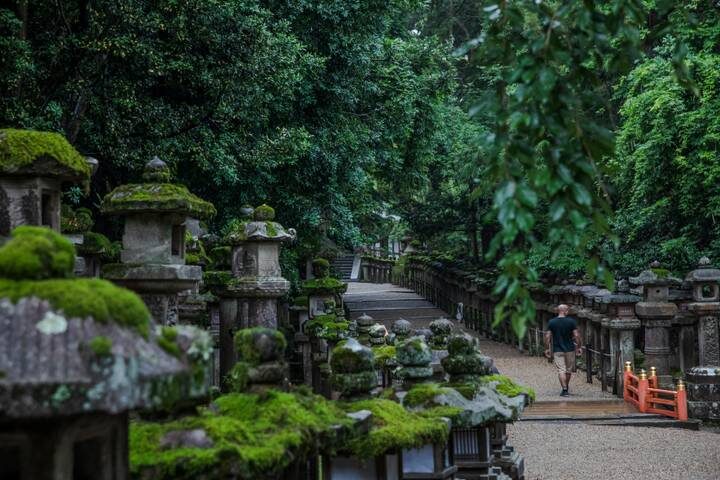
Kyoto is the longest base on the tour, with three full days and the departure morning. Day 10 starts at Fushimi Inari, where thousands of red gates line paths on the hillside. The shrine is dedicated to the Shinto god of rice. You then continue to Nara, Japan’s earliest capital, to see Todaiji Temple and its enormous bronze Buddha, followed by Kasuga Taisha, one of the country’s most sacred Shinto shrines.
These are major sights, and the combination makes for a full day. You’ll walk a lot, so wear shoes you can manage for hours. Kyoto itself has far more temples, gardens and traditional streets than this schedule can cover. The free time after guided visits is valuable, but you’ll have to choose what matters most rather than expect to see everything.
Day 11 combines spiritual practice and performance. At a local temple, you meet a monk for an introduction to Zen meditation and calligraphy, with a Zen tea experience also included. Later, visit Kinkaku-ji, the Golden Pavilion, then learn samurai etiquette and try basic kembu, a traditional form of Japanese swordplay, before watching experienced performers.
These sessions are among the trip’s strongest cultural features. They give you a chance to take part, rather than simply photograph a temple and move on. The final morning is free for departure. If you fly from Kansai International Airport, the listed options include the Haruka train from Kyoto Station, with its last departure at 8:30 pm, or an airport bus with a later final service at 10:10 pm. Check current schedules before setting out.
What the price does and does not buy
From $5,214, this tour makes the most sense if you value a guide, small-group travel and the planning involved in linking several Japanese cities. Rail travel is efficient, but the system can feel complicated at first. A leader who knows the routes can reduce the stress of finding the right platform, transfer or local connection. Past departures have included guides named Mika and Yoko; guide assignments vary, so those names are examples, not a promise for your date.
The meals are not all-inclusive. You get breakfast each day except the arrival day, plus the sushi lunch and Tsumago dinner. Most other lunches and dinners are yours to arrange. That gives you freedom to choose what and where to eat, but it also means you should budget beyond the tour price and be ready for some meals near stations or shopping areas when the day is moving quickly.
Accommodation is another point to weigh carefully. The listed stays include city hotels and one traditional inn. Past assessments of the trip have been strongest for the route, transport and guiding, while lodging has been a less consistent part of the experience. Don’t book expecting uniform high-end standards. If you need a private room, the supplied example gives a single supplement of $1,449, though the exact cost can depend on departure.
The tour suits curious first-time visitors who want a structured overview, enjoy public transport and are comfortable walking. It is also suitable for ages 12 and up, provided participants can manage the physical demands. If you prefer slow mornings, long stays in one city, or control over every meal and hotel, independent travel may fit better.
Should you book this Japan tour?
Book it if you want Tokyo, rural Tsumago, Kanazawa, Hiroshima, Miyajima, Himeji, Kyoto and Nara connected in one well-supported trip. The mix of major landmarks and activities such as sushi-making, gold-leaf painting and Zen practice gives the route more texture than a checklist of temples.
Think twice if you expect luxury accommodation, included meals every day or an easygoing pace. Pack light, plan for long walking days and use an overnight bag for luggage-transfer nights. If those conditions suit you, this is a strong first look at Japan, with enough structure to make the rail network manageable and enough free time to follow your own interests.
Journeys: Iconic Japan National Geographic 12-Day Tour
“Yoko was very good and helpful. But some hotels were not what we expected and internal subways and trains consumed excessive time. Also maybe warm…”
FAQ
Does the tour include international flights?
No. International flights and travel insurance are not included.
Where does the tour start and finish?
The tour starts in Tokyo and ends in Kyoto.
How large is the group?
The stated group size is 10 to 15 people.
How much walking should I expect?
There is a significant amount of walking each day. The tour is rated medium intensity, and you should be comfortable walking for long periods without assistance.
What meals are included?
The tour includes 11 breakfasts, one sushi-making lunch in Tokyo and one kaiseki dinner in Tsumago. Other meals are not included.
What kind of luggage can I bring on the trains?
Any bag you carry aboard a Shinkansen must measure less than 160 cm total when you add its height, width and depth. Larger main bags are transferred separately on several city-to-city legs.
Will I have access to my main luggage during transfers?
No. Your main luggage may be unavailable for about 24 hours on transfer days. Pack an overnight bag with toiletries, a change of clothes and valuables.
Can I add extra days in Osaka or visit Naoshima as part of the tour?
The tour itself cannot be modified to add either destination. You can arrange extra days independently after it ends in Kyoto, or plan a separate visit to Naoshima.