Arashiyama’s bamboo-lined paths and temple visits make a fine day out, but this workshop offers a different kind of souvenir: chopsticks you shape yourself. Staff guide you through the work with simple tools, and you can take your finished pair home the same day.
I like two things in particular: the chance to compare woods by color, aroma, and hardness, and the friendly, patient instruction that makes the activity suitable for beginners and children aged six or older. Instructors including Lucia, Cath, and Mikito have helped participants through the steps and, at times, shared extra lessons about Japanese culture.
The main consideration is that the advertised starting price covers the standard wood, while premium wood and engraving can add to the cost. The workshop is also brief, about an hour, so think of it as a pleasant pause in your Arashiyama day rather than a full class in woodworking.
- Choose among different woods: The workshop offers 12 types, though the standard package includes a selection and some choices may require an upgrade.
- Shape a useful keepsake: You’ll work with tools and materials provided, then take your handmade chopsticks home, wrapped.
- Get help at every step: Staff demonstrate the process and offer guidance in English and Japanese. A Spanish option is also listed.
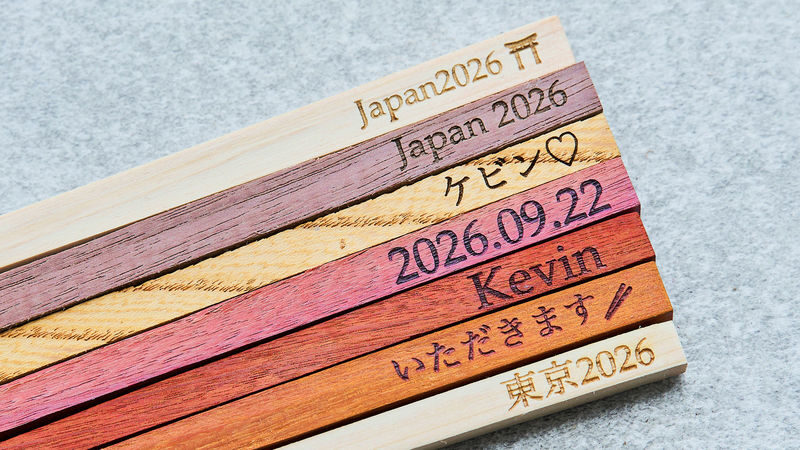
- Add a personal touch: Engraving is available as an optional service, and some participants have chosen names in Kanji.
- Fit it into an Arashiyama visit: The activity lasts about an hour and has departure slots from 9 a.m. to 6 p.m.
- A quiet craft break in Arashiyama
- Picking wood by feel, color, and scent
- From a wooden blank to a finished pair
- Chopstick culture, with room for conversation
- A personal souvenir, with optional engraving
- Is the starting price good value?
- Planning your hour around Arashiyama
- Who should book this workshop?
- FAQ
- How long does the workshop take?
- Where is the meeting point?
- What time can I book?
- What is included in the standard workshop?
- Are premium wood and engraving included?
- What languages are available?
- Can children take part?
- What is the cancellation policy?
- The Best Of Kyoto!
- More Workshops & Classes in Kyoto
- More Tours in Kyoto
- More Tour Reviews in Kyoto
- Not for you? Here's more nearby things to do in Kyoto we have reviewed
A quiet craft break in Arashiyama
 1 / 8
 2 / 8
 3 / 8
 4 / 8
 5 / 8
 6 / 8
 7 / 8
 8 / 8
Arashiyama is often approached as a checklist of famous sights. This workshop gives you a slower, hands-on hour in the same district, with a finished object to carry on to your next stop. It is a good contrast to walking, taking photos, and moving through busy sightseeing areas.
The setting is Chopsticks Studio Kyoto, at 3-25 Saga Tenryuji Susukinobabacho. The studio is on the second floor. Use the stairs on the left side of the building, and arrive five minutes before your booked time. Those small directions matter in a district where you may be navigating narrow streets and looking at shop signs rather than house numbers.
The activity is a meet-up, not a guided tour around Arashiyama. You arrive at the studio, make chopsticks, and finish at the same address. Staff can also offer tips about must-see spots in the district, a useful extra if you are planning the rest of your day.
👉 See our pick of the 25 Best Workshops And Classes In Kyoto
Picking wood by feel, color, and scent
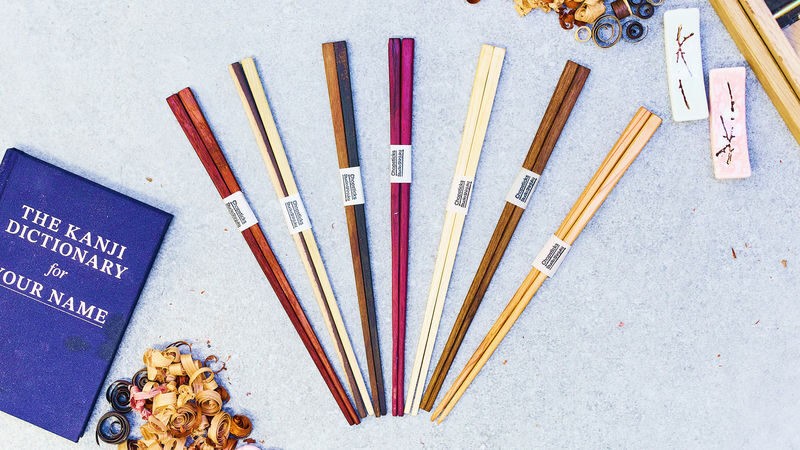
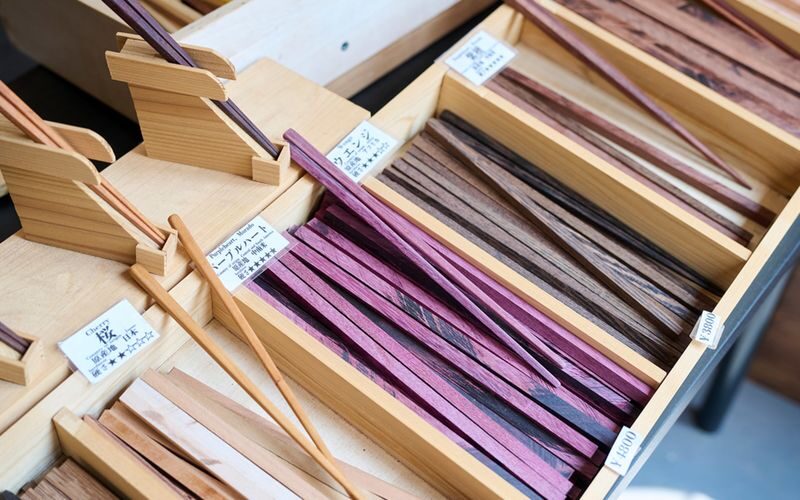
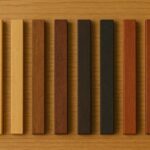
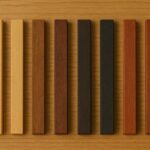
The choice of material is part of the fun. You can compare wood types by their aroma, color, and hardness, then settle on a pair that feels right to you. That choice makes the craft more personal than simply taking home a standard souvenir.
The activity advertises 12 kinds of wood, but the standard package does not necessarily include all of them. Several participants found that a smaller selection was covered by the basic price, with other woods available for an extra charge. If a particular wood matters to you, check the package details before booking and ask staff which choices are included when you arrive.
Premium wood is optional, not a condition of taking part. The standard wood is enough to make a pair, so you can keep the cost down without missing the core activity. The choice to upgrade is best treated as a personal preference, not an essential part of the experience.
You can also read our reviews of more tours and experiences in Kyoto
From a wooden blank to a finished pair
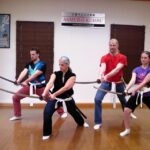
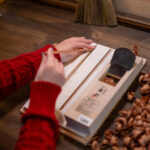
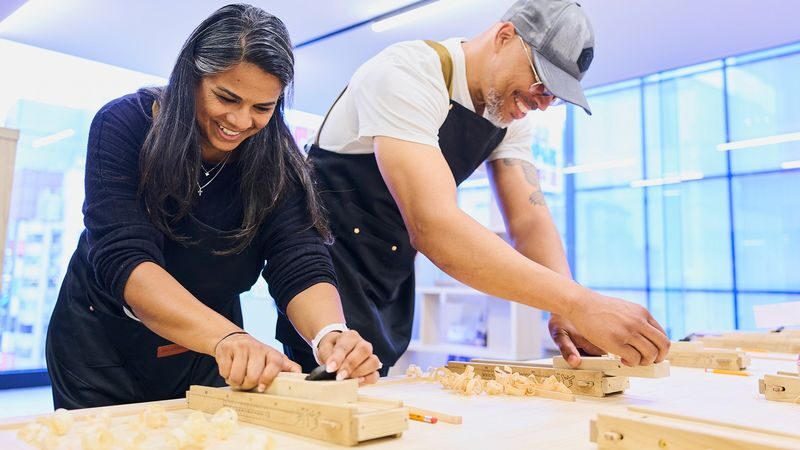
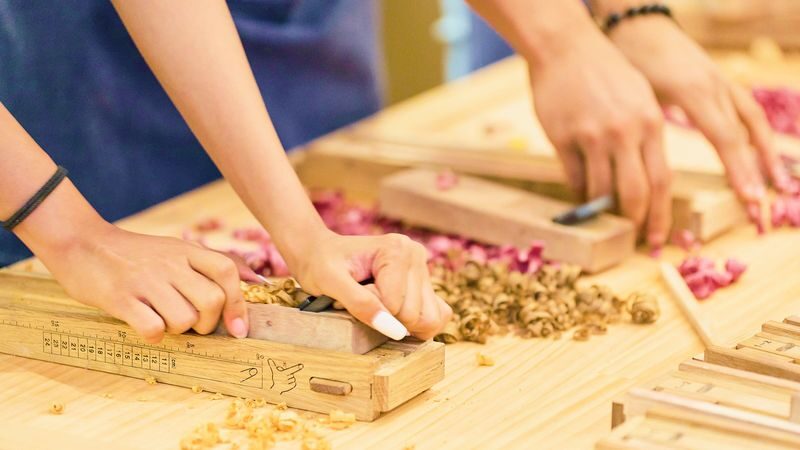
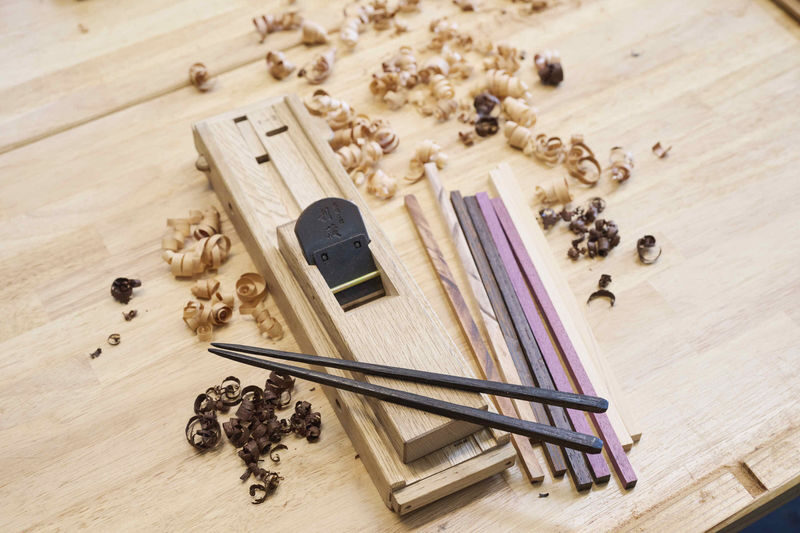
Staff explain the process and provide the tools and materials. You shape the chopsticks, smooth them, and finish them at your own pace, with help available as you work. You do not need woodworking experience, and the tools are described as easy to use.
The craft is simple enough for beginners, but it still asks you to pay attention. Shaping two chopsticks evenly takes care, and smoothing the wood gives you time to notice how the material changes under your hands. This is not a complicated carving course, but it is more satisfying than buying a ready-made item because you have a hand in the result.
The advertised duration is one hour. Some participants have spent closer to 90 minutes working until they were happy with the shape, so allow a little breathing room if your day is tightly scheduled. The exact pace can depend on how much you want to refine your chopsticks and whether you add an optional service.
Your finished pair is ready to take home the same day and is wrapped. That makes the workshop practical for a day trip, and the result is light and easy to pack. It also works as a gift, especially if you choose optional engraving.
Chopstick culture, with room for conversation
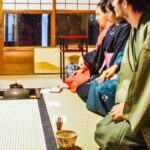
The workshop includes an introduction to the cultural significance of chopsticks in Japan. That context gives the making process a little more meaning: you are not just shaping two pieces of wood, but learning about an everyday object with a place in Japanese dining customs.
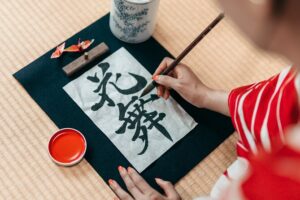
How much you learn beyond the basic introduction may depend on the conversation and instructor. Mikito, for example, has explained different kinds of chopsticks in relation to dietary preferences, discussed the Japanese writing system, and helped participants write their names in Kanji. Treat this as a possible bonus rather than a fixed lesson included in every session.
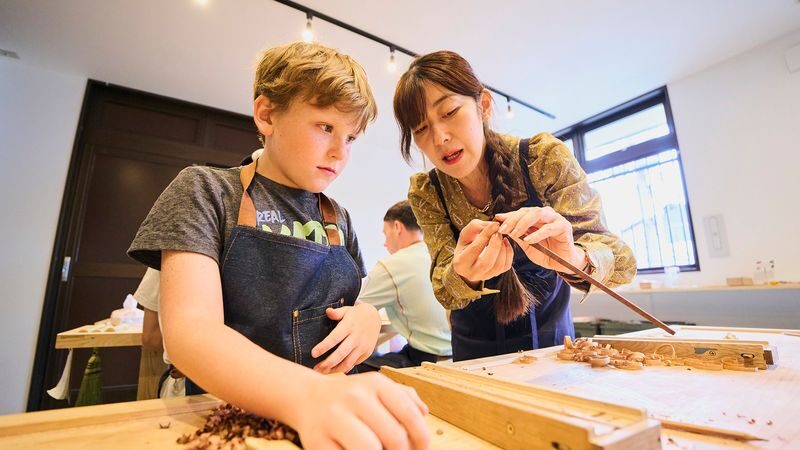
The English guidance is a real practical strength. The activity also lists English and Japanese-speaking staff, and a Spanish-language version is offered. Staff have been praised for being patient and helpful with children, while solo participants can still expect direct support rather than being left to figure out the tools alone.
A personal souvenir, with optional engraving
You leave with chopsticks you made, which is the workshop’s strongest argument. They have a clear use at home, and the making process gives them a story that a shop-bought souvenir cannot quite match. The pair is also a modest reminder of time spent in Arashiyama, rather than another item destined for a drawer.
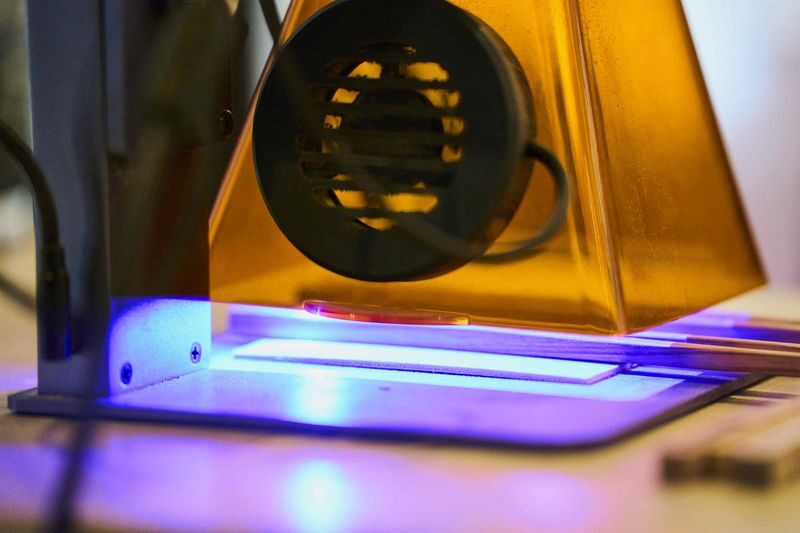
Engraving is offered as an optional service. Participants have added monikers and Kanji names, but it is not included in the standard package. Ask about the extra cost before deciding, especially if you are comparing the standard workshop with the All-Inclusive Premium Plan.
The package names include Kyoto Standard Workshop, Standard Chopstick Making (Spanish), and All-Inclusive Premium Plan. The supplied details specifically describe the Kyoto Standard Workshop, so confirm what each alternative includes before paying more. The standard package already covers the workshop, standard wood, tools, materials, staff guidance, and the finished chopsticks.
Is the starting price good value?
The advertised price starts at $6.35, which is low for a guided activity that includes materials and a handmade item to take home. Your final price may be higher if you select premium wood or engraving, and package options may have different inclusions. Check the selected option carefully rather than assuming every material or finishing service is part of the base rate.
For the standard experience, the value lies in the combination of instruction, making time, and a useful souvenir. You are not paying for an elaborate tour or a long lesson. You are paying for a compact craft activity in a convenient sightseeing district, with staff on hand to help you produce something personal.
If you want a more involved woodworking class, this may feel short. If you want an easy activity that adds a hands-on element to a day of sightseeing, the price and one-hour format make sense. The top rating and 323 activity ratings are encouraging, though it is still worth checking the current price and package terms when you book.


Planning your hour around Arashiyama
You can choose from departure times between 9 a.m. and 6 p.m., subject to availability for your selected package. Your return time is set in relation to the departure and activity duration. Since the studio is the start and finish point, it is easy to pair the workshop with other sights nearby, but leave a buffer if you have a timed reservation elsewhere.
This activity is valid only for the date and time on your booking. Arrive five minutes early; late arrivals of 15 minutes or more are not eligible for a refund. Booking is available as late as the day before, with instant confirmation stated for the activity, but do not rely on a last-minute space if your schedule is fixed.
The minimum age is six. Families, solo participants, school groups, and corporate or educational groups are all listed as suitable audiences. The activity is especially appealing if your group wants to do something together without needing prior craft skills. For younger children, the age limit is the important point to check.
The standard activity information does not specify group size. If you are planning for a large party, contact the provider to confirm arrangements. Free cancellation is available up to 24 hours before the activity date, while operator cancellations due to extreme weather or unforeseen events allow you to reschedule or request a full refund.
Who should book this workshop?
Book it if you want a short, calm activity that gives you something practical to take home, or if you are looking for a family-friendly break from sightseeing. It also suits solo visitors who enjoy making things and anyone curious about Japanese dining customs. The patient guidance and language options help make the process approachable.
Skip it if you are looking for a long, technical craft lesson, or if every minute of your Arashiyama schedule is already spoken for. And if you are especially keen on a certain wood or engraving, check the extra charges before booking. For most people with an hour to spare, the standard workshop offers a personable, low-cost way to make a souvenir rather than simply buy one.
Kyoto Arashiyama Chopstick Making Workshop
“Lucia helped my husband and I, some beautiful chopsticks! strongly recommend! ☺️🤍”
FAQ
How long does the workshop take?
The activity is listed as one hour. Some participants have spent around 90 minutes finishing their chopsticks, so leave extra time if your schedule is tight.
Where is the meeting point?
Meet at Chopsticks Studio Kyoto, 2F, 3-25 Saga Tenryuji Susukinobabacho, Ukyo-ku, Kyoto. Go up the stairs on the left side of the building.
What time can I book?
Departure slots are listed from 9 a.m. through 6 p.m. Available return times depend on your selected departure and the activity duration.
What is included in the standard workshop?
The standard package includes the workshop, standard wood, use of tools and materials, staff guidance, and the handmade chopsticks to take home.
Are premium wood and engraving included?
No. Premium wood upgrades and engraving are optional services and may cost extra.
What languages are available?
The activity lists English- and Japanese-speaking guidance. A Spanish-language package option is also available.
Can children take part?
Yes. Participants must be at least six years old.
What is the cancellation policy?
You can receive a full refund if you cancel at least 24 hours before the activity date, based on local time. Late arrivals of 15 minutes or more and no-shows are not eligible for refunds.