A pair of Japanese jeans becomes a personal souvenir here, but you are not sewing a garment from scratch. You choose a ready-made pair, then customize its hardware and leather label at Betty Smith’s Ebisu workshop. It is a hands-on way to take home something more individual than a standard shop purchase.
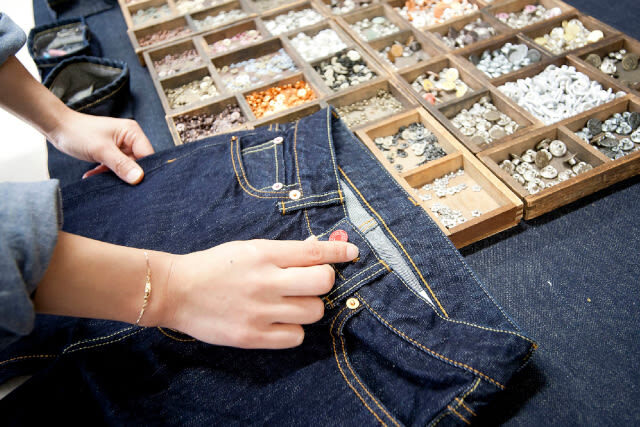
I like two things in particular: you get to use a specialized press to attach your own buttons and rivets, and a craftsperson hems the jeans to your chosen inseam. The selvedge denim and red-edge finish add a taste of Okayama’s denim tradition, though the available jeans and fabrics can vary by style.
One thing to weigh: this is a compact activity, and the actual customization can be over in less than half an hour. The planned sequence allows about an hour, but if you expect a long, hands-on sewing workshop, you may find the pace brisk.
- Choose a ready-made pair: Select a style and size in the workshop, then personalize it.
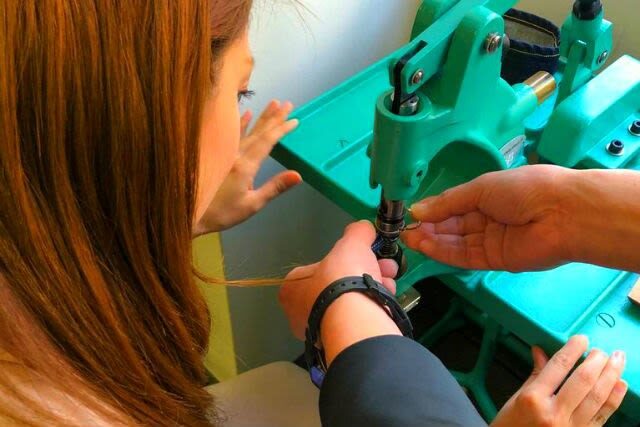
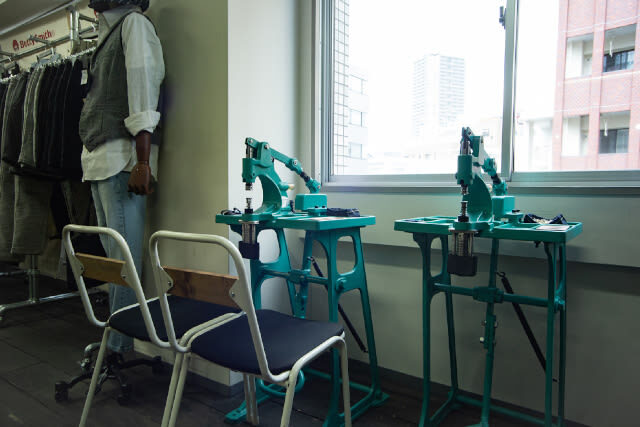
- Press on the hardware: Pick buttons and rivets, and attach them with the shop’s specialized machinery.
- Get a made-to-measure hem: A craftsperson handles the hemming and sews on your leather label.
- Check size and style surcharges: Waist sizes run from 26 to 50 inches, but larger sizes and some styles cost extra.
- Find the workshop in Ebisu: Betty Smith is on the fifth floor of the NN States Building, about a six-minute walk from Ebisu Station.
- Take home a tote: The experience includes an original tote bag, though its colors and patterns can change.
- Choose your denim, not a sewing pattern
- A short walk from Ebisu Station
- From fitting to finished hem
- Arrival and process explanation
- Try on jeans and set the inseam
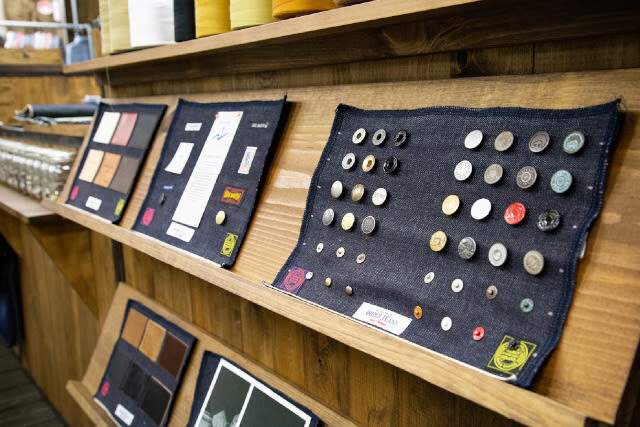
- Pick buttons, rivets, and a leather label
- Press on the hardware
- Let the craftsperson finish the pair
- What the starting price buys
- Who will get the most from it
- Small practical details that improve the visit
- Should you book the Ebisu jeans workshop?
- FAQ
- How long does the jeans-making experience take?
- Where is the workshop?
- How do I get to the workshop by public transport?
- What parts of the jeans do I customize?
- Do I need sewing experience?
- What waist and inseam sizes are available?
- Are there extra charges?
- Is the activity suitable for children?
- Is a tote bag included?
- What should I bring to check in?
- The Best Of Tokyo!
- More Tours in Tokyo
- More Tour Reviews in Tokyo
- Not for you? Here's more nearby things to do in Tokyo we have reviewed
Choose your denim, not a sewing pattern
 1 / 6
 2 / 6
 3 / 6
 4 / 6
 5 / 6
 6 / 6
The phrase jeans making can suggest a long session at a sewing machine. That is not what happens here. You choose a pair of jeans from the options available in the shop, then add selected details. You do not cut denim or sew the jeans together.
That distinction matters when deciding if the price suits you. This is a customization workshop with a finished product at the end, not a technical class in garment construction. You get a tangible souvenir and a small role in the finishing process, while the craftsperson does the hemming and sews on the leather label.
The workshop connects the activity to Okayama denim, a Japanese denim tradition with a strong following among jeans fans. The experience highlights selvedge denim, finished with a red edge intended to prevent fraying. Still, do not assume every style offered is selvedge: the selection can vary, and some pairs may be lighter or more basic than a denim specialist expects.

👉 See our pick of the 25 Best Guided Tours In Tokyo
A short walk from Ebisu Station
The workshop is Betty Smith Ebisu Workshop, at 5F NN States Building, 2-4-7 Ebisu Nishi, Shibuya-ku. It is listed as a six-minute walk from Ebisu Station on all lines. One practical wrinkle: the building can be a little hard to spot, so allow time to find the entrance rather than arriving at the last minute.
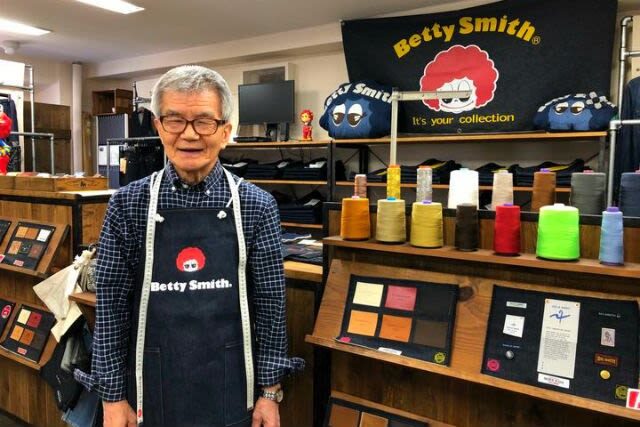
Ebisu makes a useful setting for an activity that does not need to fill a whole day. You can fit it around other plans in Tokyo, or use it as a rainy-day stop. The workshop is described as clean and safe, and its small scale can make for a more personal session. Some bookings have been private, while other people may be in the shop at the same time.
Book in advance. Do not count on walking in and joining a session. Have your Klook voucher ready on a phone or another internet-connected device, since staff need to see it. The voucher is valid only for the date and time specified, and late arrivals or no-shows are not refundable.
You can also read our reviews of more tours and experiences in Tokyo.



From fitting to finished hem
The planned sequence totals about an hour, though the order can change with the day’s circumstances. Actual visits can be much shorter, sometimes under 30 minutes. That gap is worth knowing: the listed timings describe the stages, not a promise that you will spend a full hour working.
Arrival and process explanation
The first ten minutes are set aside for an introduction to the production process. Staff explain what you will do and help you understand the choices in front of you. English-language help has been available, and you can request English-speaking assistance when booking.
This is the moment to ask about the jeans, fit, and possible extra charges. Staff have been praised for guiding people through selection and answering questions, but the pace can feel quick. If you want time to compare options, say so early and look around before you settle on a pair.
Try on jeans and set the inseam
Next comes a fitting and inseam check, planned for about ten minutes. Available inseams are roughly 80 to 85 centimeters, or 32 to 34 inches. If you need a longer inseam, the workshop recommends its custom-made jeans instead.
Fit deserves more thought than the hardware, especially if you have a particular rise or silhouette in mind. One customer found that the Small sat higher than expected and chose a larger size to wear the jeans lower and looser. That is a useful reminder: the number on the waist tag does not tell the whole story. Try on the style and consider how you actually wear your jeans.
Waist sizes run from 26 to 50 inches, but the selection of styles and sizes may not be equally broad across that range. Sizes 36 inches and up incur an extra charge. If fit is a high priority, tell the staff what you want before choosing rather than making a quick decision just to get to the fun part.
Pick buttons, rivets, and a leather label
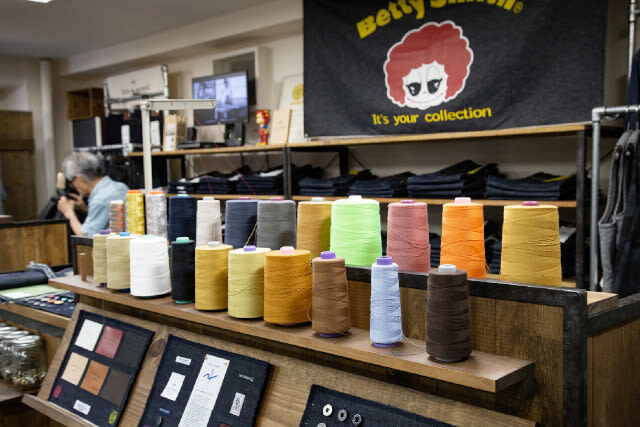
You then choose your buttons, rivets, and leather label, with about ten minutes planned for this stage. The hardware is where the jeans become recognizably yours. The shop offers a range of options, and some special labels or patches may cost extra.
This is also the best place to slow down. The hands-on part is brief, so taking time to compare the choices makes the session feel more personal. If you are shopping for a specific detail, ask whether it is included in the base price before you commit. Special accessories, including character-themed labels, may add to the cost.





Press on the hardware
Staff show you how to use the specialized machinery to attach the buttons and rivets. You get to operate the press yourself, with guidance. It is a simple action, more satisfying than difficult, and no sewing experience is needed.
Keep expectations in proportion. You are not operating a full production line or learning a broad set of denim-making skills. You are adding selected hardware to a ready-made pair. For a child or teenager, that clear, quick task can be a highlight; for an experienced sewer, it may feel limited.
Let the craftsperson finish the pair
The final stage is planned for about twenty minutes. A craftsperson hems the jeans to the agreed inseam and attaches the leather label. This is an important part of the finished fit, but it is not work you do yourself.
That division of labor makes the activity accessible to people with no sewing background, and it helps you leave with a more wearable result. It also explains why the workshop is not a sewing class. If you want to stitch the patch or construct the jeans yourself, this is not the right format.
What the starting price buys
The experience starts at $152.89, including the experience fee, materials, and consumption tax. The listed base price covers the jeans, leather patch, buttons, rivets, instruction, and the workshop itself. An original tote bag is also included, with its color and pattern subject to change.
That is a meaningful price for a short activity, so judge it as a package: you are paying for a pair of jeans, custom details, the finishing work, and a memorable stop in Tokyo. If you would otherwise buy Japanese denim and value a personal souvenir, the price may feel worthwhile. If you mainly want the lowest-cost pair of jeans or a substantial sewing lesson, it is harder to justify.
The final bill can rise. Depending on the style and size you choose, local surcharges range from ¥2,200 to ¥11,000. Sizes 36 inches and up have an additional charge, and special accessories may cost more. The experience also notes a ¥2,000 fee increase from June 1, 2025, so check the current booking price and ask staff about any add-ons before choosing.
A denim jacket workshop is available with an additional local charge of ¥8,800 to ¥13,200. The booked package described here is the jeans-making experience, so do not assume the jacket is included. A customer also made a denim skirt, but availability and price for other products may depend on what the shop offers that day.
Who will get the most from it
This activity is a good match if you like clothes, Japanese denim, or souvenirs you can actually wear. It also works well for families with older children: participants must be at least 10, and the process is simple enough that no sewing knowledge is needed. Teenagers have enjoyed choosing details and leaving with a pair they helped customize.
It can make a thoughtful birthday present or a fun shared activity for two. Staff have been described as patient and helpful, including when guiding people through sizes, customization, and English-language service. One staff member named Atsushi was singled out for making a session enjoyable, though the person assisting you will depend on the day.
Denim enthusiasts should be selective. The workshop gives you a close look at finishing details and a chance to personalize a pair, but the denim weight and selvedge options may not satisfy everyone. If you care most about a particular weave, cut, or construction, ask to see the exact pair you will buy before paying.
Small practical details that improve the visit
Arrive with a rough idea of the fit you want, but stay open to trying another size. If you prefer a baggy or low-waisted look, explain that clearly. A good fit can matter more than the patch or button you pick.
Give yourself a few minutes to look around. The activity can move quickly, and the shop has more to see than the exact steps in the workshop. If you rush through the choices, you may miss a style or accessory that better suits you.
The session is an easy option for a rainy day, but it is not a long indoor attraction. Treat it as a compact stop, not an all-afternoon plan. The included tote is handy for carrying your purchase, though its design may not match the example you have in mind.
Should you book the Ebisu jeans workshop?
Book it if you want a personal, wearable Tokyo souvenir and enjoy choosing the small details that make a garment your own. The strongest reasons are the helpful guidance, the hands-on hardware press, and the finished hem. It is especially appealing for families with children aged 10 or older, fashion-minded visitors, and people who want to try a Japanese denim activity without needing sewing skills.
Think twice if you expect to sew the jeans yourself, want a long class, or are very particular about heavy selvedge denim. Check your size and the exact style options, and budget for possible surcharges. With those expectations set, the workshop is a pleasant, practical way to make a pair of jeans feel like your own.
Jeans Making Experience (Ebisu, Tokyo)
“My daughter and I had a really great time customising our own jeans at this workshop! the choices of buttons, rivets, and patches are amazing, and…”
FAQ
How long does the jeans-making experience take?
The planned stages add up to about 60 minutes, though the schedule may change. The activity can be much quicker in practice, sometimes under 30 minutes.
Where is the workshop?
It is Betty Smith Ebisu Workshop, 5F NN States Building, 2-4-7 Ebisu Nishi, Shibuya-ku, Tokyo 150-0021.
How do I get to the workshop by public transport?
It is about a six-minute walk from Ebisu Station on all lines.
What parts of the jeans do I customize?
You choose the jeans, buttons, rivets, and leather label. You attach the buttons and rivets with specialized machinery. A craftsperson hems the jeans and sews on the label.
Do I need sewing experience?
No. The workshop guides you through the process, and no sewing knowledge is needed.
What waist and inseam sizes are available?
Waist sizes range from 26 to 50 inches. The available inseam is about 80 to 85 centimeters, or 32 to 34 inches.
Are there extra charges?
Yes. Sizes 36 inches and up cost extra, and some styles or accessories may also carry a surcharge. Listed local charges for jeans styles and sizes range from ¥2,200 to ¥11,000.
Is the activity suitable for children?
Participants must be at least 10 years old.
Is a tote bag included?
Yes. The experience includes an original tote bag, but its color and pattern may vary.
What should I bring to check in?
Bring your mobile voucher on a smartphone or another internet-connected device. The voucher is valid only on the specified date and time.