Japan’s appeal is its contrasts: a morning among Tokyo’s towers, an evening in Kyoto’s old lanes, then a night at a Buddhist monastery on Mount Koya. This 15-day route connects the famous sights with smaller towns, island ferries, mountain roads, and hot-spring stops.
I like two things in particular: the variety of places, from Hiroshima’s Peace Memorial Park to the macaques at Jigokudani, and the practical transport plan, which combines a bullet train, coaches, and ferries so you can cover a lot without organizing every transfer yourself.
The trade-off is pace. You change cities often, and a past trip was described as hectic, with too little time at major sights. If you prefer slow mornings and long, unhurried visits, this route may feel like Japan at fast-forward.
- At a glance: what matters most
- Tokyo’s temples, crossings, and city views
- Kyoto by bullet train, then Nara and Osaka
- Castles, Hiroshima, and the Seto Inland Sea
- Shikoku’s castles, gardens, and sea crossings
- One night on sacred Mount Koya
- Tsumago, Matsumoto, and the Japanese Alps
- Nikko, Kamakura, and the final Mount Fuji day
- What the price covers, and what it does not
- Pace, group size, and who will enjoy this route
- Should you book this Japan tour?
- FAQ
- Is international airfare included?
- Is an airport transfer included?
- Which meals are included?
- Is the tour guided in English?
- How large can the group be?
- Are all hotels four-star?
- Is Mount Fuji’s Fifth Station always included?
- How physically demanding is the tour?
- The Best Of Tokyo!
- More Tours in Tokyo
- More Tour Reviews in Tokyo
- Not for you? Here's more nearby things to do in Tokyo we have reviewed
At a glance: what matters most
 1 / 10
 2 / 10
 3 / 10
 4 / 10
 5 / 10
 6 / 10
 7 / 10
 8 / 10
 9 / 10
 10 / 10
- A rare overnight on Mount Koya: Stay in a Buddhist monastery, share a vegetarian dinner, and take part in a Zen meditation practice when available.
- A strong mix of transport: Ride the bullet train from Tokyo to Kyoto, cross to Shikoku by ferry, and travel by coach through the countryside.
- Big-name sights and quieter stops: See Tokyo Skytree, Kinkakuji, Hiroshima, and Mount Fuji, alongside Tsumago, Ikaho, and Kurashiki.
- Some meals and admissions are covered: Breakfast is included, along with five lunches, four dinners, and many major site tickets.
- The schedule is ambitious: Expect frequent hotel changes and full touring days, plus some long coach rides.
- Mount Fuji access depends on conditions: The Fifth Station road can close in winter, while volcanic activity can affect access to Owakudani.

👉 See our pick of the 25 Best Guided Tours In Tokyo
Tokyo’s temples, crossings, and city views
Day one is an arrival day. A shared shuttle takes you from Tokyo airport to your hotel, then the rest of the day is free. The tour briefing happens later, so keep your first plans light until you know the timing.
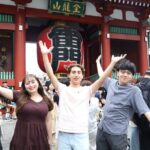
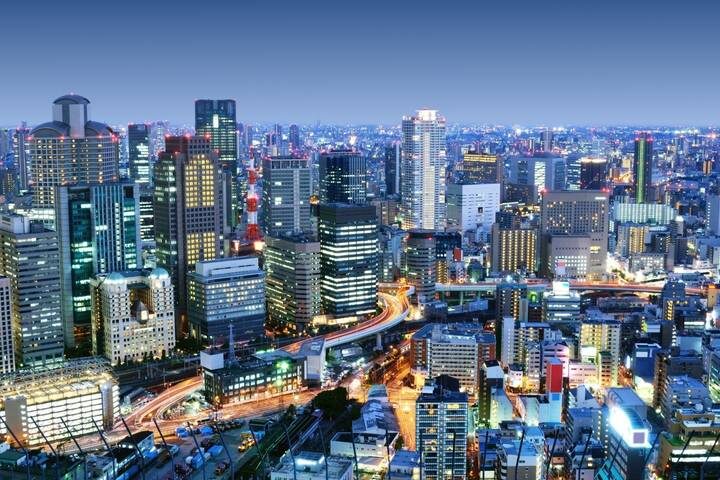
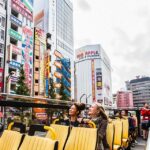
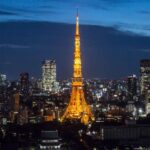
Day two packs a lot into a guided city tour of about seven hours. You stop at Zojoji Temple for a view of Tokyo Tower, see Shibuya Crossing from the bus, visit Meiji Shrine, and go up Tokyo Skytree to the Tembo Deck at 350 meters. At street level, Sensoji Temple and Nakamise Street give you a look at Asakusa’s older commercial quarter.
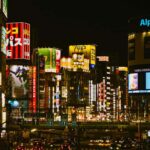
The tour passes Akihabara and Ginza on the way back, but those are not listed as guided visits. Save them for your own time if electronics, anime, or high-end shopping interest you. In the evening, a guide takes the group by subway to Shinjuku for a walk and included dinner at a local restaurant.
This is a useful first full day, but it is more orientation than deep exploration. You see several districts, though Shibuya is viewed from the coach and each stop has a time limit. Tokyo’s scale makes the organized transport valuable, but you may want extra nights before or after the tour if you want to explore independently.
You can also read our reviews of more tours and experiences in Tokyo.


Kyoto by bullet train, then Nara and Osaka
On day three, the bullet train takes you nearly 500 kilometers from Tokyo to Kyoto in just over two hours. The day includes Fushimi Inari Shrine, the Imperial Palace, and Kinkakuji, the Golden Pavilion, followed by time in Gion. It is a substantial first taste of Kyoto, but not a complete one: Arashiyama’s bamboo grove is not included.
You return to Kyoto on day ten for a full free day after the Mount Koya stay. That second visit is a welcome chance to choose your own pace, revisit a favorite area, or follow the guide’s suggestions. If Kyoto is a priority, this free day is one of the tour’s most useful stretches of independent time.
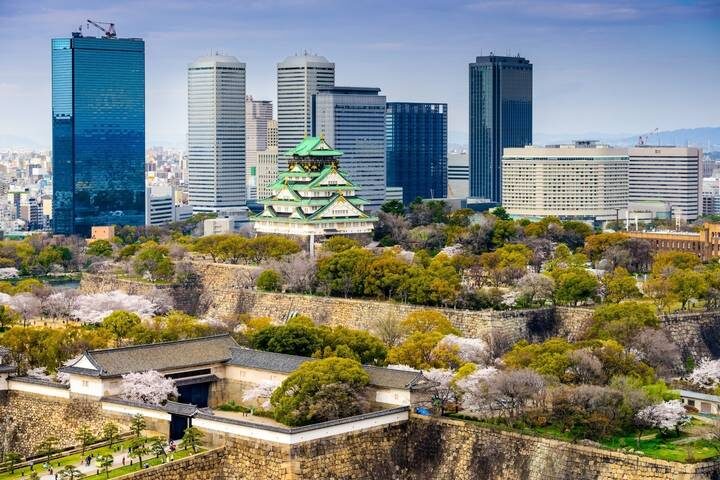
Day four begins in Nara, with Todaiji Temple and its giant Buddha, plus the deer in the surrounding park. You also visit Horyu-ji, whose central pagoda is among the world’s oldest wooden structures. Lunch is included before the coach continues to Osaka, where the evening brings a visit to Dotonbori.
That is a lot of history in one day. The contrast works well: Nara’s temple grounds feel open and old, while Dotonbori brings neon signs, restaurants, and city noise. You will have a taste of Osaka after dark, not a full day to explore it.
Castles, Hiroshima, and the Seto Inland Sea
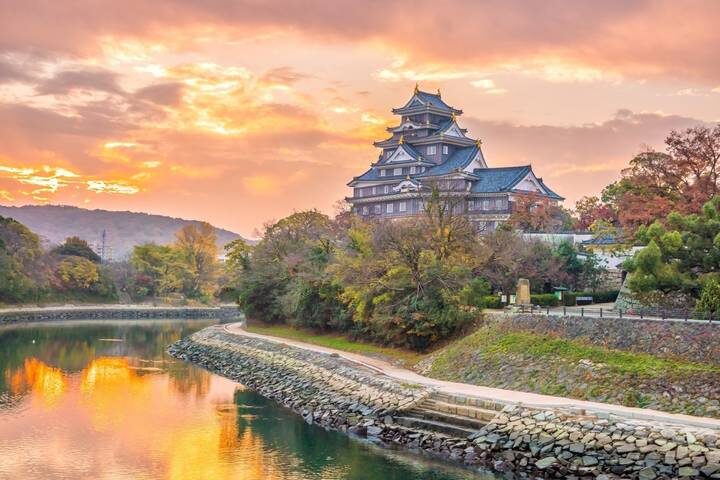
Day five is a castle-and-garden day. Himeji Castle’s admission is included, then you continue to Okayama for Korakuen Garden and an exterior view of Okayama Castle. Going inside Okayama Castle is optional and not included. Depending on the date, the overnight may be in Fukuyama or Kurashiki rather than Okayama, so the exact overnight stop can vary.
Kurashiki’s old center comes next, with time to walk among its preserved streets before continuing to Hiroshima. The Hiroshima program is emotionally weighty and important: Peace Memorial Park, the Atomic Bomb Dome, and the Peace Memorial Museum help explain the scale of the 1945 destruction and the city’s remembrance of it.
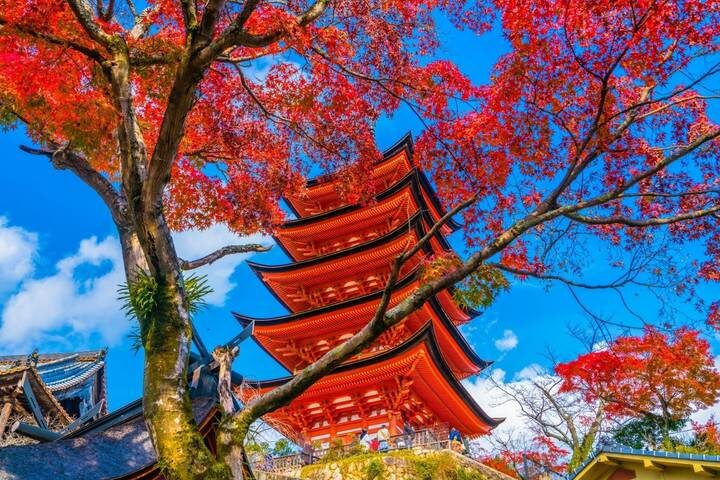
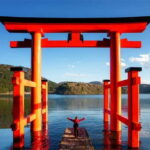
A ferry then takes you to Itsukushima Island to visit the shrine built partly over the water. You have time to see the town center and get lunch before returning to Hiroshima for dinner. This is a long day with a striking shift in mood, from remembrance to a calm island setting. Keep in mind that the order of the Hiroshima visits can change.
Shikoku’s castles, gardens, and sea crossings
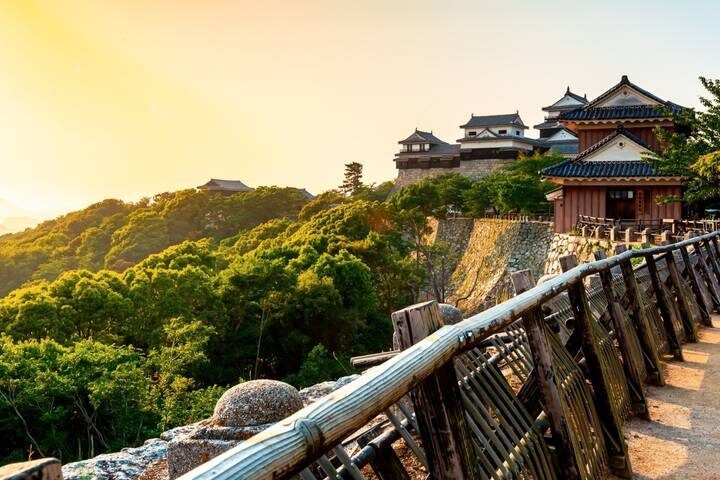
On day seven, a two-and-a-half-hour ferry ride carries you from Hiroshima to Matsuyama on Shikoku. In town, you take a cable car to Matsuyama Castle, visit Ishiteji Temple, and go to Dogo Onsen, a 19th-century bathhouse. Lunch is included. The ferry ride is more than a transfer: it gives you a sense of Japan as an island country and a welcome break from the coach.
The next day covers Kotohira, Takamatsu, Naruto, and Kobe. At Kotohira, reaching the Shinto shrine involves climbing 785 steps on Mount Zosu. Ritsurin Garden in Takamatsu offers a gentler contrast, with time to appreciate its designed grounds before lunch.
In Naruto, you walk on a glass-floored section of the bridge to look down at sea whirlpools from 45 meters above. The coach then follows a scenic route over bridges linking islands before reaching Kobe. This is one of the most packed days on the route, and the actual whirlpools depend on conditions. Wear comfortable shoes for the shrine steps and be ready for substantial time on the road.
One night on sacred Mount Koya
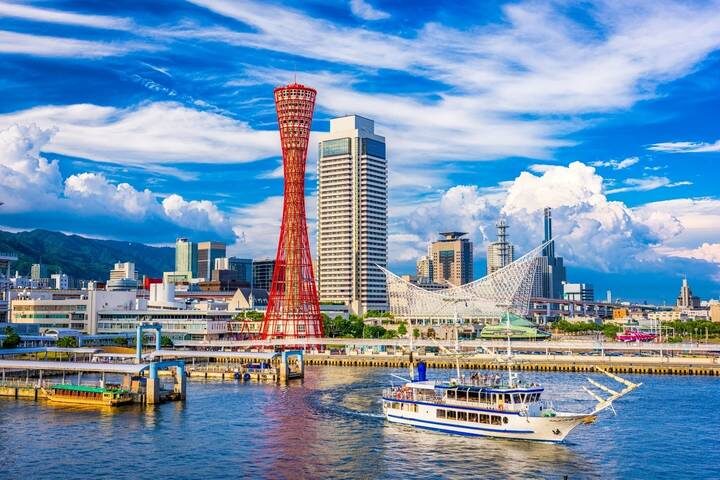
Kobe’s Earthquake Memorial Museum honors the 1995 earthquake and the city’s reconstruction. On some dates, the visit may be replaced by a sake museum or a trip up Kobe Tower, so this part of the day is not fixed.
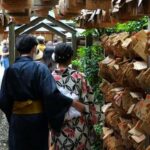
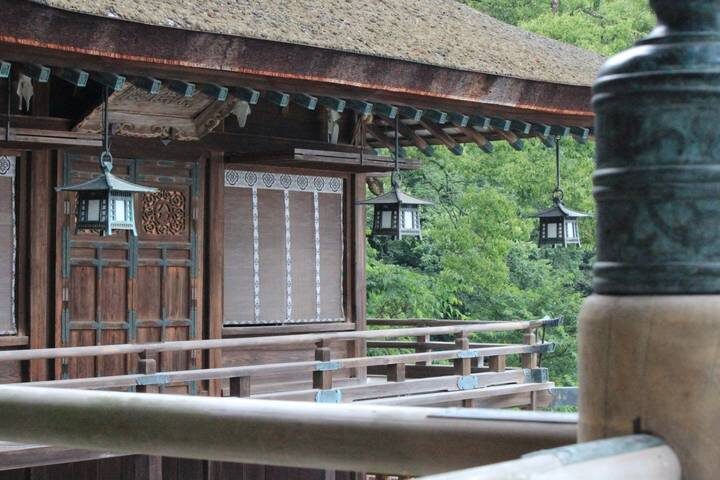
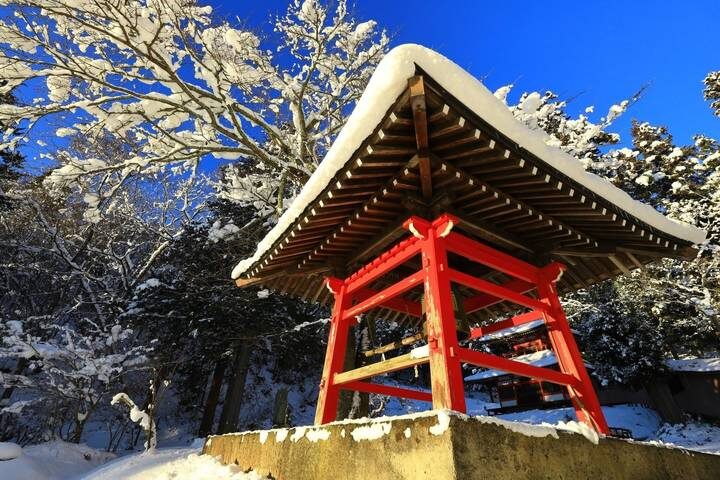
The main event follows on Mount Koya, a major center of Shingon Buddhism. You visit Okuno Mausoleum, a vast woodland cemetery, and Kongobuji Temple, then spend the night at a monastery. The stay is simple by hotel standards: expect tatami-style rooms and shared bathrooms, not private facilities. Dinner is vegetarian, and the monks are scheduled to lead a Zen meditation practice, though it cannot be guaranteed on peak dates.
A traditional Japanese breakfast is included the next morning. You may also be able to attend a religious ceremony before breakfast. This is one of the tour’s most distinctive experiences, but it is best suited to someone comfortable with basic lodging and shared facilities. If monastery space is unavailable, accommodation may instead be at a nearby hotel.

Tsumago, Matsumoto, and the Japanese Alps
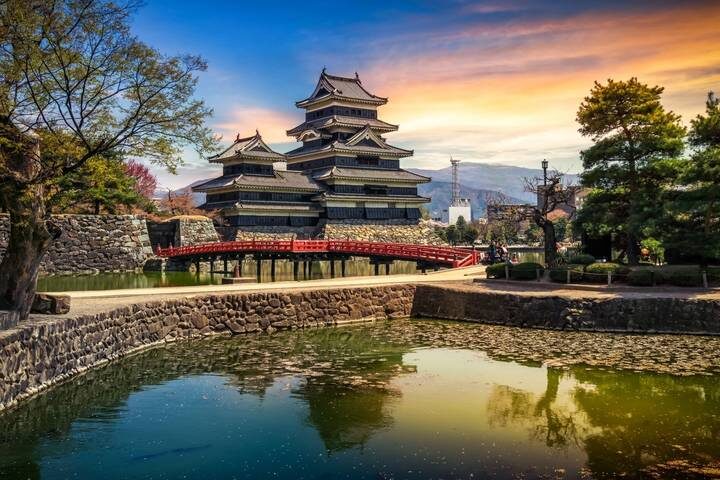
After a free day in Kyoto on day ten, you travel through the countryside to Tsumago. Its wooden houses and preserved village setting make it a welcome change from the major cities. Lunch is included, then the coach continues to Matsumoto to visit its 16th-century castle, known as the Crow, before the overnight in Nagano.
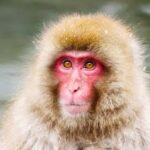
Day twelve starts at Zenko-ji Temple, where you take part in a Gomakuyo ceremony for good fortune. From there, the route heads into the mountains to Jigokudani Monkey Park. Reaching the macaques means walking forest trails, so this is not a bus-door-to-viewpoint stop. In autumn, the monkeys may not come down to the park, and the visit can be affected by their movements.
The drive continues through high mountain scenery, reaching 2,172 meters and passing semi-active volcanoes on the way to Kusatsu. You stroll through a park with open-air hot springs, then continue to Ikaho, known for its stone stairway streets. The overnight is in a ryokan, a traditional inn, with dinner included. Bathing in the hot springs is recommended by the operator but is not listed as an included activity.
Kusatsu’s visit may be canceled because of weather from November through April. If you are booking in winter, treat the mountain stops as weather dependent rather than guaranteed.
Nikko, Kamakura, and the final Mount Fuji day
Day thirteen brings Nikko’s ornate Toshogu Shrine, Taiyuinbyo Mausoleum, and the riverside path at Kanmangafuchi Abyss, where lines of Jizo statues watch over the water. There is some free time in town before the coach returns to Tokyo, arriving around 6:30 p.m. This is another full day, so do not plan a late evening commitment in Tokyo.
The following day, you leave Tokyo for Kamakura. At Hokoku-ji, you walk through a bamboo grove and have green tea. You also visit Sugimoto-dera and the Great Buddha before a coastal drive to Enoshima, where lunch and time to explore are on your own. Odawara Castle closes the day, with an overnight in Odawara.
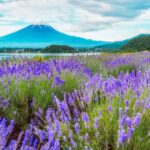
The last day includes Owakudani’s volcanic vents and sulfur gases, the eight ponds of Oshino Hakkai, a boat ride on Lake Kawaguchiko, and an ascent to Mount Fuji’s Fifth Station at 2,305 meters, when roads and weather allow. If Owakudani is closed due to volcanic activity or toxic gases, the substitute is Kitaguchi Hongu Fuji Sengen Shrine. In winter, snow may limit access to the Fifth Station.
This is a memorable finish, but it is not a summit climb. You travel to a high viewpoint by road, then return to Tokyo at the end of the day. The airport transfer on departure is not included, so check your flight time and consider booking an extra night if the timing is tight.
What the price covers, and what it does not
The advertised starting price is $5,257 for 15 days. Value depends on how much you would otherwise spend arranging transport, hotels, admissions, and guided visits across this many regions. The price includes accommodation, breakfast buffet, basic travel insurance, the arrival transfer, and transport between destinations. Many major admissions are also covered, including Tokyo Skytree, Himeji Castle, the Hiroshima Peace Memorial Museum, and the Mount Fuji area stops when open.
Five lunches and four dinners are included, among them the vegetarian monastery dinner and the traditional ryokan dinner. You will still need to budget for other meals, personal spending, and international flights. Airport transport at the end of the tour is also not included.
Hotels are selected for practical comfort and access to public transport, not luxury. Most have private bathrooms, though the monastery is a clear exception. The exact property can vary by departure, and the published options include both three- and four-star hotels. Treat hotel names as possible placements, not a promise of one specific property.
Pace, group size, and who will enjoy this route
The tour is guided in English, though the guide may change during the trip and some departures may use bilingual explanations, usually English and Spanish. The listed group range is 2 to 72 people. That is a wide range, so group size and the feel of the trip may vary by departure.
The physical rating is low intensity, but low intensity does not mean no effort. Expect stairs at Kotohira, walking trails at the monkey park, temple grounds, and frequent getting on and off the coach. The schedule favors seeing many places over lingering at a few.
The available rating snapshot gives transport its highest category score, 5 out of 5, while the overall score is 4.2 from a single review. That is too small a sample for a firm verdict, but the practical strength is clear: the long transfers, ferries, and rail journey are arranged for you. The main caution is equally clear: a past passenger found the daily schedule hectic and wanted more time at major sights.
Should you book this Japan tour?
Book it if you want a broad first trip, value having the transport and major logistics handled, and are happy to trade free time for a long list of destinations. Mount Koya’s monastery night, the Shikoku ferry crossings, and the combination of cities, mountains, and historic towns give the route more range than a Tokyo-Kyoto-only tour.
Look elsewhere, or add independent days, if you want to set your own pace, spend several hours at each major temple, or explore Kyoto’s less central districts in depth. Before booking, check the departure month, possible seasonal closures, likely hotel placements, and whether the day-by-day pace suits you. For a traveler who wants a guided sampler of Japan with a few genuinely distinctive stays, this is a strong but busy option.
Japan’s Landscapes and Mount Fuji by Europamundo – 15-Day Tour (2026-27 Departures)
“Daily itinerary was a bit hectic. BUT will appreciate if we get more time at major,popular,significant spots.”
FAQ
Is international airfare included?
No. International flights are not included in the tour price.
Is an airport transfer included?
A shared transfer from Tokyo airport to the hotel is included on arrival. A departure transfer to the airport is not included.
Which meals are included?
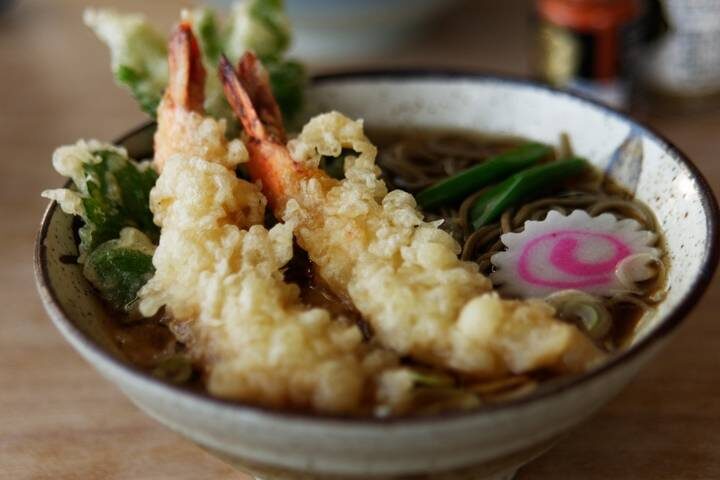
Breakfast buffet is included, along with five lunches and four dinners. The Mount Koya dinner is vegetarian, and the Ikaho ryokan dinner is traditional Japanese food.
Is the tour guided in English?
Yes, English-language guiding is offered. The guide may change during the tour, and some departures may use bilingual explanations, usually in English and Spanish.
How large can the group be?
The stated group size ranges from 2 to 72 people.
Are all hotels four-star?
No. The hotel list includes both three- and four-star properties. The monastery stay is simple, with tatami-style rooms and shared bathrooms.
Is Mount Fuji’s Fifth Station always included?
The tour plans to go to the Fifth Station, but winter snow or weather can close the road or limit how far the coach can ascend.
How physically demanding is the tour?
It is rated low intensity, but you should expect walking at temples and the monkey park, plus 785 steps to the Kotohira shrine.