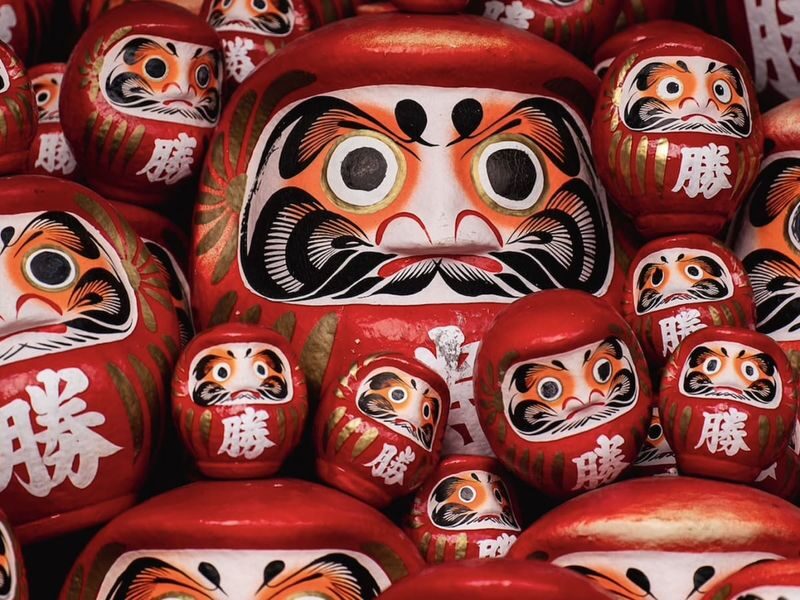
A Daruma is more than a round, red keepsake. It stands for persistence, tied to the saying fall down seven times, stand up eight. At this 55-minute Asakusa workshop, you’ll hear about that tradition, try Japanese calligraphy, and make a Daruma that carries your own name or wish.
I like two things in particular: you get to make something personal, not just buy a souvenir, and the class pairs hands-on painting with a short introduction to Daruma and Kanji. A participant has singled out Suzuki for explaining the subject clearly, though the staff member leading your session may differ.
One practical catch: the studio is on the fourth floor, and there’s no elevator. Paint can also mark clothing, so wear something you don’t mind getting dirty.
- The useful details at a glance
- Turning a lucky charm into your own souvenir
- What happens during the 55-minute class
- Finding the studio in Asakusa
- How much the experience is worth
- Who will get the most from making a Daruma
- Small preparations that make the visit easier
- Should you book this Asakusa workshop?
- FAQ
- How long does the Daruma and calligraphy experience take?
- Where is the meeting point?
- What time slots are available?
- Is the activity suitable for children?
- What is included in the price?
- Is the studio accessible by elevator?
- Can I get a refund if I cancel?
- The Best Of Tokyo!
- More Tours in Tokyo
- More Tour Reviews in Tokyo
- Not for you? Here's more nearby things to do in Tokyo we have reviewed
The useful details at a glance
 1 / 8
 2 / 8
 3 / 8
 4 / 8
 5 / 8
 6 / 8
 7 / 8
 8 / 8
- A Daruma with a purpose: The doll represents perseverance and the saying fall down seven times, stand up eight.
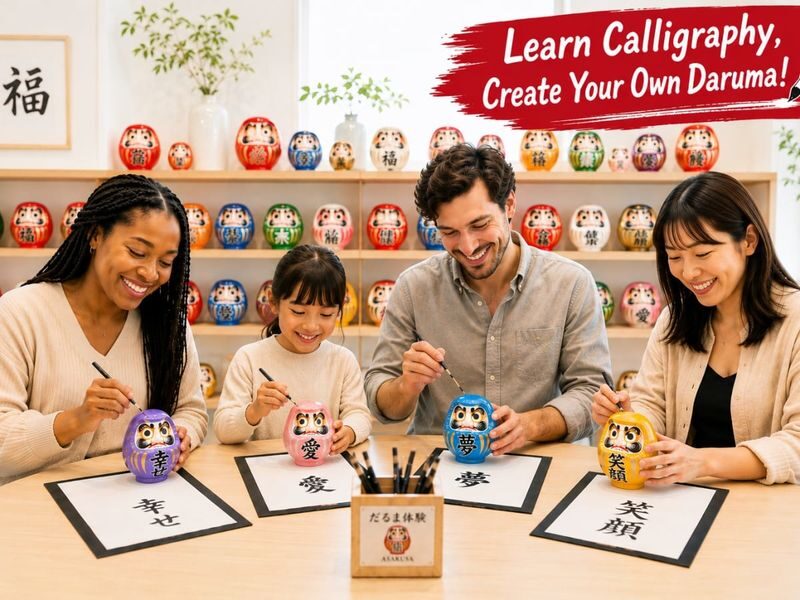
- Calligraphy for beginners: Practice writing your name and other words in Kanji with a traditional brush pen.
- A keepsake you decorate yourself: Choose a Daruma color, then add your name or a wish.
- A short Asakusa activity: Plan for about 55 minutes, with the session ending at the same address where it begins.
- English and Japanese support: Staff speak both languages.
- Stairs and paint are part of the plan: The studio is on the fourth floor without an elevator, and paint may get on your clothes.

👉 See our pick of the 25 Best Guided Tours In Tokyo
Turning a lucky charm into your own souvenir
The central appeal here is simple: you learn a little about a Japanese symbol, then make a version that means something to you. Daruma dolls are associated with resolve and good fortune, not just decoration. The saying tied to them, fall down seven times, stand up eight, gives your finished piece a story you can remember after the trip.
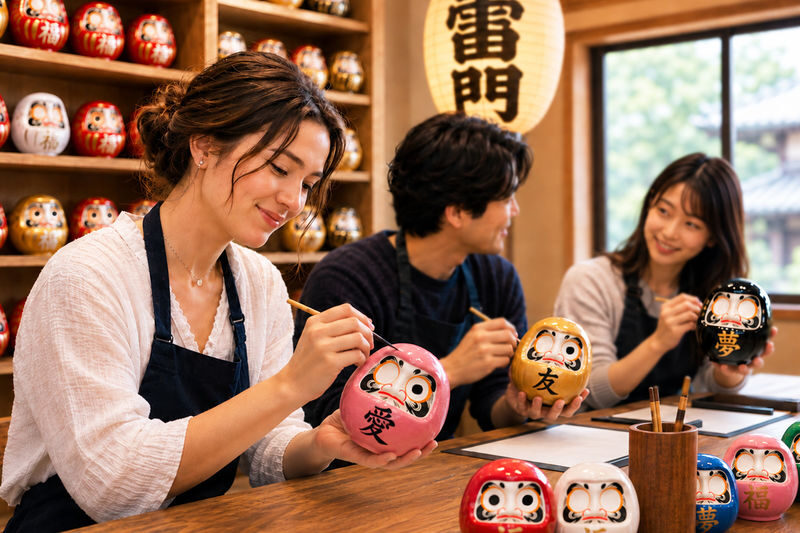
That personal element makes this different from picking up a factory-made souvenir on Nakamise-dori. You choose a color and decorate the doll with a wish or your name. The result may be playful rather than polished, which is part of the point: it reflects your hand and your time in Tokyo.
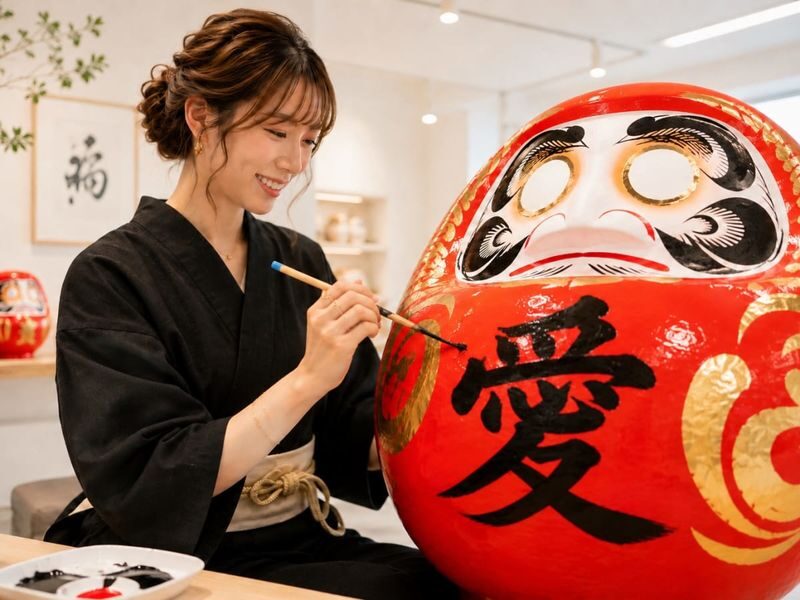
The workshop also gives you a small introduction to calligraphy. You practice with a traditional brush pen and try writing Kanji, including your name and other words. You do not need to know Japanese beforehand. The activity is designed to let you try, not to test your writing skills.
Expect a guided craft session, not a formal calligraphy course. In roughly 55 minutes, there is time to learn a little, practice, and decorate. If your main goal is to study brush technique in depth, this short format may feel light. If you want a compact cultural activity with a tangible result, the mix makes sense.
You can also read our reviews of more tours and experiences in Tokyo.



What happens during the 55-minute class
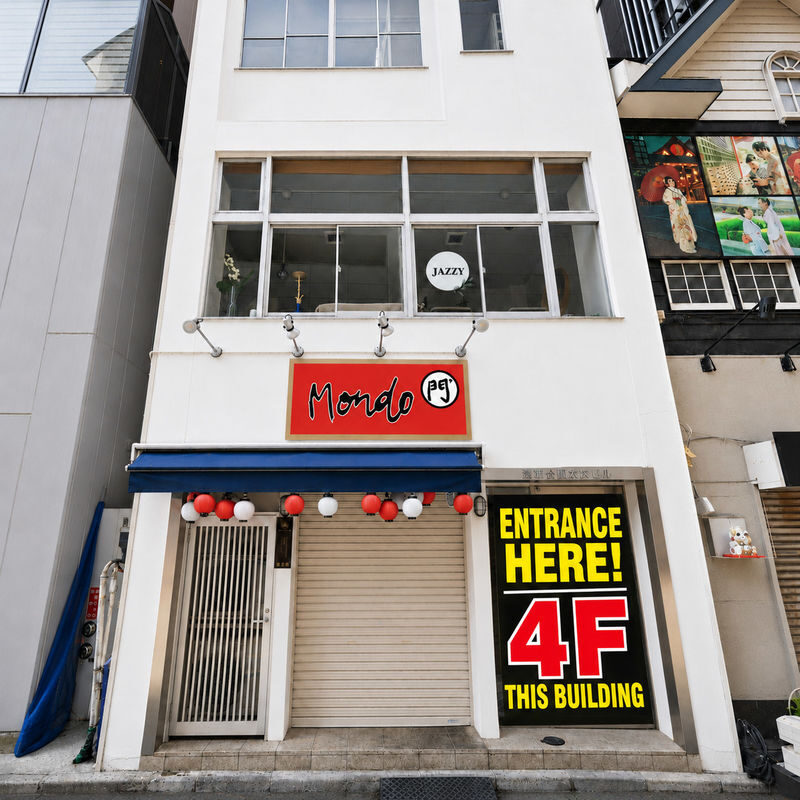
The session takes place at LUCKY DARUMA ASAKUSA, at Asakusa Koen Rokku Building, fourth floor. Once there, staff introduce the Daruma and explain the idea behind its reputation as a lucky charm. The background matters: it gives your craft a reason beyond choosing colors and making a cute object.
Next comes calligraphy practice. You’ll use a traditional brush pen to try writing Kanji, with a chance to write your name and other words. This is a hands-on introduction rather than a lesson that assumes prior knowledge. Go in ready to experiment; brush writing can feel unfamiliar at first, and that is part of the fun.
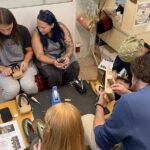
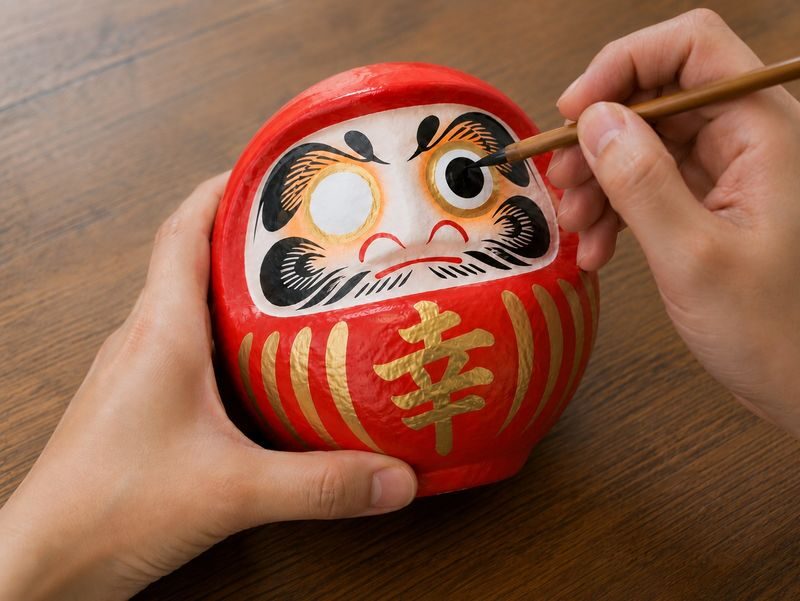
Then you choose a Daruma color and decorate your doll with a wish or name. The materials for both the calligraphy and the doll-making are provided. The instructions say you can use various materials to draw and create, but the exact selection may depend on the session, so don’t count on a specific paint or tool.
The finished Daruma is yours to take home. It makes a memorable reminder of Tokyo, especially if you write a goal or personal wish on it. The class does not promise a particular design, so leave room for your own ideas rather than expecting a single set pattern.
The stated duration is an estimate. Your class may run a little differently depending on how the activity progresses. The scheduled experience is short enough to fit between other Asakusa stops, but avoid planning another timed booking immediately afterward.
Finding the studio in Asakusa
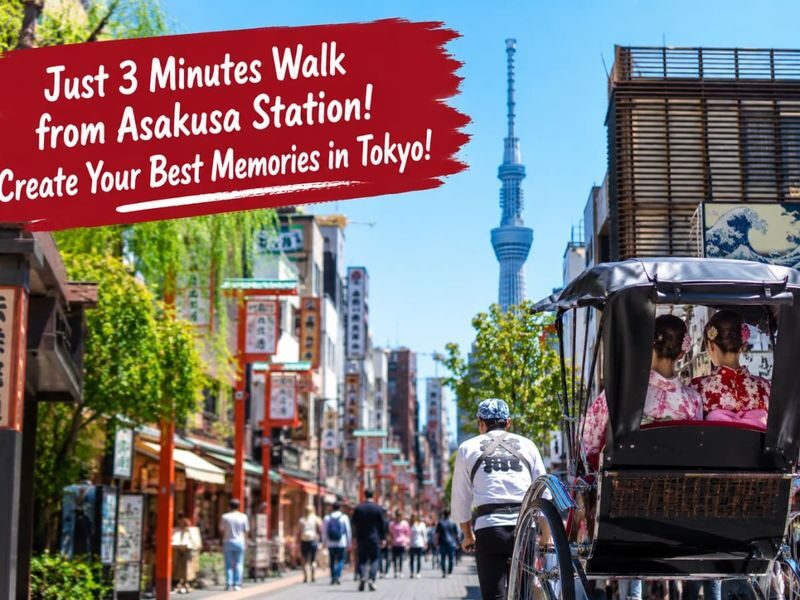
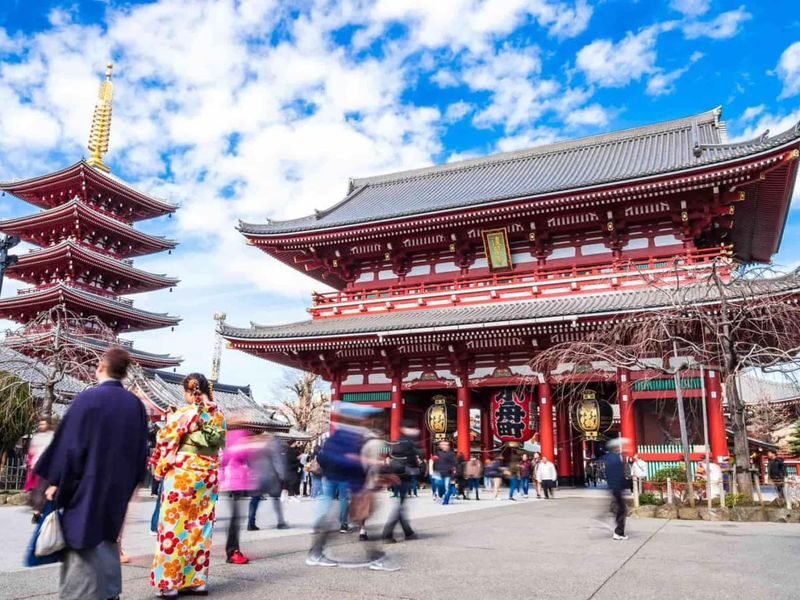
The address is Asakusa Koen Rokku Building 4F, 2-6-14 Asakusa, Taito-ku, Tokyo. The location is described as a three-minute walk from Asakusa Station, and the directions also give a one-minute walk from Tsukuba Express Asakusa Station. Asakusa has more than one station serving the area, so check which one your route uses before setting off.
There is no guide meeting you elsewhere and no group transfer. Make your own way to the studio, then arrive five minutes before your selected start time. The listed slots are 10:30, 12:00, 13:30, 15:30, 17:00, and 18:30. Your booking time is the one that counts, and late arrivals or no-shows are not refundable.
The class ends at the same address. Transportation is not included, which should be easy to manage if you are already exploring Asakusa, but remember to include your train or other local travel in your day’s budget.
The fourth-floor location has no elevator. That is the main access issue to consider before booking, especially if you use a wheelchair or have difficulty with stairs. The organizer advises checking in advance if mobility is a concern.
How much the experience is worth
The experience is advertised from US$29.15, while the package choices supplied for this activity show prices from US$48.55. Since those figures do not match, check the price for your exact date and package before you pay. The displayed rate is per person, and children aged five and older pay the same rate as adults.
For the right person, the value is not just the doll or the materials. You get a short explanation of Daruma, a chance to try calligraphy, and a personalized object to bring home. That combination can be a better fit than a quick shopping stop if you want a souvenir with a story attached.
At the higher displayed package price, compare it with how much you value a guided, hands-on activity. It is a short class, not a half-day workshop, and transportation is extra. If you are deciding between this and a more elaborate craft session, the appeal here is the easy-to-understand theme and the two activities in one sitting.
Children are welcome from age five, and young children must be accompanied by a guardian. Families may appreciate that each person can make a separate doll, though the same adult price applies to children. Since paint may get on clothing, bring children in clothes that can take a spot or two.
Who will get the most from making a Daruma
This class suits first-time visitors who want a small cultural activity without giving up most of the day. It is also a natural choice if you’re already in Asakusa and want something beyond temples, shopping streets, and food stops. The session’s short duration makes it easy to plan around nearby sightseeing.
Families with school-age children may find the mix appealing: a simple story, brush writing, and a craft to take home. The minimum age is five, but the activity is not described as a separate children’s program. Keep younger participants close, and remember that a guardian must accompany children.
It also works well for couples or groups who like making things together. One participant described going as a group and enjoying both the calligraphy and Daruma-making. A handmade souvenir can give everyone a shared memory, even if the finished dolls look quite different.
If you are especially interested in calligraphy, be realistic about the time. You’ll practice writing, but the class is primarily a short combined experience, not an intensive lesson in Japanese writing. The same goes for Daruma craft: you’ll personalize one doll, rather than complete a long or advanced art project.
One staff member named Suzuki has been praised for explaining the Daruma and calligraphy elements clearly. Staff assignments are not guaranteed, but English-speaking staff are included, which helps if you want to follow the background and instructions without relying on Japanese.






Small preparations that make the visit easier
Wear clothes you can get paint on. This is the most useful tip to follow, especially if you plan to continue sightseeing afterward. A clean jacket or pale shirt may be a poor choice for a craft session.
Arrive five minutes early and confirm the exact booking time. The available departure times are spaced through the day, but you must attend the slot you selected. The session’s end time varies according to the departure time and activity duration, and the class finishes at the studio.
Check the station route before you leave. The directions refer both to Asakusa Station and Tsukuba Express Asakusa Station, with different walking estimates. Using the exact building name and address helps avoid confusion.
If you need step-free access, contact the provider before booking. The studio is on the fourth floor and has no elevator. This is a firm limitation, not a minor inconvenience.
Cancellation is refundable if you cancel at least 24 hours before the activity date, using the destination’s local time. The voucher is valid only on the date and time specified. Confirmation is expected within minutes; if it does not arrive, contact customer support.
Should you book this Asakusa workshop?
Book it if you want a short, hands-on Tokyo activity that combines a little cultural context with a souvenir you make yourself. The Daruma’s message of persistence gives the craft meaning, while the calligraphy practice adds a second skill to try. It is particularly well suited to families with children aged five or older, small groups, and visitors already spending time in Asakusa.
Skip it if stairs are a problem, if getting paint on your clothes would spoil your day, or if you want a long, technical calligraphy lesson. Before booking, confirm the price for your chosen package and date, and check that you can reach the fourth floor. If those details work for you, this is a compact, personal way to take a piece of Asakusa home.
Create Your Own Daruma | Asakusa Calligraphy Experience
“We went as a group and had a wonderful time learning to write japanese claigraphy and making our own daruma!”
FAQ
How long does the Daruma and calligraphy experience take?
The class is estimated to last about 55 minutes. The actual time can vary depending on how the activity progresses.
Where is the meeting point?
The studio is at Asakusa Koen Rokku Building 4F, 2-6-14 Asakusa, Taito-ku, Tokyo. You must make your own way there.
What time slots are available?
The listed start times are 10:30, 12:00, 13:30, 15:30, 17:00, and 18:30. Attend the time you selected when booking.
Is the activity suitable for children?
Children aged five and older can participate and are charged the same rate as adults. Young children must be accompanied by a guardian.
What is included in the price?
The tools and materials needed for calligraphy practice and Daruma-making are included, along with English-speaking and Japanese-speaking staff. Transportation is not included.
Is the studio accessible by elevator?
No. The studio is on the fourth floor, and there is no elevator. Check with the provider before booking if stairs or wheelchair access are a concern.
Can I get a refund if I cancel?
A full refund is available if you cancel at least 24 hours before the activity date, using the destination’s local time.