Japan’s big contrasts are packed into ten days here: Tokyo’s giant crossing and soaring Skytree, a night by Mount Fuji, Kyoto’s torii gates and bamboo, then Hiroshima’s Peace Memorial and the island shrine at Itsukushima. I like that the route moves beyond the usual Tokyo-Kyoto loop, reaching Himeji, Kurashiki and Okayama as well.
I also like the practical mix of coach travel, included admissions and a bullet-train ride back to Tokyo, which takes much of the planning off your plate. The trade-off is pace: several days link multiple sights and cities, and past departures have included changing guides and tour groups. Confirm how English guiding is handled for your date before you pay.
- Tokyo’s seven-hour city tour includes Zojoji Temple, Meiji Shrine, Skytree, Asakusa and an evening visit to Shinjuku.
- Mount Fuji comes with a ryokan night, a Lake Kawaguchiko boat ride and a drive to the Fifth Station when weather allows.
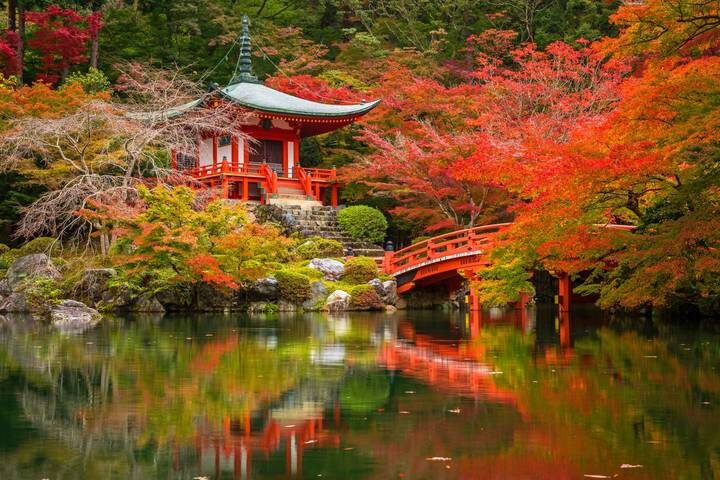
- Kyoto and Nara bring the headline temples, with Fushimi Inari, Kinkakuji, Todaiji and Horyu-ji on the route.
- Himeji Castle and Korakuen Garden add architecture and garden design before the tour continues west.
- Hiroshima and Itsukushima balance remembrance with a change of setting, including the Peace Memorial Museum and a ferry to the island shrine.
- Ten days for Japan’s essential contrasts
- Tokyo: big-city views and a quick first look
- Mount Fuji: views, weather and a night at an inn
- Old village, waterfall and Toyota in one travel day
- Kyoto: a full day, and plenty to take in
- Nara and Osaka: Buddha, deer and neon
- Himeji and Okayama: castle walls and garden paths
- Hiroshima and Itsukushima: memory, then the sea
- The bullet train back and the value of the package
- The guide question, and how to decide
- FAQ
- How long is the tour?
- What cities and destinations does the route include?
- Is the tour conducted in English?
- How large can the group be?
- Which meals are included?
- Is the Mount Fuji Fifth Station always visited?
- What kind of accommodation should I expect?
- Is a ryokan stay included?
- How do you return from Hiroshima to Tokyo?
- How physically demanding is the tour?
- The Best Of Tokyo!
- More Tours in Tokyo
- More Tour Reviews in Tokyo
- Not for you? Here's more nearby things to do in Tokyo we have reviewed
Ten days for Japan’s essential contrasts
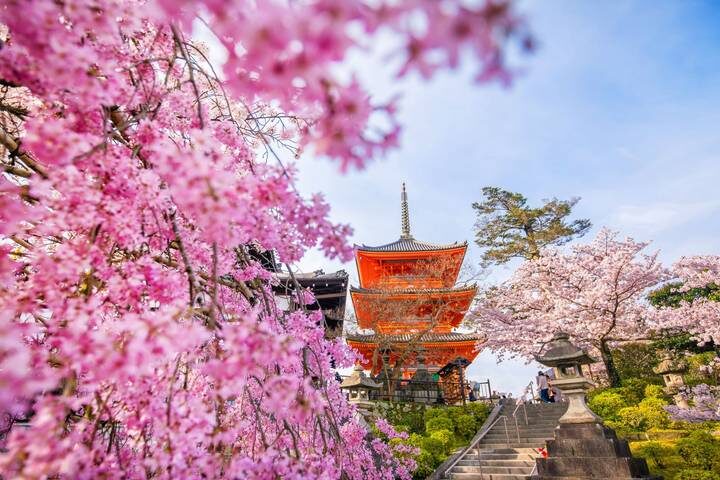
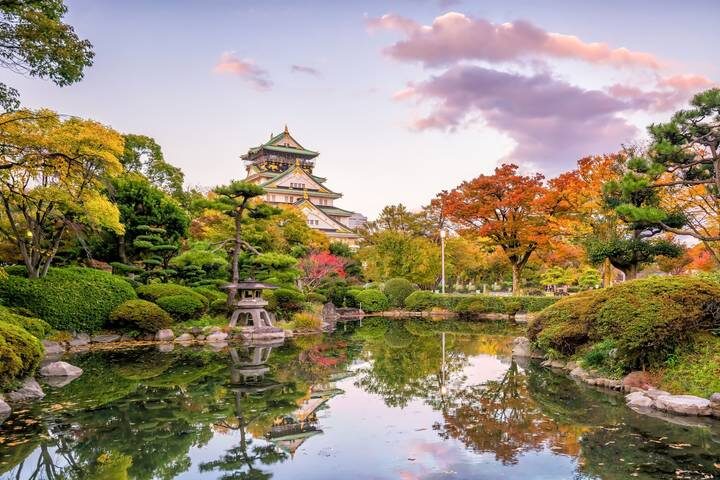
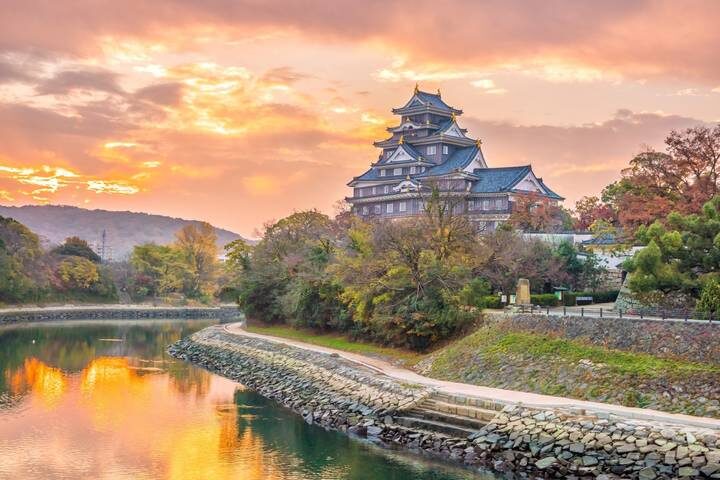
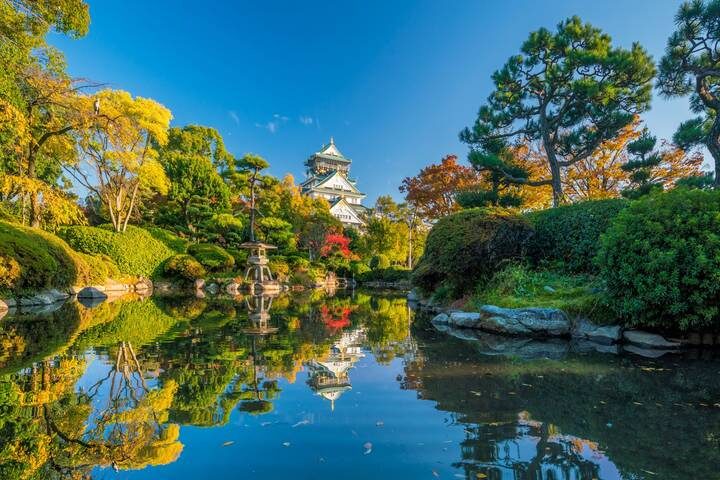
This Europamundo circuit is built for you if you want to cover a broad stretch of Honshu without arranging every hotel, transfer and admission yourself. It begins and ends in Tokyo, heads west by coach through Fuji country, Kyoto, Nara, Osaka, Okayama and Hiroshima, then returns to Tokyo by bullet train.
The starting price is $3,956, based on the cheapest room option. Hotels, breakfast, basic travel insurance, an arrival transfer and many major admissions are included. So are three dinners and two lunches. The price buys convenience and a dense sightseeing plan, not a leisurely stay in each city. Flights are not listed among the inclusions, so check what your booking covers before comparing costs.
The published group range is two to 72 people. At the upper end, moving as a group through busy sites can take time, and hearing explanations may be harder. The tour is rated low intensity, but that label deserves a practical reading: the route includes temple grounds, stairs, walking between sights and brisk group movements. It may not suit you if mobility is limited.

👉 See our pick of the 25 Best Guided Tours In Tokyo
Tokyo: big-city views and a quick first look
Day one is deliberately light. After landing and clearing customs, you take a shared shuttle to the hotel, then have the afternoon free. Use it to settle in, eat nearby and recover from the flight. Your Tokyo hotel may be Shinagawa Prince, Tokyo Dome or Ibis Styles Tokyo Ginza East; the exact choice varies. The hotels are described as having nearby public transport, though not all are in the city center.
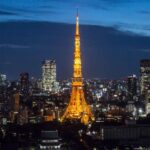
Day two is a long guided introduction, about seven hours. At Zojoji Temple, you get a classic view of Tokyo Tower and see rows of Jizo statues, small stone guardians dressed with hats and bibs. Shibuya Crossing is viewed from the bus, not experienced as a guided walk across the intersection, a useful distinction if that image is high on your list.
Meiji Shrine offers a quieter pause among trees. Tokyo Skytree is the day’s high point in the literal sense: admission to its Tembo Deck at 350 meters is included, weather and operating conditions permitting. The tour then visits Sensoji and Nakamise Street in Asakusa, with bus views of Akihabara and Ginza on the return.
The evening takes you by subway to Shinjuku for a guided walk and included dinner at a local restaurant. It is a helpful first taste of Tokyo after dark, though it still leaves plenty of the city unexplored. If you want time for neighborhoods or museums not on the route, add a Tokyo day before or after the tour. Several past participants have made that same practical choice.
You can also read our reviews of more tours and experiences in Tokyo.



Mount Fuji: views, weather and a night at an inn
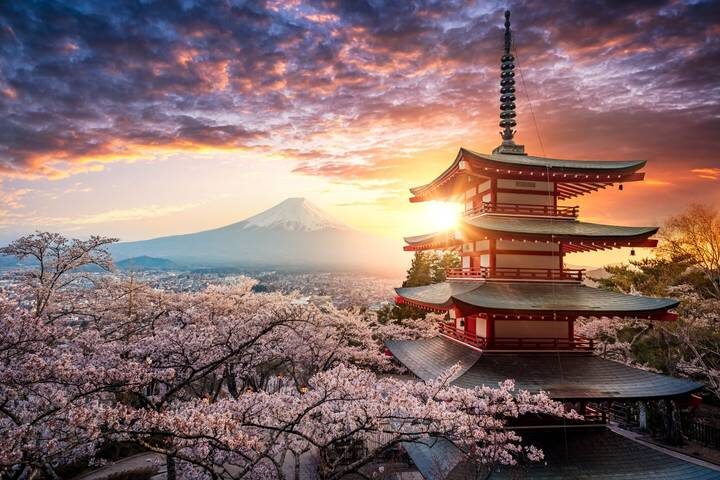
On day three, the coach leaves Tokyo for Arakurayama Sengen Park, known for its pagoda and Mount Fuji views. This is a rewarding stop when the mountain is visible, but Fuji often plays by its own schedule. Clouds can hide the summit, so treat the view as a possibility rather than a promise.
In Kawaguchiko, you visit Fuji Sengen Shrine, take a boat ride on the lake and drive up the road toward the Fifth Station, at about 2,305 meters. In winter, snow or weather can close the upper road, in which case the coach goes as far as conditions permit.
The night is at a ryokan, with dinner and access to a public onsen bath. Some rooms may be Japanese-style with tatami mats; others may be Western-style, and a Western-style hotel can sometimes replace the planned inn. This is one of the trip’s most distinctive changes of pace. Pack an easy-to-remove layer for the bath, and check any personal comfort needs before booking.
Old village, waterfall and Toyota in one travel day
Day four strings together three different stops before reaching Kyoto. Iyashi no Sato Nenba is a restored open-air village, its traditional houses now used for shops, food and cultural displays. The village was destroyed by a typhoon in 1966 and later rebuilt as a museum, so the visit is an introduction to older rural architecture rather than a preserved working village.
Shiraito Falls gives you a short nature stop, with water spilling in thin strands over a broad rock face. Then the route heads to Nagoya for the Toyota Museum, where admission is included. That stop will appeal most if you have an interest in cars and manufacturing; if not, it is a different kind of break from temples and shrines.
The day ends in Kyoto after several coach legs. Expect time on the road, not a relaxed afternoon in the city. You stay in Kyoto for two nights, which gives the next day a proper full schedule without another hotel move.
Kyoto: a full day, and plenty to take in
Day five starts in Arashiyama with Togetsukyo Bridge and Tenryuji Temple, followed by a walk through the bamboo grove. The setting is lovely, but it is also a popular stop, so the experience is more about seeing the famous path than finding solitude.
Fushimi Inari’s red gates are another major draw. The shrine complex extends up a hillside, and the tour’s allotted time may not allow a long climb. The day also includes the Imperial Palace and Kinkakuji, the Golden Pavilion, with its garden. The order can change, and the schedule is broad enough that you should expect a sampler rather than a deep visit at every site.
Free time in Gion lets you wander among traditional wooden buildings and look for a meal or a quiet street. The tour lists an evening transfer to Gion, but the details of the free-time arrangement can vary. Kyoto is one of the places where an extra night would pay off if you want to explore at your own pace.
There are many temples and shrines on this itinerary. If you enjoy religious architecture, the range is a strength; if you tire of one temple after another, Kyoto’s compressed schedule may feel repetitive. I’d use the free time to seek out a different corner of the city rather than add another temple.
Nara and Osaka: Buddha, deer and neon
Day six begins in Nara at Todaiji, a vast temple dating to 752 and home to a monumental Buddha statue. Deer roam the surrounding park, and you can get close to them. Keep food and belongings secure, and give the animals room; the visit is more enjoyable when you treat them as wildlife, not props.
Lunch is included in Nara, then the coach continues to Horyu-ji. Its central pagoda is among the world’s oldest wooden structures, making this a valuable stop for anyone interested in early Buddhist architecture. It is a different scale and atmosphere from Todaiji, though the day does involve another major religious site.
You reach Osaka in the evening and visit Dotonbori, known for bright signs, restaurants and late-night energy. It is a lively contrast after Nara’s temple grounds. The hotel options are in Osaka, but the exact property varies; room sizes can be compact, so keep expectations practical rather than assuming every four-star room will be spacious.




Himeji and Okayama: castle walls and garden paths
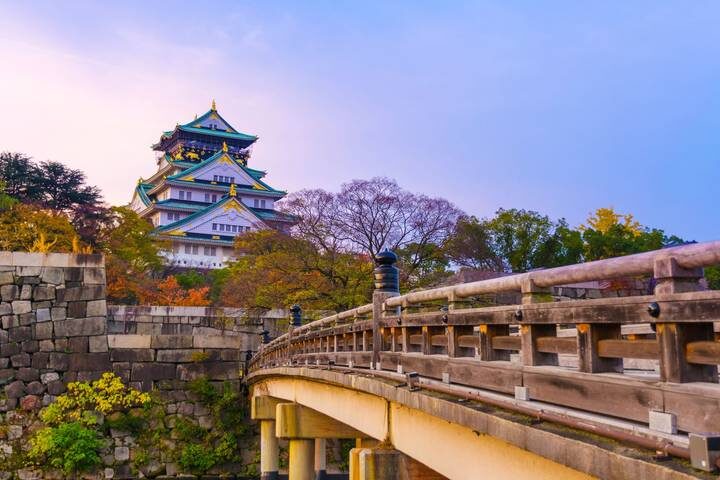
Day seven takes you to Himeji Castle, with admission to the castle complex included. Its white exterior and layered defenses make it one of the most striking historic buildings on the route. The grounds and interior involve walking and stairs, so wear shoes that are easy to manage and allow for a steady pace.
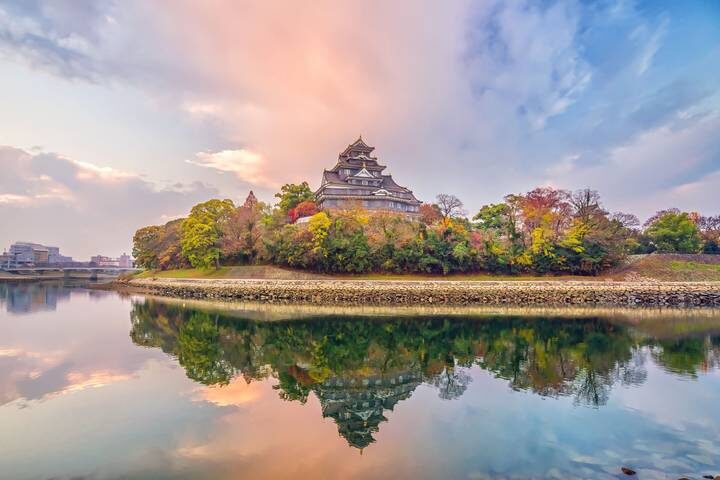
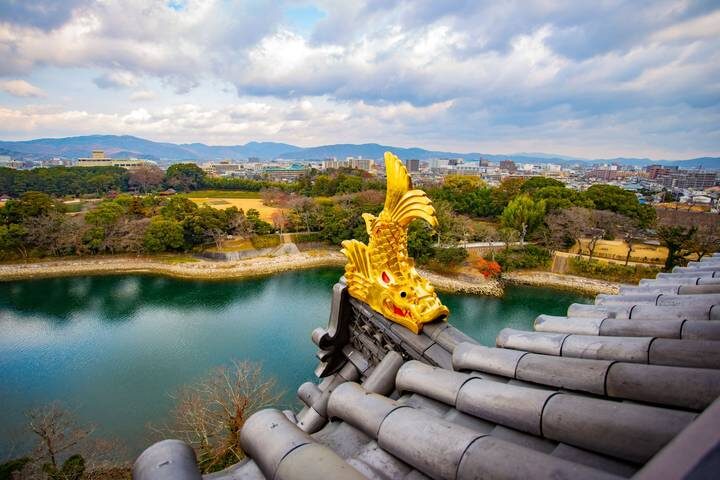
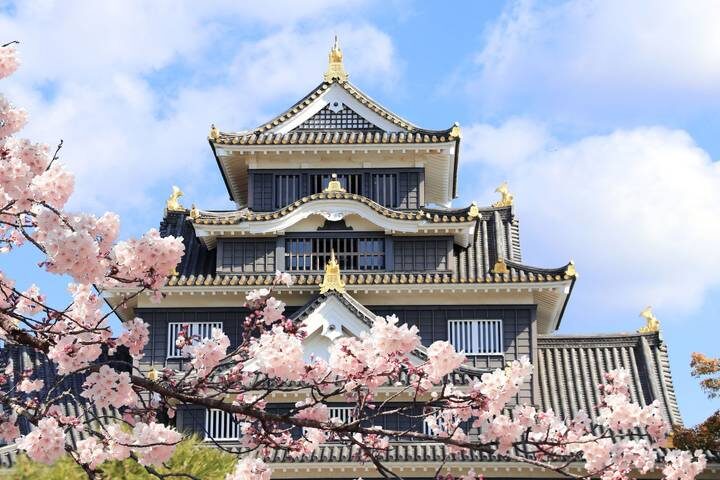
Lunch is included in Himeji. In Okayama, Korakuen offers a change of rhythm: ponds, waterfalls and teahouses set across a carefully designed garden. You can cross a pedestrian bridge to Okayama Castle, rebuilt in 1966 after wartime destruction. The exterior visit is part of the route, but going inside is not included.
There is free time in Okayama, though some departures may stay in Fukuyama or Kurashiki instead. The hotel location and the timing of the Kurashiki visit can also vary. If you are arranging onward plans, wait for the final hotel details rather than assuming every night will be in the named city.
Hiroshima and Itsukushima: memory, then the sea
Day eight begins with Kurashiki’s preserved historic center, where you can walk along streets lined with older buildings. It is a pleasant pause before Hiroshima, but the visit is brief within a busy day.
In Hiroshima, Peace Memorial Park, the Atomic Bomb Dome and the Peace Memorial Museum bring the 1945 bombing into focus. The museum is emotionally demanding, and the time available may feel short if you want to read every display. Go in with a sense of what you most want to see, and take the visit at your own pace where the schedule permits.
A ferry takes you to Itsukushima Island, where Itsukushima Shrine is partly built over the water. You have time for the shrine and town center, with lunch included on the island. The order of Hiroshima and island visits can change, and the day ends with dinner at your Hiroshima hotel. This pairing is one of the tour’s strongest: it sets a solemn national memorial beside a famous coastal shrine without treating either as a mere photo stop.
The bullet train back and the value of the package
After breakfast on day nine, a transfer takes you to Hiroshima Station for the bullet train to Tokyo. The ride takes about four hours over roughly 800 kilometers, with arrival around 2 p.m. You get the speed and comfort of Japan’s high-speed rail without managing the ticket yourself, then have an afternoon back in Tokyo.
Day ten ends after breakfast. The short final morning makes an extra night useful if your flight leaves later or you want a less rushed departure. The tour’s airport transfer is for arrival in Tokyo; a departure transfer is not listed.
The package’s value lies in its coverage: coach connections across a wide route, selected meals, many entrance fees, an English-language tour and the return train. Hotels are chosen for quality, price and access to public transport, but accommodation is not presented as luxury. Room size and standards vary, and the exact property can change.
The ratings are strongest for itinerary and transport, with guide and hotel scores also solid, and food a little lower. That fits the structure: a lot of ground is covered efficiently, while meals beyond the included ones are your responsibility. Three dinners and two lunches are included, with breakfast at the hotels. Bring some flexibility for days when meal timing falls later than you prefer.
The guide question, and how to decide
The tour is advertised in English, with a dedicated English-speaking tour leader, but the guide arrangements deserve a direct question before booking. Some past departures have had several guides, group changes and bilingual tours, with some English-speaking participants finding explanations harder to follow. Others particularly valued guides such as Ken, also called Rei, and Paco, who added historical detail and practical help. These names are not a guarantee for your departure.
Ask Europamundo how many groups share the coach, whether explanations are given in English only or in more than one language, and whether audio equipment is used. Those answers matter here: the schedule moves quickly, and clear meeting instructions make a real difference when you have limited time at each stop.
Book this tour if you want a broad first pass through Japan, prefer organized transport and are comfortable with early starts and short visits. Families and first-time visitors may appreciate how much is arranged, though older children and adults need to be ready for walking and changing hotels. Choose a slower or smaller tour if you want long museum visits, more free time or consistent one-guide companionship. For the right pace-minded traveler, this is an efficient route with several memorable contrasts, from Fuji’s mountain air to Hiroshima’s quiet memorial grounds.
Contrasts of Japan end Tokyo GO 10-Day Tour by Europamundo
“Saw a lot! First time I had 4 guides on a bus tour. Ken was our favorite guide. He knows the history of Japan. It wasn't just 'there's that'. He to…”
FAQ
How long is the tour?
It lasts 10 days, starting and ending in Tokyo.
What cities and destinations does the route include?
The route includes Tokyo, Mount Fuji and Kawaguchiko, Nagoya, Kyoto, Nara, Osaka, Himeji, Okayama, Kurashiki, Hiroshima and Itsukushima Island.
Is the tour conducted in English?
English is the stated tour language, and an English-speaking tour leader is described as accompanying the journey. Guide and group arrangements have varied on past departures, so ask how English explanations will be handled on your dates.
How large can the group be?
The stated group size ranges from 2 to 72 people.
Which meals are included?
Breakfast is included at the hotels. The tour also includes two lunches, in Nara and Himeji, and three dinners, in Tokyo, Kawaguchiko and Hiroshima.
Is the Mount Fuji Fifth Station always visited?
The coach goes to the Fifth Station when road and weather conditions allow. In winter, snow or poor weather can close the road, and the tour goes as far as permitted.
What kind of accommodation should I expect?
The tour uses hotels rated three or four stars, depending on the location and departure. The specific hotel may vary; rooms have private bathrooms and TVs, and hotel standards and room sizes differ.
Is a ryokan stay included?
Yes. The Kawaguchiko night is planned at a traditional ryokan with access to a public onsen bath. Some rooms are Japanese-style and some Western-style, and a Western-style hotel may occasionally be used instead.
How do you return from Hiroshima to Tokyo?
A transfer takes you to Hiroshima Station, where you board the bullet train. The journey takes about four hours, with arrival in Tokyo planned for around 2 p.m.
How physically demanding is the tour?
It is rated low intensity, but the schedule includes a lot of walking and some stairs at sites. The group pace can be brisk, so consider your mobility before booking.