A Meiji-era coin becomes a ring under your own hands in this small Asakusa workshop. You choose the coin, shape it with tools and heat, then polish the metal into a piece you can wear home. Its punched-out center can become a matching charm, making this a souvenir with a story built into it.
I like two things in particular: you do the work yourself, with an artisan guiding each step, and the coins are said to have been ritually washed at Zeniarai Benten, a shrine associated with money and good fortune. The instructors keep the mood relaxed, and you can choose a finish that looks more antique or more modern.
One consideration: the session lasts only an hour, so arrive on time. If you are more than 10 minutes late, you may not be able to join without delaying the next group. Also check ring-size limits and any extra costs for upgrades or a necklace chain before you begin.
What makes this Asakusa workshop special
- Choose a coin from several eras, including Meiji, Taishō, and Shōwa, each with its own pattern and texture.
- Turn the coin into a ring yourself, with an artisan showing you how to heat, hammer, bend, size, and polish it.
- Keep the coin’s center as a matching charm, a second memento made from the same piece of metal.
- Hear the good-luck story: the coins are taken to Zeniarai Benten for a traditional money-washing ritual.
- Work in a group of no more than five, with English-speaking local instructors and all tools and materials supplied.

👉 See our pick of the 25 Best Guided Tours In Tokyo
- What makes this Asakusa workshop special
- A vintage coin, not a factory-made souvenir
- Choosing the coin and learning its story
- Shaping the ring, one step at a time
- Fitting, polishing, and making a matching charm
- What the one-hour session is worth
- Local instructors and an easygoing studio
- Fitting it into an Asakusa day
- Should you book the coin-ring workshop?
- FAQ
- How long is the coin-ring workshop?
- How much does it cost?
- Is the workshop taught in English?
- Do I need jewelry-making experience?
- How many people are in each group?
- Can I bring my own coin?
- Can I make a ring in a larger size?
- What happens if I arrive late?
- The Best Of Tokyo!
- More Tours in Tokyo
- More Tour Reviews in Tokyo
- Not for you? Here's more nearby things to do in Tokyo we have reviewed
A vintage coin, not a factory-made souvenir
 1 / 8
 2 / 8
 3 / 8
 4 / 8
 5 / 8
 6 / 8
 7 / 8
 8 / 8
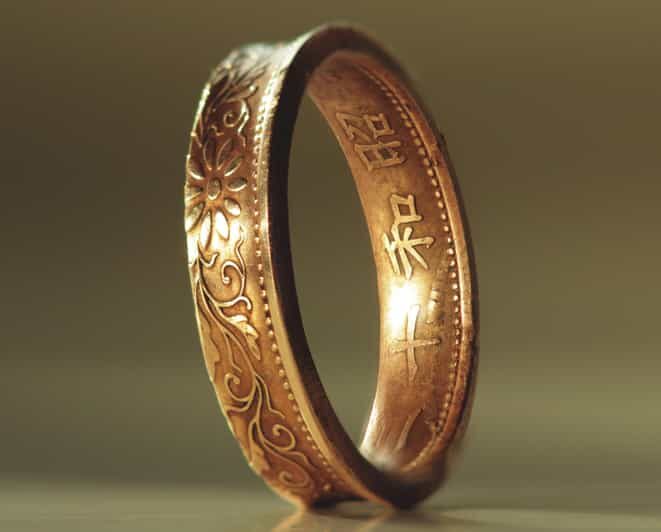
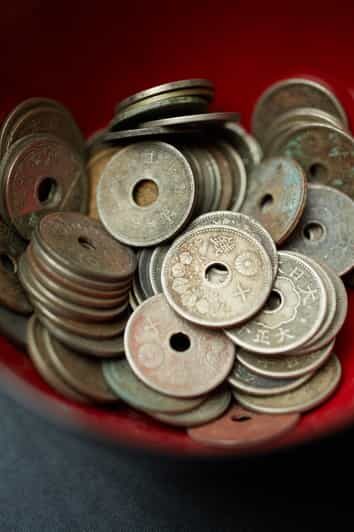
This is a hands-on craft class, but the coin is the reason it feels tied to Tokyo rather than interchangeable with a jewelry workshop anywhere. You begin by looking at vintage Japanese coins from different eras. Their designs and surfaces vary, so choosing one is part of the fun. A worn coin may have a softer, older look; another may preserve more of its original detail.
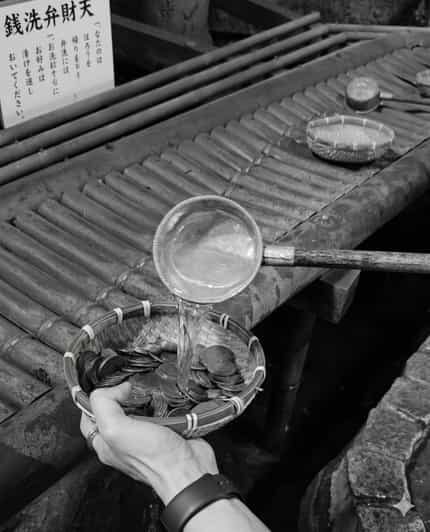
The coin’s age gives the finished ring character, but it also means your piece will not look exactly like anyone else’s. You are working with a real object that has already passed through many hands, not a blank metal disk made for a class. The workshop adds a local tradition to that history: staff take the coins to Zeniarai Benten, a temple associated with washing money for luck and prosperity.
Treat that as cultural context and a charming story, not a promise of financial fortune. The pleasure is in wearing a handmade reminder of the visit, with a little bit of Japanese symbolism attached. If you are choosing between this and a standard shopping stop, the personal making process is what gives the coin its appeal.
You can also read our reviews of more tours and experiences in Tokyo.



Choosing the coin and learning its story
The first part is unhurried selection. You can compare coins from the Meiji, Taishō, and Shōwa eras, considering the pattern, texture, and overall look you want on your finger. It is worth taking a moment here: once the coin is shaped, its design becomes part of a ring rather than a flat disk.
The different options also mean the group may not all leave with matching jewelry. That is useful for couples or friends who want a shared activity without identical results. You each make your own decisions, while the instructors help you understand what the process will do to the coin.
The ritual cleansing adds a thoughtful layer to the choice. The workshop says its coins are washed at Zeniarai Benten before use, connecting the jewelry with a local custom tied to luck and prosperity. You do not visit the temple as part of this one-hour class, but the story gives the coin a stronger sense of place than a souvenir bought off a shelf.
Shaping the ring, one step at a time
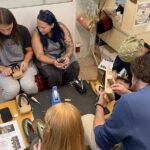
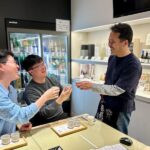
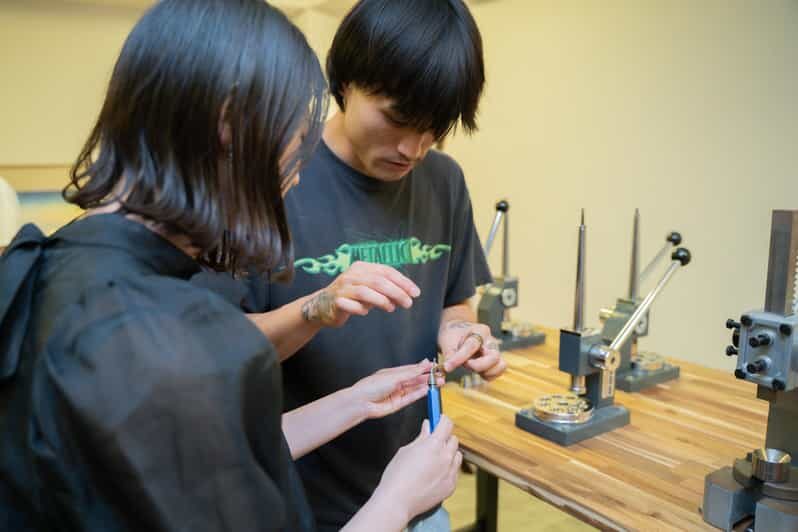
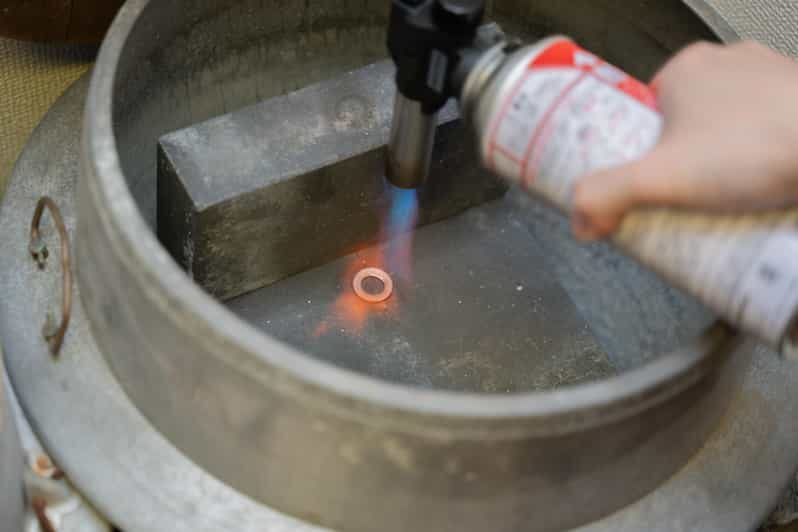
Once you have chosen a coin, the instructor guides you through transforming it with specialized tools, heat, hammering, and bending. You do not need prior craft experience. The steps are demonstrated and explained, and the local artisans help you work through them at a pace suited to the small group.
The process is designed for beginners, not for people who already know metalworking. You take part in shaping the ring rather than simply watching an artisan make it. At the same time, this is guided work: the instructor is there to show you what to do and help keep the process manageable. If you prefer to do as much as possible yourself, say so. The amount of hands-on participation can vary with the instructor and the individual.
That distinction matters. One visitor found the process easy to follow and enjoyed completing the steps, while another felt the instructor did more of the work for one member of their pair. If you want to be involved from start to finish, make your preference clear early. The team’s patient teaching style is one of the experience’s strengths, and a quick conversation can help set expectations.
The class is capped at five people, which gives the instructors room to offer help without turning the session into a large group demonstration. If no one else books your time, you might have a private lesson; that is a possibility, not something to count on. The small-group format is especially useful when you are learning to use tools and want an opportunity to ask questions.
Fitting, polishing, and making a matching charm
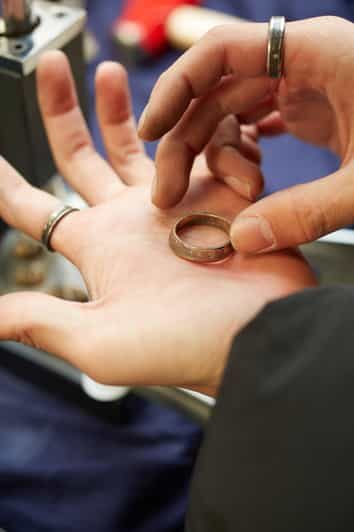
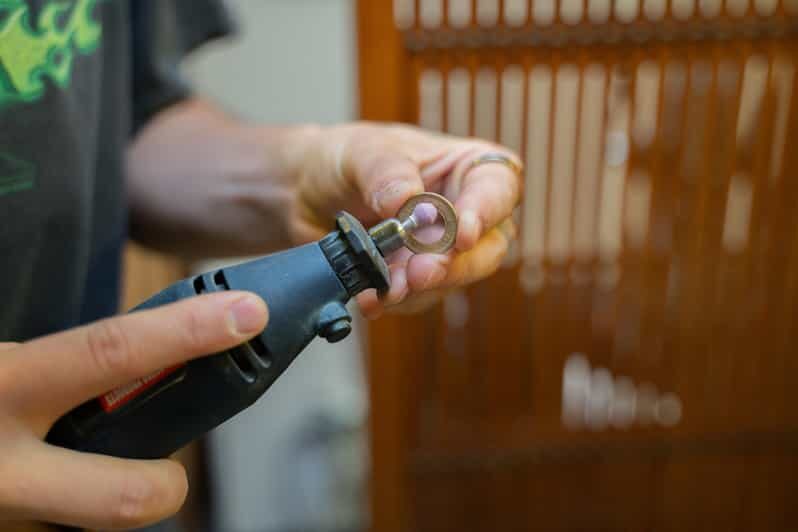
After the coin has taken its ring shape, you fine-tune the fit and polish the surface. This is where you can bring out the finish you prefer, from more antique-looking to more modern and shiny. You can keep polishing until you are happy with the result, so allow time for that final choice rather than rushing to the door.
The center punched from the coin during shaping can be turned into a matching pendant or charm. It is a neat use of the leftover metal and makes the souvenir feel like a set: ring and coin-center charm, each with a connection to the other. The experience description presents the necklace option as part of the craft, but a chain may be an additional purchase. Ask what is included before you decide you have a complete necklace.
The instructors also explain aftercare and maintenance before you leave. That is a practical touch for jewelry you plan to wear often, especially if you want to preserve the finish. You will leave with care advice as well as the pieces you made.
More Great Tours NearbyWhat the one-hour session is worth
At $49 per person, the workshop costs more than buying an ordinary ring or charm. The price makes better sense if you value the making process as much as the finished jewelry. Your fee includes instruction, the necessary tools and materials, and the chance to make a personal keepsake from a vintage Japanese coin.
The one-hour length is also part of the value calculation. It is short enough to fit into a busy Tokyo day, and long enough for a guided, start-to-finish activity. But it is not a leisurely half-day craft course. You have limited time to choose your coin, shape and polish the ring, and work on the matching charm, so arrive ready to begin.
Extra items may cost more, and their availability can depend on the day’s schedule and reservation status. The details specifically exclude additional rings and other shop items. Larger ring sizes may also require an upgrade fee: sizes 12.5 and above are listed as an extra-cost option, with US size 14.5 the absolute maximum. If size is important, confirm the options before booking rather than leaving it until the workshop.
Bring your own coin only if you have checked with the shop first. Outside coins are welcome, but the artisans may not be able to work with them because of strict size and thickness limits. Choosing from the workshop’s vintage coins is the simplest way to avoid that uncertainty.



Local instructors and an easygoing studio
The instructors are a big part of what makes the class work. The team is local, speaks English, and is described as friendly, patient, and good at explaining each step. Kazu, Shugo, Mao, and Momo are among the names associated with sessions, but you should not expect a particular instructor to lead your class.
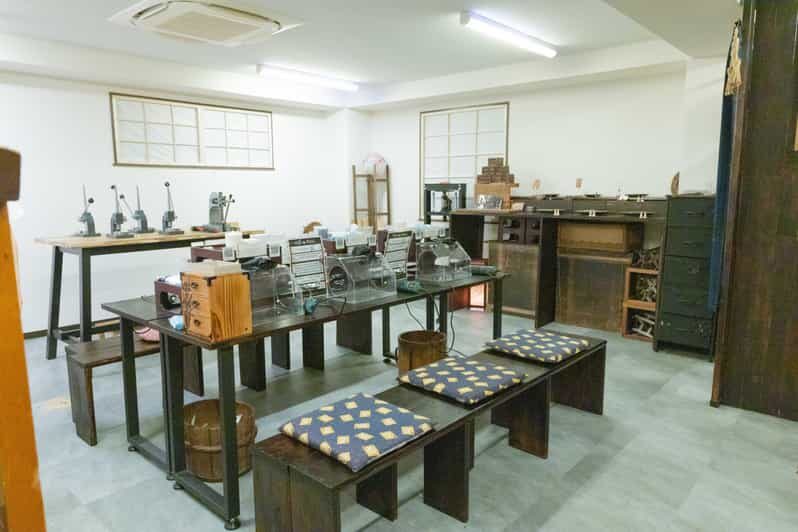
The teaching style seems well suited to people who are unsure about hands-on activities. You can ask for help, take time choosing a coin, and polish until you like the finish. Several visitors also valued the studio’s Japanese decor and relaxed atmosphere. Those details are not the main event, but they help make the hour feel like a small local activity rather than a quick transaction.
This is a good choice for a couple, a family with older children, or a solo visitor who wants a creative pause from sightseeing. The group limit of five keeps the class from feeling crowded, and the activity does not depend on having a companion. Children under four are not suited to the workshop; older children have taken part, though the supplied age guidance does not set a general minimum beyond that restriction.
Fitting it into an Asakusa day
The workshop is in the Asakusa area, close to Kappabashi, Tokyo’s kitchen-supply district. That makes it easy to pair the class with a browse through shops selling knives and other kitchenware. If you are not staying nearby, the area can still be worth the trip if you want to combine a hands-on souvenir with local shopping.
Keep the arrival rule firmly in mind. If you are more than 10 minutes late, you may be unable to participate, because the next customer would be kept waiting. Build in enough time to find the studio and arrive before your start time. The class lasts one hour, but the listed duration does not include your travel to or from the area.
Bookings can be cancelled up to 24 hours in advance for a full refund, and a reserve-now, pay-later option is available. Those terms offer some flexibility, but they do not remove the need to check the exact start time when you book.
Should you book the coin-ring workshop?
Book it if you want a Tokyo souvenir you helped make, enjoy a little guided handiwork, or like the idea of choosing a historic coin and giving it a new use. The small group, English instruction, and patient step-by-step guidance make it approachable even if you have never made jewelry. The matching coin-center charm is an appealing extra, especially if you want a pair of keepsakes from one coin.
Skip it if you are looking for a long technical class, need a particular ring size without paying an upgrade, or mainly want the lowest-cost jewelry option. For most people who enjoy making things, though, the $49 price buys more than a ring: it buys an hour of local instruction and a wearable reminder of your time in Asakusa.
Tokyo, Asakusa: Turn a Japanese Coin into a Ring and Charm
FAQ
How long is the coin-ring workshop?
The experience lasts one hour. Check the available start times when booking.
How much does it cost?
The listed price is $49 per person. Additional rings and other shop items are not included.
Is the workshop taught in English?
Yes. The instructors speak English, and the activity is guided step by step.
Do I need jewelry-making experience?
No. The workshop is suitable for beginners, and no prior knowledge is needed.
How many people are in each group?
The group is limited to five participants. A session may be private if no one else books, but that is not guaranteed.
Can I bring my own coin?
You may bring an outside coin, but the workshop may not be able to use it because coins must meet strict size and thickness limits. You can choose from the vintage Japanese coins provided.
Can I make a ring in a larger size?
Sizes 12.5 and above are available as an upgrade for an additional fee. US size 14.5 is the largest size the workshop can make.
What happens if I arrive late?
If you arrive more than 10 minutes late, you may not be able to take part, because the delay could hold up the next customer.
You can check availability for your dates here: