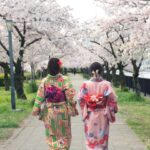
Tokyo’s Shibuya Crossing, Kyoto’s Golden Pavilion, Nara’s deer and Hiroshima’s Peace Memorial Park all fit into one week on this fast-moving Japan tour. The route combines city visits, gardens, castles and bullet-train rides, so you cover a lot without planning each transfer yourself.
I like the contrast between Tokyo’s city scale and Kyoto’s temple calm, and the way the route continues west to Himeji, Kurashiki and Hiroshima rather than stopping at the usual Tokyo-Kyoto loop. I also like that the included train journeys make long distances part of the trip, not a separate transport puzzle.
The trade-off is pace. You change hotels often, some sightseeing windows are short, and your guide may change or explain in both English and Spanish. If you want long, unhurried visits or a single guide for the week, this may feel too tightly packed.
- At a glance
- A week built around Japan’s famous sights
- Tokyo: a shrine, a crossing and a city from above
- Kyoto: temple icons in a packed day
- Nara and Osaka: deer, Buddha and city lights
- Himeji and Okayama: castle walls and a garden pause
- Kurashiki, Hiroshima and the island torii
- The return to Tokyo and the practical details
- Who should book this tour?
- FAQ
- Are flights included in the tour price?
- Where does the tour start and finish?
- Which meals are included?
- Is admission to Tokyo Skytree included?
- Will I have the same guide for all seven days?
- How large can the tour group be?
- Are all the hotels in the city center?
- The Best Of Tokyo!
- More 7-Day Experiences in Tokyo
- More Tours in Tokyo
- More Tour Reviews in Tokyo
- Not for you? Here's more nearby things to do in Tokyo we have reviewed
At a glance
- Tokyo Skytree reaches 350 meters: Admission to the Tembo Deck is included, weather and operating conditions permitting.
- Kyoto and Nara bring different kinds of quiet: Walk beneath Fushimi Inari’s gates, see the Golden Pavilion, then meet Nara’s free-roaming deer near Todaiji Temple.
- The route goes beyond the usual first-time circuit: Himeji Castle, Okayama’s Korakuen Garden and Kurashiki’s historic center add variety between the big cities.
- Hiroshima and Itsukushima share a day: Visit the Peace Memorial Museum, then take a ferry to see the Great Torii Gate and Itsukushima Shrine.
- Bullet trains save time between major cities: Tokyo to Kyoto takes just over two hours, while Hiroshima to Tokyo takes about four.
- Expect a large group, not a private tour: Group size can range from 2 to 72, and guiding may be bilingual.

👉 See our pick of the 25 Best Guided Tours In Tokyo
A week built around Japan’s famous sights
This seven-day trip is designed for a first visit when you want a broad introduction without arranging hotels, rail tickets and local transport on your own. It begins in Tokyo and finishes back there, with Kyoto, Nara, Osaka, Himeji, Okayama, Kurashiki, Itsukushima Island and Hiroshima in between.
That reach is the tour’s chief strength. In a single week, you see a giant modern capital, old religious centers, a major castle, a renowned garden, a preserved canal-side district, and sites tied to the atomic bombing of 1945. The downside is plain: this is a sampler, not a slow study of any one place.
The basic package includes hotel accommodation, breakfast buffet, an English-speaking guide, basic travel insurance and selected meals and admissions. The tour is listed from $2,785, based on the cheapest room; flights are extra. The price buys structure and convenience, especially on a route with several rail and road transfers, but you should still budget for meals that are not included, personal spending and your onward airport transfer.
You can also read our reviews of more tours and experiences in Tokyo
Tokyo: a shrine, a crossing and a city from above
Your first day is mostly for arrival. A shared shuttle takes you from Tokyo airport to the hotel, then you have time at leisure and receive information about the tour’s start. Since no departure transfer is included on the final day, keep that distinction in mind when arranging flights.
The next morning brings roughly seven hours of guided sightseeing. At Zojoji Temple, you get a striking view of Tokyo Tower and can notice the rows of small Jizo figures, guardians associated with children, dressed in knitted hats and bibs. It is a small detail, but one that gives the temple visit more character than a quick photo stop.
Shibuya Crossing is viewed from the bus, rather than explored on foot as part of the guided visit. That gives you a glimpse of the famous intersection, but if crossing it yourself is on your list, return during free time. Meiji Shrine offers a very different mood, with a visit dedicated to Emperor Meiji and his wife.
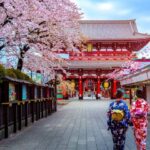
The day’s big panorama comes from Tokyo Skytree. Admission to the Tembo Deck at 350 meters is included, though weather or other exceptional conditions can limit access. If that happens, an alternative city viewpoint is offered. The tour then moves to Asakusa and Nakamise Street, a traditional shopping street leading toward Sensoji Temple. Akihabara and Ginza are passed on the return; these are drive-by introductions, not extended neighborhood visits.
In the evening, the guide takes the group by subway to Shinjuku, with tickets included. You walk through the district and have dinner at a local restaurant before returning by subway. I like that this evening outing gives you a taste of Tokyo after dark without leaving you to figure out the transit system on your first full day.
Kyoto: temple icons in a packed day
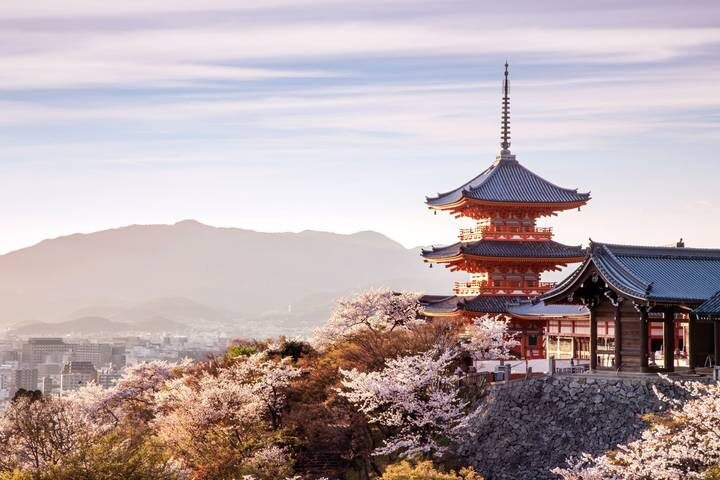
An early start takes you from Tokyo to Kyoto by bullet train. The journey covers nearly 500 kilometers in just over two hours, turning a long intercity transfer into a comfortable, efficient ride. Once in Kyoto, the schedule brings together Fushimi Inari Shrine, the Imperial Palace, Kinkakuji Temple and Gion.
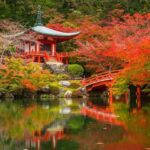
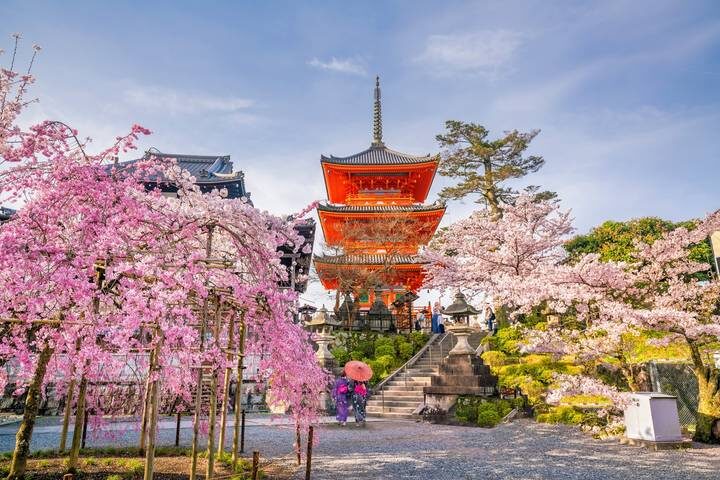
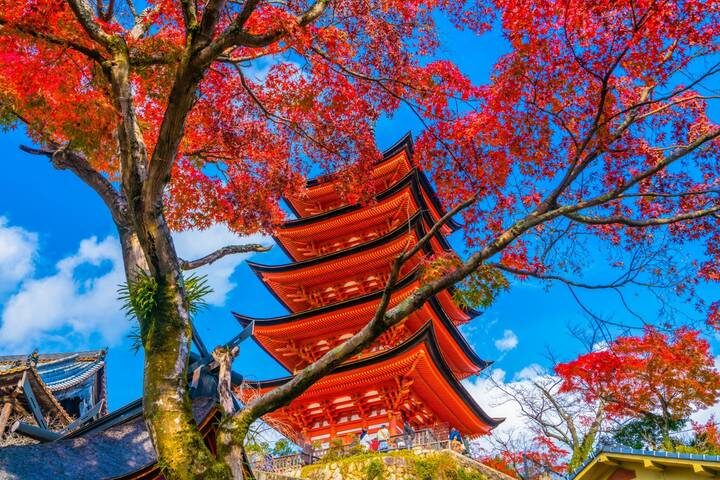
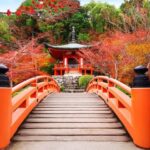
Fushimi Inari is known for its long sequence of red torii gates. A guided visit introduces the shrine, but the full hillside route takes time, so do not expect to walk every path during a group stop. Kinkakuji, the Golden Pavilion, is a different kind of sight: its gold-leaf exterior reflects above a garden pond, making the setting as important as the building itself.
The Imperial Palace visit adds a broader view of Kyoto’s past as Japan’s capital and home of the Imperial Court. Then comes Gion, a traditional district associated with geisha culture. You get a walk and some free time, but the day is full, so choose in advance whether you want to linger in Gion or use that window for another interest.
The tour’s guide arrangements deserve attention here. Guides may change during the week, and on some departures the group may be served in both English and Spanish. Some past guides named by travelers include Ken, David, Midori, Patricia and Jose, but there is no fixed guide assignment. Strong guides have been praised for their humor, care and explanations; service can vary with the guide and group setup.
Nara and Osaka: deer, Buddha and city lights
The route leaves Kyoto for Nara, Japan’s ancient capital. At Todaiji Temple, you see the Great Buddha, a huge bronze figure housed in a vast wooden temple hall. Nearby Nara Park is famous for deer that wander among visitors. They are accustomed to people, but remember they are animals, not a petting zoo.
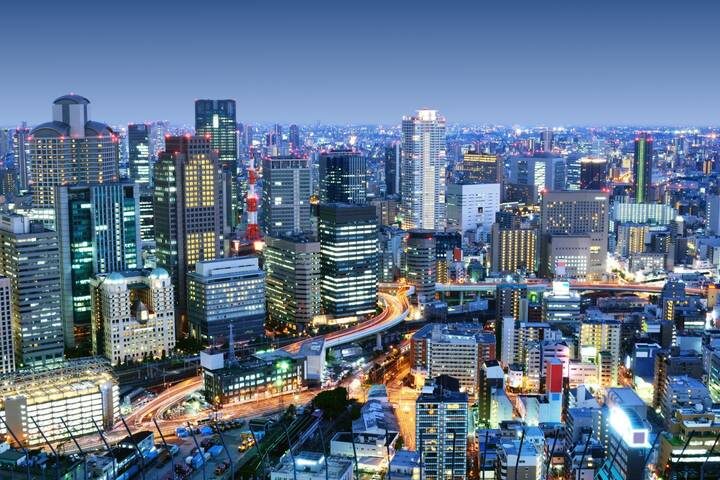
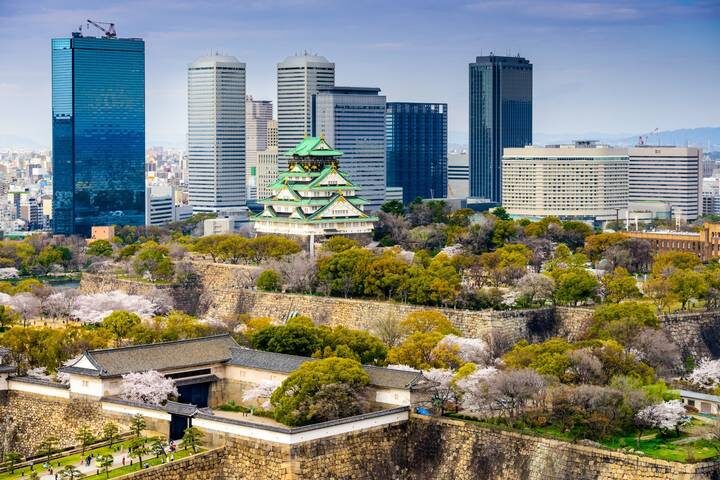
After Nara, Osaka changes the mood. Dotonbori is included as a panoramic visit, offering a look at its restaurant signs and canal-side streets, with free time for lunch. The itinerary also includes Osaka Castle, a landmark tied to the late 16th century, and a stop in the Umeda neighborhood near the Umeda Sky Building. The description does not make clear that entry to the Sky Building is included, so treat it as an area visit unless your guide confirms otherwise.
This is one of the days when timing matters. You move through three places and cover a lot of ground, which is useful if your priority is seeing the main sights. It leaves less room for an unplanned meal or a long visit inside any one site.
Himeji and Okayama: castle walls and a garden pause
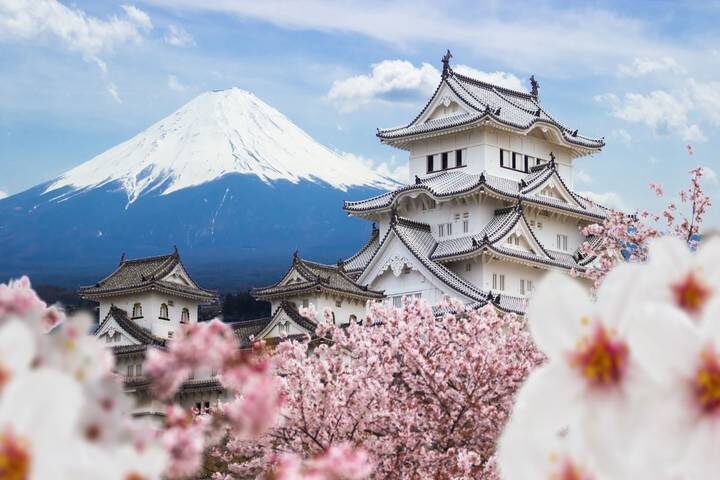
Himeji Castle is among the tour’s strongest stops for anyone interested in Japanese architecture. Admission to the large castle complex is included, and the visit gives you a chance to see its scale and defensive design firsthand. The route includes lunch at a local restaurant before continuing to Okayama.
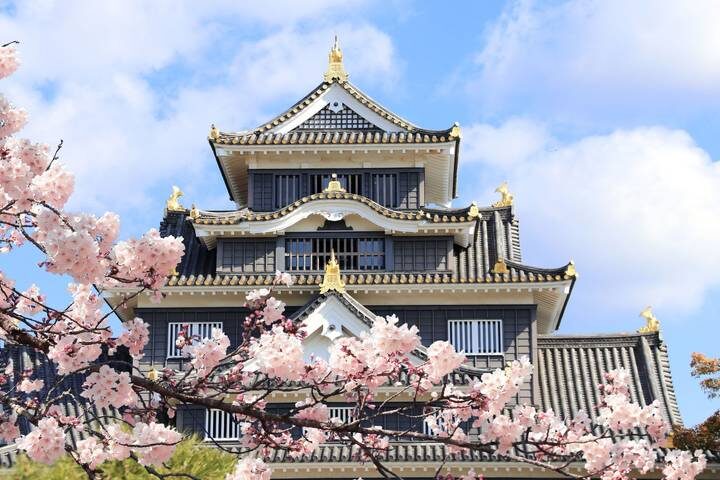
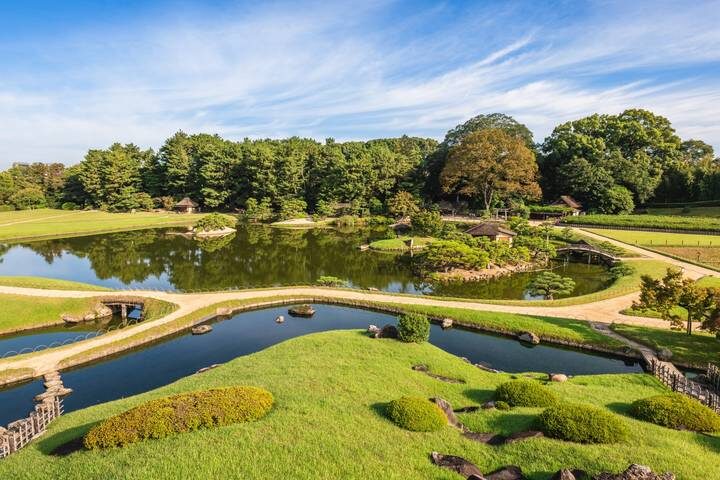
Korakuen Garden offers a quieter counterpoint to the castle. Lakes, waterfalls and teahouses shape the grounds, and the garden visit is included. Across a pedestrian bridge, you can see Okayama Castle, a 16th-century structure rebuilt in 1966 after wartime destruction. Entry inside the castle is not included, so allow for an extra ticket if you want to go in and time permits.
Okayama is an active provincial capital, not simply a hotel stop. You have free time to explore, though the length of that window depends on the day’s schedule. On some dates, the overnight stay may be in Fukuyama or Kurashiki instead, and the Kurashiki visit may shift to this afternoon.






Kurashiki, Hiroshima and the island torii
Kurashiki’s historic center is a welcome change of scale. The walking visit takes you through a district known for preserved old buildings, giving you a chance to slow down before the day’s heavier subject. The historic center is best treated as a stroll rather than a long, guided museum visit.
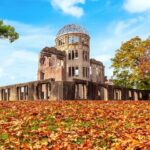
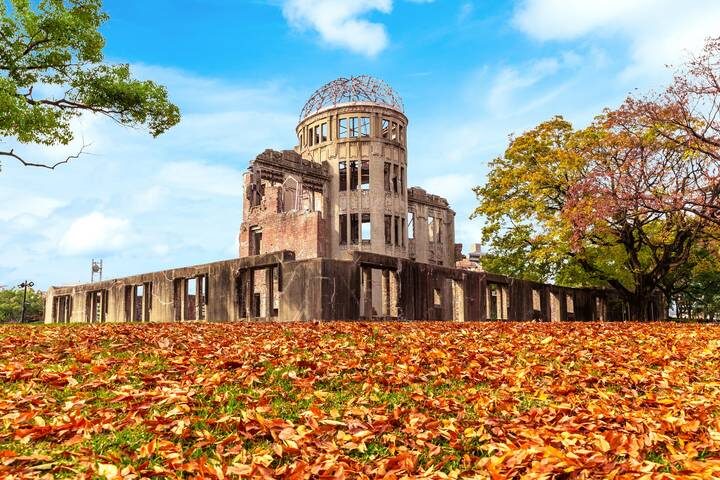
In Hiroshima, the Peace Memorial Park and Atomic Bomb Dome bring the 1945 bombing into view. The included Peace Memorial Museum adds context through its exhibits. Give this part your attention; it can be emotionally demanding, and the day continues afterward rather than ending at the museum.
Later, a ferry takes you to Itsukushima Island, often called Miyajima. You can visit Itsukushima Shrine, see the Great Torii Gate rising from the water, and explore on your own for a while. The appearance of the gate depends on the tide, so the exact view can differ. Lunch is on your own during this island visit, and dinner is included back at the Hiroshima hotel.
This is a rewarding but long day, combining a historic district, a memorial site, a museum, a ferry crossing and an island visit. The order of the Hiroshima stops may change, but the listed visits remain part of the plan. If you need more time at the Peace Memorial Museum or on Miyajima, the schedule may feel tight.
The return to Tokyo and the practical details
After breakfast, a transfer takes you to Hiroshima Station for the bullet train back to Tokyo. The journey is about 800 kilometers and takes roughly four hours, with arrival around 2 p.m. The tour ends in Tokyo, but the airport transfer is not included. Check your flight carefully and consider booking another hotel night if you need more time to reach the airport or would rather not connect directly after the train.
The hotels are four-star properties, with named stops including Shinagawa Prince Hotel, New Miyako Hotel, Candeo Osaka Namba, Ana Crowne Plaza Okayama and Hilton Hiroshima. The specific hotel arrangement can vary. Rooms have private bathrooms and televisions, while room size, bed size and amenities can differ by property. The hotels are in the cities visited and have access to public transport, though most are not in the center.
Breakfast is included each morning. Two lunches and two dinners are also listed as included, with dinner in Tokyo and Hiroshima and lunches associated with Nara and Himeji. Check the daily plan for which meals are covered, since other meals, including lunch on Itsukushima, are at your own cost.
The group size can reach 72, which is large enough to affect how quickly everyone boards, gathers and moves through busy places. The physical rating is low intensity, but expect walking at temples, gardens and historic sites, plus regular transfers and early starts. This is not a strenuous hiking tour, yet comfortable shoes and a willingness to keep to the group schedule will help.
Who should book this tour?
I would choose this trip if you want a dependable first survey of Japan, value pre-arranged transport and hotels, and are happy to trade depth for range. The broad route, bullet-train legs and major admissions make it easier to see a lot in a week, while good guides can add context that is hard to pick up when navigating alone.
Think twice if you prefer small groups, a single guide throughout, long stretches of free time or a more flexible food plan. The tour has a group size of up to 72, guides can change, and bilingual operation is possible. If you can add days, extra time in Tokyo, Kyoto or Hiroshima would turn this fast introduction into a more personal visit.
Tokyo, Kyoto and Hiroshima end Tokyo by Europamundo – 7-Day Tour
“Everything is very good. Ken and David are fantastic. Ken is enthusiastic and knowledgeable. David is very nice and multi talented. We enjoy the tr…”
FAQ
Are flights included in the tour price?
No. Flights are not included. The tour includes a shared shuttle from Tokyo airport to the hotel at the start, but no departure airport transfer at the end.
Where does the tour start and finish?
It starts in Tokyo and ends in Tokyo. On day seven, the group arrives in Tokyo at around 2 p.m. after the bullet-train journey from Hiroshima.
Which meals are included?
Breakfast buffet is included. The package lists two lunches, in Nara and Himeji, and two dinners, in Tokyo and Hiroshima. Other meals are not included.
Is admission to Tokyo Skytree included?
Yes. Admission to the Tembo Deck at 350 meters is included. Access may be limited by weather or other exceptional circumstances, in which case an alternative city viewpoint is offered.
Will I have the same guide for all seven days?
Not necessarily. Guides may change during the tour. On some departures, guiding may be bilingual, usually in English and Spanish.
How large can the tour group be?
The stated group size is between 2 and 72 people. The tour is fully guided, but group size can affect the pace of visits and transfers.
Are all the hotels in the city center?
No. The hotels are located in the cities visited, and most are not in the city center. They are described as having easy access to nearby public transportation.