Asakusa offers a fine place to meet sake: close to the station, rooted in old Tokyo, and easy to pair with a day of temple visits and neighborhood wandering. At WASAKE, you can choose a casual tasting of up to 10 varieties or a sommelier-led lesson with 11, and an English-speaking specialist helps make Japan’s national drink easier to understand.
I like having two clear formats, so you can choose a guided tasting or a more structured lesson, and I like the beginner-friendly approach: the focus is on learning what you enjoy, not proving you know your rice-polishing ratios. One consideration: the pours add up, and the experience is not recommended for pregnant women.
- Key points before you book
- A sake lesson in the middle of Asakusa
- Choose the tasting or the sommelier lesson
- What the tasting can teach you
- Finding WASAKE without taking the wrong entrance
- What the price buys, and what it does not
- Who will get the most from this experience
- Should you book the Asakusa sake tasting?
- FAQ
- Where does the sake tasting take place?
- How do I enter the venue?
- What are the two package options?
- Is the experience suitable for beginners?
- What is the minimum age to participate?
- Can pregnant women take part, and what is the cancellation policy?
- The Best Of Tokyo!
- More Food & Drink Experiences in Tokyo
- More Tours in Tokyo
- More Tour Reviews in Tokyo
- Not for you? Here's more nearby things to do in Tokyo we have reviewed
Key points before you book
 1 / 6
 2 / 6
 3 / 6
 4 / 6
 5 / 6
 6 / 6
- Two ways to taste: Choose a guided session with up to 10 varieties, or a sommelier-led workshop with 11.
- English-language guidance: Learn sake basics, tasting techniques, and the stories behind the drink from an English-speaking expert.
- A convenient Asakusa address: WASAKE is a few minutes from Asakusa Station, on the ground floor facing Kokusai-dori Avenue.
- An easy first sake lesson: The relaxed format welcomes beginners as well as people who already enjoy sake.
- Adults only: Participants must be at least 20, and the activity is not recommended for pregnant women.

👉 See our pick of the 25 Best Guided Tours In Tokyo
A sake lesson in the middle of Asakusa
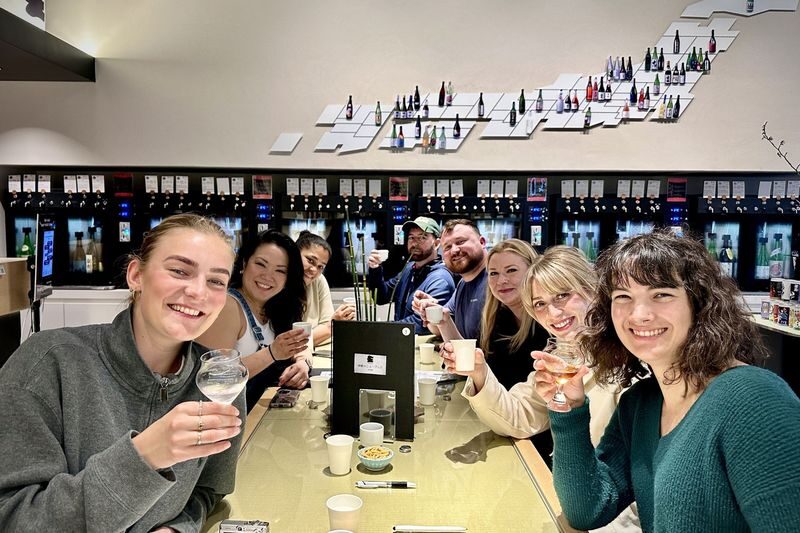
Sake can seem simple from the outside: rice, water, a small cup. Yet the drink has its own production methods, classifications, and range of flavors. A tasting with an English-speaking specialist gives you a useful starting point, especially if you have tried sake only as a warm drink at a restaurant and want to understand what else is out there.
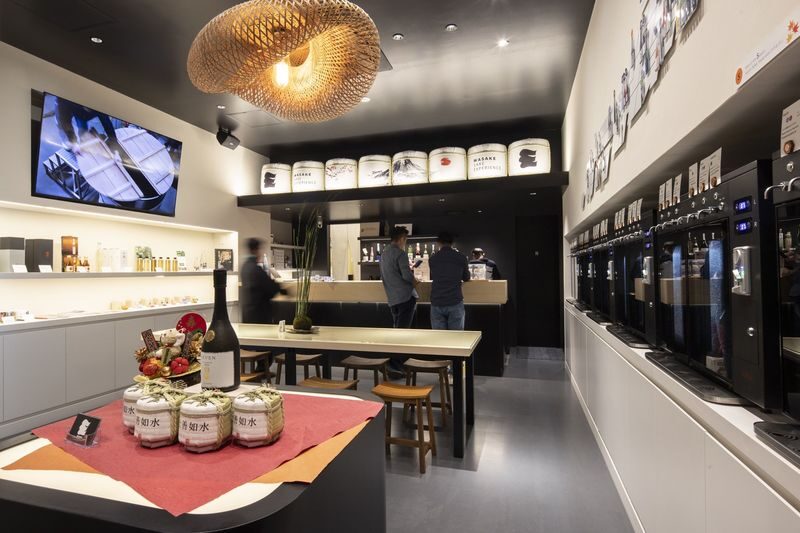
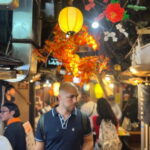
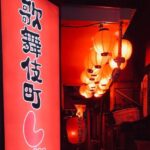
WASAKE Sake Experience sits in Asakusa, a handy base for sightseeing in eastern Tokyo. The venue is described as just minutes from Asakusa Station, so you do not need to build a long cross-city transfer into your plans. The location also makes the tasting easy to pair with a visit to the area’s temples, shops, and streets.
The experience has earned the Omotenashi Selection award for Japanese hospitality. That recognition fits the format: the aim is not a formal lecture for sake insiders, but a welcoming introduction where you can ask questions and work out what suits your taste. The host has been praised for a friendly manner, an especially useful quality when you are trying a drink you do not yet know how to describe.
You can also read our reviews of more food & drink experiences in Tokyo


Choose the tasting or the sommelier lesson
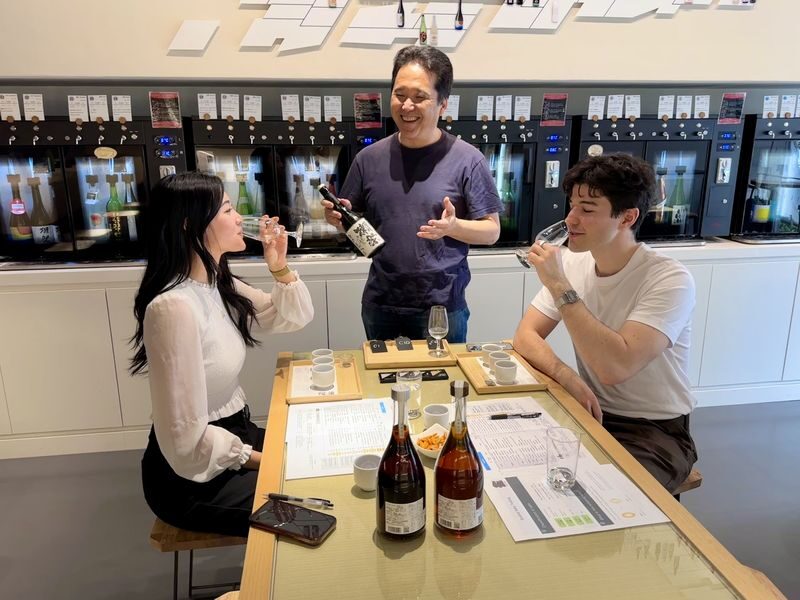
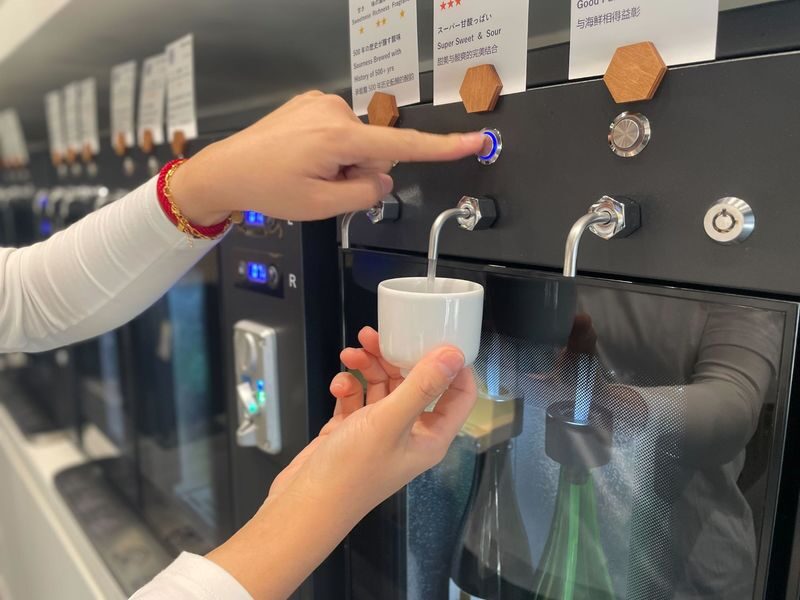
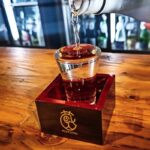
The first option is the Guided Sake Tasting with a Sake Specialist, described as practical and casual. You sample up to 10 varieties with expert guidance and get help discovering which ones appeal to you. This is the simpler choice if you mainly want to taste a broad selection, compare impressions, and leave with a better sense of your preferences.
The second option, Learn Sake Basics and Tasting with a Sommelier, is the more structured choice. It covers sake production, classifications, and flavor profiles before a tasting of 11 varieties. If you enjoy knowing what is behind a drink, this lesson gives you more context for the tasting rather than making the pours the whole event.
The difference is useful when choosing. The casual session keeps the emphasis on tasting and finding favorites; the sommelier option adds a more formal introduction to how sake is made and categorized. Both are suitable for newcomers, but the workshop is likely the better fit if you want a lesson you can carry into future restaurant orders.
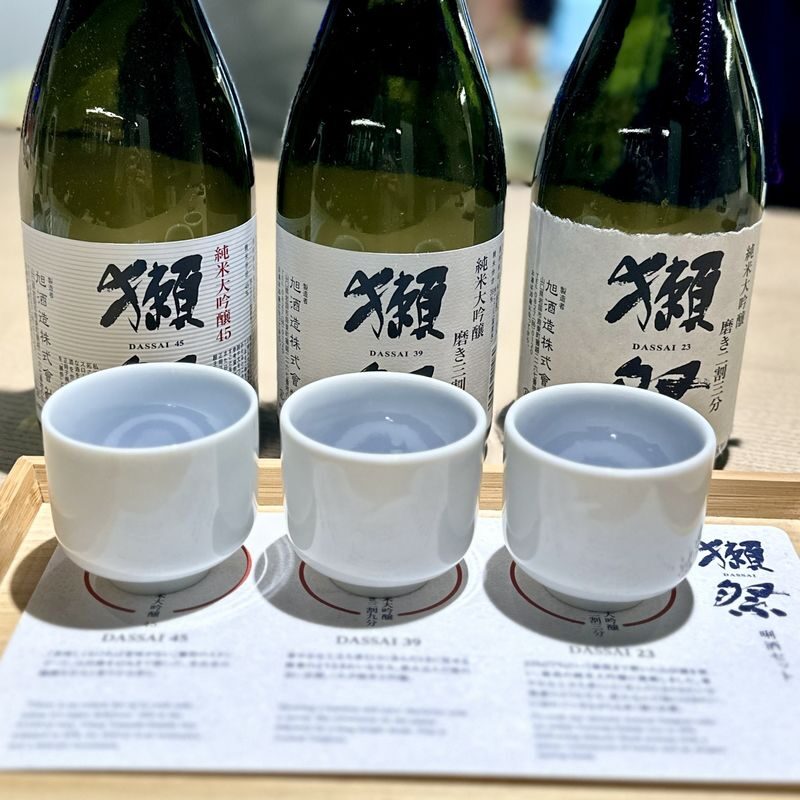
No specific sake names or flavor profiles are provided in advance, so do not expect a published menu of exact bottles. That can make the tasting a pleasant discovery, though anyone with strong preferences or a particular sake style in mind may want to ask the operator what will be poured before booking.
What the tasting can teach you
Sake is not a single flavor or style, and tasting several varieties in one sitting helps make that point clear. Rather than relying on a label or a familiar serving temperature, you can pay attention to the differences as your guide explains what you are tasting. The specialist-led format is useful because a new drink can be hard to judge without a little vocabulary and context.
In the sommelier workshop, production and classifications give you a framework for those comparisons. You are not just trying 11 separate pours; you are learning some of the terms that help explain why one sake may feel different from another. The guided tasting, by contrast, offers up to 10 varieties with a specialist to help you find favorites. Both formats connect tasting with practical knowledge, though the workshop spells out that educational side more clearly.
The exact order of the session, the amount poured, and its duration are not specified. It is safest to think of the experience as a guided introduction rather than assume it is a long class or an all-you-can-drink event. The stated tasting counts are up to 10 or 11 varieties, depending on your package.
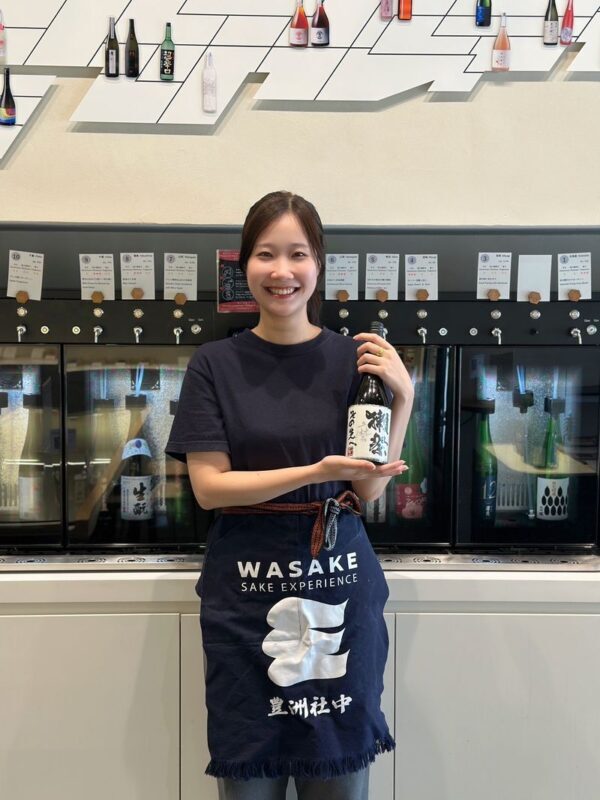
A first-time sake drinker has come away with a new favorite after a session led by a friendly female host. That is a good sign for anyone who feels unsure about sake vocabulary or etiquette. You do not need to arrive with a favorite style; discovering one is part of the point. Still, tastings can feel stronger than expected, particularly if you are tired or adjusting to a new time zone, so take your time and avoid treating the number of varieties as a goal to race through.
Finding WASAKE without taking the wrong entrance
The address is The Asakusa Residence 101, 1-11-1 Asakusa, Taito City, Tokyo 111-0032. WASAKE is on the ground floor, facing Kokusai-dori Avenue, as the first shop on the far left of a four-storefront building.
There is an important arrival detail: enter directly from the street through the shopfront. Do not go through the residential entrance in the same building. It is a small distinction, but useful in a neighborhood where a map pin may bring you to the right block without making the correct doorway obvious.
The meeting point is WASAKE itself, and you can show your mobile voucher. Since the voucher is valid only for the specified date and time, plan to arrive on time. Late arrivals and no-shows are not eligible for refunds or changes, so allow a little margin for finding the storefront.
What the price buys, and what it does not
The general starting price is advertised from US$35.35, while the package prices provided are from US$50.49 for the guided tasting and US$69.39 for the sommelier lesson. Prices can vary by selected option, so compare the actual package and final amount at booking rather than assuming the lowest starting figure applies to the session you want.
For value, consider what you are paying for beyond the sake itself: English-speaking guidance, a professional specialist, and a structured way to make sense of the tasting. If you are new to sake, that context can be more useful than simply ordering several pours at a bar. The sommelier option costs more, but includes the stated lesson on production, classifications, and flavor profiles, along with 11 varieties. The casual option costs less and is a sound fit if your priority is tasting with an expert rather than taking a fuller class.
Personal expenses beyond the activity are not included. No food pairing or snacks are specified, so do not count on refreshments as part of the price. If you want to drink alongside a meal, plan that separately.
The experience has a five-star rating, but that rating is based on only one review. It is encouraging, not enough on its own to predict every session. The strongest practical reasons to book are the clearly explained choice of formats, the beginner-friendly teaching, and the central Asakusa location.
You can also read our reviews of more drinking tours in Tokyo




Who will get the most from this experience
This is a good fit if you are curious about sake but do not know where to begin. A specialist can give you a vocabulary for comparing varieties and help you identify what you like, which makes future sake lists less daunting. It also suits people who already drink sake and want a focused tasting with a guide.
Choose the guided tasting if you want a casual introduction and your main aim is trying several varieties. Choose the sommelier workshop if learning about production and classifications matters as much as tasting. If you are traveling with someone who prefers a more structured class, the second option may be the easier choice to agree on.
It is less suitable if you are pregnant, under 20, or hoping for a meal pairing or a specified list of bottles. The activity is not recommended for pregnant women, and all participants must be at least 20. Since the number of pours is substantial, consider your comfort with alcohol before choosing either package.
Should you book the Asakusa sake tasting?
Book it if you want an approachable, English-language introduction to sake in a convenient part of Tokyo. The choice between a casual tasting and a sommelier-led lesson is its main strength: you can pay for the level of structure you want rather than signing up for a one-size-fits-all class.
For a first sake experience, I would lean toward the sommelier option if you enjoy learning the why behind a drink. If you mainly want to compare tastes and find a favorite, the guided tasting is the more direct value. Check the package price and timing before you commit, and leave yourself enough time to locate the street-facing shop entrance.
Tokyo: Asakusa Sake Tasting Experience with a Specialist
“Sake Experience 🍶 🍶 We tried sake for the first time today and absolutely loved it! The lady who hosted the experience was brilliant-friendly, know…”
FAQ
Where does the sake tasting take place?
It takes place at WASAKE Sake Experience, The Asakusa Residence 101, 1-11-1 Asakusa, Taito City, Tokyo 111-0032. The shop is on the ground floor facing Kokusai-dori Avenue.
How do I enter the venue?
Enter directly from the street through the shopfront, which is the first shop on the far left of a four-storefront building. Do not use the residential entrance.
What are the two package options?
You can choose a guided tasting with a sake specialist, featuring up to 10 varieties, or a sommelier-led lesson on sake basics and tasting, followed by 11 varieties.
Is the experience suitable for beginners?
Yes. The experience welcomes beginners as well as sake enthusiasts, and an English-speaking expert provides guidance.
What is the minimum age to participate?
Participants must be at least 20 years old.
Can pregnant women take part, and what is the cancellation policy?
The activity is not recommended for pregnant women. You can receive a full refund if you cancel at least 24 hours before the activity date in local time. Late arrivals and no-shows are not eligible for refunds or changes.