Tokyo’s shrines and gardens, Hakone’s ropeway and volcanic valley, and the old streets of Takayama all fit into one trip, with the train doing much of the connecting work. This is a partly guided route, not a bus tour with a guide at your elbow every day.
I like the mix of planned visits and open days, which gives you structure without taking away every chance to explore on your own. I also like that the route includes practical rail travel between regions, plus a stop in Shirakawago, where traditional gassho-zukuri farmhouses give the journey a very different feel from the big cities.
One important caveat: the tour description mentions a Mount Koya cable-car visit and overnight, but the day-by-day schedule does not show either. The stated 12 nights also do not match the nights accounted for in the daily schedule. Clarify these details with MW Tours before you book.
- Tokyo to Osaka in 13 days: Four nights in Tokyo begin the trip; Osaka is the final base.
- Guided when context helps: Local English-speaking guides lead selected Tokyo, Nara, Kyoto, and Osaka visits.
- Independent travel built in: Tokyo, Kanazawa, and Kyoto each include free time for your own plans.
- Rail and bus connections included as specified: Shinkansen and limited express tickets, plus Nohi buses, link the main stops.
- Pack light between cities: Your main bag is transferred separately, at extra cost, while you carry an overnight bag.
- Check the Mount Koya details: It appears in the highlights and packing instructions, but not in the daily route.
- A guided framework, with room to make the trip your own
- Tokyo’s shrines, gardens, and first free afternoon
- Lake Ashi, the Hakone ropeway, and Owakudani
- Shinkansen to Takayama, then onward to Shirakawago
- Kanazawa’s open day and the Kyoto transfer
- Kyoto’s famous temples, with a day to choose your own pace
- Osaka’s castle, market, and street-food stop
- What the ,491 starting price covers, and what it does not
- Who should book this route?
- FAQ
- Where does the tour start and end?
- How long is the tour?
- What is the group size?
- Which meals are included?
- Are international flights included?
- Is luggage transfer included?
- Is Mount Koya part of the trip?
- The Best Of Tokyo!
- More Historical Tours in Tokyo
- More Tours in Tokyo
- More Tour Reviews in Tokyo
- Not for you? Here's more nearby things to do in Tokyo we have reviewed
A guided framework, with room to make the trip your own
 1 / 6
 2 / 6
 3 / 6
 4 / 6
 5 / 6
 6 / 6
The appeal here is breadth with breathing space. You get a morning tour in Tokyo, a day around Hakone, traditional streets in Takayama, Shirakawago, a free day in Kanazawa, and guided visits in Nara, Kyoto, and Osaka. Between those outings, there are open days to choose your own neighborhoods, temples, shops, or pace.
That balance suits independent travelers who are comfortable reading train instructions, walking to stations, and finding their way back to the hotel. The group size is listed as 2 to 16, and tours are conducted in English. No individual guide names are supplied, so you should expect local guides rather than one named leader accompanying you from start to finish.
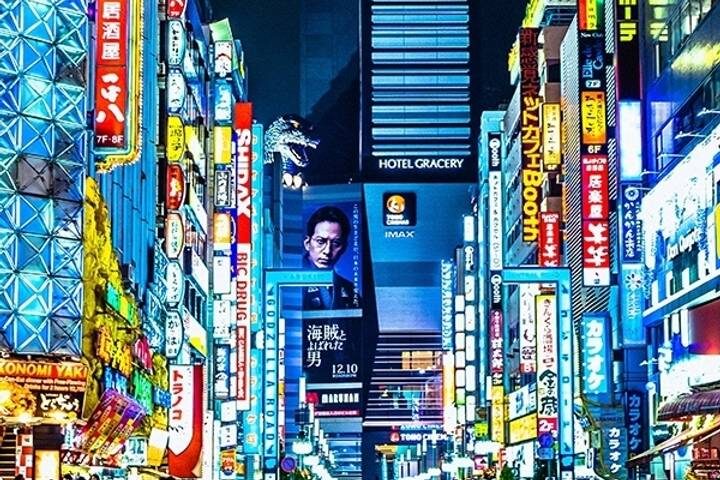
The route has a strong cultural focus: shrines, temples, castles, gardens, old town streets, and traditional food. It also gives you a useful look at modern transport and city life, especially through the train journeys and the contrasts between Tokyo, Kanazawa, Kyoto, and Osaka.

👉 See our pick of the 25 Best Guided Tours In Tokyo
Tokyo’s shrines, gardens, and first free afternoon
You arrive in Tokyo and are met in the airport arrival hall for a shuttle to your hotel. The plan is to stay in Tokyo for four nights, giving you time to recover from the flight and settle into the trip before the longer rail journeys begin.
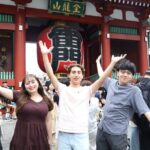
On Day 2, the morning tour starts at 8:25am at Keio Plaza Hotel. You visit Meiji Shrine, the Imperial Palace East Garden, and Asakusa Kannon Temple, with time to browse Asakusa’s shopping arcade. The tour finishes around 1:15pm at Tokyo Station, leaving the afternoon open. You make your own way back to the hotel by local transport, so this is an early chance to get comfortable navigating the city.
The route offers a good first sampler: a major shrine, a garden connected with the Imperial Palace, and a temple district with shops. It is not a full survey of Tokyo, and the afternoon is yours to shape. If you want to see more neighborhoods or visit Tokyo Disneyland or DisneySea, Day 4 is also free.
You can also read our reviews of more historical tours in Tokyo

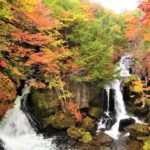
Lake Ashi, the Hakone ropeway, and Owakudani
Day 3 is a guided outing from Tokyo toward Mount Fuji and Hakone. The listed activities are a cruise on Lake Ashi, a ride on the Hakone Ropeway, and time at Owakudani, known as the Boiling Valley. Lunch is included.
The ropeway adds a change of perspective and saves you from making the whole climb on foot. Owakudani gives the day a volcanic counterpoint to Tokyo’s shrines and gardens. The tour returns you to Tokyo, where you make your own way to the hotel.
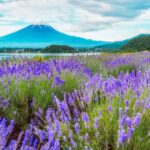
There is a naming detail worth checking: the day is sold as a Mount Fuji and Hakone tour, but the described stops do not specify a visit to a particular Mount Fuji viewpoint. If seeing the mountain is a priority, ask MW Tours what the route includes and whether views are guaranteed. The next day is at leisure, a welcome pause before the long move inland.
Shinkansen to Takayama, then onward to Shirakawago
On Day 5, leave your main luggage at the Tokyo hotel for transfer to Kyoto, arranged and paid directly with the hotel. You carry a smaller bag for the next stretch. A five-minute walk takes you to Shinagawa Station, where provided tickets cover a bullet train and limited express train to Takayama. The hotel is listed as a three-minute walk from Takayama Station.
That train journey is part of the experience, but it also asks you to keep track of tickets, connections, and your overnight bag. The tour provides the rail tickets; you are responsible for following the route and managing your own travel between stations and hotels.
On Day 6, you have time to walk through Takayama’s Sanmachi Suji District, a cluster of traditional tea houses, cafés, restaurants, and shops. Around midday, you take a Nohi bus to Shirakawago, explore at your own pace, then continue by bus to Kanazawa in the late afternoon. From the Kanazawa bus stop, the accommodation is about a ten-minute walk.
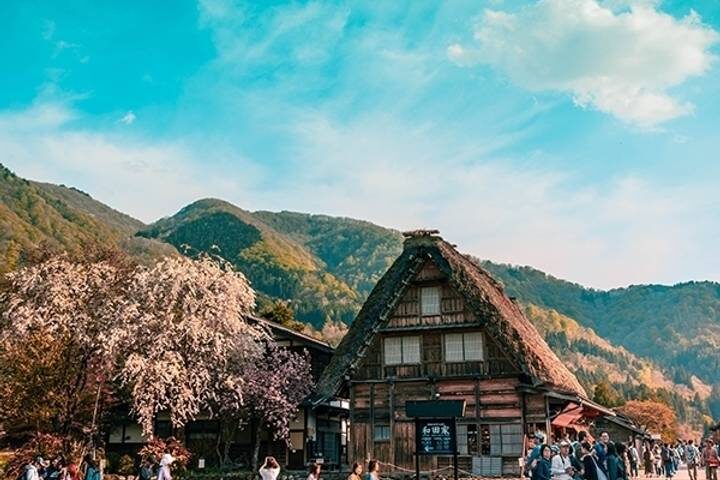
Shirakawago’s gassho-zukuri houses are the visual heart of this section: steep thatched roofs built in a distinctive style. The stop is independent rather than a guided village tour, so you can set your own pace, but the time available depends on the bus schedule. Keep an eye on departure times; this is a transfer day, not an overnight stay in the village.
Kanazawa’s open day and the Kyoto transfer
Day 7 is free in Kanazawa. Kanazawa Castle is about a five-minute walk from the hotel and has free admission, and a city loop bus is suggested for reaching other parts of town. The open day gives you room to explore without rushing from one guided stop to the next.
That independence is a strength, though it means you will need to choose what matters most to you. The tour does not specify additional guided visits in Kanazawa, and the castle is only one possible stop. Plan around your interests and the city’s transport rather than expecting a fixed sightseeing schedule.
On Day 8, an express train takes you to Kyoto. After checking in, meet the guide at Kyoto Station at 1:15pm for the Nara walking tour. The visit includes Todaiji Temple, Nara Deer Park, and Kofukuji Temple, then returns to Kyoto Station. Your hotel is listed as a two-minute walk from the station.
This makes for a busy arrival day: rail travel in the morning, then a guided excursion in the afternoon. It is an efficient way to add Nara without changing hotels, but leave yourself enough time to reach the meeting point after checking in.
Kyoto’s famous temples, with a day to choose your own pace
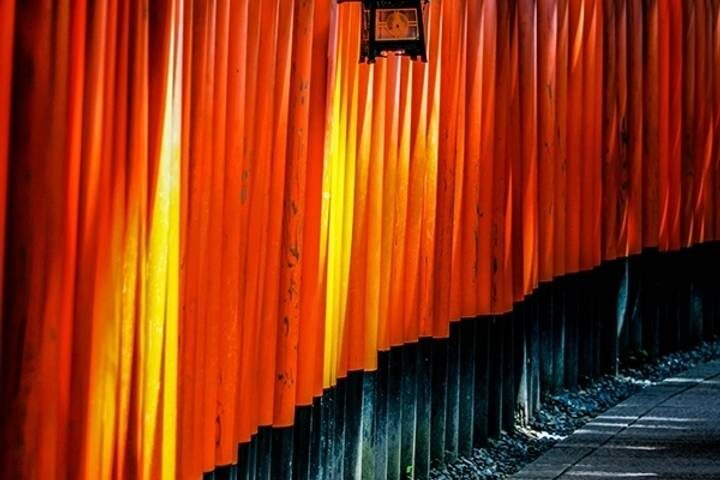
Day 9 is a full guided tour of historical Kyoto. The listed stops are Nijo Castle, Fushimi Inari Shrine, and Kinkakuji Temple, also called the Golden Temple. A traditional local-food lunch is included, and the tour ends at Kyoto Station.
These are major sights, so the day gives you a useful introduction to Kyoto’s scale and variety. The schedule is organized around the guide and group, which is convenient if you want the main stops handled for you. It is less flexible than an independent day, and you should expect walking between visits.
Day 10 is free. The tour suggests traditional tea houses and the possibility of seeing geishas at work, but no specific visit or booking is included. Treat this as your chance to follow your own interests, while keeping in mind the trip’s packing instructions for an overnight bag.
Here the schedule needs particular attention. The Day 10 instructions mention leaving main luggage behind for a night in Mount Koya, while the highlights describe a cable-car ride there. Yet Day 11 says to travel from Kyoto to Osaka, with no Mount Koya stop described. Confirm whether Koya is actually part of your departure and exactly where you sleep that night.


Osaka’s castle, market, and street-food stop
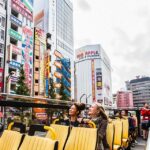
Day 11 is a local train ride from Kyoto to Osaka, followed by check-in for two nights. Day 12 brings a guided walking tour covering Osaka Castle, Shitennoji, Shinsekai, Kuromon Ichiba Market, and Dotonbori. Ramen lunch is included.
The route moves between historic landmarks and lively commercial districts, giving you a different city mood from Kyoto’s temple visits. Keep extra money handy: Osaka Castle and temple entry fees, along with local train tickets, are not included in the walking tour. The schedule does not state how much time is spent at each stop, so ask if you need a detailed pace or access plan.
Day 13 is listed as a departure day, with breakfast and an airport transfer. The timing is not specified, so confirm the pickup details with the operator and avoid booking a flight that leaves before the transfer can reasonably get you there.
What the $3,491 starting price covers, and what it does not
The starting price is $3,491, based on the cheapest room option. It includes 12 nights of quality accommodation, daily breakfast, selected lunches, English-speaking local guides, and the transport and admissions specified for the tour. Airport shuttle transfers and train tickets are also listed among the inclusions.
That package can offer solid value if you want the main intercity transport arranged and prefer guided context at selected sights, while still having some days to yourself. One October 2025 participant rated the trip 5 out of 5 and described it as a good way for independent people to see a lot of Japan. The available public feedback is limited to one review, so treat that as an encouraging data point, not a broad measure of every departure.
Budget separately for international flights, travel insurance, personal spending, meals not specified, luggage transfers, and any optional activities. Luggage forwarding is especially easy to overlook: the tour instructs you to arrange it directly with the hotel and pay the hotel. The Osaka walking tour also has extra entry and local transport costs.
A $265 deposit is due when booking, and the balance is due 65 days before departure. The listed departure months are October, November, and December. October can be a busy period, and the operator says triple-share rooms may not be available when allotments are full. Room sharing with an unrelated same-sex traveler is not offered.
Who should book this route?
I would consider this tour if you want to see several sides of Japan in less than two weeks, like having the important rail tickets arranged, and are happy to manage some details yourself. Its strongest fit is the independent traveler who appreciates a guide for key visits but does not need someone leading every hour.
It is a less natural match if you want a fully guided holiday, dislike changing transport, need a guaranteed room-share arrangement, or want every cost settled in advance. The tour is rated low intensity, but its schedule still includes walking tours, station transfers, and days with multiple stops. Anyone with mobility concerns should ask the operator about the walking involved.
Before paying, get clear written confirmation of the 12-night accommodation sequence, whether Mount Koya is included, what the Mount Fuji portion actually visits, and which airport transfers are provided. With those points resolved, this is a practical, varied way to connect Tokyo and Osaka while leaving you room to make some of Japan your own.
Japan World Heritage 13-Day Tour by MW Tours
“Great tour for independent people to see a lot of Japan”
FAQ
Where does the tour start and end?
It starts in Tokyo and ends in Osaka.
How long is the tour?
The tour runs for 13 days and is listed as including 12 nights of accommodation.
What is the group size?
The group size is listed as 2 to 16 people. The minimum age is 12.
Which meals are included?
Daily breakfast is included. Lunch is also included on the Hakone day, the Kyoto tour, and the Osaka walking tour.
Are international flights included?
No. International airfares and taxes are not included, and you arrange your own flights.
Is luggage transfer included?
No. Luggage transfer is excluded. You are asked to arrange and pay for it directly with the hotel, and to carry an overnight bag on some travel days.
Is Mount Koya part of the trip?
Mount Koya appears in the tour highlights and packing instructions, but the day-by-day schedule does not show a visit or overnight stay there. Ask MW Tours to confirm the actual route before booking.