Hiroshima’s Peace Memorial Park and Miyajima’s sea-facing shrine make a powerful pair: one asks you to remember a catastrophe, the other offers a quiet change of pace among island paths and deer. This eight-hour bus tour links them without asking you to work out the transport and ferry connections yourself.
I like the clear contrast between the morning’s serious history and the afternoon’s time on Miyajima. I also like that the guide, ferry, museum and shrine admissions, transport, and lunch are included, while guides such as Rino, Marin and Tomo are often praised for making the history easy to follow.
The trade-off is a full day with limited time at each stop, plus a fixed return time that can be affected by traffic or weather. The tour meets at Hiroshima Station, not at your hotel, and the Miyajima visit includes some time on your own, so bring comfortable walking shoes and keep an eye on the clock.
- At a glance
- A morning shaped by Hiroshima’s past
- Inside the Peace Memorial Museum
- Okonomiyaki, then a ferry to Miyajima
- Itsukushima Shrine and the floating torii
- Daishoin and the island’s quieter side
- Guides make the history easier to follow
- What the 6.30 starting price covers
- Timing, meeting point and practical cautions
- Who should book this Hiroshima day tour?
- FAQ
- Where does the tour start?
- What time does the tour return?
- Are the ferry and attraction admissions included?
- Is lunch included?
- Is hotel pickup included?
- Can young children join?
- The Best Of Hiroshima!
- More Guided Tours in Hiroshima
- More Tours in Hiroshima
- More Tour Reviews in Hiroshima
- Not for you? Here's more nearby things to do in Hiroshima we have reviewed
At a glance
 1 / 6
 2 / 6
 3 / 6
 4 / 6
 5 / 6
 6 / 6
- A moving morning: Visit the Atomic Bomb Dome, Peace Memorial Park and Peace Memorial Museum with an English-speaking guide.
- A ferry crossing to Miyajima: The JR ferry is included, and wild deer may be visible along the way.
- Okonomiyaki for lunch: The included meal is a Hiroshima specialty, with a vegetarian option available if you request it when booking.
- Itsukushima Shrine and its torii: See the shrine and its famed gate, which stands in the sea.
- Free time on the island: Daishoin is self-guided, with time to explore Miyajima at your own pace.
- A station-to-station day: Meet at Hiroshima Station at 10:00 and expect to return around 18:00 to 18:30.

👉 See our pick of the 3 Best Workshops And Classes In Hiroshima
A morning shaped by Hiroshima’s past
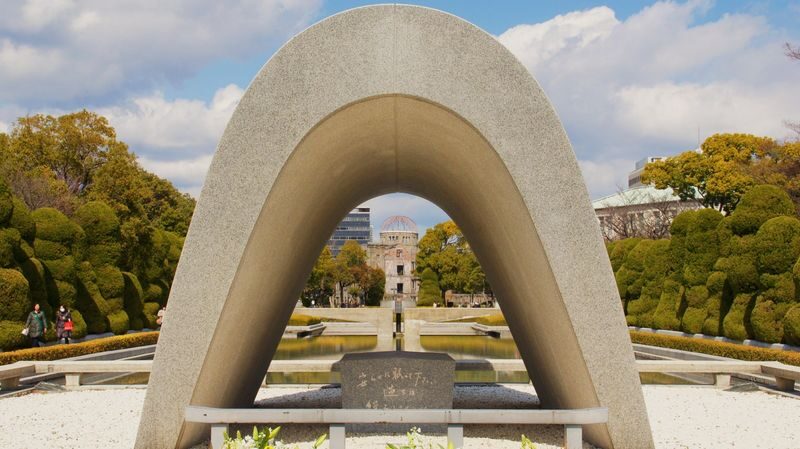
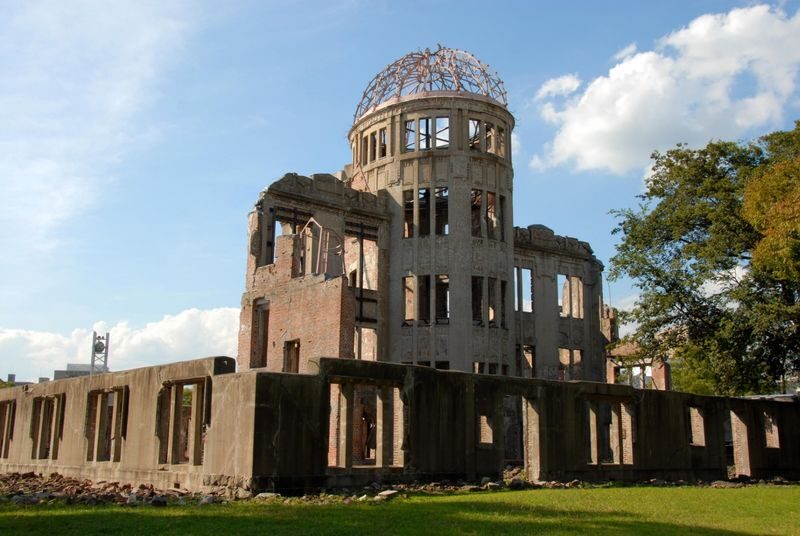
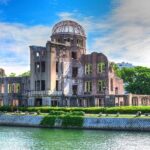
The tour begins at Hiroshima Station and heads into a city whose modern life sits beside a history that cannot be ignored. The first major stop is the Atomic Bomb Dome, originally built in 1915 as a production hall by Czech architect Jan Letzel. Its surviving framework marks the place where the atomic bomb was dropped in 1945.
The guide explains the building and its place in Hiroshima’s story. That context matters: the Dome is more than a striking ruin, and a few minutes of explanation can help you understand why it has been preserved. It is a brief stop in a busy day, so don’t expect a long, private visit. Instead, take time to look carefully and listen before moving on.
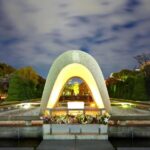
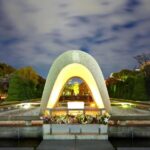
The route continues through Hiroshima Peace Memorial Park. More than 50 peace statues are found in the park, and your guide points out some of them, along with the paper cranes left in remembrance. The park is a place to walk and reflect, not simply a path between the Dome and the museum. Your guide’s commentary helps connect its monuments to the people and events behind them.
You can also read our reviews of more guided tours in Hiroshima


Inside the Peace Memorial Museum
The Peace Memorial Museum is the day’s most emotionally demanding stop. Admission is included, and the guided visit introduces exhibits related to World War II, including recovered artifacts and videos recorded by victims. The material offers a direct account of the bomb’s effects and the human cost of war.
Allow yourself room to take in the displays at your own pace. The museum can be difficult, and the tour’s schedule means you won’t have unlimited time. If you prefer to pause or move more slowly through particular exhibits, follow the guide’s instructions about when and where to rejoin the group.
Museum access can change. If admission restrictions or other circumstances prevent the group from entering, the tour may substitute another site. From February 16 to 21, 2026, the museum is scheduled to close for exhibit replacement, with a visit to the Hiroshima National Peace Memorial Hall for the Atomic Bomb Victims instead. The tour information states that this change does not qualify for a refund.
Okonomiyaki, then a ferry to Miyajima
After the Peace Park and museum, lunch provides a welcome shift in mood. The included meal is okonomiyaki, a savory Japanese pancake and one of Hiroshima’s best-known local dishes. A vegetarian version is available, but you need to request it when booking.
Lunch opinions can differ, so it is best to think of this as a convenient included meal rather than a guarantee that every diner will love the exact preparation. Some people praise it; one account found the meal less appealing and preferred oysters recommended nearby by the guide. If you have strong food preferences, or want more choice, the package without lunch may suit you better. The supplied details do not specify the price difference, so compare the options when booking.
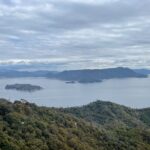
From Hiroshima, the tour takes the JR ferry to Miyajima. The ferry ride is part of the experience, not just a transfer, and wild deer may be seen on the way to the shrine. Keep food tucked away and give the animals space. Once on the island, you’ll have the sea, shrine buildings and torii gate to look forward to.
Itsukushima Shrine and the floating torii
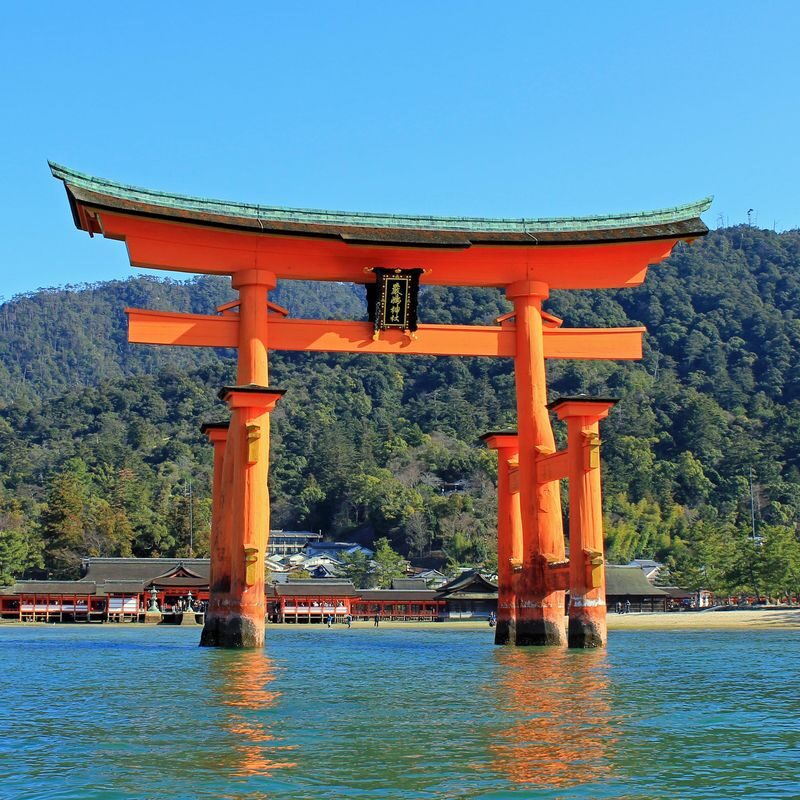
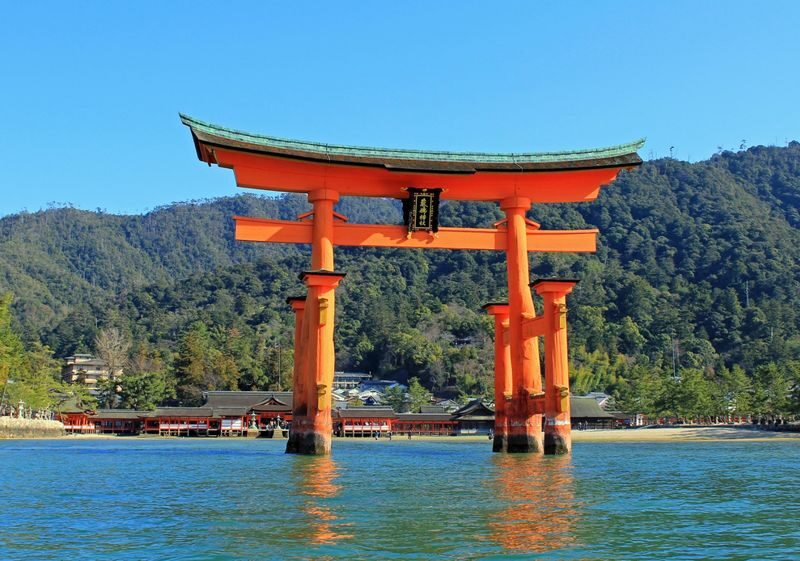
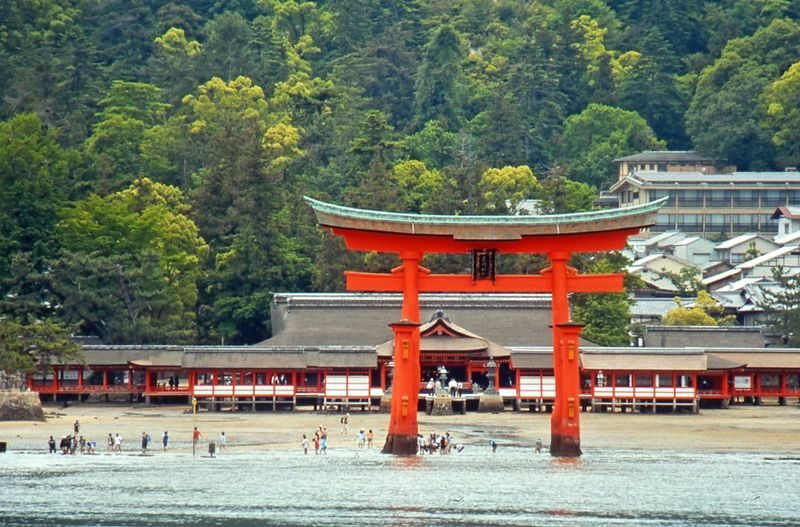
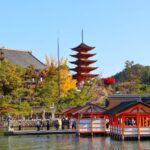
Itsukushima Shrine is the afternoon’s main landmark. The shrine is described as dating to 593, with most of its present complex completed in 1168, and it is built on the water’s edge. Its setting is what makes the visit special: the shrine and the bay form a single scene, rather than the shrine standing apart from its surroundings.
The great Otorii gate rises 16 meters from the sea. From the right angle, it appears to float offshore, a view that has made Miyajima famous. Conditions and the state of the water can affect what the scene looks like, so don’t expect one identical postcard view every time. The shrine admission is included, and your guide leads this part of the visit.
A balance of guided time and free time is a strength here. You can follow the guide for background, then use the unaccompanied time to look around at your own pace. Keep track of the return meeting time. Miyajima has more to explore than a single afternoon allows, and the schedule has to bring the group back to Hiroshima.
Daishoin and the island’s quieter side
Daishoin is the final named stop, but it is self-guided. That gives you a chance to explore the temple and the surrounding island without needing to stay with a running commentary. One account singled out Daishoin’s beauty and calm, making it a worthwhile use of your free time if you want something beyond the shrine and its torii.
This is not a long temple tour with a guide explaining every detail. You’ll need to manage your own time and decide how much of Miyajima to see before the group departs. If you prefer a very structured visit, check in with the guide about the meeting point and return time before wandering off.
The island stop also involves walking, and the day as a whole covers several sites. Reviews describe tired feet, especially on hot days. Wear walking shoes, dress for the weather and carry water. The tour gives you a lot to see, but it is not a low-effort outing.


Guides make the history easier to follow
The guide is central to the value of this tour. Rino, Marin and Tomo are among the guides named in comments about the experience. People particularly praise clear English, warm communication, organization and the ability to keep the group together without making the day feel overly rigid. One person travelling with an 81-year-old grandmother appreciated that Tomo checked on the group and made sure nobody was left behind.
That personal attention matters on a day with a large range of moods and settings. At the Peace Museum, a guide can help you place difficult exhibits in context. On Miyajima, the guide can explain the shrine and then leave room for your own wandering. The group can include between one and 43 participants, so the feel of the day may vary with its size.
The schedule is designed to keep a lot of moving parts in order: bus transport, a ferry crossing, admissions, lunch and several stops. Praise for guides’ timekeeping and organization is a useful sign for anyone who would rather focus on the places than manage every connection independently. Still, a group tour means moving when the group moves.
What the $106.30 starting price covers
At a starting price of $106.30, this tour bundles transport, an English-speaking guide, the ferry, Peace Memorial Museum and Itsukushima Shrine admissions, and lunch in the with-lunch option. You are paying for more than a ride between two famous sights. The ferry and island logistics, the guide’s explanations and the included entry fees all reduce the planning you would otherwise need to do yourself.
The value is strongest if you want to see both Hiroshima and Miyajima in one day and prefer someone else to coordinate the route. It is less compelling if you want long, unhurried hours in the museum or on the island, or if you’re happy to arrange the transport and meals yourself. The day is packed by design.
There is also a version without lunch. That can be a sensible choice if you want to pick your own meal on Miyajima, where local specialties and snacks are part of the island visit. The included lunch is convenient, and vegetarian food can be requested, but it is not the only way to eat well during the day.
Timing, meeting point and practical cautions
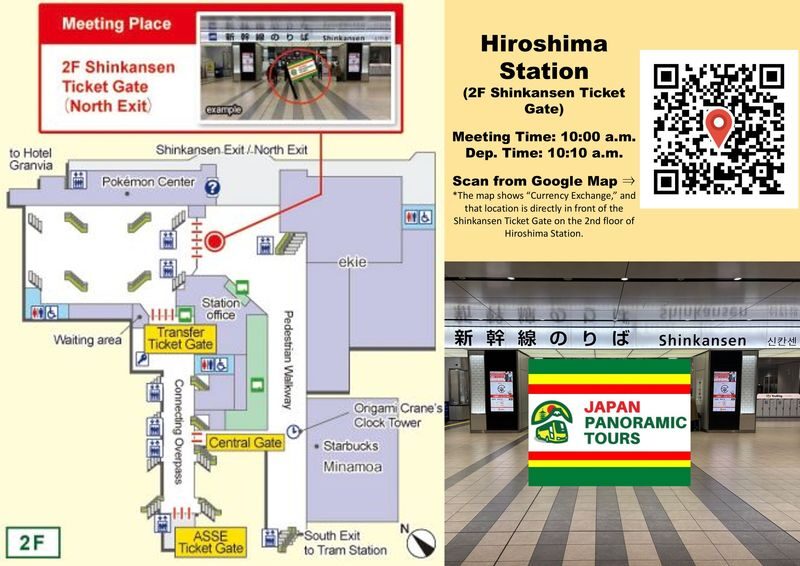
This Hiroshima departure meets in front of the Shinkansen ticket gate on the second floor of Hiroshima Station. The listed start time is 10:00. Arrive 15 minutes early, as the tour requires prompt check-in and late arrivals cannot join partway through or receive a refund. Look for a guide with a company logo sign.
The tour expects to return to Hiroshima Station around 18:00 to 18:30. Traffic, weather or service suspensions can change the schedule, and the tour may replace an activity or provide a gift depending on the circumstances. The information provided says refunds are not given for these changes.
If you are connecting to a Shinkansen, book a train departing after 18:30 to allow for delays. There is no hotel pickup or drop-off, and no extra drop-off service is included. Children aged zero to three may join free if they do not use a separate seat.
The tour accepts vegetarian dietary requirements, which should be shared when booking. If you have made multiple bookings, send the booking numbers and total number of people to the operator before the tour. The voucher is valid only for its selected date and time, and confirmation is usually issued within minutes.
Who should book this Hiroshima day tour?
I’d choose this tour if you have one day for Hiroshima and Miyajima, value a guide’s explanation at the Peace Memorial sites, and don’t want to piece together the bus, ferry and admissions yourself. It also suits visitors who like a full itinerary with a little independent time at Daishoin and on Miyajima.
Think twice if you want to spend half a day at the museum, explore the island at length or set your own pace throughout. This is a group outing, and its schedule must accommodate as many as 43 people. The historical visit can be emotionally heavy, while the island adds walking and a tight return timetable.
For most first-time visitors with limited time, the combination is compelling: a serious, thoughtful morning followed by the shrine and sea views on Miyajima. Book it for the convenience and the guide, not for an unhurried day. If those priorities match yours, the price is reasonable for what is included.
Peaceful Hiroshima & Miyajima UNESCO Bus Tour by Professional guide
“Rino was an excellent guide, explaining everything clearly and even looking for us when we got a bit lost. A really worthwhile experience.”
FAQ
Where does the tour start?
Meet in front of the Shinkansen ticket gate on the second floor of Hiroshima Station. The scheduled departure is 10:00, and you should arrive 15 minutes early.
What time does the tour return?
The tour is due back at Hiroshima Station around 18:00 to 18:30. Traffic and weather can affect the return time.
Are the ferry and attraction admissions included?
Yes. Admission to the Peace Memorial Museum and Itsukushima Shrine is included, as is the JR Miyajima ferry.
Is lunch included?
The Hiroshima departure is offered with lunch or without lunch. The included meal is okonomiyaki, and a vegetarian option is available if requested when booking.
Is hotel pickup included?
No. You need to reach the meeting point at Hiroshima Station yourself, and hotel pickup, hotel drop-off and extra drop-off service are not included.
Can young children join?
Children aged zero to three may join free of charge if they do not occupy a separate seat.