Japan’s big draw here is the change of pace: one trip takes you from Tokyo’s crowded crossings to the quiet mountain paths of Koya-san, with Hiroshima, island ferries, hot springs, and temple towns in between. The overnight stay at a Buddhist monastery gives this route a rare pause amid the sightseeing.
I like the contrast between Hiroshima and Miyajima, where a solemn visit to the Peace Memorial Park is followed by a ferry to a shrine set over the sea, and the northbound stretch through Tsumago, Matsumoto, and the Japanese Alps. You also get more than city hotels: a temple stay and a traditional inn add a sense of place.
The main caution is pace. You cover a lot of ground in 11 days, with several long coach journeys and limited free time in some stops. The tour is described as English-language, but one past July departure reportedly used both English and Spanish, so ask before booking if single-language commentary matters to you. Some entry fees also appear as optional, despite visits being listed in the daily plan.
- What to know before you book
- Tokyo’s temples, crossings, and city views
- Hiroshima and a ferry to Miyajima
- Shikoku, Dogo Onsen, and the island-crossing route
- Kobe and a night among Koya-san’s temples
- Kyoto’s landmark shrines and a traditional quarter
- Tsumago, Matsumoto Castle, and the road north
- Nagano’s temple ritual and the snow monkeys
- Nikko’s shrines and the return to Tokyo
- Is the ,653 starting price good value?
- Who should book this Japan tour?
- FAQ
- How long is the tour, and where does it start and end?
- Is the tour guided in English?
- What meals are included?
- What kind of accommodation should I expect?
- Is the tour physically demanding?
- Are entrance fees included?
- The Best Of Tokyo!
- More Tours in Tokyo
- More Tour Reviews in Tokyo
- Not for you? Here's more nearby things to do in Tokyo we have reviewed
What to know before you book
 1 / 10
 2 / 10
 3 / 10
 4 / 10
 5 / 10
 6 / 10
 7 / 10
 8 / 10
 9 / 10
 10 / 10
- A full loop from Tokyo: The route reaches Hiroshima, Shikoku, Koya-san, Kyoto, Nagano, and Nikko before returning to Tokyo.
- A rare overnight at Koya-san: Sleep on tatami in a Buddhist monastery, share bathroom facilities, and have a vegetarian dinner.
- The journey includes real travel time: The bullet train to Hiroshima takes about four hours, while other days involve long drives and ferries.
- Some walking is unavoidable: Expect temple grounds, forest paths, and 785 steps at Kotohira Shrine.
- Room and hotel assignments vary: The named properties are examples, not a promise of one particular hotel.
- Check entry costs: The tour description lists some admissions as included and others as optional. Confirm the exact inclusions for your departure.

👉 See our pick of the 25 Best Guided Tours In Tokyo
Tokyo’s temples, crossings, and city views
Day one is deliberately light. A shared shuttle takes you from the airport to your hotel, leaving the rest of the day to recover from the flight. In the afternoon, you receive details about when the guided program starts. That first evening is a good time to eat near the hotel and get some sleep rather than plan a grand Tokyo adventure.
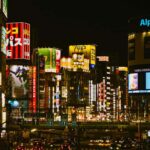
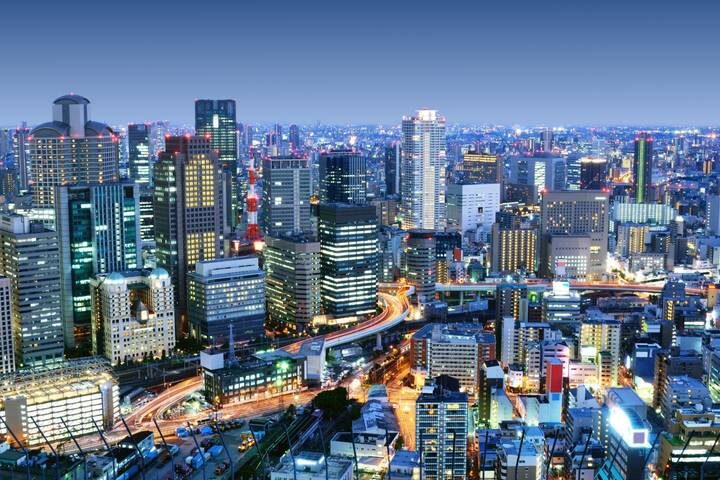
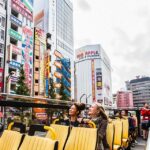
Day two is a long guided circuit, about seven hours, that samples both old and new Tokyo. At Zojoji Temple, hundreds of stone Jizo figures wear knitted hats and bibs, a quietly affecting sight beneath the city skyline. Shibuya Crossing is viewed from the bus, so this is a brief look rather than time to cross and linger.
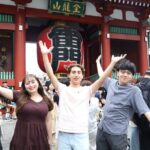
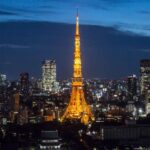
Meiji Shrine offers a wooded pause before the tour heads up Tokyo Skytree. Admission to the Tembo Deck at 350 meters is included, weather permitting. The day continues in Asakusa, where Sensoji Temple and Nakamise Street give you a close look at a historic temple precinct and its shop-lined approach. You also pass Akihabara and Ginza on the return to the hotel.
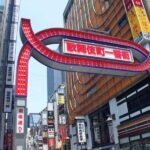
In the evening, a guide takes the group by subway to Shinjuku for a walk and an included dinner at a local restaurant. This makes the day easy to manage, but it is a lot of Tokyo in one go. If you want to spend longer in any neighborhood, use your free time on Day 1 or after the tour ends.
You can also read our reviews of more tours and experiences in Tokyo.


Hiroshima and a ferry to Miyajima
Day three begins with a bullet train ride from Tokyo to Hiroshima, roughly four hours for about 800 kilometers. That efficient rail connection makes a far-flung stop practical, though the day still has a serious amount of sightseeing packed around the journey.
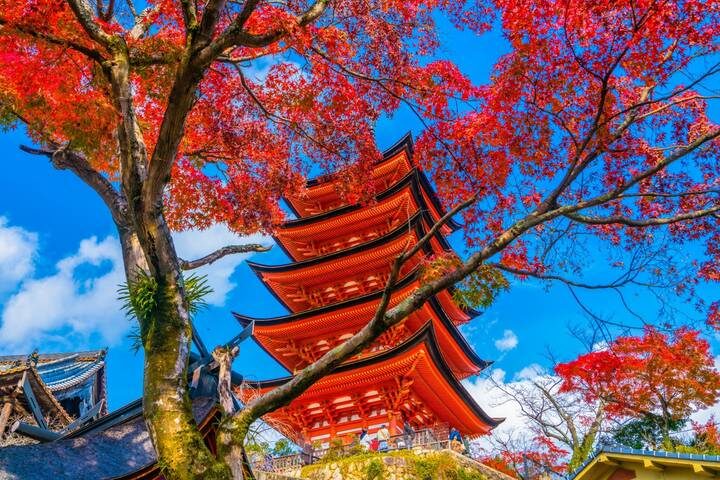
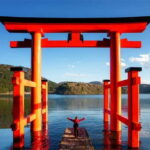
The visit to Peace Memorial Park, the Atomic Bomb Dome, and the Peace Memorial Museum gives essential context to Hiroshima’s history and recovery. Allow yourself time to take in the museum rather than treating it as just another stop. The schedule includes a ferry to Itsukushima Shrine on Miyajima, where you can explore the shrine and the island center before returning to Hiroshima. Dinner is included that evening.
The itinerary’s order can change, so the time available on Miyajima may vary. The combination is powerful: the museum asks you to reflect, while the island offers a different setting and a landmark shrine associated with the sea.
Shikoku, Dogo Onsen, and the island-crossing route
A two-and-a-half-hour ferry carries you from Hiroshima to Shikoku on Day 4. In Matsuyama, the cable car takes you up to the castle, followed by Ishiteji Temple, a pilgrimage site. Lunch is included, and the day ends with admission to Dogo Onsen, a 19th-century bathhouse.
The hot spring is an appealing chance to slow down after several busy days. Follow any bathing instructions provided locally, and remember that a traditional public bath is a shared, practical place rather than a private spa. The tour details do not specify how long you will have there, so keep expectations flexible.
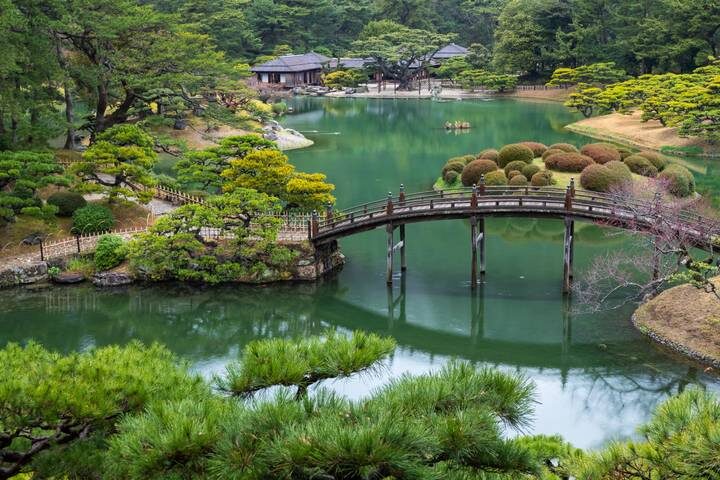
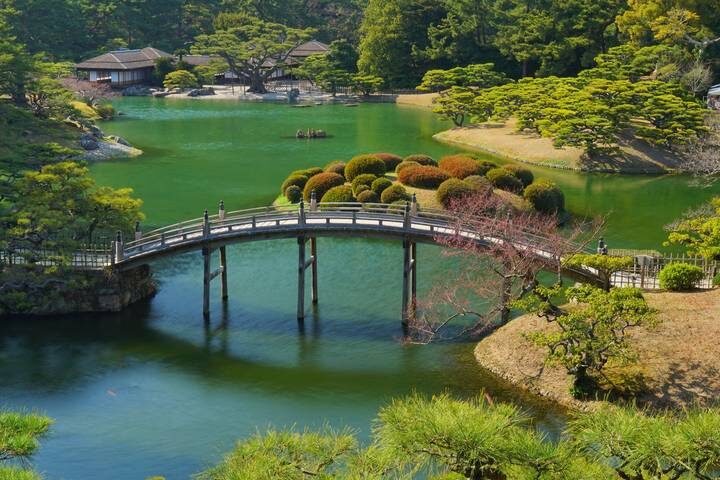
Day five is a long road journey through Kotohira, Takamatsu, and Naruto to Kobe. At Kotohira, reaching the shrine means climbing 785 steps on Mount Zosu. That is manageable for many people, but it is the day’s clearest physical challenge. Ritsurin Garden in Takamatsu offers a gentler change of pace, with lunch included.
In Naruto, the group visits the bridge and its glass-floor walkway, 45 meters above the sea, for a view of the whirlpools below. The scenery continues across bridges linking islands before the group reaches Kobe. The variety is rewarding, but this day is more about moving between stops than lingering in one place.
Kobe and a night among Koya-san’s temples
In Kobe, the Earthquake Memorial Museum explains the 1995 earthquake and the city’s rebuilding. The visit may be replaced on some dates by a sake museum or a trip up Kobe Tower, so check the plan for your departure if the earthquake story is a priority.
From Kobe, the route continues toward Koya-san, a major center of Shingon Buddhism with about 120 temples and monasteries. Okuno Mausoleum sits within a large forest cemetery, and Kongobuji Temple dates to 1593. These places are not quick photo stops; their atmosphere is part of what makes the mountain visit worthwhile.
The overnight stay is one of the tour’s most distinctive features, but go in with practical expectations. Rooms are simple and traditionally styled with tatami mats, and bathrooms are shared. Dinner is vegetarian. The schedule includes Ajikan meditation led by monks, though it may not be available on peak dates. There may also be an opportunity to attend a religious service before breakfast. Because monastery capacity is limited, some groups may instead stay in nearby hotels, with half board included.
Kyoto’s landmark shrines and a traditional quarter
Day seven starts with a traditional Japanese breakfast at the temple and an early departure for Kyoto. The city served as Japan’s capital from 794 to 1868 and remains one of the country’s key centers for historic architecture and religious sites.
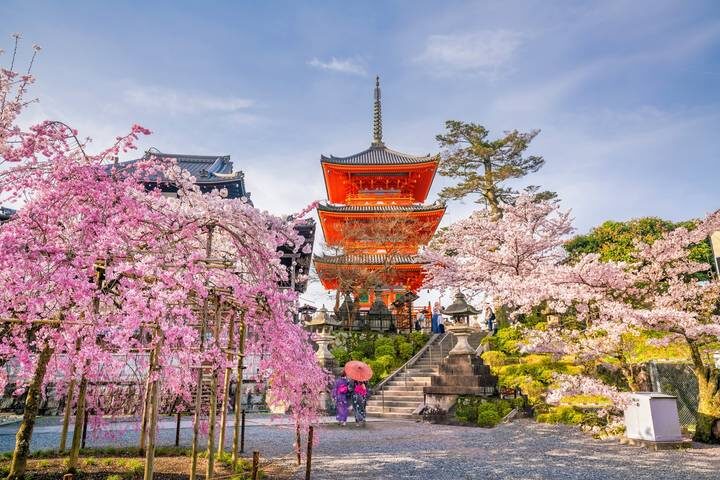
The day includes Fushimi Inari Shrine, the Imperial Palace, and Kinkaku-ji, the Golden Pavilion. Each has a different character: Fushimi Inari is known for its shrine setting, the palace connects you with Japan’s imperial past, and Kinkaku-ji is famed for its gold-covered pavilion and gardens. You also get free time, then visit Gion, a traditional district associated with geisha culture.
This is a useful first survey of Kyoto, not a slow visit to every site. If the city is a major reason for your trip, consider adding nights before or after the tour. The tour’s hotel allocation is listed under more than one property, and actual lodging can vary.

Tsumago, Matsumoto Castle, and the road north
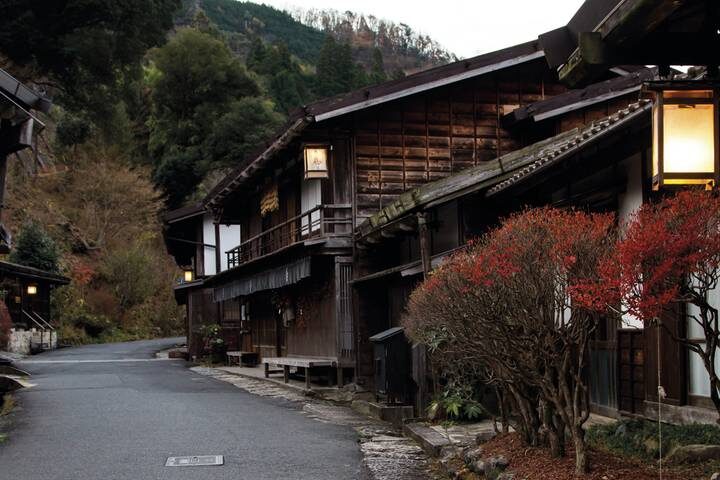
Day eight trades Kyoto’s formal sights for smaller towns and countryside. Tsumago is known for its wooden houses, and you have free time to walk around. Lunch is included. The stop gives you a glimpse of a traditional village setting, although the time available depends on the day’s drive.
Matsumoto brings a striking contrast: its 16th-century castle is known as the Crow for its dark exterior. After the visit, you have free time in the city before continuing to Nagano for the night. This is another substantial travel day, so the free hours are best used for a short wander or a meal rather than a long list of plans.
Nagano’s temple ritual and the snow monkeys
On Day nine, Zenko-ji Temple anchors the morning. The temple is an important pilgrimage site, and the itinerary includes participation in a Gomakuyo ceremony, a traditional ritual for good fortune. The visit is followed by a drive into the Japanese Alps and a walk at Jigokudani Monkey Park.
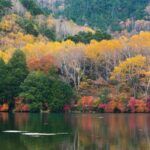
The route through the forest, past rivers and hot springs, is part of the appeal. Japanese macaques live in the area and may bathe in the warm water, but their movements are not guaranteed. In autumn, food availability can affect whether they come down to the park. Think of the walk and mountain setting as part of the visit, not just a promise of close-up monkey viewing.
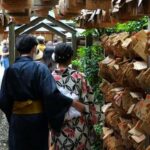
The day continues over high mountain roads, reaching 2,172 meters, then stops in Kusatsu for a walk in the town park and free time for lunch. Weather can cancel the Kusatsu visit from November through April. The overnight is in Ikaho, where old stone stairways lead through the hot-spring town. A traditional inn stay, hot-spring access, and Japanese dinner close a day full of scenery and regional contrasts.
Nikko’s shrines and the return to Tokyo
Day ten takes you to Nikko for Toshogu Temple, the Taiyuinbyo Mausoleum, and Kanmangafuchi Abyss, where rows of Jizo statues line the riverbanks. The temple complex is known for its decorated buildings, while the walk along the abyss offers a quieter finish to the sightseeing.
There is free time in Nikko before the drive back to Tokyo, with arrival expected around 6:30 p.m. That timing is useful if you are planning a final night in the city, but do not schedule a tight connection that evening. Day eleven is breakfast and departure, with no further sightseeing included.
Is the $4,653 starting price good value?
At a starting price of $4,653, this is a guided, transport-heavy trip rather than a budget way to see Japan. The package includes accommodation, breakfast, an airport transfer, an English-speaking tour leader, basic travel insurance, three lunches, and four dinners. It also handles the complicated connections between Honshu, Shikoku, the mountain towns, and Tokyo.
The strongest value is convenience and breadth. You avoid arranging the bullet train, ferries, coaches, and hotel changes yourself, and the route reaches places that can be awkward to combine independently in 11 days. The trade-off is control: you follow the group’s timetable, and some stops are short.
Do not assume every ticket is covered. Tokyo Skytree is explicitly included, but the information also lists admissions to several temples and attractions as optional extras, even where the daily program describes a visit. Ask for a clear written list of included entrance fees, especially for Hiroshima Peace Memorial Museum, Dogo Onsen, Kinkaku-ji, Matsumoto Castle, and Jigokudani Monkey Park. The exact hotels can also vary, from three-star to four-star properties, and room sizes and bed sizes may differ.
The group size can range from two to 72. A large group can mean more waiting at stops and less flexibility, while the tour’s guaranteed departures and organized transport may suit you if you prefer not to manage logistics. The operator has a 4.1 out of 5 rating across its tours, but the individual tour has only one recorded rating, so there is limited feedback specific to this route.
Who should book this Japan tour?
Book it if you want one organized trip that joins Tokyo, Hiroshima, Shikoku, Kyoto, the Japanese Alps, and Nikko, and you value transport and lodging arranged for you. The monastery stay, Dogo Onsen, Miyajima ferry, and mountain stops give the route more variety than a city-only tour.
Think twice if you want long, unhurried visits, precise control over hotel choices, or narration guaranteed to be English only. Before paying, confirm the language plan, monastery accommodation, and entry fees. If those details suit you, this is a practical way to cover a wide stretch of Japan in a short visit.
Capitals of Japan GO by Europamundo – 11-Day Tour from Tokyo
FAQ
How long is the tour, and where does it start and end?
The tour lasts 11 days. It starts in Tokyo with an airport transfer and returns to Tokyo on Day 10. Day 11 ends after breakfast.
Is the tour guided in English?
The tour is designated as English-language and includes an English-speaking tour leader. A past July departure reportedly used both English and Spanish, so ask Europamundo whether your specific departure will have English-only commentary.
What meals are included?
The tour includes breakfast, three lunches, and four dinners. Lunches are listed in Matsuyama, Takamatsu, and Tsumago. Dinners are listed in Tokyo, Hiroshima, Koya-san, and Ikaho.
What kind of accommodation should I expect?
The tour uses three-star and four-star hotels, plus a planned Buddhist monastery stay on Koya-san and a ryokan in Ikaho. The monastery has simple tatami rooms and shared bathrooms. Specific hotels may vary.
Is the tour physically demanding?
It is rated low intensity, but you should expect walking at temples and forest sites, as well as 785 steps at Kotohira Shrine. The schedule also includes long journeys by train, ferry, and coach.
Are entrance fees included?
Some are specified as included, including Tokyo Skytree admission to the Tembo Deck. Other attractions appear in the optional-admission list, so confirm which entrance fees are covered before booking.