Tokyo’s giant crossing, Hiroshima’s Peace Memorial, a Buddhist monastery on Mount Koya and snow-country macaques at Jigokudani: this 11-day route puts very different sides of Japan on one trip. You travel by coach, ferry and bullet train, with city tours, temple visits and mountain stops handled for you.
I like the breadth of the route: it moves well beyond the Tokyo-Kyoto circuit to Shikoku, Tsumago, Nagano and hot-spring towns. I also like the overnight at Mount Koya, where a temple stay, vegetarian dinner and monk-led meditation offer a more distinctive night than another standard hotel.
The main consideration is the pace. You change bases often, some days cover long distances, and group size can reach 72. Also confirm the guide language for your departure: although the tour is presented in English, guiding may be bilingual in English and Spanish.
- Tokyo’s landmarks in one day: Visit Meiji Shrine, Asakusa and Tokyo Skytree, with Shibuya Crossing viewed from the bus.
- A bullet-train leap to Hiroshima: Cover about 800 kilometers in roughly four hours, then see Peace Memorial Park and Itsukushima Shrine.
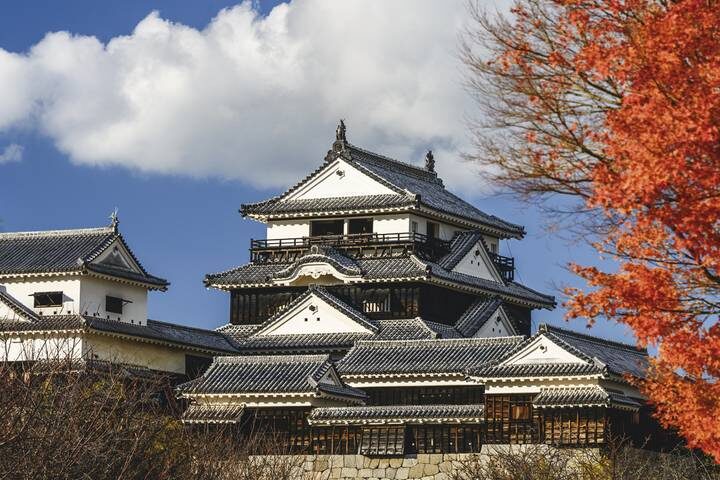
- Shikoku by ferry and road: Reach Matsuyama, Kotohira, Takamatsu and Naruto, including a castle cable car and a glass-floored bridge.
- A night in a Buddhist monastery: Stay on Mount Koya, with a vegetarian meal and a scheduled Ajikan meditation, subject to availability.
- Mountain Japan and hot springs: Walk to Jigokudani Monkey Park, visit Kusatsu and sleep in a traditional ryokan at Ikaho.
- A fast-moving route from Tokyo to Nikko
- Tokyo, from temple calm to Shinjuku after dark
- Hiroshima by bullet train, then a ferry to Itsukushima
- Shikoku’s castle, pilgrimage steps and sea bridges
- Kobe and a night among Mount Koya’s temples
- Kyoto’s landmark circuit, followed by old Tsumago
- Nagano, macaques and hot-spring country
- Nikko, then back to Tokyo
- What the price covers, and what to check
- Who should book this Japan circuit?
- FAQ
- Are flights included in the tour price?
- Where does the tour start and end?
- Is the tour guided in English?
- How large can the group be?
- What meals are included?
- Is the Mount Koya accommodation a regular hotel?
- Is meditation included at Mount Koya?
- How much walking is involved?
- Can I count on seeing the snow monkeys?
- What happens if Tokyo Skytree is closed or weather limits access?
- The Best Of Tokyo!
- More Tours in Tokyo
- More Tour Reviews in Tokyo
- Not for you? Here's more nearby things to do in Tokyo we have reviewed
A fast-moving route from Tokyo to Nikko
 1 / 10
 2 / 10
 3 / 10
 4 / 10
 5 / 10
 6 / 10
 7 / 10
 8 / 10
 9 / 10
 10 / 10
This is a guided sampler, not a slow stay in any one place. Over 11 days, you move from Tokyo to Hiroshima, cross to Shikoku, continue through Kobe and Osaka to Mount Koya, then head to Kyoto, Tsumago, Matsumoto, Nagano, Kusatsu, Ikaho and Nikko before returning to Tokyo.
That range is the tour’s main value. You see major cities and famous cultural sites, but also small post towns, mountain scenery and hot-spring communities that take more planning to link independently. The trade-off is time: several days involve substantial transfers, and sightseeing windows can be brief.
The group is listed at 2 to 72 people. A large group can make transport and entry arrangements easier, but it can also mean waiting for people to gather and moving at the group’s pace. The tour is described as low intensity, though you should still be ready for regular walking, temple grounds, forest paths and, at Kotohira, a climb of 785 steps.

👉 See our pick of the 25 Best Guided Tours In Tokyo
Tokyo, from temple calm to Shinjuku after dark
Your first day is deliberately light. A shared shuttle takes you from the airport to the hotel, leaving time to settle in before the tour begins. Flights are not included, so arrange your arrival separately and check that your flight timing fits the transfer arrangements.
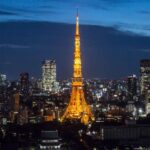
The next day packs Tokyo’s contrasts into about seven hours. At Zojoji Temple, you get a view of Tokyo Tower and see rows of small Jizo figures, guardians of children, dressed in knitted hats and bibs. Shibuya Crossing is viewed from the bus rather than explored on foot as part of the guided visit, so plan your own return if walking through the crossing matters to you.
Meiji Shrine brings a quieter stretch among the city’s dense neighborhoods. Tokyo Skytree admission to the Tembo Deck at 350 meters is included, weather permitting. The tour then reaches Asakusa and Nakamise Street, where you have time to browse, before passing through Akihabara and Ginza on the way back.
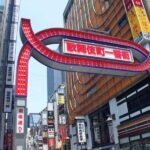
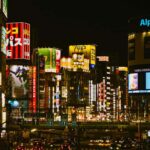
In the evening, your guide takes the group by subway to Shinjuku for a walk and an included local-restaurant dinner. That is a useful first taste of Tokyo’s night scene without having to work out the route on your own. The subway ride is included, too. The order of daytime stops can change, and poor weather or other exceptional conditions may affect Skytree access.
You can also read our reviews of more tours and experiences in Tokyo.



Hiroshima by bullet train, then a ferry to Itsukushima
On day three, the bullet train carries you from Tokyo to Hiroshima in about four hours, covering approximately 800 kilometers. That speed makes the long distance manageable, though the day still includes a full set of visits after arrival.
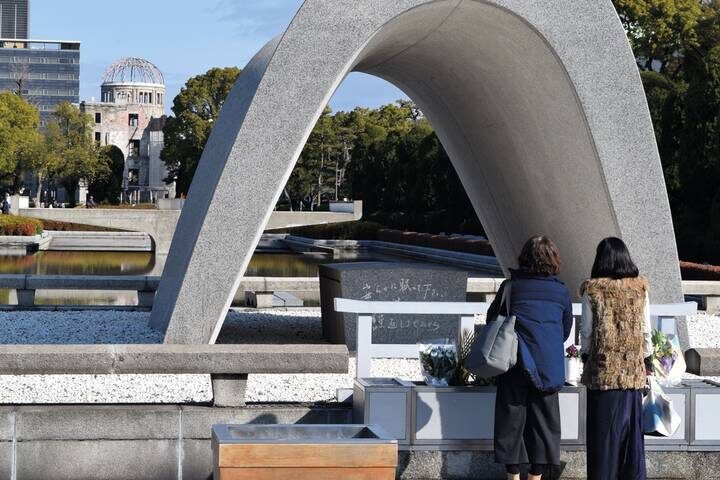
Hiroshima’s Peace Memorial Park, Atomic Bomb Dome and Peace Memorial Museum give the visit its emotional center. The museum and memorial sites are not light sightseeing stops; allow yourself room to take them in at your own pace, even within a guided schedule.
Later, a ferry takes you to Itsukushima, where the shrine is partly built over the sea. You have time to visit the shrine and walk around the island’s center before returning to Hiroshima. The tour includes dinner there. The order of the Hiroshima visits may change, but the planned sites remain part of the day.
Shikoku’s castle, pilgrimage steps and sea bridges
A two-and-a-half-hour ferry ride takes you from Hiroshima to Shikoku. In Matsuyama, a cable car helps with the climb to the castle, followed by Ishiteji Temple and included admission to Dogo Onsen, a traditional bathhouse dating to the 19th century. Lunch at a local restaurant is included.
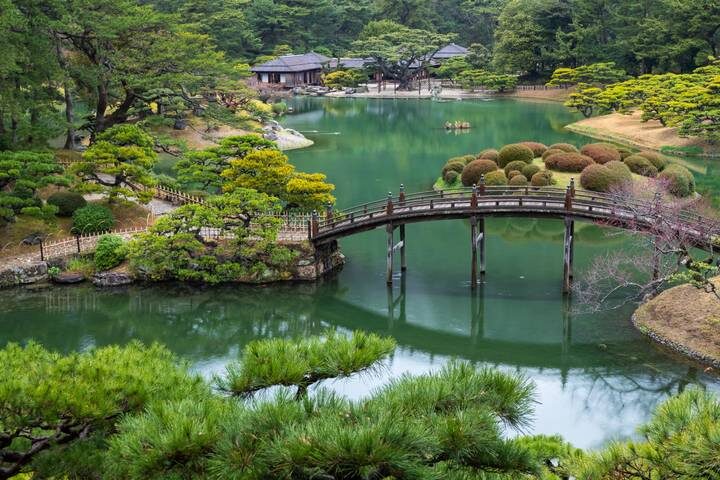
The next day is a varied road journey. At Kotohira, you can climb 785 steps on Mount Zosu to reach the Shinto shrine dedicated to the god of sailors. This is the day’s clearest physical challenge, so comfortable shoes and a steady pace matter. At Takamatsu, Ritsurin Garden offers a quieter counterpoint, with lunch included.
In Naruto, the route pauses at a bridge over the sea. You walk across a glass-floored section about 45 meters above the water to look for whirlpools below. The tour then crosses more bridges connecting islands before reaching Kobe. These are memorable views, but the schedule gives you a taste of each stop rather than an unhurried visit.
Kobe and a night among Mount Koya’s temples
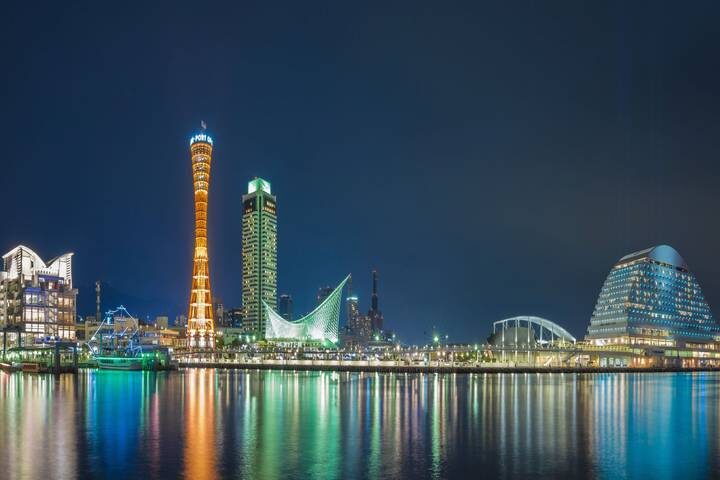
In Kobe, the Earthquake Memorial Museum remembers the 1995 earthquake and the city’s rebuilding. On some dates, the visit may be replaced by a sake museum or a trip up Kobe Tower, so the exact Kobe stop can vary.
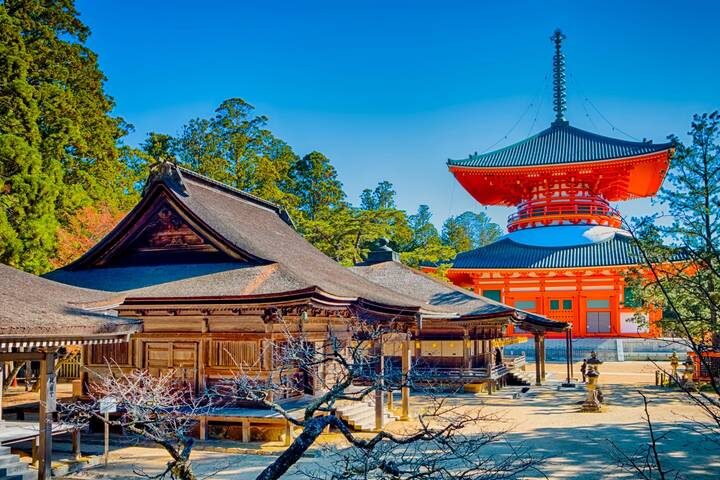
From there, you continue through Osaka to Mount Koya, a major center of Shingon Buddhism. At Okuno Mausoleum, paths pass through a vast cemetery said to hold more than 200,000 graves. Kongobuji Temple, originally built in 1593, adds context to the area’s role as a religious center.
The overnight is a special part of the route, but it is not a hotel night with a monastic theme. Rooms are simple, traditional spaces with tatami mats, and bathrooms are shared. A vegetarian dinner is included, and monks are scheduled to lead Ajikan meditation, though the practice may not be available on peak dates. You may also attend a religious ceremony before breakfast.
Temple accommodation is limited. If it is full, the tour may use a nearby hotel, with half board included. If the monastery stay is a deciding factor for you, ask about arrangements for your departure before booking.
Kyoto’s landmark circuit, followed by old Tsumago
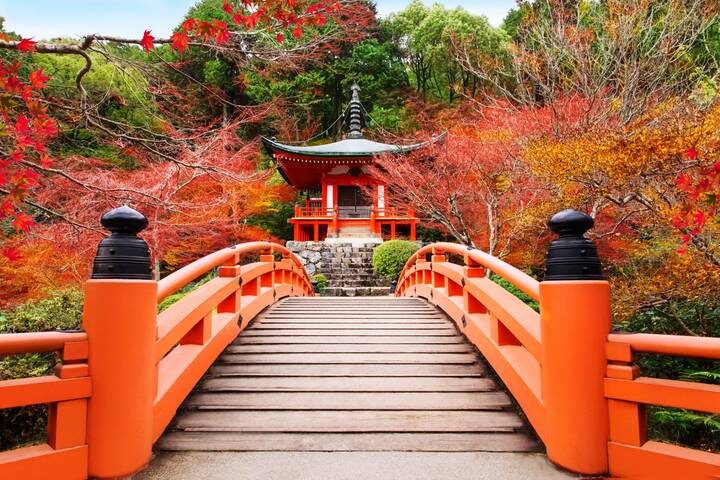
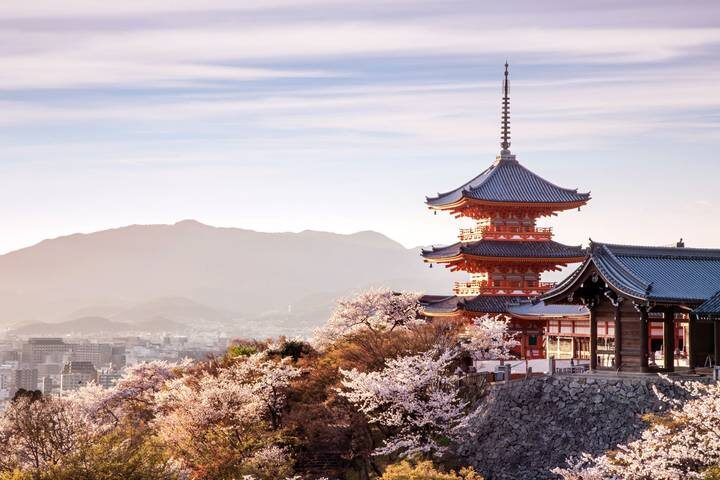
After a traditional Japanese breakfast at the temple, you leave early for Kyoto. The guided visit includes Fushimi Inari Shrine, the Imperial Palace and Kinkaku-ji, the Golden Pavilion, with its gardens. You also visit Gion, known for its traditional character and geisha culture, and have some free time to explore.
This is an efficient introduction, not a deep exploration of Kyoto. If you have already visited the city or want extra time at a particular site, use the free period carefully. The tour’s evening transfer to Gion is included, but the schedule still moves through several major sights in one day.
The following day trades city streets for the countryside. Tsumago is a small village of wooden houses, with time to walk around and lunch included. You then continue to Matsumoto to see its 16th-century castle, known as the Crow, before travelling through mountain scenery to Nagano. The contrast between these stops is appealing; the drawback is that you are again covering several places in a single day.


Nagano, macaques and hot-spring country
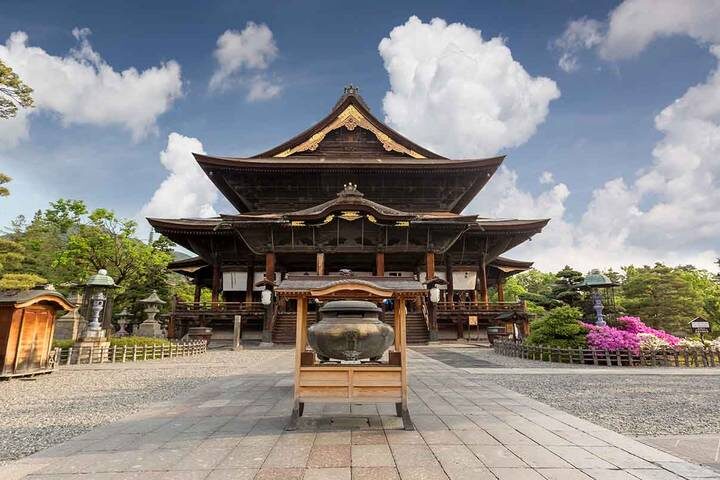
In Nagano, you visit Zenko-ji Temple, a pilgrimage site associated with Japan’s first Buddhist image, and take part in the Gomakuyo good-fortune ceremony. The day then heads into the Japanese Alps to Jigokudani Monkey Park. Reaching the macaques means walking forested trails near rivers and hot springs, so this is more active than the tour’s low-intensity label might suggest.
The monkeys are wild, and their presence cannot be guaranteed. In autumn, food conditions in the mountains can affect whether they come down to the park. The tour also notes that the Kusatsu visit may be canceled because of weather from November through April.
When conditions allow, the route continues through high mountain scenery, reaching about 2,172 meters, and passes semi-active volcanoes before stopping in Kusatsu. You have time to walk through the town park, which has an open-air onsen, and find lunch. The final stop is Ikaho, with its traditional stone stairways. You sleep at a ryokan, with a traditional Japanese dinner included and hot-spring bathing recommended.
Nikko, then back to Tokyo
The last touring day brings you to Nikko. At Nikko-Toshogu Shrine, you visit the site known for its room with the sound of a dragon, then continue to Taiyuinbyo Mausoleum. A walk along Kanmangafuchi Abyss passes rows of Jizo statues beside the river.
There is some free time in Nikko’s town center before the drive back to Tokyo, where arrival is expected around 6:30 p.m. That timing leaves little room for a separate evening plan, so avoid scheduling a tight connection or important event that night. The tour ends after breakfast the following morning.
What the price covers, and what to check
The starting price is $4,004, based on the cheapest room option. The package includes hotels, breakfast, an arrival transfer, guided transport, basic travel insurance, many admissions, the bullet train, ferries and several meals. Three lunches and four dinners are listed, including the Tokyo dinner, Hiroshima dinner, Mount Koya vegetarian meal and Ikaho ryokan dinner. Flights and most other meals are not included.
Value depends on how much you want handled for you. Linking these destinations independently would mean arranging rail and ferry connections, road transport across several regions, hotel changes and admission timing. The tour takes much of that work off your plate. In exchange, you accept fixed departure times and limited control over how long you spend at each stop.
Hotels are described as four-star, but the operator notes that standards, room sizes and bed sizes differ by location. Most are outside the center, though they are said to have access to public transport. The monastery is the clear exception to standard hotel comfort, with simple rooms and shared bathrooms.
The most important practical question is language. English is listed, but groups may be guided in both English and Spanish, either by two leaders or one guide explaining in both languages. The guide may also change during the trip. If you need English-only commentary, confirm that point before paying the deposit.
Who should book this Japan circuit?
I would consider this tour if you have about 11 days, want to see more than the familiar Tokyo-Kyoto route and prefer transport and site visits arranged for you. It suits first-time visitors who value range, families comfortable with frequent transfers, and anyone curious about temples, castles, hot springs and regional scenery in one trip.
I would think twice if you prefer slow mornings, long independent visits or a quiet small group. The route’s strength is its reach, not its spare time. Book if you are happy to trade flexibility for a well-connected sweep through Japan, and verify the language plan and Mount Koya lodging before you commit.
Capitals of Japan 11-Day Tour by Europamundo
FAQ
Are flights included in the tour price?
No. Flights before and after the tour are not included and must be arranged separately.
Where does the tour start and end?
The tour starts in Tokyo and ends in Tokyo after breakfast on day 11.
Is the tour guided in English?
English is listed as a tour language. Some departures may be bilingual in English and Spanish, so confirm the language arrangement for your departure.
How large can the group be?
The listed group size ranges from 2 to 72 people.
What meals are included?
Hotel breakfast is included, along with three lunches and four dinners. The listed lunches are in Matsuyama, Takamatsu and Tsumago; the dinners are in Tokyo, Hiroshima, Mount Koya and Ikaho.
Is the Mount Koya accommodation a regular hotel?
The planned stay is in a Buddhist monastery, with traditional rooms and shared bathrooms. If temple capacity is limited, accommodation may be in a nearby hotel with half board.
Is meditation included at Mount Koya?
Ajikan meditation led by monks is scheduled, but it cannot be guaranteed on peak tourist dates.
How much walking is involved?
The tour is rated low intensity, but includes walking at temples, forest trails at Jigokudani Monkey Park and 785 steps at the Kotohira shrine.
Can I count on seeing the snow monkeys?
No. The macaques’ movement depends on conditions in the mountains, and the park may be closed if they do not come down.
What happens if Tokyo Skytree is closed or weather limits access?
If bad weather or other exceptional circumstances limit access, an alternative visit to another iconic city viewpoint will be offered.