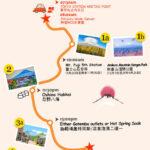
Mount Fuji is the headline, but this two-day loop gives you much more than a quick photo stop. You travel from Tokyo through Fuji’s lakeside viewpoints and Hakone’s volcanic terrain, sleep at a traditional-style onsen hotel in Shuzenji, then finish among Izu’s hills and the Shonan coast.
I like that the overnight stay and dinner are included, so the trip feels like a short getaway rather than two long day trips stitched together. I also like the variety: Fuji views, a volcanic valley, a shrine, a hot spring town, an island and a famous anime setting all appear on the same route.
The trade-off is a tight timetable, with most stops lasting 40 to 90 minutes and road traffic able to change the plan. The advertised price starts at $219.99, but ropeway and Mount Omuro lift tickets are extra, and the exact seasonal Fuji stop varies.
- The best parts, at a glance
- Day one: Fuji views, volcanic ground and Lake Ashi
- Shuzenji: an onsen night with dinner and breakfast
- Day two: Shuzenji, Mount Omuro and the coast
- What the price covers, and what it does not
- Guide language, weather and pace
- Is this Fuji and onsen tour right for you?
- FAQ
- How long is the tour?
- Does the tour visit Mount Fuji 5th Station and Arakurayama Sengen Park?
- Are the ropeway and Mount Omuro lift tickets included?
- Are meals included?
- Where does the tour meet in Tokyo?
- What language is the guide?
- What is the cancellation policy?
- The Best Of Fujiyoshida!
- More Spa & Hot Springs in Fujiyoshida
- More Tours in Fujiyoshida
- More Tour Reviews in Fujiyoshida
- Not for you? Here's more nearby things to do in Fujiyoshida we have reviewed
The best parts, at a glance
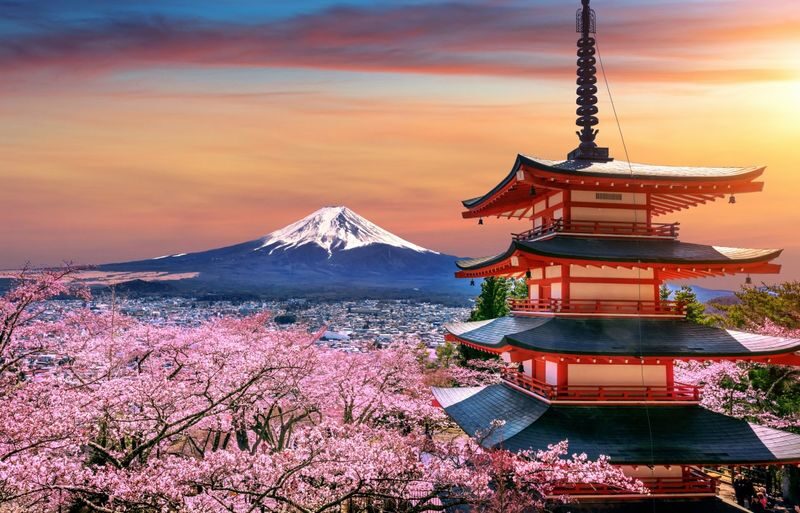
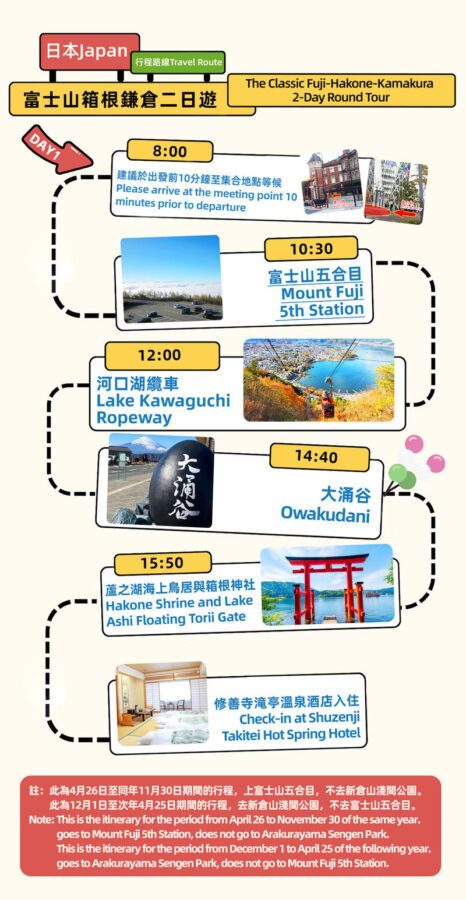
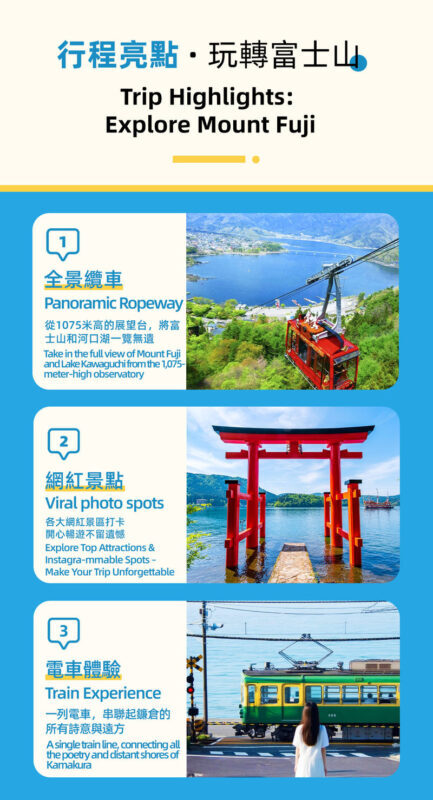
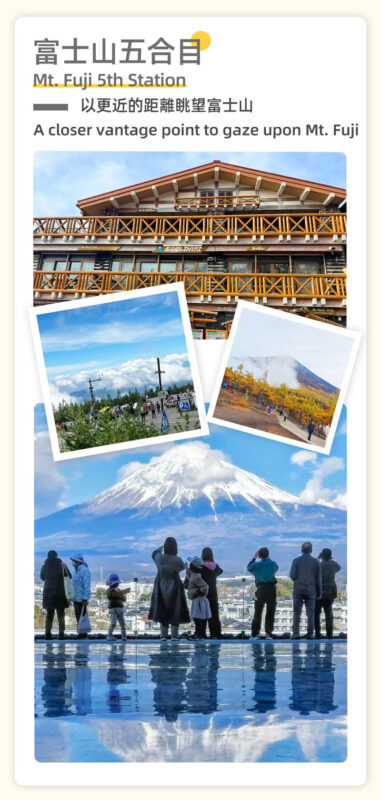
- Fuji gets more than one look: The route includes either Mount Fuji 5th Station or Arakurayama Sengen Park, plus the Kawaguchiko Ropeway area.
- A night at Shuzenji breaks up the drive: The stay includes a tatami room, dinner, breakfast and access to an open-air hot spring.
- Owakudani brings the volcanic drama: Spend about 40 minutes among steaming volcanic remains, with the chance to try the famous black eggs.
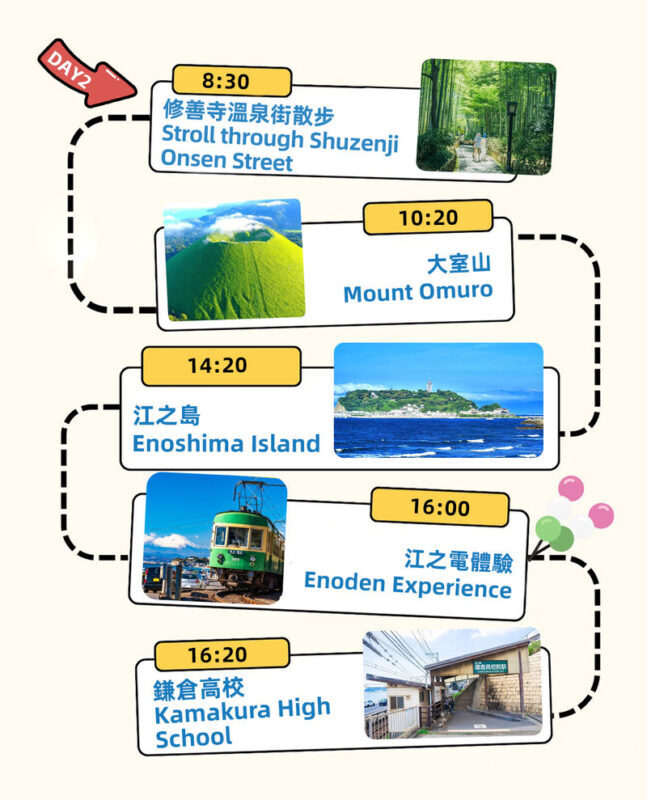
- Day two mixes nature and pop culture: Mount Omuro’s crater rim leads into Enoshima, an Enoden tram ride and the Slam Dunk-famous Kamakurakoko-Mae Station.
- Many costs are bundled, but not all: Transport, tolls, parking, guide service, lodging and two meals are included. Several attraction tickets and lunch are not.
- Plan for a group outing, not a private tour: Groups can range from four to 40, and the vehicle depends on the number of bookings.

👉 See our pick of the 3 Best Tours In Fujiyoshida
Day one: Fuji views, volcanic ground and Lake Ashi
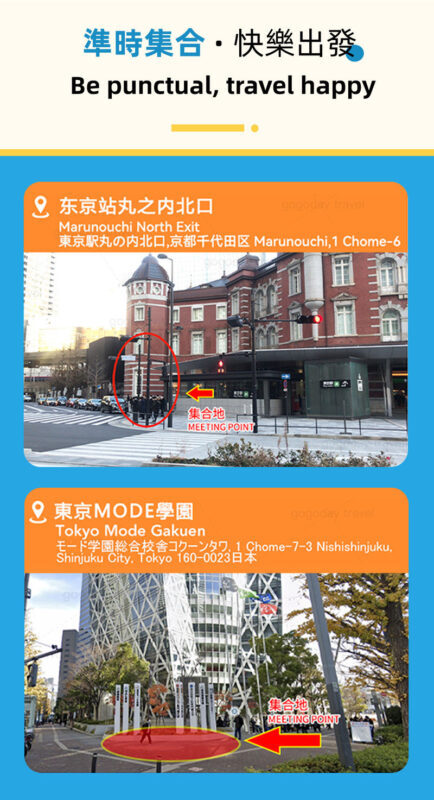
The tour departs Tokyo at either 8:00 or 8:30, depending on the assigned departure. Be at the meeting point 15 minutes early. The operator says late arrivals cannot be accommodated or refunded, so this is not the morning to gamble on a last-minute train connection.
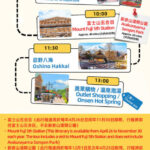
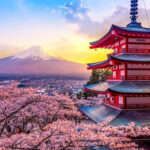
The first Fuji-area stop changes with the calendar. From April 26 through November 30, the itinerary visits Mount Fuji 5th Station, about halfway up the mountain, for roughly 40 minutes. On a clear day, you may see Lake Kawaguchiko and the surrounding area from this elevated vantage point. From December 1 through April 25, the tour goes to Arakurayama Sengen Park instead, and skips the 5th Station. The park is known for broad Fuji views and seasonal scenery.
That distinction matters if one particular photo is driving your booking. You cannot count on visiting both places during the same trip. Weather and capacity can also force changes or skipped stops, so even the scheduled view is not guaranteed to be clear.
Around noon, the group heads to the Kawaguchiko Kachi-Kachi Ropeway area, with about 90 minutes scheduled. The ride climbs to a lookout above the lake, where Fuji and the water can share the frame. The ropeway admission is not included, so budget for the ticket separately. From May 11 to July 15, 2026, and December 7 to December 18, 2026, maintenance closes the ropeway and the visit is replaced with a Kawaguchiko sightseeing boat ride on the Tenjo-go.
Next comes Owakudani, a volcanic area in Hakone, for about 40 minutes. The terrain and volcanic remains give this stop a very different feel from the lakeside viewpoints. Black eggs, cooked in the area’s hot springs, are the local novelty. A familiar legend says each one adds seven years to your life. Treat that as folklore, not a medical plan.
The next hour is set aside for Lake Ashi and Hakone Shrine. The shrine’s torii gate sits at the water’s edge, making it one of the route’s most recognizable photo stops. You also have time to visit the historic shrine. This is a short visit, though, so don’t expect a long lakeside walk or an unrushed shrine tour.
Traffic can nibble away at the schedule. The operator allows the guide to change the order of stops when conditions require it, and bad weather may affect outdoor activities. Keep a rain layer handy and think of the listed times as a plan, not a promise.
You can also read our reviews of more tours and experiences in Fujiyoshida
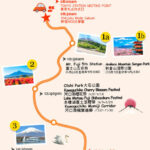


Shuzenji: an onsen night with dinner and breakfast
The first day ends with check-in at Shuzenji Takitei Onsen Hotel, or a nearby hotel of a similar standard if it is full. The package describes a 45-square-metre tatami room for two to four people, a one-night stay, dinner and breakfast. The hotel’s open-air hot spring is presented as a feature of the stay, with a history said to stretch back 1,200 years.
This overnight stop is the trip’s strongest practical advantage. Rather than return to Tokyo after Hakone and set out again the next morning, you stay in the region and continue west toward Izu. Dinner and breakfast are included, and a number of people have singled out the meals, room size and hot spring as highlights. One person praised the sashimi and Japanese dishes; another found the hotel comfortable and breakfast generous.
Keep expectations sensible. The accommodation is described as traditional in style, not as a luxury resort, and one past guest found the hotel old. The operator can also substitute another nearby property of the same standard. If the quality or precise character of the hotel is central to your decision, ask about the assigned property before departure.
The package includes dinner and breakfast, but not lunch or drinks. Special dinner add-ons may cost extra. If you have never stayed in a tatami room or visited an onsen, this is a useful chance to try both in one night. Follow the hotel’s bathing rules, and bring whatever personal toiletries you prefer.
Day two: Shuzenji, Mount Omuro and the coast
At about 8:30, there is an hour to stroll through Shuzenji Onsen Town. The walk is meant to be slow: a wooded path, traditional hot spring-town scenery and a footbath associated with the area’s long onsen tradition. It is a welcome change of pace after the previous day’s driving, though an hour gives you only a brief look around.
At around 10:20, the group moves on to Mount Omuro, with roughly 90 minutes for the visit and free time that includes lunch. The mountain is a volcanic landmark of the Izu Kogen area. You can take a lift up and walk around the crater rim, with views toward the Izu Peninsula and Sagami Bay. On a clear day, Fuji may appear in the distance. The lift ticket is not included, and lunch is at your own cost.
The broad, rounded summit is sometimes nicknamed Matcha Mountain for its green appearance in summer. The site is also associated with the anime film Your Name. If you have been hoping for a long hike, note that this is a lift-assisted visit with a set stop duration, not a full day on the mountain.
The next stop, Enoshima, gets about 90 minutes. The island has been a popular outing since the Edo period and is linked with Benzaiten, the deity associated with music and the arts. You can visit Enoshima Shrine and take in the coastal setting, but the short window means you will need to choose what matters most. This is not enough time to see every corner at leisure.
From there, the tour includes a short Enoden tram ride, usually about 10 to 15 minutes. The ticket is included. The Enoden connects Fujisawa and Kamakura, passing through coastal scenery and serving several well-known stops. On this tour, it is a brief taste of the line, not a full rail tour.
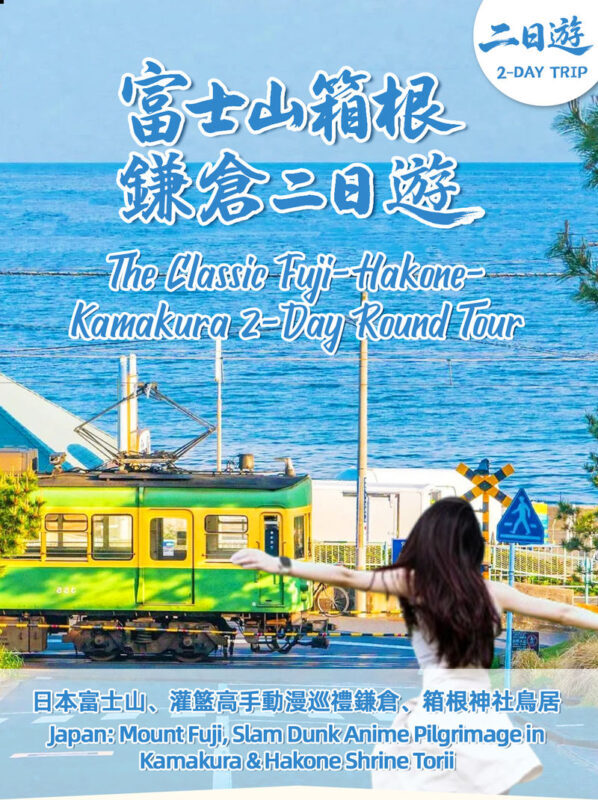
The final visit is Kamakurakoko-Mae Station, with about 50 minutes in the area. The nearby railway crossing is associated with a memorable scene from Slam Dunk, whose fictional Ryonan High School was inspired by Kamakura High School. Fans will recognize the setting; others can simply enjoy the coast and the local train crossing. Be considerate around the school and residential area, and follow the guide’s return time.
The planned return to Tokyo is around 19:00, though the schedule also gives 17:10 as the departure from Kamakura and says the arrival time is an estimate. Road conditions can bring you back earlier or later. Avoid booking a tight evening connection or an activity that cannot be changed.
What the price covers, and what it does not
At a starting price of $219.99, the tour can be good value if you want transport between widely separated sights, a hotel night, two meals and a guide arranged in one booking. Driving this route yourself would mean managing mountain roads, parking, timing and the one-way progression from Fuji through Hakone and Izu to Kamakura. The group format takes those tasks off your hands.
The cost is not all-inclusive. The Kawaguchiko Ropeway and Mount Omuro lift tickets are extra, as are lunch, drinks and personal purchases. The Enoden ride, hotel, dinner, breakfast, round-trip transport from the Tokyo meeting point, tolls, parking, fuel and instructor fees are included. Check the selected package price carefully: options vary for two-person bookings and groups of four or more, with room arrangements described for two to three people or four people per room.
There is no promise of a private vehicle. The group size can be four to 40, and the operator assigns a vehicle according to the number of people. Some trips have used a small van, which makes stops easier to manage, but you cannot choose the vehicle in advance. One item of luggage per person is allowed, but you need to report it when booking. Don’t arrive with extra bags without notice, as space may be limited.
Guide language, weather and pace
A Chinese- and English-speaking guide is listed, but language availability deserves a direct check if you need English explanations throughout. Some past tour groups have been Mandarin-only, and at least one person who expected an English-speaking guide did not receive one. Contact the operator before booking and ask specifically what language will be used on your departure, rather than relying on a general description.
The strongest element across many past trips has been the guide’s organization and care. Guides named Sherry, Zhang Ting, Wu and others have been praised for explaining stops, answering questions, adjusting plans around weather and keeping the group informed. Those names are examples of staff who have led trips, not a guarantee of who will be assigned to you. Driver and guide roles may also vary.
The pace is the main compromise. You get a string of famous locations, but not much time to linger. People who want to photograph every angle, browse shops, or spend half a day at Fuji may feel hurried. People who would rather cover a broad area without driving themselves will likely appreciate the efficient route.
Weather can obscure Fuji or disrupt outdoor stops. The operator may change the schedule or suspend outdoor activity for safety, and traffic can affect timing. You receive guide and vehicle details by email between 17:00 and 21:00 the day before departure; check your inbox and spam folder. If nothing arrives by 21:00, contact Klook customer service or the operator.
The tour is not recommended for people with high blood pressure, epilepsy, heart disease, asthma, other serious medical conditions, pregnant people or people with disabilities. Children aged zero to two travel free, while those aged three and above pay the adult rate. Anyone under 18 must be with a paying adult. Pets and prohibited items such as weapons and flammable items are not allowed. Cancellation at least seven days before the activity date qualifies for a full refund; late arrivals and no-shows do not.


Is this Fuji and onsen tour right for you?
Book this tour if you want a wide sampler of Fuji, Hakone, Izu and Kamakura without arranging several trains, transfers and a hotel on your own. The overnight onsen stay, dinner and breakfast make the price more useful than a transport-only day tour, and the route has enough variety to satisfy a mixed group.
Skip it if you want generous time at each stop, a guaranteed view of Fuji, a specific hotel, or a private itinerary. Before booking, confirm the guide language, check which seasonal Fuji stop applies to your date, and budget for the ropeway and Mount Omuro lift. Go in ready for long drives and short visits, and this is a practical way to see a remarkable stretch of Japan in two days.
Tokyo: 2-Day Hot Spring Trip to Fuji, Hakone, and Izu
“The itinerary was well-packed, Driver Wu drove smoothly, and the arrangements were thoughtful. We had a happy two-day, one-night trip.”
FAQ
How long is the tour?
It runs from a morning departure in Tokyo on day one to an expected return around 19:00 on day two. The return time can change with traffic and the day’s progress.
Does the tour visit Mount Fuji 5th Station and Arakurayama Sengen Park?
No. From April 26 through November 30, the itinerary visits Mount Fuji 5th Station. From December 1 through April 25, it visits Arakurayama Sengen Park instead.
Are the ropeway and Mount Omuro lift tickets included?
No. Admission to the Kawaguchiko Kachi-Kachi Ropeway and the Mount Omuro lift is not included. The Enoden tram ticket is included.
Are meals included?
Dinner and breakfast at the overnight hotel are included. Lunch, drinks and other meals are not.
Where does the tour meet in Tokyo?
The listed meeting location is Matsuoka Central Building / JR EAST Travel Service Center, at 1-chome-7-1 Nishishinjuku, Shinjuku City, Tokyo. The departure may be at 08:00 or 08:30, so check the departure details sent by email.
What language is the guide?
The activity information lists a Chinese- and English-speaking guide. Since some departures have reportedly been conducted in Mandarin only, confirm the language for your date with the operator if English is essential.
What is the cancellation policy?
A full refund is available if you cancel at least seven days before the activity date, using local time at the destination. Late arrivals and no-shows are not refundable. If the operator cancels because of extreme weather or another unforeseen event, you can request a rescheduled date or a full refund.