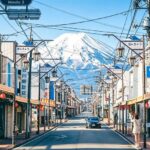
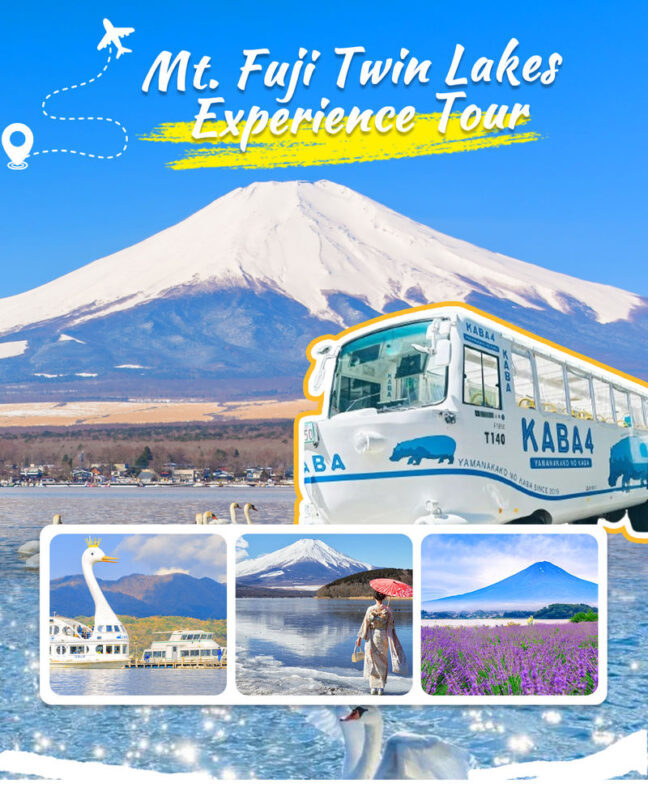
Mount Fuji is the star, but this day trip gives you several ways to enjoy the country around it: a lakeside viewpoint, clear spring ponds, and flower beds at Lake Kawaguchi. The KABA amphibious bus is the playful extra, though it may not run if water levels or other conditions are unsuitable.
I like the range of scenery packed into one outing, and the choice at Lake Yamanaka: take the KABA bus, board the swan-shaped White Bird boat, or spend your time on shore. I also like that guides such as Sam, Samuel, and Jeffrey have helped make the long drive easier with explanations, practical directions, and photo help.
The trade-off is a long day with a fixed schedule. Mount Fuji visibility is never guaranteed, traffic can cut into time at the stops, and the KABA ride or boat may be unavailable. Check which package you are booking, since the basic option does not include an experience ticket.
- A few details to know before you book
- Hirano Beach gives the day its first Fuji view
- Lake Yamanaka: choose your ride, or keep it simple
- Oshino Hakkai is the day’s clearest change of pace
- Oishi Park pairs flower beds with a Fuji backdrop
- What the price buys, and what it does not
- Guides, language, and the long ride from Tokyo
- Who will get the most from this day trip
- Should you book it?
- FAQ
- How long is the tour?
- What is included in the starting price?
- Can I be sure I will ride the KABA bus?
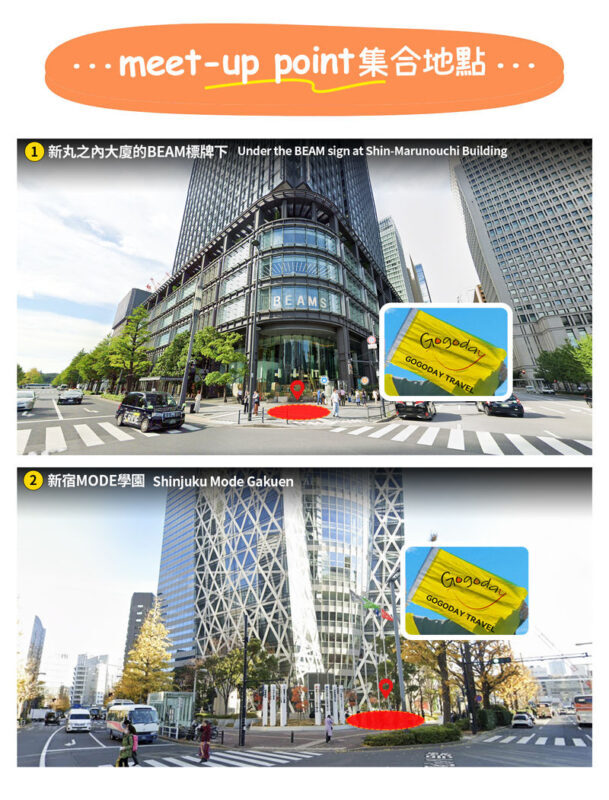
- Where does the tour meet and return?
- Is lunch included?
- Can children join the tour?
- The Best Of Fujikawaguchiko!
- More 1-Day Tours in Fujikawaguchiko
- More Tours in Fujikawaguchiko
- More Tour Reviews in Fujikawaguchiko
- Not for you? Here's more nearby things to do in Fujikawaguchiko we have reviewed
A few details to know before you book
 1 / 9
 2 / 9
 3 / 9
 4 / 9
 5 / 9
 6 / 9
 7 / 9
 8 / 9
 9 / 9
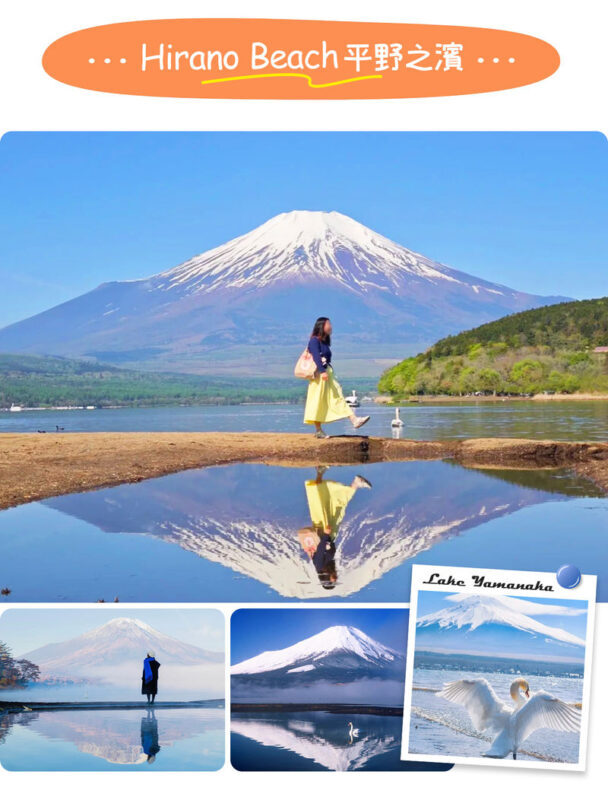
- Hirano Beach opens with a wide Fuji view: The shore at Lake Yamanaka is a strong first stop for a full view of the mountain and, when the water is calm and visibility is clear, its reflection.
- The lake activity is a choice, not a certainty: Packages may include the KABA bus or Swan Lake boat, or no ride. The amphibious bus can stop operating when conditions, including low water, make it unsuitable.
- Oshino Hakkai is a village stop with eight spring ponds: You get time to walk among the clear pools, browse shops, use restrooms, and find lunch.
- Oishi Park changes with the seasons: Flowers vary through the year, with tulips in spring, lavender in summer, and broom grass in autumn. The park also offers a view toward Fuji.
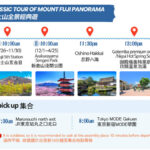
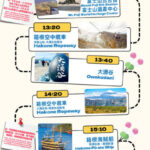
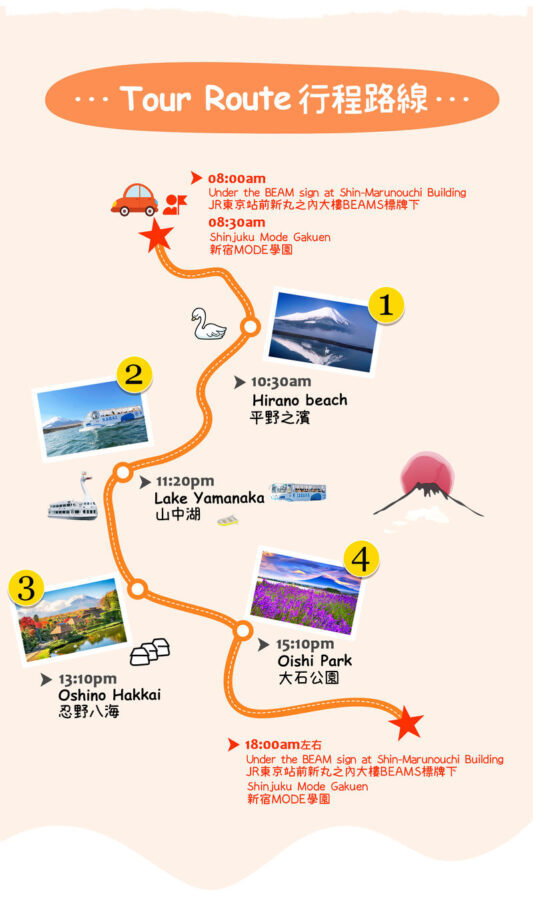
- The day starts early and ends when traffic allows: Departure is listed at 8:00 or 8:30, with return estimated between 17:30 and 18:30. Keep the evening free.
- The from-price does not cover everything: Meals, drinks, personal purchases, and activity tickets are excluded from the basic package.

👉 See our pick of the 4 Best Private Car With Driver Services in Fujikawaguchiko
Hirano Beach gives the day its first Fuji view
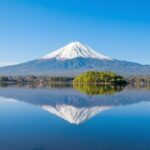
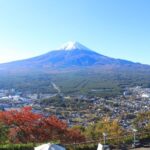
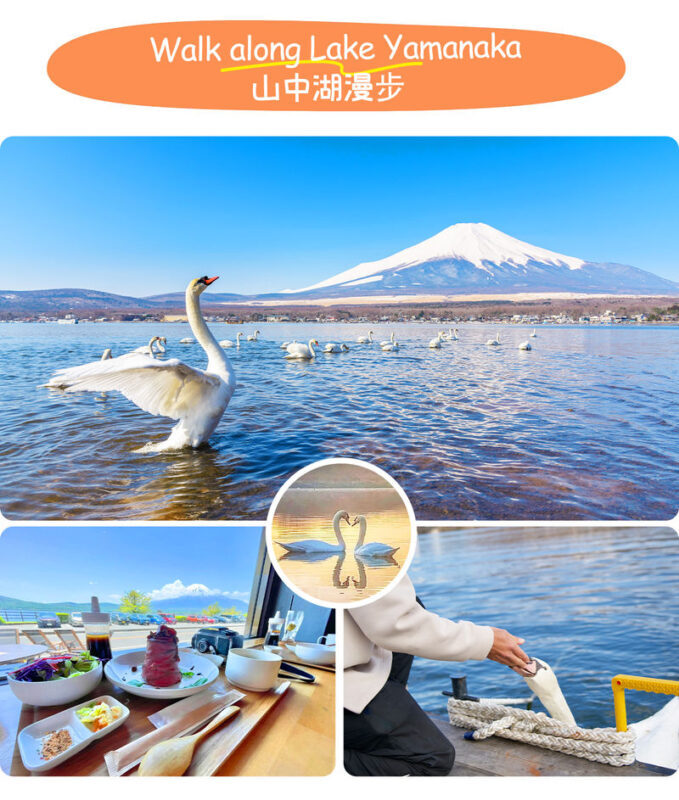
The first stop is Hirano Beach, on Lake Yamanaka. Its open shoreline gives you room to look across the water toward Mount Fuji without tall buildings blocking the view. The stop is about 30 minutes, so think of it as a photo pause and a chance to stretch rather than a long lakeside walk.
On a clear morning, the lake can reflect the mountain, creating the reverse-Fuji image that makes this spot appealing to photographers. The key phrase is on a clear morning. Fuji can disappear behind cloud, and rain or poor visibility can change the mood of the whole visit. Winter can bring crisp views and snow on the mountain, while spring, summer, and autumn each bring different colors around the lake. None of those seasonal scenes is guaranteed on your date.
I would bring your camera or phone out as soon as the group arrives. The stop is short, and you do not want to spend half of it searching through your bag. If Fuji is hidden, enjoy the lake and open view anyway, but do not expect the tour to wait for clouds to part.
You can also read our reviews of more tours and experiences in Fujikawaguchiko


Lake Yamanaka: choose your ride, or keep it simple
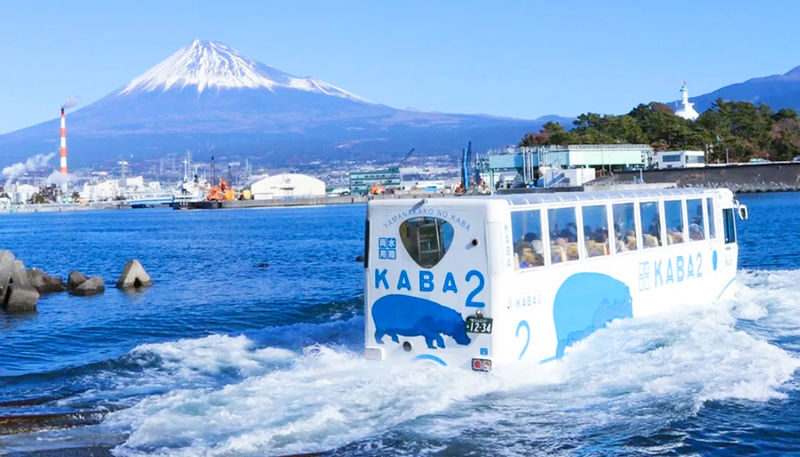
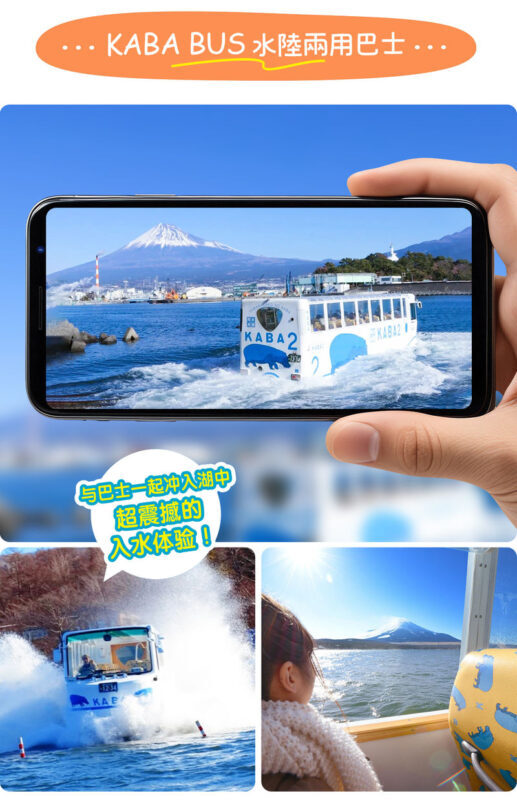
At Lake Yamanaka, you have about 1 hour and 40 minutes for one of three options: ride the KABA amphibious bus, take the Swan Lake pleasure boat, or use the time freely by the water. The KABA bus travels on land before entering the lake, giving the outing a novelty factor that can suit families and anyone who likes a quirky mode of transport.
The important catch is availability. The bus has fixed departure times and may be out of service because of low water levels, weather, or other conditions. Some winter trips have replaced it with the swan boat; in other cases, a lake ride has been unavailable. If the KABA bus is the main reason you are booking, understand that it is not a sure thing. The tour information also warns that missing its set departure because of traffic or other force majeure circumstances may mean you cannot board, with the fee non-refundable.
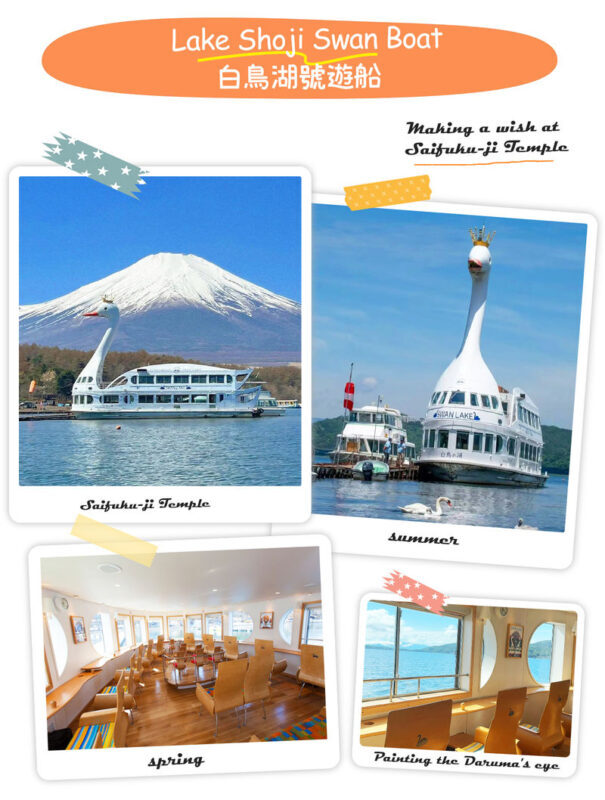
The Swan Lake boat is the alternative in some packages. Its swan-shaped design, wooden interior, child-oriented seats, and chance to see swans make it a gentler outing. The package description mentions feeding swans, though you should not count on that unless it is confirmed for your departure. A free-time option is there for anyone who prefers to walk, take pictures, or simply enjoy the lakeside without paying for a ride.
Check the package name carefully before paying. There are options that include the KABA ride, include the Swan Lake boat, or include neither experience. The activity tickets are not included in the basic no-experience package, and the tour page says the KABA and boat admissions are otherwise excluded. Confirm exactly what your selected fare covers.
Oshino Hakkai is the day’s clearest change of pace
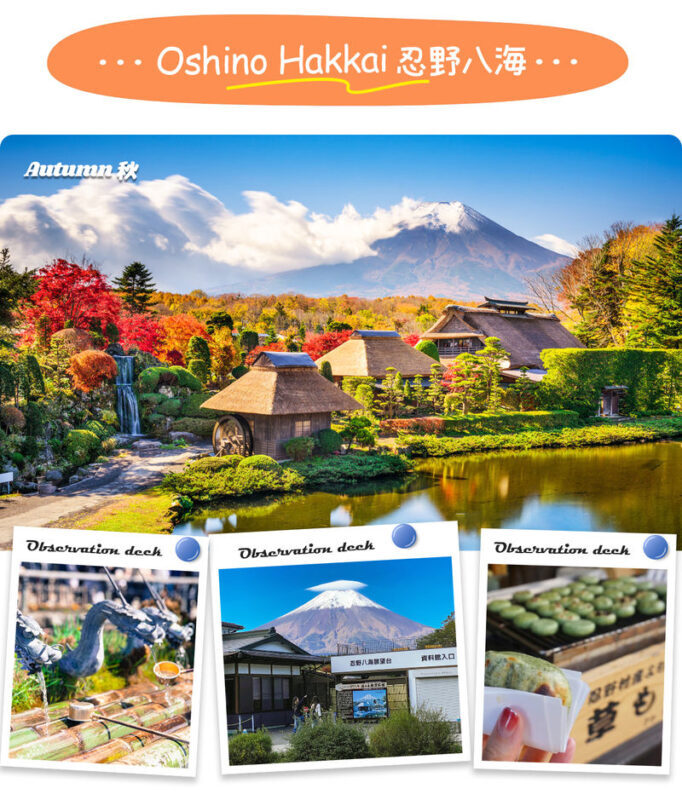
After the lake, the tour stops at Oshino Hakkai for about 1 hour and 30 minutes, including time for lunch. The village is known for eight spring ponds fed by Mount Fuji’s snowmelt. The water is strikingly clear, and the pools are scattered around the village rather than gathered in a single viewing hall.
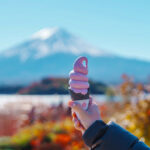
This is the best stop for a slower wander. You can move between ponds, look at the water, browse souvenir shops, and pick up a snack or ice cream. Restrooms are available, which makes this a useful break as well as a scenic one. Lunch is not included, so you will need to choose and pay for your own meal or snack during the allotted time.
The village can be busy, and the amount of time may feel tight if you want to see every pond, eat a full lunch, and shop. I would decide what matters most before you arrive. If you want a proper meal, eat first and use the remaining time for a short walk. If the water is your priority, keep lunch simple. The stop is designed as a taste of Oshino, not a leisurely half-day visit.
Oishi Park pairs flower beds with a Fuji backdrop
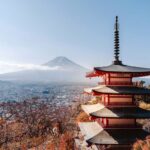
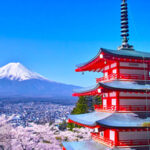
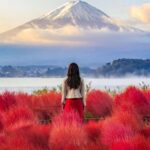
The final sightseeing stop is Kawaguchiko Oishi Park, with about 45 minutes for the park and the nearby Kawaguchiko Natural Living Center. Oishi Park is known for its flower-lined path and views toward Mount Fuji. The seasonal display changes: tulips are associated with spring, lavender with summer, and broom grass with autumn. In winter, the flowers are not the point; the mountain and seasonal conditions shape the view.
That variety makes the park worthwhile outside a single flower season, but it also calls for realistic expectations. Flowers may not be in bloom when you arrive, and Fuji may be clouded over. Cherry blossom timing can be off too. A spring visit does not guarantee full bloom, and the tour does not offer refunds simply because the seasonal scene is not as expected.
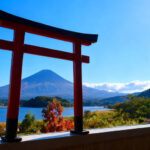
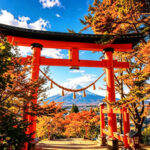
The Natural Living Center gives you a sheltered place to look around, have coffee, or shop. The second floor is noted for a view that frames a torii gate with Mount Fuji, while the center also sells local produce and offers jam-making activities. With only 45 minutes for both stops, you may need to choose between a longer walk, a shop visit, or a relaxed drink.
What the price buys, and what it does not
The tour starts at $82.09 and includes round-trip transport from a Tokyo meeting point plus an English- or Chinese-speaking guide. For someone who wants to see several Fuji-area stops in one day without planning connections or driving, that can be good value. The route links places that would otherwise take research and separate transport arrangements to combine.
But the starting price is not the full day’s cost. The basic package excludes the KABA bus and Swan Lake boat, as well as meals, drinks, and personal expenses. If you want a lake ride, compare the included-experience package prices before booking. Add lunch and snacks to your budget too.
The transport is shared, with group sizes listed from 4 to 48. The vehicle depends on the number of people booked, so you cannot select a bus or minivan in advance. Smaller groups may use a smaller vehicle, which can mean less room and simpler commentary. Seating is generally assigned on a first-come basis, and requests can be noted when booking, but the final arrangement is up to the guide.


Guides, language, and the long ride from Tokyo
The tour promises an English- or Chinese-speaking guide, but commentary can vary with the group size and vehicle. Guides including Sam, Samuel, Jeffrey, and Liu have been named on different departures. Their reported strengths include explaining the sights, keeping people informed about meeting points, adjusting the schedule, and helping with photographs. Those names are examples, not a promise about who will lead your trip.
The long drive is part of the bargain. You avoid arranging the route yourself, but traffic can be heavy, especially on weekends and Japanese public holidays. Delays have pushed return times back by more than an hour, and some trips have had to shorten time at the attractions. A small vehicle may also feel cramped, especially if the group is full. Do not book a timed dinner, show, or other activity for the evening.
At the meeting point, arrive at least 10 minutes before departure. The operator sends the guide and vehicle details by email between 20:00 and 21:00 the night before, and the message may land in spam. Departure may shift in busy periods, so check the latest email. The guide is meant to carry a GOGODAY flag, but it is wise to read the exact meeting instructions rather than relying on a quick visual search in a crowd.
Who will get the most from this day trip
This outing suits first-time visitors who want a practical introduction to the Fuji lakes and nearby sights without renting a car. It also works well for families who like a mix of outdoor views, a possible boat ride, easy village wandering, and regular breaks. Children aged 3 and older pay the adult rate; children under 3 can travel free without their own seat, but they must still be included in the passenger count when booking. Child seats are not available.
It is less suited to anyone who wants long, unhurried walks or certainty about a specific activity. Each stop has a time limit, seasonal conditions can disappoint, and you cannot leave the group early. If the KABA bus is essential, choose the package with that experience and accept the possibility of an operational change. If Fuji itself is the only reason to go, remember that weather may hide it for much or all of the day.
Should you book it?
Book this trip if you value easy transport and variety more than a slow pace. You get a lakeside Fuji viewpoint, a choice of lake activity, the spring ponds at Oshino Hakkai, and Oishi Park in one long day from Tokyo. For the starting fare, that is a useful way to see several distinct places without piecing the route together yourself.
Skip it if you need a guaranteed KABA ride, want plenty of time at every stop, or have a fixed evening commitment. Before booking, compare the package options, check whether the lake ticket is included, and leave room in your schedule for traffic. If you go with flexible expectations, this is a sensible Fuji sampler with enough variety to make the long ride worthwhile.
Tokyo Mount Fuji, KABA Bus, and Oshino Hakkai Day Trip
“Oshino Hakkai has souvenirs and restrooms, and you can also eat ice cream. The cherry blossoms at Oishi Park are not yet in full bloom.”
FAQ
How long is the tour?
The tour lasts about 9.5 hours. Departure is listed at 8:00 or 8:30, and the estimated return to Tokyo is between 17:30 and 18:30. Traffic and weather can change the schedule.
What is included in the starting price?
The basic package includes round-trip transfers from the meeting point and an English- or Chinese-speaking guide. Meals, drinks, personal expenses, and the KABA bus or Swan Lake boat tickets are not included in the basic package.
Can I be sure I will ride the KABA bus?
No. The bus may not operate because of low water levels, weather, or other conditions. A swan boat or free time by the lake may be offered instead, depending on the package and circumstances.
Where does the tour meet and return?
The tour meets in Tokyo at the departure point selected for your booking. The guide is expected to hold a GOGODAY flag. Return is estimated at Tokyo Mode Gakuen or JR Tokyo Station Marunouchi North Exit, between 17:30 and 18:30.
Is lunch included?
No. The Oshino Hakkai stop includes lunch time, but meals and drinks are not included in the tour price.
Can children join the tour?
Yes. Children aged 3 and older are charged the same rate as adults. Children aged 0 to 2 can travel free if they do not occupy a separate seat, but infants must be included in the passenger headcount. Child seats are not available.