Manga’s clean lines and expressive characters look effortless on the page. At MANGA DOJO Tokyo, you get two hours to learn how those drawings take shape, with a Japanese manga artist guiding you through the process and an English interpreter helping you follow along.
I like that you can use professional tools, not just watch a demonstration, and that there are separate classes for different skill levels. One possible snag: the studio is in an unmarked brown building, so finding the right entrance takes a little care.
- At a glance
- Two hours at the drawing table
- Choose the class that fits your hand
- What you actually learn
- Making a travel memory into a comic
- Getting to the Ikebukuro studio
- Is two hours worth the price?
- Who will enjoy this most?
- Should you book it?
- FAQ
- How long is the manga class?
- What time do the classes start?
- Do I need to speak Japanese?
- What ages can take part?
- Are drawing supplies provided?
- How do I find the studio?
- The Best Of Tokyo!
- More Tours in Tokyo
- More Tour Reviews in Tokyo
- Not for you? Here's more nearby things to do in Tokyo we have reviewed
At a glance
 1 / 9
 2 / 9
 3 / 9
 4 / 9
 5 / 9
 6 / 9
 7 / 9
 8 / 9
 9 / 9
- Three class levels: Beginner at 10:00, intermediate at 13:00, and advanced at 15:15.
- Traditional supplies: G-pens, ink, and manga paper are provided.
- English support: An interpreter and English-speaking staff help make the lessons accessible.
- A real working method: Learn about character design, panel layout, and other parts of manga creation.
- A small-studio setting: The class takes place in Room 602 of the Sansho Building, a six-minute walk from Ikebukuro East Exit.

👉 See our pick of the 25 Best Guided Tours In Tokyo
Two hours at the drawing table
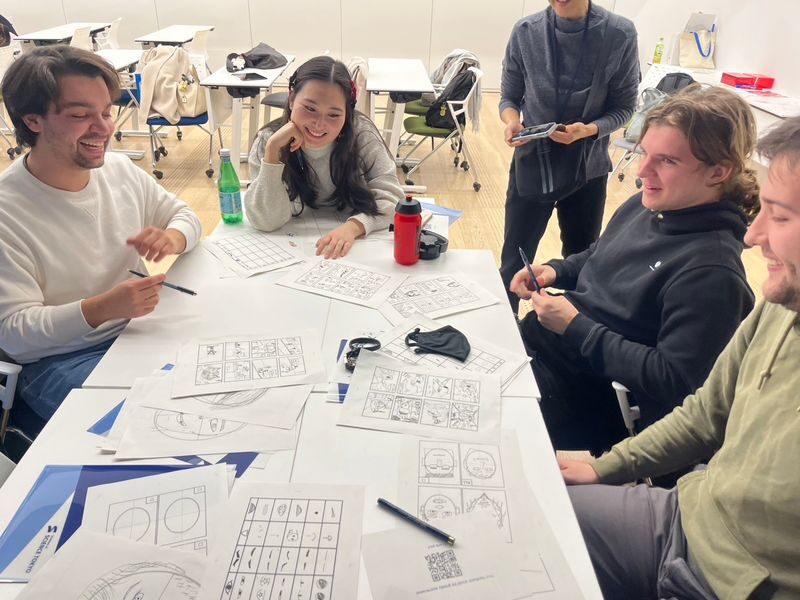
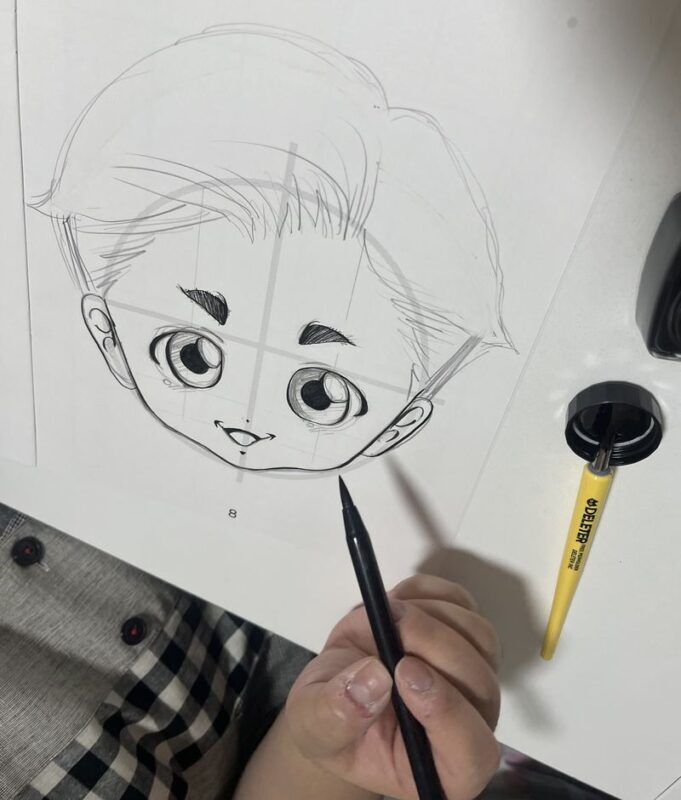
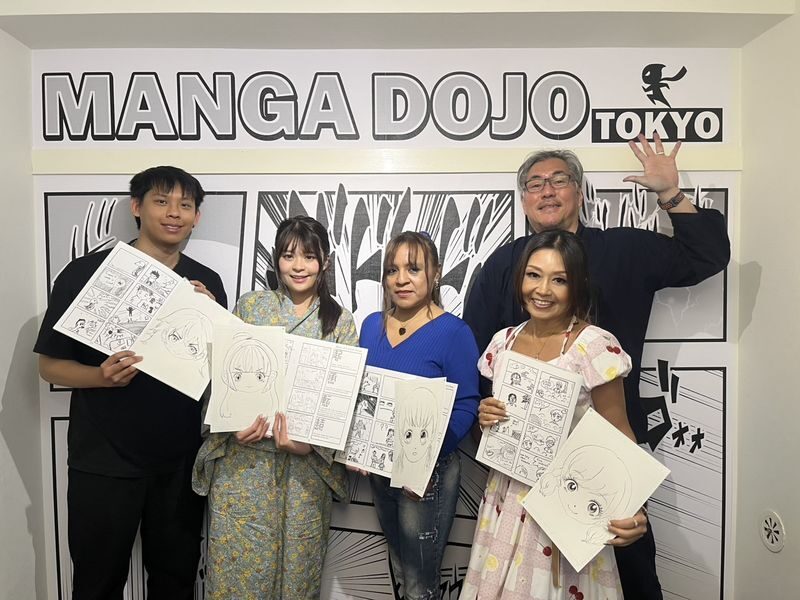
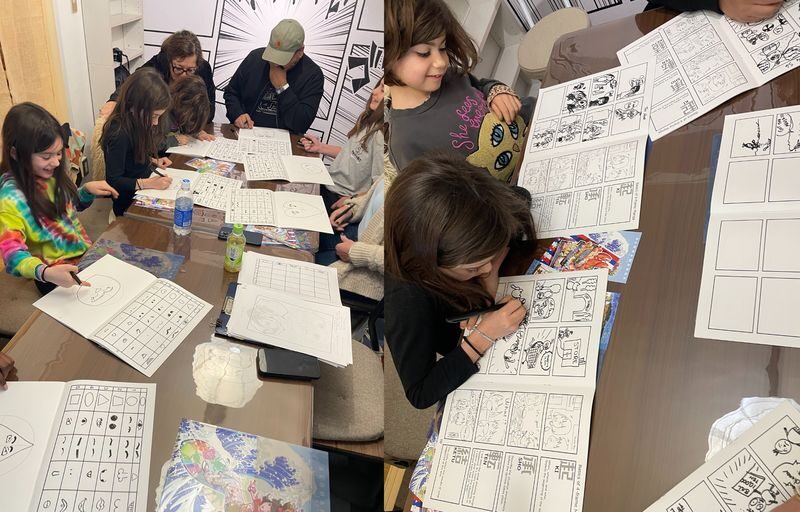
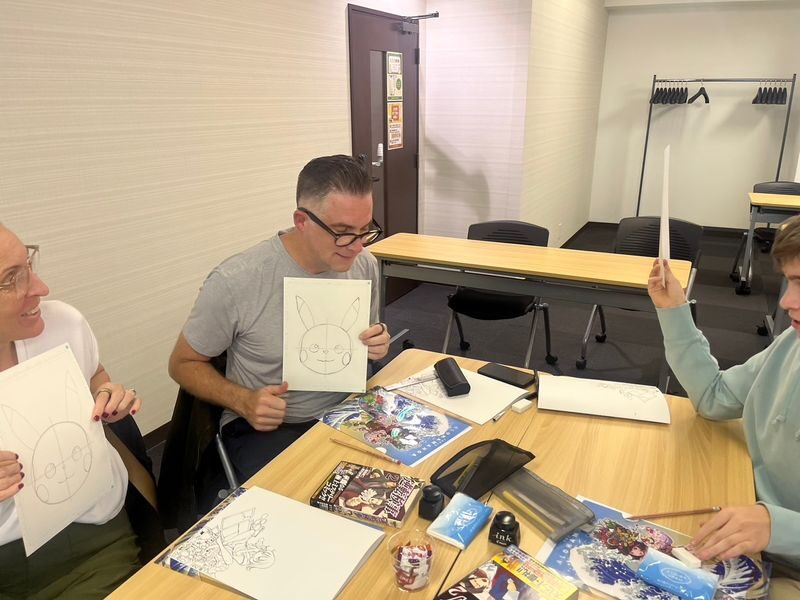
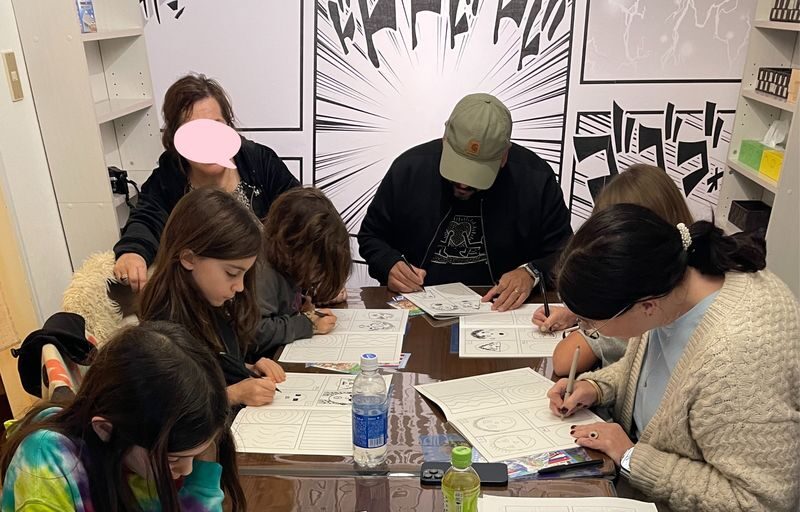
This is a hands-on workshop, not a visit to a museum or a tour of Tokyo’s anime shops. You’ll be seated with drawing materials and an instructor, learning the building blocks of manga by making your own work. Depending on the course, that can mean drawing simple characters, designing a character, or planning panels for a story.
The class also introduces the process behind the finished page. Manga is more than a well-drawn face: an artist has to make choices about character, expression, story structure, and how panels guide the reader’s eye. In two hours, you won’t master the craft, but you can get a useful first look at how these parts fit together.
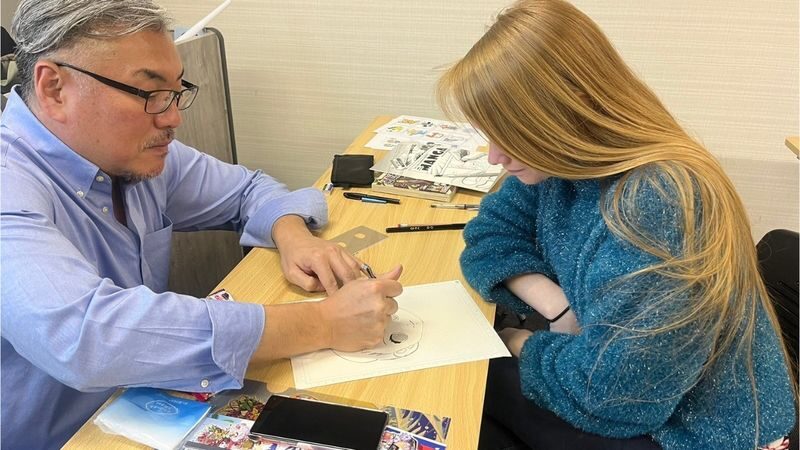
The lessons are taught by Japanese manga artists, with English interpretation provided during class. That matters in a practical way: you can ask questions and follow demonstrations without needing Japanese. A participant in one session identified the artist as Kazuo Maekawa, known for work on Ace Attorney and Ace Attorney Investigations. Artists may vary, so don’t book on the assumption that Maekawa will lead your class.
The atmosphere appears well suited to beginners. The exercises are designed to progress in clear steps, and the instructor can help you keep up even if you don’t consider yourself an artist. You may leave with a drawing that looks more like a spirited first attempt than a polished comic page. That is part of the fun, and the point is to learn by doing.
You can also read our reviews of more tours and experiences in Tokyo.



Choose the class that fits your hand
The three class times are aimed at different ages and experience levels. Pick carefully: the beginner session is not simply the earliest version of the advanced class. The exercises and intended audience differ.
Beginner, 10:00: This class is designed for families, children, and participants through junior high school age. It covers simple character drawing and manga basics, making it the natural choice for a child or a first-time artist. Children must be at least five to take part. Those aged five to eight need a paying adult with them.
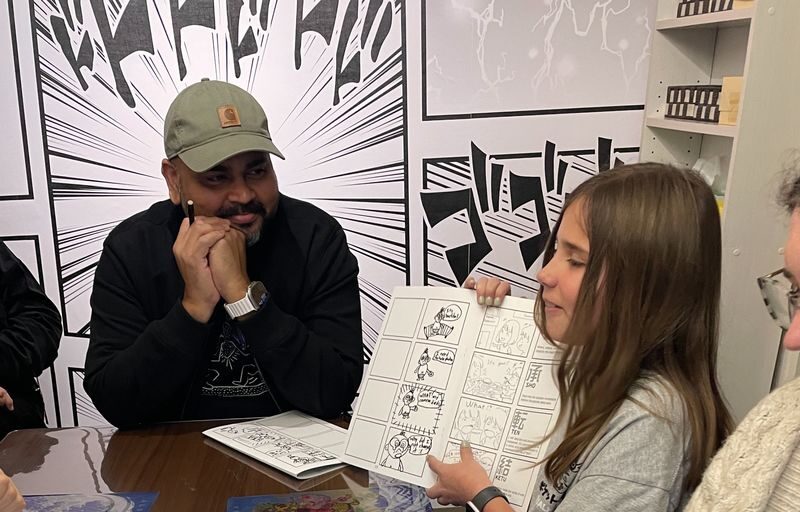
Intermediate, 13:00: Intended for high school students and older, this session suits people who have already drawn illustrations or manga as a hobby. Lessons can include chibi character drawing and creating a four-panel comic. A junior high school student with strong drawing experience may also choose this level.
Advanced and professional, 15:15: This is for experienced artists who want to work on character design, panel layout, anatomy, and expressions. It also includes a chance to ask about a career in manga. Choose it for more specialized instruction, not just because you like manga.
The beginner course is the one with the clearest family focus. If you’re booking for a young child, use the age guidance and choose the session built for children rather than expecting a small child to keep pace with an advanced class. Children aged zero to four are free, but infants and children still need to be included in the booking headcount.
What you actually learn
The exact lesson depends on the course, but the experience is meant to show you more than how to draw a face with large eyes. Manga creation involves a series of decisions, from shaping a character to arranging scenes on the page. The class introduces parts of that process and gives you a chance to try them.
At the beginner level, expect simple character work and an introduction to the basics. This offers a friendly entry point if you’re new to drawing or want an activity that a child and adult can share. It is also a good way to understand why a character’s expression and pose can carry so much of a story.
The intermediate course moves toward character design and short-form storytelling. A four-panel comic gives you a compact structure to work with: a setup, a development, and a payoff, all within a few frames. Chibi drawing, with its intentionally simplified proportions, is another technique you may explore.
The advanced course focuses on more specialized choices. Panel layout, sometimes called storyboard composition, shapes the pace and flow of a manga page. Character anatomy and expressions give figures more range than a repeated pose or blank face. The career discussion is a useful extra if you’re curious about professional manga work, though the session is still a two-hour lesson rather than a full career program.
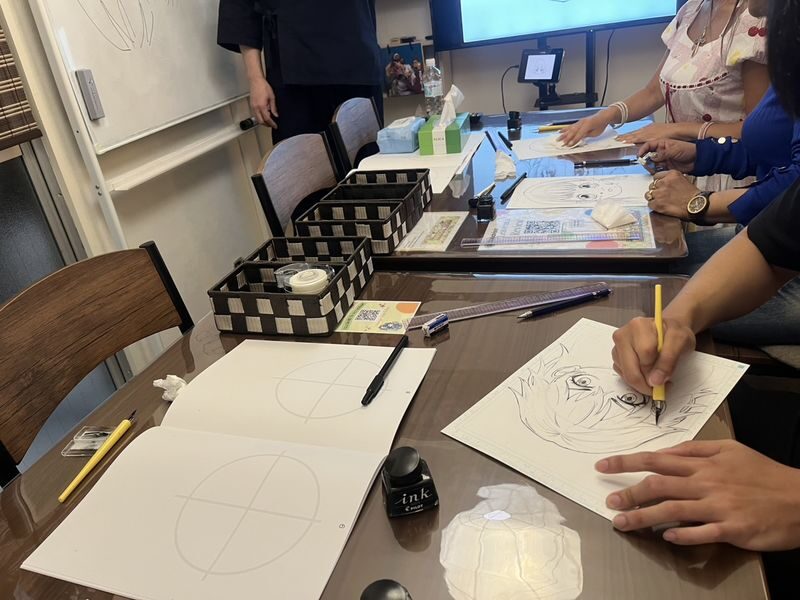
The studio provides professional drafting supplies, including G-pens, ink, and manga paper. Using these tools adds something a pencil-and-workbook activity cannot: you get to handle materials associated with traditional manga production. They may take a little getting used to, which is all the more reason the instructor’s guidance matters.
Making a travel memory into a comic
One appealing idea here is to turn an episode from your trip into a manga scene. You could take a small moment, such as getting lost on the way to a station or trying a new food, and shape it into a character and a short story. The class gives you a framework for playing with those memories rather than simply taking another photo.
That doesn’t mean every lesson follows a travel-themed assignment. The experience includes the option to use travel memories as creative material, while the core focus remains manga drawing and production. If you arrive with a story idea, you’ll have something ready to work with; if not, you can focus on the exercises.
I especially like the way this activity connects popular Japanese culture with the work behind it. Manga is easy to enjoy as a reader, but it’s different to think about how a story is broken into panels or how a few lines change a character’s expression. You leave with a clearer sense of the decisions involved, even if your drawing hand is still learning.
Getting to the Ikebukuro studio
MANGA DOJO Tokyo is at Room 602, Sansho Building, 1-31-6 Higashi-Ikebukuro, Toshima-ku. It is about a six-minute walk from Ikebukuro Station’s East Exit. The studio is not easy to spot from the street: look for a brown building with greenery near the entrance, next to the muscle bar. The entrance is on the left side.
Once inside, take the yellow elevator to the sixth floor and go to Room 602. Because the building has no clear street sign for the dojo, check the directions and any map or short video provided before setting out. Arrive five minutes early, rather than trying to identify the entrance at the exact start time. The session begins at the time you selected, and late arrivals may lose their booking.
The address puts you in Ikebukuro, a convenient part of Tokyo for a day built around shopping, anime, or manga. The class itself does not include transportation, so you’ll need to make your own way there. The station walk is short, but the final turn into the building is the bit worth planning for.






Is two hours worth the price?
The class starts at US$124.85 per person. That is a substantial price for a two-hour activity, particularly if you’re comparing it with a self-guided visit to a manga shop or a low-cost museum. The value here comes from direct instruction, English interpretation, professional supplies, and time to make something yourself.
You’re paying for access to an artist-led lesson rather than a general introduction to manga. For a young manga fan, a family activity, or someone who has wanted to try drawing with traditional tools, that can make the price worthwhile. It can also be a memorable birthday activity: one participant described taking the class for a birthday and learning from an artist associated with well-known Ace Attorney titles.
If you already draw, the intermediate or advanced course may offer more value than the beginner session, since the work is matched to your experience. If you are mainly looking for a souvenir or a polished finished illustration, keep expectations modest. The emphasis is on learning techniques and making your own work, not on leaving with a professional-quality page.
The two-hour limit is worth considering, too. It gives you enough time for a structured introduction and guided exercises, but not for a complete manga project. If you want a long workshop or detailed portfolio coaching, this may feel brief. If you want a focused first lesson that fits into a Tokyo day, the length is practical.
Who will enjoy this most?
I’d put this near the top of the list for a child or teenager who already loves manga, especially if you want an activity that involves more than buying another book or character item. Parents can take part, too. The format is designed to work for children and adults, and you don’t need to be confident at drawing to try it.
It also suits anime and manga fans who want to understand how the art is made. The combination of demonstrations, guided drawing, and traditional materials gives you a more active connection to the medium than simply browsing a store. You might find that the lesson sparks a new hobby, or it may simply give you a better eye for the art you already enjoy.
For experienced artists, the advanced class is the more sensible choice. Its focus on composition, anatomy, expressions, and career questions goes further than a basic introduction. Still, the class is short, so think of it as a taste of professional methods rather than a substitute for sustained study.
If you’re not interested in drawing, this probably isn’t the best use of two hours. The fun depends on picking up a pen and giving the exercises a try. You don’t need natural talent, but a willingness to make imperfect sketches helps.
Should you book it?
Book this if manga matters to you or to someone in your family, and you’d like to learn by drawing alongside a Japanese professional artist. The English interpretation, supplied tools, and clear level choices make it approachable, while the artist-led format gives the class more substance than a casual craft activity.
Choose the session that matches the participant’s age and experience, and allow extra time to find Room 602. If the price feels high for a short class, or you’d rather spend your time looking at finished art than making your own, skip it. For a manga fan ready to try the pen, it’s a personal, hands-on way to spend part of a Tokyo day.
Manga Creation Experience with a Pro Artist (Ikebukuro)
“We had a great time! The teacher was really knowledgeable and helpful. Note the dojo itself doesn't have a sign on the street so just follow the in…”
FAQ
How long is the manga class?
The experience lasts two hours.
What time do the classes start?
The beginner class starts at 10:00, the intermediate class at 13:00, and the advanced and professional class at 15:15.
Do I need to speak Japanese?
No. English interpretation is provided during class, and English-speaking staff are included.
What ages can take part?
Participants must be at least five years old. Children aged five to eight must be accompanied by a paying adult. Children aged zero to four are free, but must be included in the passenger headcount.
Are drawing supplies provided?
Yes. Professional tools such as G-pens, ink, and manga paper are provided.
How do I find the studio?
Go to Room 602, Sansho Building, 1-31-6 Higashi-Ikebukuro, about a six-minute walk from Ikebukuro East Exit. Look for the brown building with greenery near the left-side entrance, then take the yellow elevator to the sixth floor.