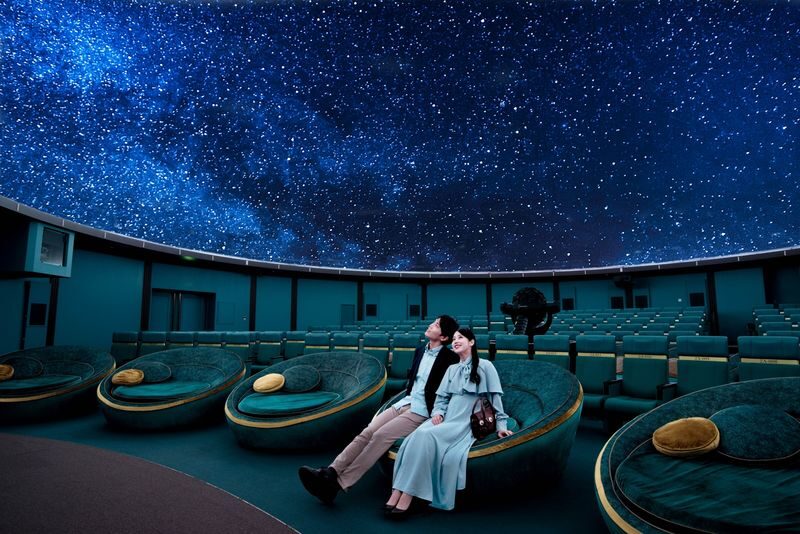
Tokyo’s night sky is hard to see through the city’s glow, but at Planetaria Tokyo, a dome fills your view with stars and space imagery. The main event is a timed show, not a walk-through exhibit, so expect to recline, look up, and let the visuals and sound set the pace.
I like two things here: the full-dome projections make the sky the whole show, and multilingual audio guides can help you follow along when the program is in Japanese. The Yurakucho location also makes this a handy, compact break from shopping or sightseeing nearby.
One catch: this ticket is valid on weekdays only and covers standard seats on eligible shows. The calm, sometimes slow-moving programs are part of the appeal, but if you want a fast-paced attraction, or a particular premium seat, check the show and ticket details before you commit.
- A dome overhead: The star field and space imagery spread across the ceiling, creating a different feel from watching a regular flat-screen film.
- Choose a show, not just a time: Programs vary, and some bring in themes beyond astronomy. Check the current schedule and description before choosing.
- English audio may be available: Multilingual listening devices are offered, though supported languages and content vary by program.
- Standard seating is the deal: The ticket covers eligible works priced at ¥1,900 or less. Galaxy seats are not available through this exchange ticket.
- Plan around weekdays: Exchange your voucher at the counter on a weekday within its seven-day validity window.
- Make it a short stop: The experience usually fits into a 1 to 2 hour visit, with a cafe and gift shop adding options before or after the show.
- A starry pause in the middle of Tokyo
- Picking a program that suits your mood
- From voucher to theater seat
- What the dome experience is really like
- Language help for Japanese shows
- How the ticket stacks up for the price
- A cafe stop, not a full-day outing
- Getting to the right Planetaria
- Who will enjoy this visit most
- Should you book Planetaria Tokyo?
- FAQ
- Where is Konica Minolta Planetaria Tokyo?
- Is this ticket valid at the planetarium in Tokyo Skytree?
- Can I use the ticket on a weekend?
- How long is the voucher valid?
- How do I exchange the voucher?
- Does the ticket include every show and seat type?
- Are audio guides available in English?
- How early should I arrive?
- Can young children attend?
- The Best Of Tokyo!
- More Tickets in Tokyo
- More Tours in Tokyo
- More Tour Reviews in Tokyo
- Not for you? Here's more nearby things to do in Tokyo we have reviewed
A starry pause in the middle of Tokyo
 1 / 4
 2 / 4
 3 / 4
 4 / 4
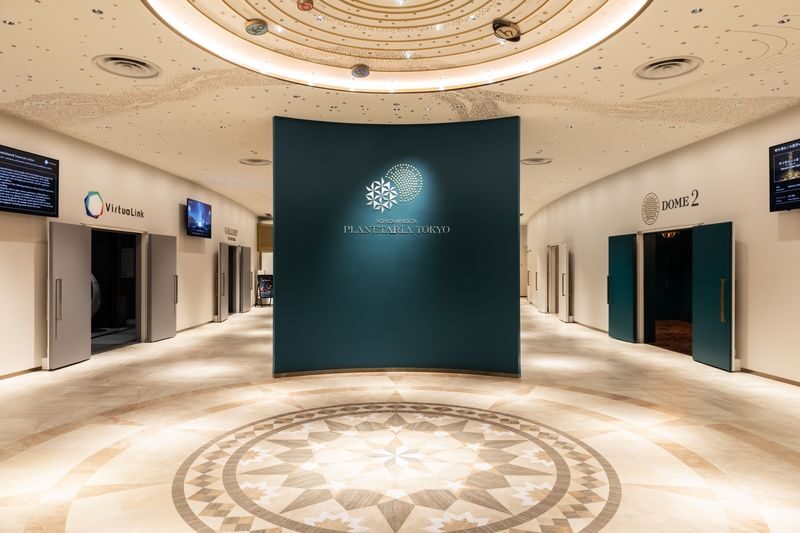
Konica Minolta Planetaria Tokyo sits on the ninth floor of the Yurakucho Mullion building, a short walk from Yurakucho Station. It is an indoor planetarium, not an observatory, so you are not looking through a telescope at the actual sky. Instead, a dome theater projects stars and other imagery overhead, paired with sound and, in some programs, sensory touches.
That difference matters. If you are hoping for a science museum with hands-on exhibits, this is not the place. You come for one scheduled performance, sit back, and give the show your attention. The result can be striking, especially when the imagery moves across the entire dome rather than staying in front of you.
The theater’s scale is more intimate than a large museum complex. That makes it easy to add to a day in Yurakucho or nearby Ginza, but it also means the visit itself is brief. I would think of it as a purposeful rest stop with a show attached, not as a half-day attraction.

👉 See our pick of the 25 Best Guided Tours In Tokyo
Picking a program that suits your mood
The show you choose shapes the whole visit. Programs can focus on stars and space, or take a more scenic, cultural, or relaxing approach. One option highlighted by a visitor was The Dark Side of the Moon, while another mentioned a Hokkaido-themed healing program. The schedule and available titles change, so check the current program list before you go.
Do not assume every presentation is a straightforward astronomy lesson. Some shows lean more toward atmosphere, scenery, music, or storytelling. That can be lovely if you want an unusual, quiet experience, but less satisfying if you expect a detailed scientific account or a dramatic plot.
I would read the description with care, especially if you have a particular interest. The same dome can host very different kinds of programs, and a title that sounds like a space show may put more weight on culture or mood than on planetary facts. If you are booking for children, check the age guidance as well. Preschool children cannot attend the Healing Planetarium, and some other programs may also have age restrictions.
The ticket is valid only for shows priced at ¥1,900 or less. That gives you a useful price boundary, but it does not mean every program is included. Make sure your preferred show falls within the ticket’s terms before setting your plans around it.
You can also read our reviews of more tours and experiences in Tokyo



From voucher to theater seat
This is an exchange ticket, not a direct reservation for a specific performance. You present your mobile voucher at the Planetaria Tokyo counter and receive a physical viewing ticket. You then choose from the available showtimes and seats on the day.
The voucher is valid for seven days from the selected redemption date, expiring at 11:59 p.m. on the final day. You must exchange it at the counter on a weekday within that period. The venue itself lists opening hours of 10:30 a.m. to 9:30 p.m., with the ticket counter open until 8:40 p.m., but the ticket’s weekday restriction still applies.
Arrive at least 20 minutes before the performance. A popular time may fill up, and once a show has started, entry may no longer be possible. Coming early also gives you time to collect your ticket, confirm the room and seat, and ask about audio devices without rushing.
After the performance begins, you cannot leave the theater until it ends. Visit the restroom and settle in before the doors close. This is a small detail, but it is worth knowing when the show is designed to keep you looking up and listening.
What the dome experience is really like
The ceiling is the star. Projections can make the space above you feel immense, and the combination of imagery and sound is what separates this from a conventional film. Some programs also use scents or other sensory effects, though the details depend on the show you select.
The strongest reason to come is visual. The dome format can make stars and sweeping space scenes feel close and enveloping, and the facility is described as clean and comfortable. The staff have also been praised for helping visitors with the audio equipment, which is useful when you are navigating a Japanese-language program.
Still, expectations should be measured. Projection quality and storytelling are separate things. You may find the images beautiful but the narration simple, or the theme less compelling than you hoped. A few programs are deliberately soothing, which means the gentle voice and music may lull you toward sleep. That can be a welcome reset after a long day, but it is not ideal if you want constant action.
The standard seats recline, according to visitors, and give you a view of the dome. This ticket does not include premium seating. Galaxy seats are not available for selection through this exchange ticket, and the day’s seat choice depends on what remains available. If a special seat is central to your plan, check the official site for the right ticket rather than assuming you can upgrade this one.
Language help for Japanese shows
Many programs are presented in Japanese. A multilingual audio guide may be available through listening devices, and English is among the languages visitors have used. The exact language options and supported content can vary, so ask at the counter when exchanging your voucher.
An audio guide can make a show much easier to follow, but it is not necessarily a word-for-word replacement for every part of the Japanese presentation. If understanding the narration is essential to you, confirm that your chosen show supports your language. If the visuals, music, and general mood are enough, language may matter less.
The staff can provide the listening equipment, but remember to collect it before entering the theater. Once the show starts, you are staying until the end, so do not leave that check until the last moment.
How the ticket stacks up for the price
At a starting price of $13.29, this can be a reasonable way to add a distinctive indoor activity to a Tokyo day. The value depends on the program you choose, the standard seat you receive, and whether the show’s pace suits you. A strong visual production can make the ticket feel worthwhile; a theme that does not interest you can make the same hour feel long.
The ticket applies to works priced at ¥1,900 or less, so compare its price with the official price for the specific performance. Do not assume the exchange ticket is always the cheapest option. One visitor found the official site offered a lower price for the show they wanted. The official site may also be the better route if you want a particular seat category or a premium experience.
What you are paying for is a scheduled dome performance, not a full attraction with extensive exhibits. Personal expenses are not included. If you want to add a cafe drink or dessert, budget for that separately.




A cafe stop, not a full-day outing
The cafe is a useful extra if you want to make the visit feel less hurried. Visitors have singled out its desserts and drinks, and some have enjoyed the cafe offerings as much as the show. It also gives you a place to pause before or after the performance, though food and drinks are not part of the ticket.
There is also a gift shop. Neither the shop nor the cafe changes the basic shape of the visit: the planetarium is a compact experience, and the show remains the main reason to come. I would pair it with nearby plans rather than travel across Tokyo solely to fill a whole day here.
The 1 to 2 hour estimate is a sensible window for the visit, depending on showtime and how long you spend around the theater. You can treat it as a relaxed break between activities, especially if the weather is poor or you want a seated indoor stop.
Getting to the right Planetaria
The address is Yurakucho Mullion 9F, 2-5-1 Yurakucho, Chiyoda City, Tokyo 100-0006. It is about a two-minute walk from Yurakucho Station. Check the full address before setting out: Tokyo has more than one Konica Minolta planetarium, and this ticket is for Planetaria Tokyo in Yurakucho, not Tenku at Tokyo Skytree.
That branch distinction is important. The two venues are easy to confuse if you search only for Konica Minolta Planetarium, and a ticket for one does not work at the other. Match the venue name and address on your voucher to your destination before leaving.
The building is in a commercial center, so allow time to find the elevator and reach the ninth floor. If you are unsure, show the address to staff nearby rather than heading to a different planetarium across town.
Who will enjoy this visit most
I would recommend Planetaria Tokyo if you like visual shows, want a gentle indoor break, or are curious about a planetarium that pairs its star field with music and atmosphere. It can also work well for a family outing, provided you check the age rules for the program you choose. Children aged 0 to 3 can enter free if they do not occupy a separate seat.
It is less suited to anyone who needs a fast pace, expects a large science center, or wants a guaranteed premium seat. You may also want to skip a healing-style program if you prefer a lively presentation. The peaceful tone is a feature for some people and a drawback for others.
If you are undecided, choose the show first and the ticket second. Read the schedule description, confirm the language support, and compare the eligible show’s price with the official option. That small bit of homework can turn a pleasant, unusual hour into a much better fit for your Tokyo plans.
Should you book Planetaria Tokyo?
Book it if the idea of a full-dome star show sounds appealing and you are happy with a calm, timed performance in standard seating. The visuals, sound, and chance to hear some shows through multilingual audio make it a memorable change of pace from Tokyo’s streets.
Skip it if you expect a hands-on museum, a guaranteed English-language presentation, or a show with nonstop action. Most important, confirm the Yurakucho location, weekday validity, show price, and schedule before buying. Those checks are the difference between an easy, restful stop and a ticket for the wrong place or program.
Konica Minolta Planetaria Tokyo Ticket
“It wasn't exactly fun, but it was certainly unique. If you're looking for an unusual experience, I think it's worth visiting at least once.”
FAQ
Where is Konica Minolta Planetaria Tokyo?
It is on the ninth floor of Yurakucho Mullion, at 2-5-1 Yurakucho, Chiyoda City, Tokyo 100-0006. It is about a two-minute walk from Yurakucho Station.
Is this ticket valid at the planetarium in Tokyo Skytree?
No. This ticket is for Planetaria Tokyo in Yurakucho, not Planetarium Tenku at Tokyo Skytree.
Can I use the ticket on a weekend?
No. The exchange ticket is valid for planetarium viewings on weekdays only. Check the operating dates for the day you plan to visit.
How long is the voucher valid?
It is valid for seven days from the selected redemption date and expires at 11:59 p.m. on the final day. You must exchange it for a viewing ticket at the counter on a weekday within that period.
How do I exchange the voucher?
Present your mobile voucher at the counter and exchange it for a physical viewing ticket.
Does the ticket include every show and seat type?
It is valid for works priced at ¥1,900 or less and covers standard seating. Galaxy seats are not available for selection with this ticket.
Are audio guides available in English?
Multilingual audio guides are available for some shows, but supported languages and content may vary. Ask at the counter about your chosen program.
How early should I arrive?
Arrive at least 20 minutes before the screening. If the theater is full or the show has started, your preferred time may not be available.
Can young children attend?
Children aged 0 to 3 can enter free if they do not occupy a separate seat. Some shows have age restrictions, and preschool children cannot attend the Healing Planetarium.