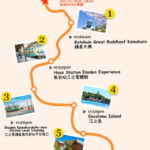
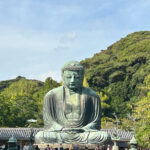
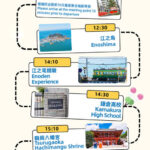
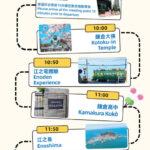
The day’s most memorable contrast is the shift from Kamakura’s seaside railway to Yokohama’s harbor lights. You ride the Enoden between Kamakura, the famous Kamakura High School crossing and Enoshima, then have free time in Yokohama before returning to Tokyo.
I like two things in particular: the included Enoden rides make a short but scenic stretch of local travel part of the day, and the route combines a shrine, island and city night views without asking you to plan the connections yourself. Guides such as Jack, Yaya and Xiao Hu have been praised for clear explanations, careful timekeeping and help managing crowded train platforms.
The trade-off is a long, tightly timed day with several stops and a shared vehicle, not a slow visit to any one place. Yokohama’s Air Cabin and Ferris wheel are not included, and rain, crowds or traffic can affect the schedule and the night view.
- The day at a glance
- From Tokyo to Kamakura’s shrine approach
- Riding the Enoden to the Slam Dunk crossing
- Crossing the bridge to Enoshima
- Yokohama after dark
- What the price includes, and what it does not
- The guide can shape the day
- Who should book this Kamakura and Yokohama day trip?
- FAQ
- How long is the tour?
- Where does the tour depart from?
- Are the Enoden train rides included?
- Is the Yokohama Air Cabin included?
- What languages does the guide speak?
- How much luggage can I bring?
- Can children join the tour?
- More Evening Experiences in Fujisawa
- More Tours in Fujisawa
- More Tour Reviews in Fujisawa
- Not for you? Here's more nearby things to do in Fujisawa we have reviewed
The day at a glance
- Two Enoden rides are included: Travel from Kamakura Station to Kamakura-koko-mae, then onward to Enoshima Station. These are short public-train journeys, not private rides.
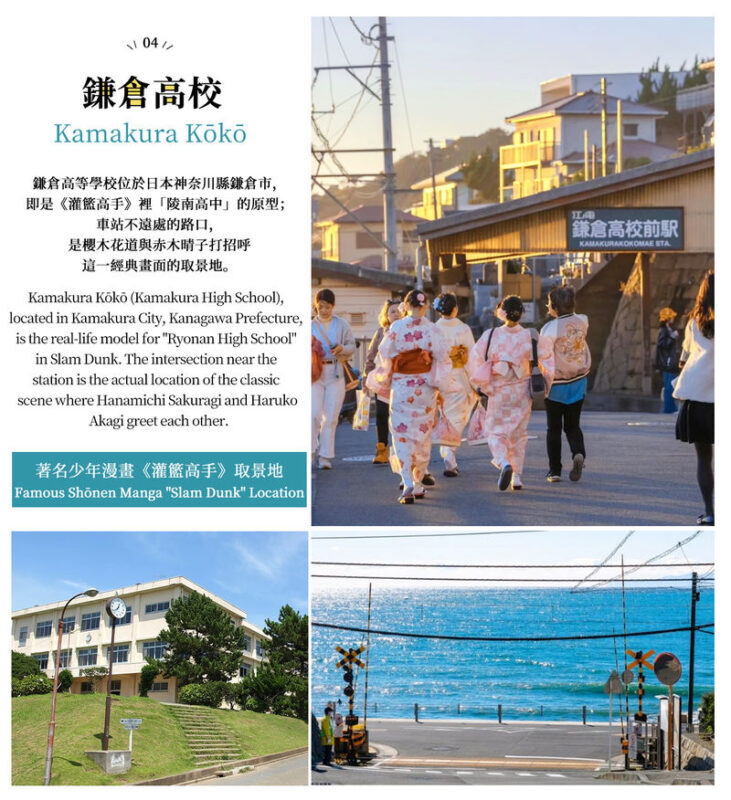
- The Slam Dunk crossing is a brief photo stop: You get about 20 minutes at the Kamakura High School Mae level crossing. It is an active road and railway area, so stay clear of tracks and traffic.
- Enoshima takes time on foot: The route includes a roughly 20-minute walk from Enoshima Station across the 389-meter Benzaiten Bridge, followed by about 1 hour 40 minutes on the island.
- Yokohama is your evening finale: The planned free-time window is about 2.5 hours. Air Cabin and Ferris wheel rides cost extra.
- Guide service can be a real help: The assigned guide varies, but Jack, Yaya, Xiao Hu and other guides have been praised for explanations, bilingual communication and patient group coordination.
- Plan for a full day: The tour runs roughly 11:00 to 21:25, with timing subject to traffic, weather and crowds. Keep the evening free.
From Tokyo to Kamakura’s shrine approach
The tour leaves from Shinjuku at 11:00 and returns to the same general area in the evening. The meeting point is listed by Shinjuku MODE Gakuen, but check the final email for the precise vehicle and guide details. Arrive 10 minutes early. The guide does not contact you in advance, and late arrivals or no-shows are not refundable.
The transport is shared, with group sizes ranging from four to 48. Depending on attendance, you may travel in a larger vehicle or a smaller car with a driver who also guides. That smaller setup may allow a more flexible pace, but commentary can be briefer while the driver focuses on the road. In either case, expect a fixed group route: the vehicle cannot stop whenever you fancy a snack or photo.
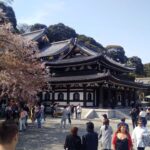
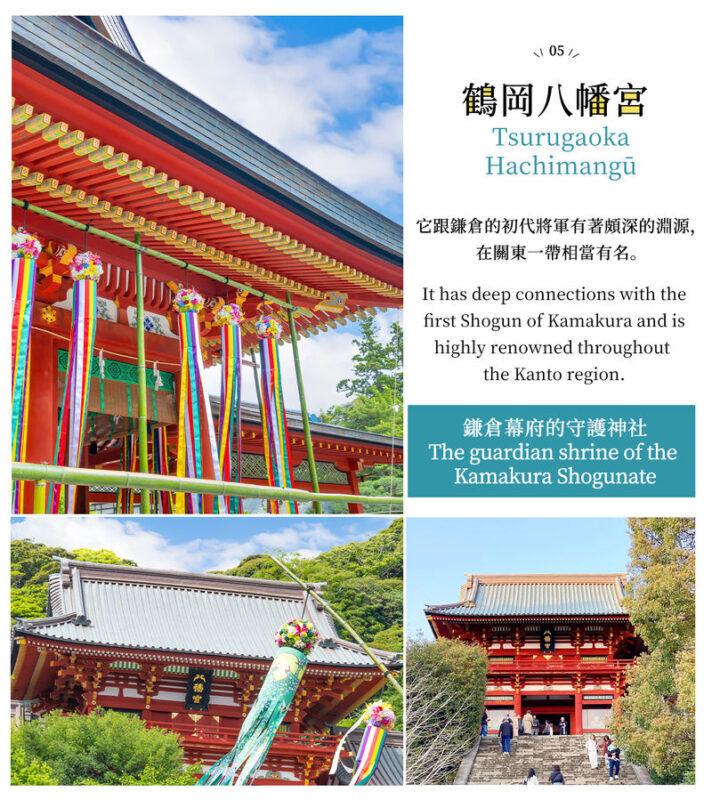
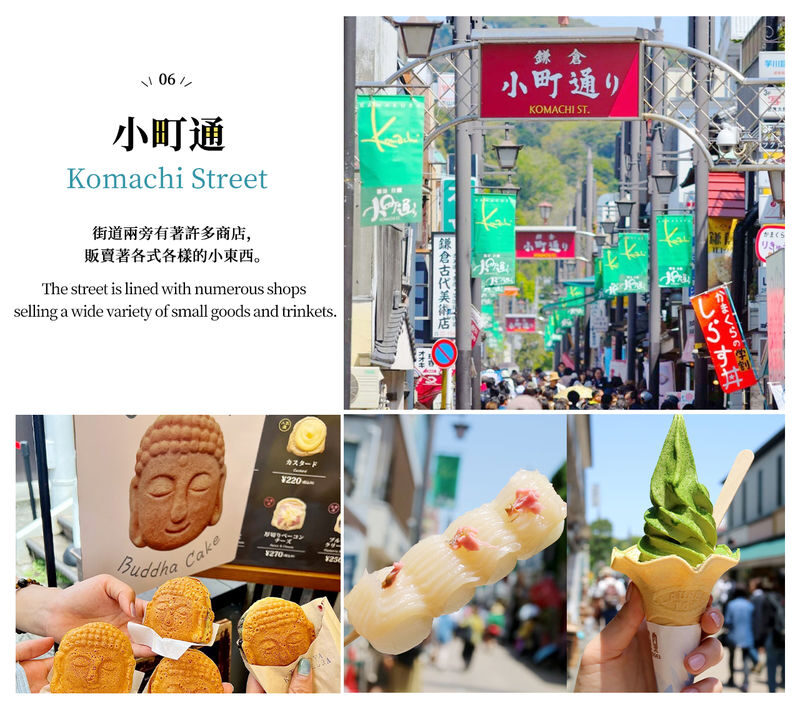
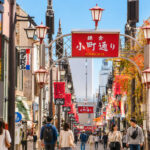
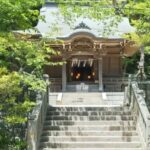
The first major stop is Tsurugaoka Hachimangu, Kamakura’s best-known shrine. You have about 80 minutes for the shrine and nearby area, with the tour also naming Komachi-dori Street as part of the experience. This gives you a useful first taste of Kamakura: a historic place of worship alongside a busy shopping street. The contrast is part of the appeal, though the short visit means you will need to choose between browsing, eating and spending more time at the shrine.
The shrine is a place to observe Shinto customs and take in the setting, not simply a photo backdrop. You can pause, watch how people approach the grounds and make a prayer if you wish. The schedule is self-guided at the stop, so your own pace matters. Keep track of the meeting time rather than assuming the group will wait while you explore one more lane.
You can also read our reviews of more evening experiences in Fujisawa

Riding the Enoden to the Slam Dunk crossing
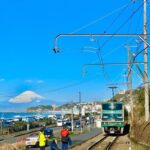
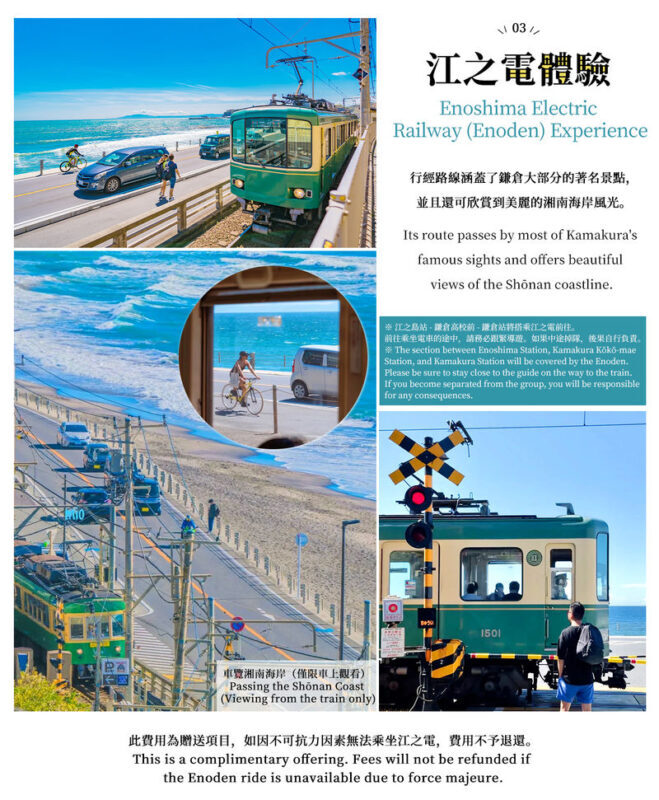
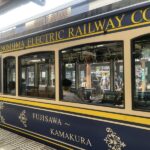
The Enoden is a small local railway linking the Kamakura and Enoshima area. On this tour, the ride from Kamakura Station to Kamakura-koko-mae takes about 20 minutes, and the fare is included. The train is part of the experience, but it is public transport, so expect to board with other passengers. Guides have been noted for helping the group navigate crowded platforms, a practical service when everyone needs to catch the same train.
At Kamakura-koko-mae, you get roughly 20 minutes at the railway crossing familiar to fans of Slam Dunk. The nearby coast and crossing provide the recognizable setting for the anime’s opening scene, which makes this stop especially appealing if the series is part of your Japan itinerary. Even without that connection, the combination of tracks, road and sea gives the stop a distinctly local feel.
Keep your expectations in proportion. This is a brief visit to a public crossing, not a private viewing area or an extended anime tour. It can be crowded, and the crossing is used by trains, pedestrians and vehicles. Do not enter the tracks or block the road for a photograph. Your best souvenir is a quick, safe photo and enough time to make the next train.
The second Enoden ride, from Kamakura-koko-mae to Enoshima Station, is listed as about five minutes. The included fare covers both rides, but the operator says there is no refund if weather, service disruption or another force majeure issue prevents the train journey. Follow the guide closely and be ready to board when directed.
Crossing the bridge to Enoshima
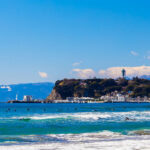
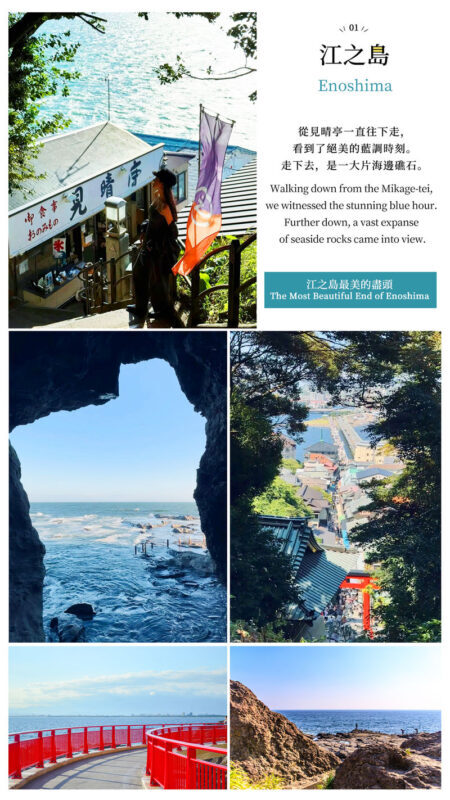
From Enoshima Station, allow about 20 minutes to walk across Benzaiten Bridge to the island. The bridge is roughly 389 meters long, with open views across Sagami Bay. On a clear day, Mount Fuji and the Hakone mountains may be visible in the distance; cloud or haze can hide them, so treat those views as a bonus rather than a promise.
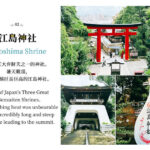
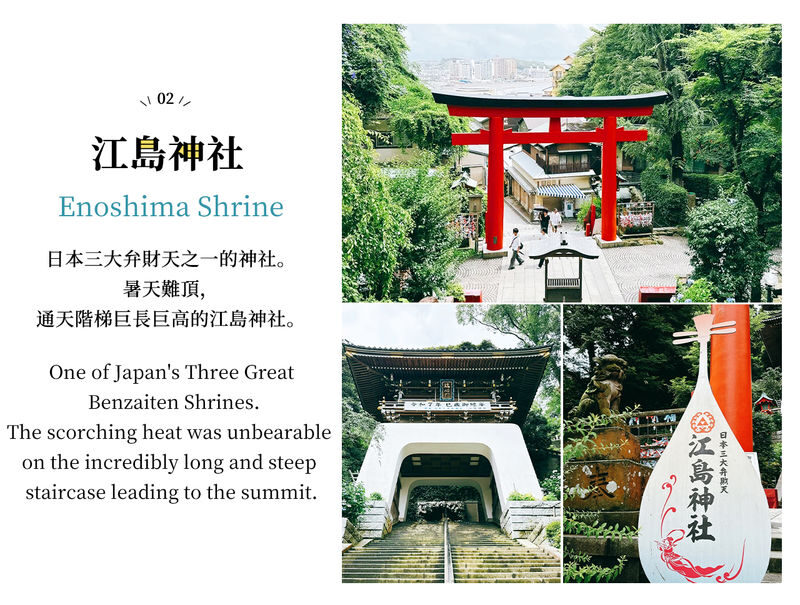
You then have about 1 hour 40 minutes on Enoshima. The island is known for its sea views and Enoshima Shrine, and you can use the free time to visit the shrine, wander the streets or find something to eat. Seafood is one option in the area, though meals and personal purchases are not included in the tour price.
This is the stop where comfortable shoes matter. Enoshima involves walking, with ramps and stairs in parts of the area, and the route includes the bridge before your island time begins. Bring sun protection or rain gear to suit the forecast. If you have mobility concerns, bear in mind that the tour notes there are no child seats in the vehicle and describes the island visit as primarily on foot.
The schedule gives you enough time to get a feel for the island, but not to explore every corner at leisure. Pick a priority before you arrive: shrine, coastal views or a food break. Trying to fit everything into the same short window can turn a pleasant island visit into a race back to the meeting point.
Yokohama after dark
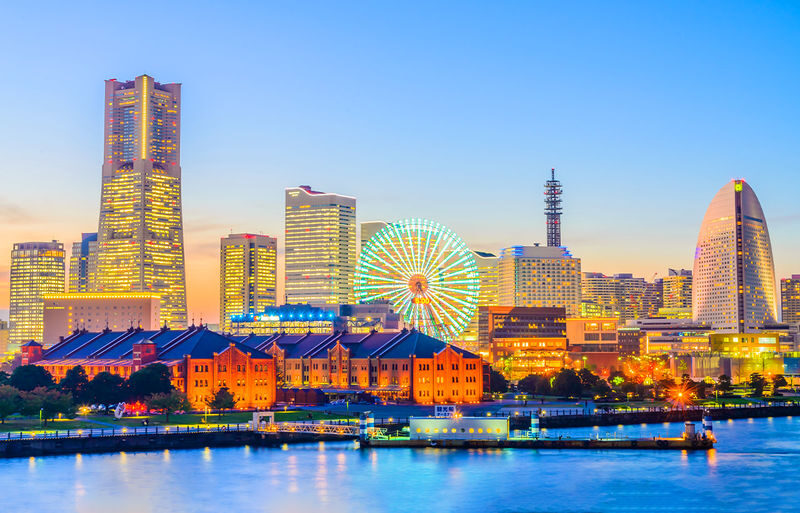
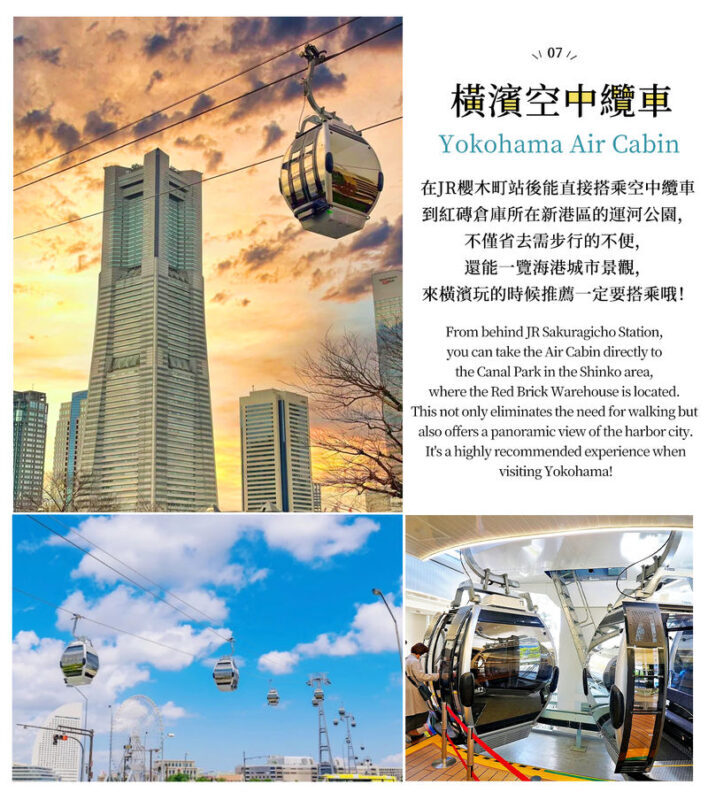
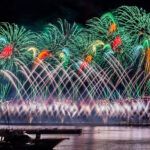
The final major stop is Yokohama, where the planned free-time period is about 2.5 hours. The route highlights the area around the Yokohama Air Cabin, Canal Park and the Red Brick Warehouse. This is a change of mood from Kamakura: instead of shrines and coastal tracks, you get a harbor city setting and time to see Yokohama lit up after sunset.
The Air Cabin connects JR Sakuragicho Station with the Shinko area near the Red Brick Warehouse. It is not included in the tour price, nor are Ferris wheel rides or other personal expenses. If you want to take the cable car, budget separately and check operating conditions on the day. Rain and fog can reduce visibility, and severe weather may interrupt services or obscure the night view. The tour does not promise clear skies.
You have some freedom here, but the group must return at the set time. Decide whether you care more about the cable car, the warehouse area or simply walking around the harbor. Do not assume you can fit all of them in, especially if there are queues. Keep enough time to reach the meeting point without rushing.
The stated return is around 21:25 to 21:45, although the information also notes that the return leg may begin earlier and that arrival varies with road conditions. Treat the time as an estimate, not a guarantee. Avoid booking a show, dinner reservation or other fixed plan that evening.
What the price includes, and what it does not
At a starting price of $41.05, this tour can offer good value if you want to cover several destinations in one day without arranging a vehicle and train connections yourself. The price includes round-trip transport from the meeting point, tolls, parking, fuel and the two Enoden rides. A guide also helps coordinate the group and explain the stops.
The value is less compelling if you prefer long, unstructured visits or already feel comfortable navigating the area by train. You are paying for convenience and a broad route, not for private transport or admission to every attraction. The Air Cabin, Ferris wheel and personal purchases are extra, and the tour does not list a meal as included.
The route’s packed nature is worth weighing against the low entry price. You can see three distinct areas in one day, but travel between them and fixed meeting times limit how long you can linger. The tour suits a first visit or a short stay in Tokyo better than a return visit focused on in-depth Kamakura sightseeing.
Language also deserves a check before booking. The package information identifies Chinese, English and Japanese, while the general tour description refers to Chinese and English bilingual or simple multilingual service. A Korean guide is not confirmed in the package details provided here. If you need a particular language, confirm it for your departure date instead of relying on the broader title.
You can also read our reviews of more tours and experiences in Fujisawa

The guide can shape the day
The itinerary is tightly timed, so a guide who communicates clearly can make the logistics feel much easier. Guides named Jack, Yaya and Xiao Hu have been praised for explanations, recommendations, patience and keeping the group organized. Some have helped travelers through crowded train platforms, taken family photos or checked that people had umbrellas in bad weather.
Those examples point to the practical value of the guide: knowing where to gather, when to board and how long you have matters as much as a history talk on a day with several stops. Still, the assigned guide changes, and the tour may use a driver-guide for smaller groups. Do not book on the assumption that you will have a particular person or an extended lecture at every site.
The tour is a multi-language group experience, which can mean explanations are repeated in more than one language. That helps make the trip accessible to a mixed group, but it can take time and may not suit you if you want a single-language, highly detailed commentary throughout.
Who should book this Kamakura and Yokohama day trip?
I would consider this tour if you have one open day in Tokyo and want a guided overview of Kamakura, Enoshima and Yokohama without planning each connection. Anime fans get the famous crossing, train enthusiasts get two Enoden segments, and first-time visitors get a useful mix of shrine, island and city scenery.
It is also a sensible choice if you value having someone manage the group’s train transfers and timing. The many positive comments about guides such as Jack, Yaya and Xiao Hu suggest that attentive coordination is a recurring strength, though your experience depends on who is assigned and how the day unfolds.
I would skip it if you want a relaxed, in-depth visit, have a fixed evening plan or dislike group schedules. The route involves a lot of walking and several transfers, and the weather can affect the island and night views. It is a broad sampler, not a slow pilgrimage.
Kamakura Railway, Yokohama Night View Day Trip (Enoshima, Kamakura High School, Tsurugaoka Hachimangu Shrine, Includes Enoden Experience) Korean, Chinese, and English Guides, Departs from Tokyo
“Had a great time on this tour. Our guide Evan was very good and supportive throughout the tour. In morning we got late by few min but he waited for…”
FAQ
How long is the tour?
The scheduled day runs from about 11:00 to 21:25, with the return time subject to traffic and other conditions. Plan to keep the whole day and evening free.
Where does the tour depart from?
It departs from the Shinjuku MODE Gakuen area in Tokyo. Check the email sent the day before for the exact meeting details, vehicle plate and guide information, and arrive 10 minutes early.
Are the Enoden train rides included?
Yes. The tour includes the rides from Kamakura Station to Kamakura-koko-mae and from Kamakura-koko-mae to Enoshima Station. If circumstances prevent the rides, the fare is not refunded.
Is the Yokohama Air Cabin included?
No. The Air Cabin, Ferris wheel and other personal expenses are not included. You pay separately for those experiences.
What languages does the guide speak?
The package information names Chinese, English and Japanese, while the general language note describes Chinese and English bilingual or simple multilingual service. A Korean-speaking guide is not confirmed in the package details, so check before booking if language is essential.
How much luggage can I bring?
One piece of luggage per person is allowed free. Each additional piece costs JPY 2,000 on site, and you should note extra luggage when placing your order. The operator may refuse boarding if the luggage or group exceeds vehicle capacity.
Can children join the tour?
Children aged 0 to 2 may join free if they do not need a separate seat. Children aged 0 to 18 must be accompanied by a paying adult, and children aged 3 or older pay the adult rate. Child seats are not available.