Ibaraki’s appeal here is variety: a four-tier waterfall, flower fields on a grand scale, and a red torii gate set against the Pacific. I like that this tour links three quite different sights in one day, and that transport from Tokyo takes the strain out of piecing together a long regional route yourself.
I also like the seasonal focus at Hitachi Seaside Park, where spring’s pale-blue nemophila and autumn’s red kochia give the visit a clear purpose. The trade-off is time: the park gets 1 hour 50 minutes, and that includes any food stop, so you’ll need to choose what matters most.
- The essentials at a glance
- Three Ibaraki sights, one long day
- Fukuroda Falls: four stages of water
- Hitachi Seaside Park: flowers on a tight clock
- Oarai Isosaki Shrine: the torii over the waves
- What the timetable means in practice
- Price, inclusions, and extra costs
- Who will get the most from this trip
- Before you go
- Should you book this Ibaraki day trip?
- FAQ
- Where does the tour depart from?
- What time does the tour leave and return?
- Which attractions does the tour visit?
- Are admission tickets included?
- How much time is allowed at each stop?
- Is the tour available in English?
- Can children join the tour?
- What happens if the flowers are not in bloom?
- The Best Of Japan!
- More Tours in Japan
- More Tour Reviews in Japan
- Not for you? Here's more nearby things to do in Japan we have reviewed
The essentials at a glance
 1 / 8
 2 / 8
 3 / 8
 4 / 8
 5 / 8
 6 / 8
 7 / 8
 8 / 8
- Three contrasting stops: See Fukuroda Falls, Hitachi Seaside Park, and Oarai Isosaki Shrine in a single day.
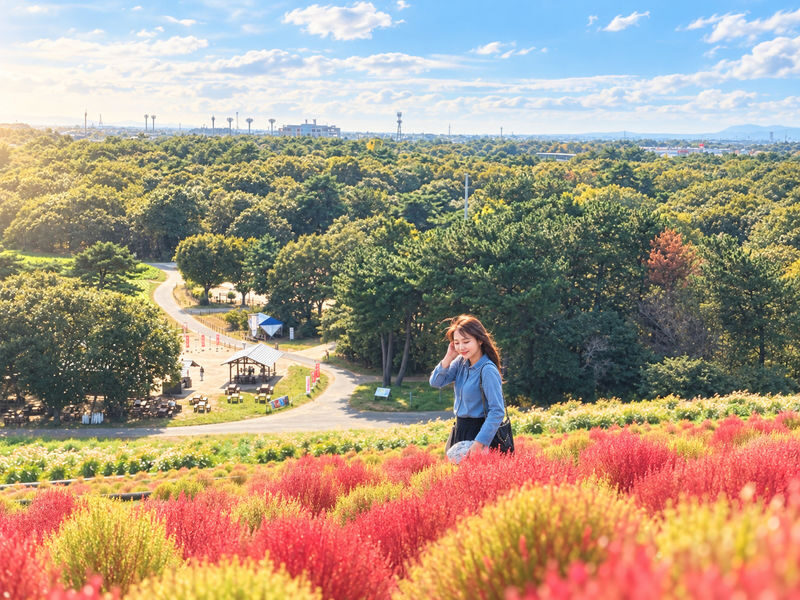
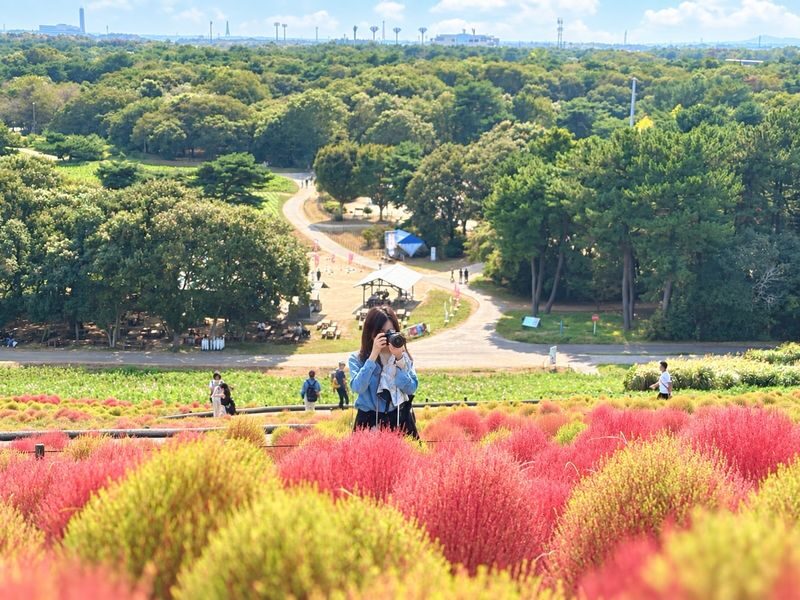
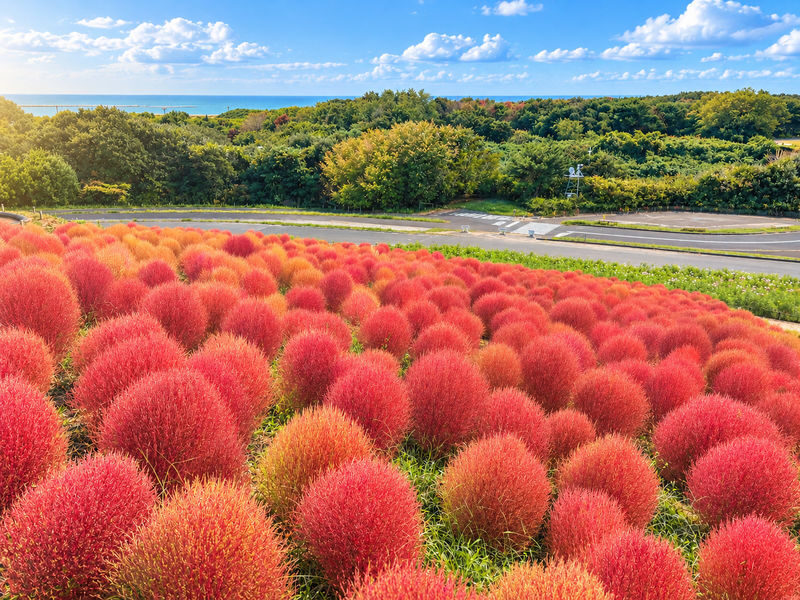
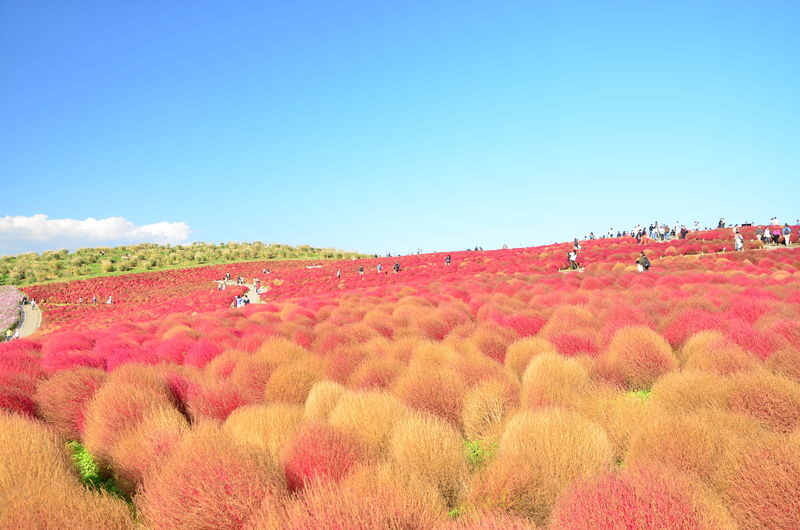
- A seasonal centerpiece: The park is best known for nemophila in mid-to-late April and red kochia in October, though bloom timing varies.
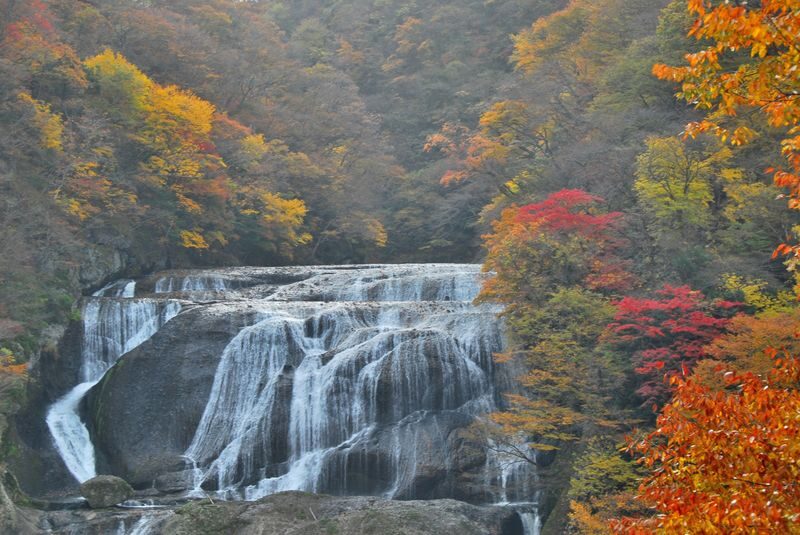
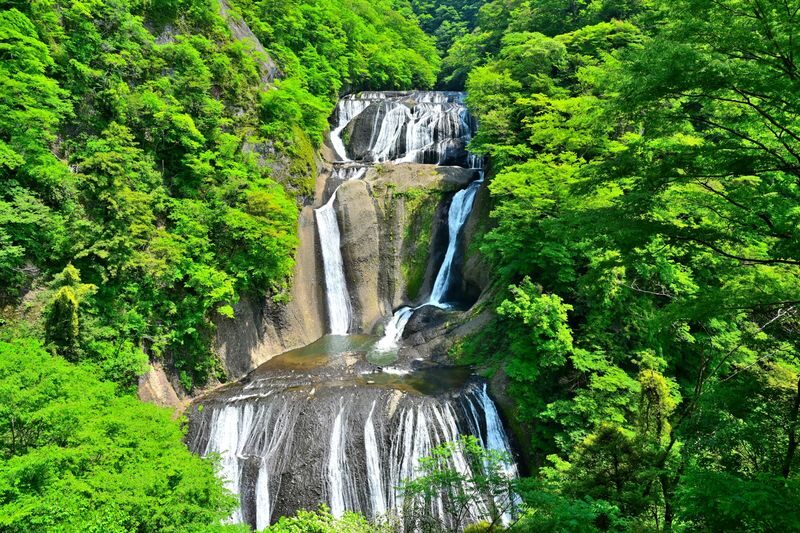
- A dramatic waterfall: Fukuroda Falls drops about 120 meters in four stages. Entry to its viewing tunnel costs extra.
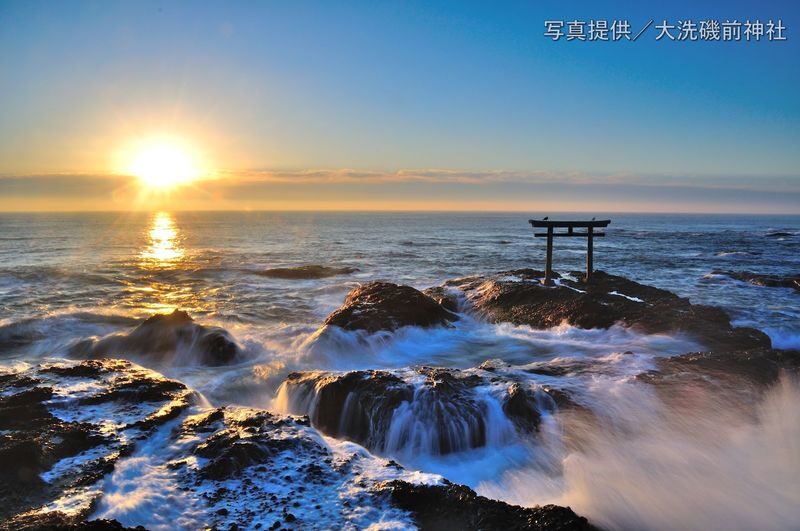
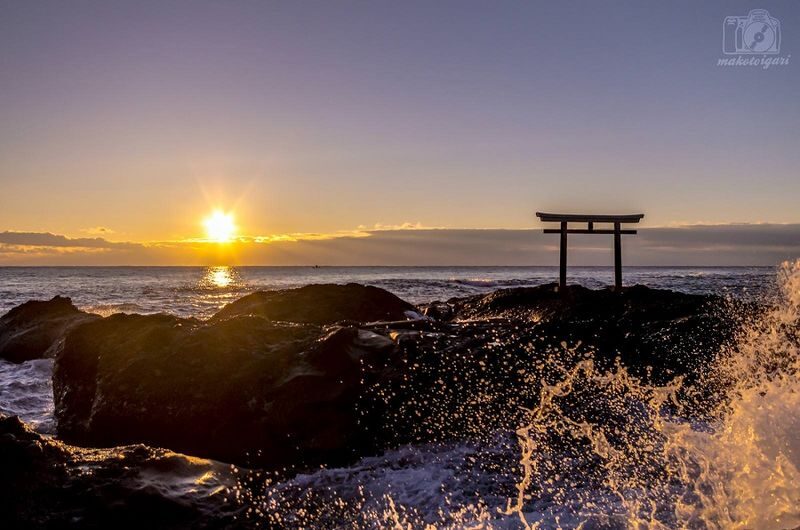
- A sea-facing torii: Oarai’s Kamiiso Torii stands on a rocky outcrop by the water, with sunrise and waves making for especially striking conditions.
- Tokyo transport included: The tour departs near Ginza Station and returns to the Ginza area, with a guide or tour leader accompanying the group.
- A brisk schedule: The park stop is 1 hour 50 minutes, the shrine 50 minutes, and the waterfall 1 hour. Traffic or weather can change the plan.

👉 See our pick of the 4 Best Snorkeling Experiences In Japan
Three Ibaraki sights, one long day
This day trip is built for a particular kind of sightseeing: big natural views without the work of arranging several regional connections. Ibaraki lies northeast of Tokyo, and the three stops are spread out. A bus tour turns that geography into a full-day circuit, though the long drives and fixed timetable mean you’ll trade flexibility for convenience.
The planned day begins with a 07:50 departure and returns to the Ginza area around 17:30 to 18:00. That is a useful amount of time for a day away from Tokyo, but it is not a slow-paced outing. You will have enough time to see the main features at each stop, not to explore every path or linger over lunch.
Past departures have had guides named Helen, Ana, Marco, Ms. Carp, Ms. Hsieh, and Ms. Wei. Your guide will vary. The tour includes an English-, Chinese-, or Japanese-speaking guide, but the language support is mainly for trip coordination. Commentary at the attractions is not guaranteed, so treat this as an escorted transport-and-sightseeing day rather than a full guided tour at every stop.
You can also read our reviews of more tours and experiences in Japan.



Fukuroda Falls: four stages of water
The first listed stop is Fukuroda Falls, in Daigo Town. The water drops along a rock face in four stages, with an overall height of about 120 meters and a width of roughly 73 meters. That stepped shape is the point: instead of one narrow plunge, you see water spread across the rock in a series of ledges.
The stop lasts about an hour. A tunnel provides access to the waterfall viewing area, and its fee is not included in the tour price. Budget 500 yen for an adult or 300 yen for a child under 15. This is a worthwhile extra to factor in if you want the designated viewing route.
Season can change the mood of the falls and the surrounding area, but the tour does not promise autumn foliage at this stop. If fall color is your main reason for going, keep your expectations flexible. The schedule and seasonal conditions may not line up, and the group must move on at the appointed time.
An hour is enough to see the main view, but not a long visit. Wear shoes that feel secure for walking, and keep track of the time as you explore. The tour may adjust the order of stops for traffic or weather, so Fukuroda could come at a different point in the day.
Hitachi Seaside Park: flowers on a tight clock
Hitachi Seaside Park is the day’s big seasonal draw. The public park covers about 200 hectares and includes flower areas, grassland, dunes, and an amusement park. Its calendar changes throughout the year, with daffodils, tulips, and rapeseed in spring, nemophila in early summer, sunflowers and lavender in summer, kochia and cosmos in autumn, and plum blossoms and daffodils in winter.
Two displays have made the park especially famous: pale-blue nemophila in mid-to-late April and kochia turning red in October. Bloom and foliage dates shift with weather, however. The tour goes ahead on its scheduled date even if the flowers or autumn color are early, late, or past their peak. If the seasonal display is your priority, check current conditions close to your trip, but understand that no exact bloom can be guaranteed.
You get 1 hour 50 minutes in the park, on a self-guided visit. That sounds generous beside the other stops, but the grounds are large. You’ll need to choose a focus: head for the main seasonal flower area, take a shorter walk, or leave time for a meal. One October visitor found that two hours including lunch was not enough, a fair warning if you like to see a park at a leisurely pace.
Park admission is not included, and the supplied price information does not state the current admission amount. Check the park’s ticket cost separately before you go. Food and drinks are also your own expense. With a fixed departure time, it pays to decide where to eat and what section you most want to see before you start wandering.
I see the park as the stop most likely to reward a little planning. If you arrive during peak nemophila or kochia season, a direct walk to the main display will help you use your time well. If you’re more interested in the wider grounds, accept that you’ll only sample them. This is not a full park day.
Oarai Isosaki Shrine: the torii over the waves
At Oarai Isosaki Shrine, the famous sight is the Kamiiso Torii, positioned on a rock beside the sea. Local tradition identifies the rock as the place where a god descended. Whatever your reason for visiting, the visual arrangement is memorable: a torii framed by open water and coastline, with waves breaking around its base.
The stop is about 50 minutes and self-guided. The torii draws photographers, especially at sunrise, when the light and surf can make a dramatic scene. This tour does not arrive at sunrise, so don’t book it expecting that particular light. You can still see the coastal setting, but the exact view depends on the day’s weather and sea conditions.
The shrine itself is relatively small compared with the park and waterfall. That makes this a natural final stop for a short walk and photographs rather than a long visit. Keep to the designated areas and take care near the water. The tour asks you to look after your own safety and belongings during free time.
What the timetable means in practice
The meeting point is a one-minute walk from Exit C2 or C3 of Ginza Subway Station. The stated departure window is 07:50 to 08:00, and you should arrive 10 minutes early. The return point is Ginza Tokyu Plaza, with arrival listed between 17:30 and 18:00. One practical wrinkle: a past group found the meeting-place name out of date, so check the latest instructions from the operator before setting out and confirm the exact spot rather than relying only on a landmark name.
The route can change with traffic and weather. The operator may alter the order, shorten time at a stop, cancel an attraction, or arrive back later than planned. That matters on a day trip with several long stretches between sights. Avoid scheduling a tight dinner reservation or an evening train right after the stated return time.
Bus seats are assigned on site and cannot be selected in advance. The vehicle depends on group size; on smaller departures, the driver may also act as the attendant. This is a practical arrangement, but it means the style of service can differ by date. The experience is not a private car tour.



Price, inclusions, and extra costs
The guaranteed-departure package starts at $50.45. For that price, the core value is transport from Tokyo, a tour leader or guide, and a route that would take more planning to arrange independently. The operator also provides insurance. If you want to see all three sights in a single day without handling the connections yourself, that convenience can make the fare worthwhile.
But the advertised starting price is not the whole day’s cost. Admission to Hitachi Seaside Park and the Fukuroda Falls tunnel is excluded, as are meals, drinks, and personal expenses. The waterfall tunnel fee is 500 yen for adults and 300 yen for children under 15. Add park admission and food before deciding whether the tour fits your budget.
Other package options include autumn offers, including an early-bird price from $56.15 and a two-person discount option from $75.69. Prices and conditions depend on the selected package, so compare the exact date and inclusions before booking. The lowest starting price applies to the guaranteed-departure option described here, with admission tickets not included.
Who will get the most from this trip
This tour suits you if you want a broad taste of Ibaraki in one day and value not having to organize transport between distant stops. It works especially well for flower lovers planning around spring nemophila or October kochia, and for anyone keen to see Fukuroda Falls and the sea torii without building a multi-stop route from scratch.
Families can bring children of any age. Children aged 0 to 2 may join free if they do not need a separate seat or meals, but child seats are not available. If you are travelling with a young child, consider whether a full day on a bus and short, scheduled visits will suit them.
This is less ideal if you want a slow, independent visit, need a guaranteed language guide at each attraction, or have limited tolerance for schedule changes. A long weekend can bring heavy traffic and make the ride tiring. The tight park window is also a poor match for anyone hoping to cover most of its 200 hectares.
Before you go
Arrive early at the Ginza meeting point, and check the latest location instructions. Bring money for park entry, the waterfall tunnel, and food. Dress for the weather: wind at the park can be strong, and the open coast at Oarai is exposed to the elements.
Flower and foliage timing is never exact. The operator will still run the tour after the group is confirmed, even if seasonal displays are not at their best. If a particular bloom is the sole reason for your trip, weigh that uncertainty carefully.
Cancellation is allowed for a full refund if you cancel at least 24 hours before the activity date, in local time. Late arrivals and no-shows are not refundable. The tour may be canceled by the operator for extreme weather or unforeseen events, with a choice of rescheduling or a full refund; if some activities are canceled due to such conditions, refunds are not issued. Check the full terms before purchase.
Should you book this Ibaraki day trip?
I would choose this tour for convenience and variety, not for a slow, in-depth visit. The mix of a four-stage waterfall, seasonal flower fields, and a coastal torii gives the day real range, while transport from Tokyo removes much of the planning burden. The strongest reason to hesitate is the short park visit, combined with the possibility of traffic, changing schedules, and flowers that do not match the calendar.
Book it if you’re happy to keep moving and want three distinct Ibaraki sights in one outing. If Hitachi Seaside Park is your main goal and you want time to roam, plan a separate visit instead.
Ibaraki One-Day Tour | Hitachi Seaside Park & Kochia & Oarai Isosaki Shrine & Fukuroda Falls, One of Japan’s Three Great Waterfalls
“Thank you to our attentive tour guide, Ms. Hsieh, for the detailed introductions and explanations along the way. I learned a great deal. Also, than…”
FAQ
Where does the tour depart from?
It departs near Ginza Subway Station, a one-minute walk from Exit C2 or C3. Arrive 10 minutes before the departure time and check the latest meeting-point instructions before you go.
What time does the tour leave and return?
The departure window is 07:50 to 08:00. The planned return to Ginza Tokyu Plaza is between 17:30 and 18:00, though traffic and weather can cause delays.
Which attractions does the tour visit?
The scheduled stops are Fukuroda Falls, Hitachi Seaside Park, and Oarai Isosaki Shrine. The order may change due to road conditions.
Are admission tickets included?
No. Hitachi Seaside Park admission and the Fukuroda Falls tunnel fee are not included. The tunnel costs 500 yen for adults and 300 yen for children under 15.
How much time is allowed at each stop?
The planned visits are about one hour at Fukuroda Falls, 1 hour 50 minutes at Hitachi Seaside Park, and 50 minutes at Oarai Isosaki Shrine. The operator may adjust these times.
Is the tour available in English?
An English-, Chinese-, or Japanese-speaking guide is included. A foreign-language tour leader or translator accompanies the group, but language services for attraction introductions are not provided.
Can children join the tour?
There is no age limit. Children aged 0 to 2 can join free if they do not occupy a separate seat or require meals. Child seats are not available.
What happens if the flowers are not in bloom?
The tour runs on its scheduled date after the group is confirmed, even if flowers or autumn foliage are not at their peak. Seasonal timing varies with the weather.