Mount Fuji is the headline, but this day trip gives you more than one chance to see it: from the shores of Lake Ashi and Lake Yamanaka, and from the Hakone Ropeway above Owakudani. You also get shrines, volcanic vents, a lake cruise option, and the spring-fed ponds at Oshino Hakkai in one long outing from Tokyo.
I like the mix of transport and scenery: a ropeway ride is included, and the pirate ship adds a memorable way to cross Lake Ashi if you are happy to pay extra. I also like that the day reaches beyond Hakone to Lake Yamanaka and Oshino Hakkai, giving you several different settings for Fuji views and photos.
The trade-off is the tight schedule. The standard group can be as large as 48, the boat costs extra, and the best Fuji views depend on weather. A few stops may be shortened or skipped, so this suits you better if you value seeing several places in one day than lingering at any one of them.
- The ropeway fare is included: You ride from Togendai toward Owakudani, with volcanic terrain and possible Fuji views along the way.
- The Lake Ashi pirate ship is optional: The ride takes about 30 minutes and costs ¥1,700 per person.
- Fuji views come from several stops: Lake Ashi, Shiratori Beach on Lake Yamanaka, and Oshino Hakkai each offer a different setting.
- Owakudani is the volcanic stop: See steaming vents and crater terrain, and try the famous black eggs if you wish.
- Lunch is not included: Plan to pay for a meal, bring your own, or buy food at Oshino Hakkai.
- Check your exact package: Meeting points, guide languages, group size, and transport arrangements vary.
- One day, three ways to see Hakone and Fuji
- Hakone Shrine and the Lake Ashi torii
- Lake Ashi by pirate ship, if you choose to pay
- The Hakone Ropeway and Owakudani’s volcanic ground
- Lunch, with costs and choices to consider
- Lake Yamanaka’s swans and the Fuji backdrop
- Oshino Hakkai’s clear spring pools
- Guides, buses, and the long ride from Tokyo
- What the price buys, and what it does not
- Practical booking notes before you go
- Should you book this Hakone and Mount Fuji tour?
- FAQ
- Is the Hakone Ropeway included in the tour price?
- Is the Lake Ashi pirate ship included?
- Is lunch included?
- Where does the tour depart from?
- When should I expect to return to Tokyo?
- Can I be sure I will see Mount Fuji?
- What is the cancellation policy?
- Can I bring luggage or a small child?
- The Best Of Fujiyoshida!
- More Tours in Fujiyoshida
- More Tour Reviews in Fujiyoshida
- Not for you? Here's more nearby things to do in Fujiyoshida we have reviewed
One day, three ways to see Hakone and Fuji
 1 / 10
 2 / 10
 3 / 10
 4 / 10
 5 / 10
 6 / 10
 7 / 10
 8 / 10
 9 / 10
 10 / 10
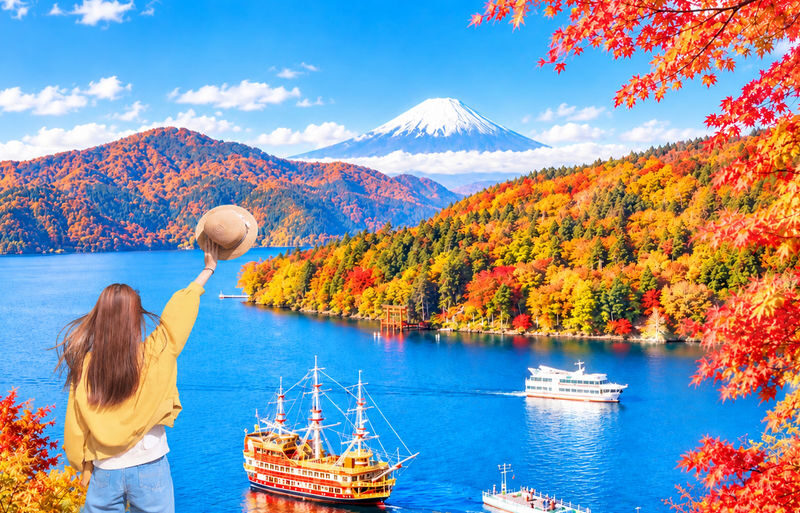
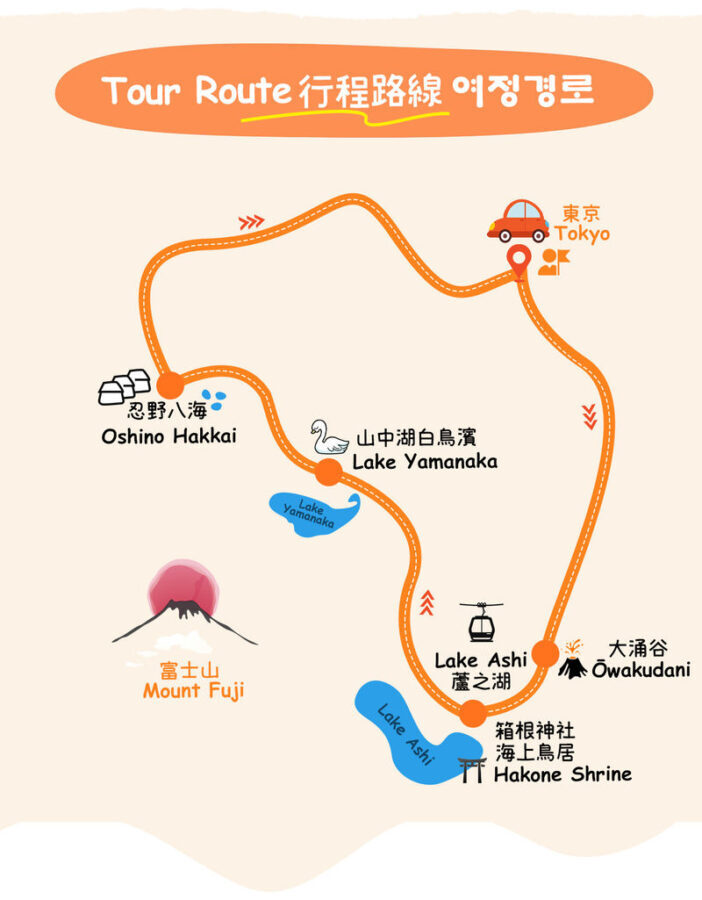
The tour’s land, sea, and air theme is a useful way to understand the day. On land, you visit Hakone Shrine, Lake Yamanaka, and Oshino Hakkai. On the water, you can take the Lake Ashi sightseeing cruise. In the air, the Hakone Ropeway carries you over the volcanic slopes.
That variety is the main reason to book. Planning these stops independently means coordinating transport across a wide area, while this tour bundles them into a single day with round-trip transfers. The catch is that the schedule is built for coverage, not long visits. Expect short stops, set departure times, and some flexibility if traffic or weather disrupts the plan.
The listed price starts at $49.29, which can be good value for a full day of transport and an included ropeway ride. But it is not the whole trip cost: the boat, meals, and personal purchases are extra. The final price also depends on the package you choose, so compare options before booking rather than treating the starting price as an all-in total.

👉 See our pick of the 3 Best Tours In Fujiyoshida
Hakone Shrine and the Lake Ashi torii
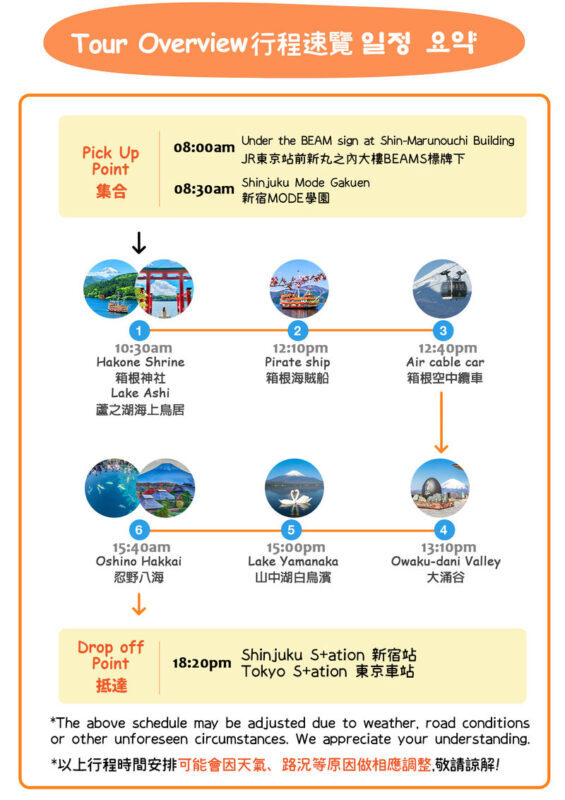
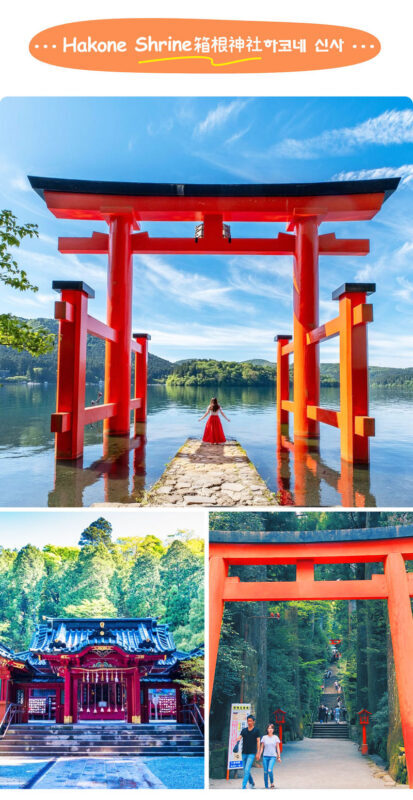
The day is scheduled to reach Hakone Shrine around 9:50, with about an hour for a self-guided visit. Tall cedar trees shade the shrine approach, and the site connects the mountain scenery with Japan’s tradition of sacred mountain worship. If you enjoy taking a little time to notice the setting, the path offers a quieter start before the busier lake and ropeway stops.
The famous red Heiwa no Torii stands at the water’s edge in Lake Ashi. It is a striking photo subject, but access conditions matter: the tour information says the attraction is currently closed for close-up visits, with photographs possible from a distance. That status may change, so check before you go, and do not plan on walking right up to the gate.
The shrine stop is self-guided, so use the time as you prefer: visit the grounds, take photos, or simply enjoy the wooded approach. The itinerary warns that capacity or weather may lead to changes or skipped stops. Keep your expectations flexible, especially if the shrine and torii are high on your list.
You can also read our reviews of more tours and experiences in Fujiyoshida.


Lake Ashi by pirate ship, if you choose to pay
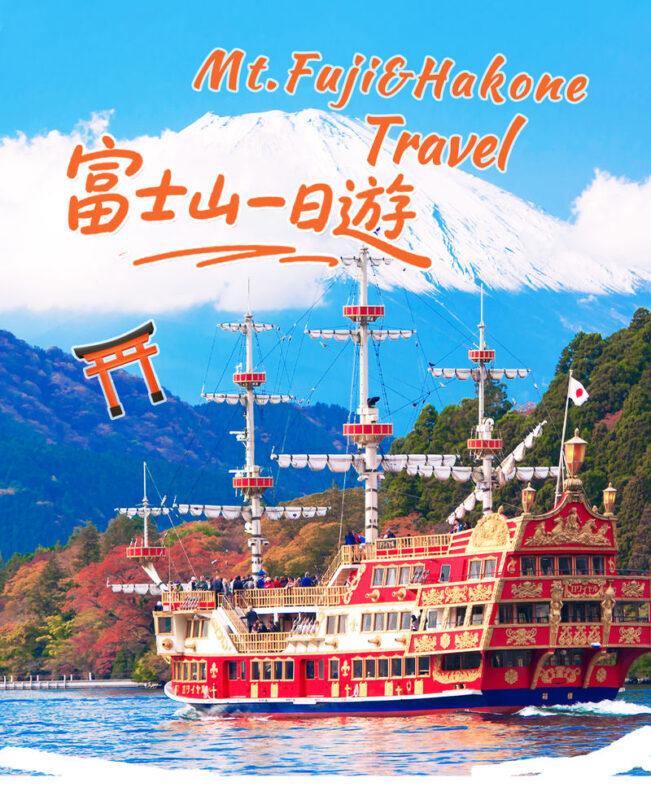
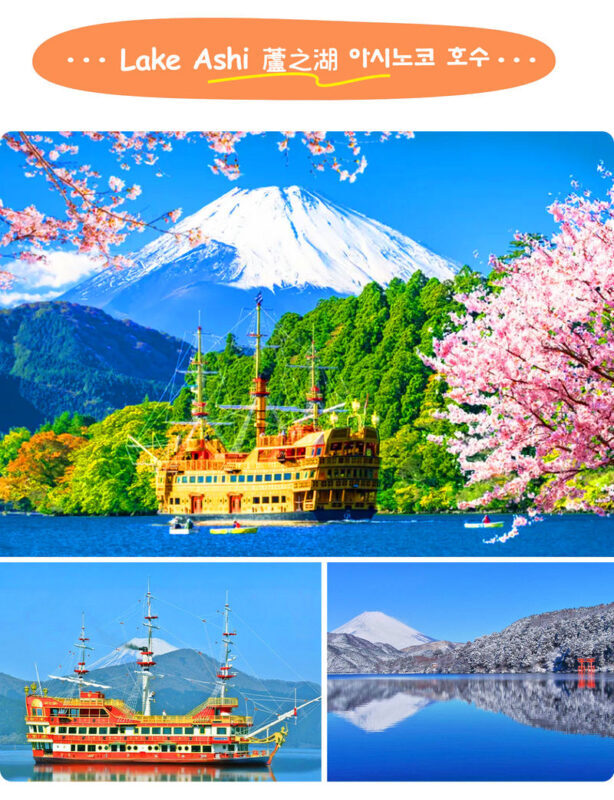
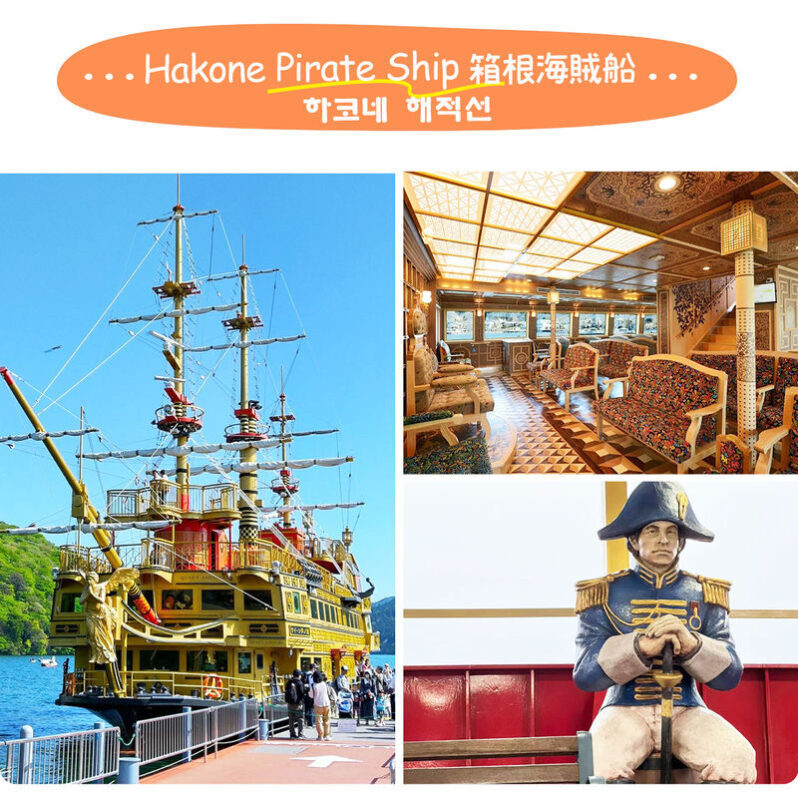
From Moto-Hakone Port, the tour recommends crossing the lake on the Hakone Sightseeing Cruise, often called the pirate ship. The ride to Togendai Port takes about 30 minutes. From the deck, you get a different angle on the lake and surrounding mountains, with the torii and Mount Fuji potentially visible when conditions cooperate.
The boat ticket is not included. The listed one-way fare is ¥1,700 per person, so bring this into your budget if the cruise is part of the appeal. If you skip it, the vehicle takes you to Togendai Ropeway Station instead. That is a practical fallback, though you will miss the water-level view and the distinctive ship ride.
The schedule leaves limited room for delays, so follow the guide’s instructions about where and when to rejoin the group. A cruise can be a highlight, but it is not worth missing the rest of the day over a ticket or timing misunderstanding. Confirm the plan with your guide at the port.
The Hakone Ropeway and Owakudani’s volcanic ground
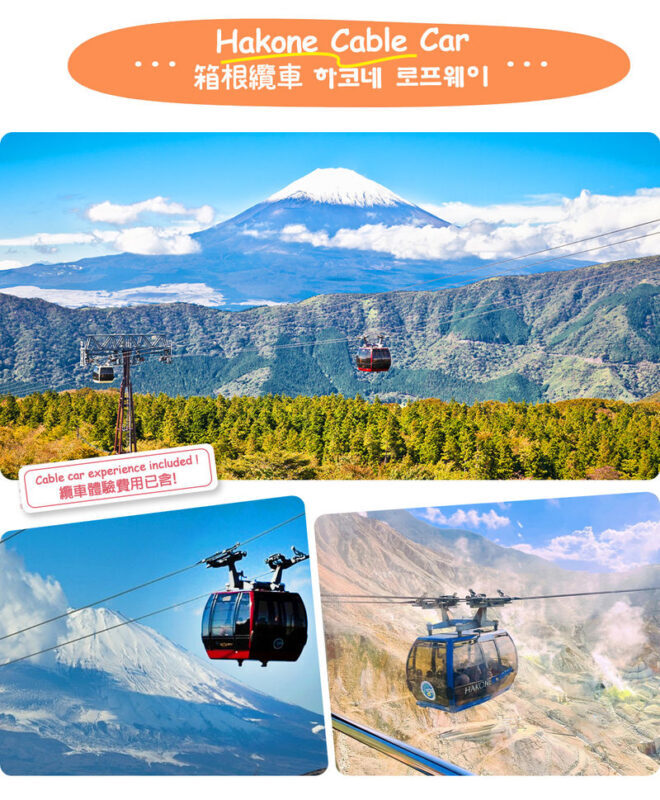
The ropeway from Togendai toward Owakudani is included, and the ride is one of the strongest parts of the itinerary. From the cabin, you look down over Hakone’s volcanic terrain; on a clear day, Mount Fuji may appear in the distance. The route gives you a sense of the region’s scale that is hard to get from the road.
At Owakudani, the volcanic activity is the main event. Steam rises from vents across the crater area, and the ground has a stark, otherworldly look. You have about 50 minutes for this stop, enough to see the key sights and browse for food, though it is not a leisurely visit.
The famous black eggs are sold here, and local lore says eating one adds seven years to your life. Treat that as a bit of local folklore, not a health guarantee. Food is available at Owakudani, but the group also has a separate lunch stop later, so check your timing and appetite before buying a full meal.
Weather can affect the ropeway and other outdoor activities. In severe conditions, operating hours or access may change, and the tour can adjust the plan for safety. If the ropeway is a priority, remember that its fare is covered, but no particular view is guaranteed.
Lunch, with costs and choices to consider
The itinerary sets aside roughly 50 minutes for lunch, with the time and location arranged on the day. The guide may recommend a restaurant, while the stated options include fried chicken or a vegetarian meal for ¥1,500, and wagyu beef or eel for ¥3,000. All-you-can-drink beverages are listed at ¥500. These are optional purchases, not part of the tour price.
You can also bring your own lunch or buy food at Oshino Hakkai. That flexibility is useful if you have dietary preferences or would rather keep costs down. Ask what the meal arrangement involves before ordering, particularly if you want a sit-down meal or need a specific dietary option. One important practical point: the stop is short, so do not expect a slow, multi-course lunch.
Food arrangements are one area where the experience may vary by package and day. The tour’s low starting price can look less attractive once you add a paid meal and the boat. If you prefer full control over what and where you eat, bringing something simple may be the easier choice.
Lake Yamanaka’s swans and the Fuji backdrop
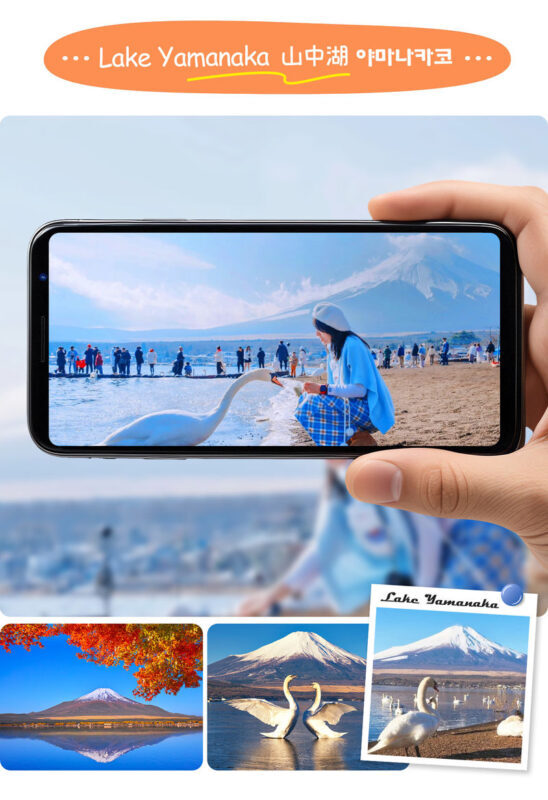
Around 15:00, the tour stops for about 20 minutes at Shiratori Beach, beside Lake Yamanaka. The lake is known for the swans that gather there, and the shore gives you another chance to frame Fuji behind the water and birds. The scene is quite different from Hakone: open lake views replace the shrine woods and volcanic slopes.
The swans are accustomed to people and are often fed by visitors, but this is still a brief photo stop rather than a long wildlife visit. Keep an eye on the clock and stay with the group. If Fuji is hidden by cloud, the lake and birds still give you something to see, but the classic mountain backdrop is never certain.
This stop is especially appealing if your aim is to collect varied photos in a single day. You will not need to choose between a lake, a shrine, a volcano, or a traditional village setting. The compromise is the short time at each.


Oshino Hakkai’s clear spring pools
Oshino Hakkai is the final major stop, scheduled for about 40 minutes from 15:40. Its name refers to eight clear springs formed by snowmelt filtered through Mount Fuji. The pools and village setting make this a gentler finish after the geothermal sights, and the clear water can reflect the sky and, when conditions allow, the mountain.
The limited time is worth noting. One visitor wanted longer to wander the village, which is a fair concern: 40 minutes gives you a quick look, not an unhurried visit to every corner. Decide early whether you most want the spring pools, photos, or a snack, then spend your time accordingly.
As at Lake Yamanaka, the Fuji view depends on cloud and visibility. The tour notes that visibility is often lower in summer, so a clear forecast is helpful but cannot promise a clear summit. The springs remain part of the visit even if the mountain is playing hide-and-seek.
Guides, buses, and the long ride from Tokyo
The day begins at a meeting point in Tokyo and includes round-trip transfers. The standard meeting-point tour can include a shared vehicle with groups of different languages, and group size is listed as four to 48. Other packages include a small-group hotel pickup for four to nine people and a chartered 10-seat vehicle for up to nine guests. These are distinct options, not features to assume come with the base fare.
Guide language also depends on the package. Options include English, Mandarin, Korean, and other listed language combinations. Guides such as James, Jack, Yuan Yang, Wonyang, and Zhan Jie have been praised for clear explanations, friendly help, photo assistance, and keeping the long ride lively. Names are examples, not a promise about who will lead your departure.
A guide can make a packed day easier to follow by explaining where to go, when to return, and what to look for at each stop. The strongest accounts describe organized timing and helpful briefings. Still, service can vary, and one sharply negative account described rushed stops and little commentary on a chartered trip. If a guided explanation is central to your plans, choose a package with a stated guide language rather than assuming every driver provides the same service.
The return is estimated between 17:45 and 19:00, depending on traffic and weather. The road journey can run late, so do not schedule a timed activity that evening. The tour operator says arrival times are estimates and that it is not responsible for costs caused by delays.
What the price buys, and what it does not
At the starting price, the tour’s value lies in the distance covered. You get transport between Tokyo and several far-flung stops, plus the Hakone Ropeway fare. If you tried to visit all these places independently in one day, you would need to work out several connections and keep close track of the clock.
The costs that sit outside the fare are easy to overlook. The Lake Ashi cruise is ¥1,700 per person, lunch is optional and separately priced, and drinks or souvenirs add more. If you take the cruise and buy a meal, compare the final total with the more expensive small-group or private-vehicle packages before deciding.
This is a coverage-first day trip. It offers good value if you want a guided route through Hakone and Fuji-area highlights and accept brief stops. It is less suitable if you want a long shrine visit, a slow lunch, or hours at Oshino Hakkai. For that, an overnight stay or a more focused outing may suit you better.
Practical booking notes before you go
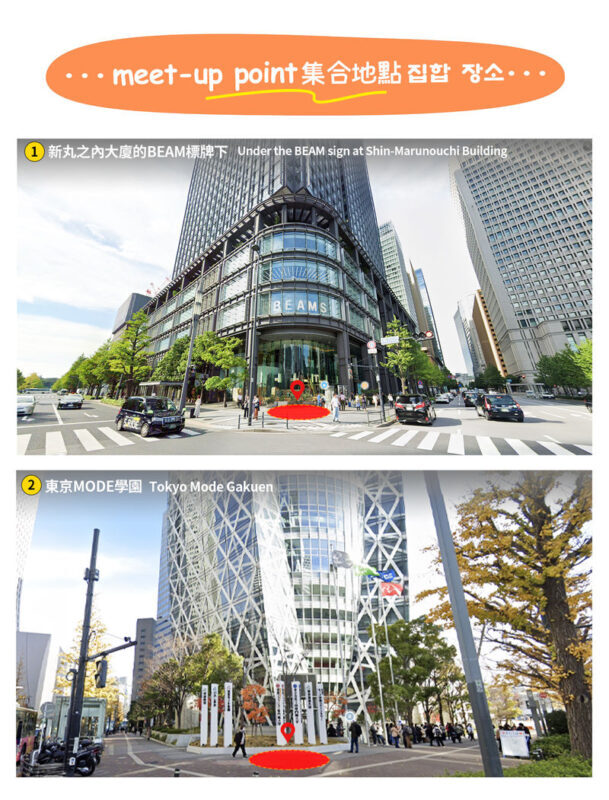
There are two listed Tokyo meeting locations: beneath the BEAMS sign at the Shin-Marunouchi Building by Tokyo Station at 8:00, and outside the SMBC Shinjuku West Branch at 8:30. Your selected package determines the meeting point and time, so check your booking details rather than relying on a general schedule. Arrive at least 10 minutes early; late arrivals and no-shows are not refunded.
The tour sends vehicle and guide information by email between 20:00 and 21:00 the evening before. Check your spam folder, and use the latest message if more than one arrives. The departure time can shift in peak season or special circumstances, so keep the evening before clear enough to read the update.
Each person may bring one piece of luggage, but you must note it when booking. Children aged three and older pay the adult rate; children aged zero to two may join free if they do not need a separate seat. Participants aged 70 or older and pregnant participants must complete a liability waiver as part of registration.
Should you book this Hakone and Mount Fuji tour?
Book it if you want one efficient day that combines a shrine, a lake cruise option, a ropeway, volcanic scenery, swans, and Fuji-fed springs. It makes particular sense for a first visit when you would rather leave the driving and route planning to someone else. The ropeway fare helps the value, and a strong guide can make the long ride useful as well as entertaining.
Think twice if you want a private, unhurried day at the base price, or if seeing Mount Fuji clearly is your only reason to go. The weather can hide the mountain, the standard group may be large, the boat costs extra, and every stop has a clock attached. If those trade-offs work for you, choose the guide language and transport package that fit your needs, budget for the boat and food, and keep the return evening open.
Mt. Fuji & Hakone | Lake Ashi Floating Torii Gate, Lake Yamanaka, & Owakudani “Land, Sea, and Air” Exploration Tour (Complimentary Hakone Ropeway) | Departing from Tokyo/Shinjuku
“I recommend this trip if you want to see mount fuji and you have to visit swan lake”
FAQ
Is the Hakone Ropeway included in the tour price?
Yes. Admission to the Hakone Ropeway is included.
Is the Lake Ashi pirate ship included?
No. The sightseeing cruise costs ¥1,700 per person for a one-way ride from Moto-Hakone Port to Togendai Port. If you do not take it, you travel to the ropeway station by car.
Is lunch included?
No. Meals and drinks are at your own expense. The tour lists optional meal choices and prices, and you may bring your own lunch or buy food at Oshino Hakkai.
Where does the tour depart from?
The listed meeting points are under the BEAMS sign at the Shin-Marunouchi Building by Tokyo Station at 8:00, or outside the SMBC Shinjuku West Branch at 8:30. Your package and the email sent the night before confirm which applies.
When should I expect to return to Tokyo?
The estimated return time is between 17:45 and 19:00. Traffic and weather can cause delays, so avoid booking another activity that evening.
Can I be sure I will see Mount Fuji?
No. Visibility depends on weather and is lower in summer. The tour visits several Fuji-viewing locations, but a clear view is not guaranteed.
What is the cancellation policy?
A full refund is available if you cancel at least 24 hours before the activity date, based on local time. Late arrivals and no-shows are not refunded.
Can I bring luggage or a small child?
Each person may bring one piece of luggage, but you must note it when booking. Children aged zero to two may join free if they do not occupy a separate seat; children aged three and older pay the adult rate.