Mount Fuji is the star, but the day’s real appeal is seeing it framed in several different ways: above the red Chureito Pagoda, beside Lake Kawaguchi’s seasonal flowers, and beyond the streets and ponds of the Fuji foothills. For about $49.29, a bus handles the long ride from Tokyo and connects the main sights in one day.
I like two things in particular: the range of photo settings, from a famous pagoda view to clear spring-fed ponds, and the seasonal flower stops, which give you a different reason to visit in spring, summer, or autumn. Guides such as Alex, Olivia, and Wanting have drawn praise for clear timing instructions, friendly help, and switching languages for mixed groups.
The tradeoff is pace. You get roughly 20 to 60 minutes at each stop, and weekend traffic can squeeze that time further. Mount Fuji may also disappear behind cloud, so this is a convenient way to reach the region, not a guarantee of the postcard view.
- The quick take
- A Tokyo departure, then a full day at Fuji
- Arakurayama Sengen Park: pagoda, town, and mountain
- Hikawa Clock Shop: a street-level Fuji view
- Oshino Hakkai: clear water and village details
- Lunch: keep your choices simple
- Oishi Park: flowers with Fuji across the lake
- Lawson by Kawaguchiko Station: popular, quick, and crowded
- What the price buys, and what it does not
- Timing, weather, and small practical details
- Who should book this Fuji day trip?
- FAQ
- How long is the tour?
- What is included in the price?
- Is the shibazakura festival admission included?
- What flowers can I see at Oishi Park?
- Will Mount Fuji be visible during the tour?
- Is lunch included?
- Can I bring luggage?
- Is the tour accessible for wheelchairs or strollers?
- The Best Of Fujikawaguchiko!
- More Tours in Fujikawaguchiko
- More Tour Reviews in Fujikawaguchiko
- Not for you? Here's more nearby things to do in Fujikawaguchiko we have reviewed
The quick take
- Chureito Pagoda gives you the classic Fuji frame: Arakurayama Sengen Park pairs the red five-story pagoda with Mount Fuji and the town below. The viewpoint involves a steep climb, with one account describing nearly 400 steps.
- Flower stops change with the calendar: Spring options include cherry blossoms and, on the seasonal route, shibazakura near Lake Motosu. Oishi Park is known for summer lavender and other flowers, autumn kochia, and winter views.
- Oshino Hakkai offers a quieter contrast: Its clear ponds and old-style village setting feel different from the busy photo stops.
- The bus makes a complicated day manageable: Round-trip transport, tolls, parking, and fuel are included, which saves you from arranging several connections yourself.
- Expect a fixed schedule, not a leisurely wander: The stops are self-guided and timed. A crowded Lawson photo spot or traffic delay can make the day feel especially quick.
- Budget for extras: Lunch and drinks are not included, and the Lake Motosu shibazakura festival charges about 1,000 yen admission when that seasonal option is used.

👉 See our pick of the 4 Best Private Car With Driver Services in Fujikawaguchiko
A Tokyo departure, then a full day at Fuji
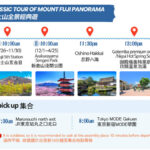
The tour runs about 10 hours, with departures listed at 8:00 or 8:30 and return points that may include Shinjuku Mode Gakuen or Tokyo Station. The meeting instructions ask you to arrive 15 minutes early. Check your departure details carefully, since the assigned meeting and return point can vary.
Once you leave Tokyo, the bus takes the strain out of reaching several far-flung stops in one day. You avoid planning train and local bus connections, and the included tolls, parking, and fuel help explain the low starting price. In exchange, you travel on the group’s timetable and share the vehicle with other passengers.
The guide and driver are listed in English, Chinese, or Japanese. The exact guide varies by departure; names praised on recent trips include Alex, Olivia, Rachel, and Wanting. Some guides have managed mixed-language groups, kept everyone clear on meeting times, and helped with practical matters such as photos or a misplaced phone. The most useful guide skill on a day like this is often keeping a large group moving without making the stops feel confusing.
The tour may use a smaller vehicle depending on group size. That can make the day feel more flexible, but it does not turn the outing into a private tour. The route remains fixed, and the guide may adjust the order or omit a stop because of traffic, weather, crowds, or site controls.
You can also read our reviews of more tours and experiences in Fujikawaguchiko.


Arakurayama Sengen Park: pagoda, town, and mountain
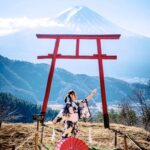
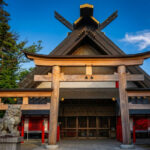
Arakurayama Sengen Park is the big opening image: Mount Fuji in the distance, the vermilion Chureito Pagoda in the foreground, and the town spread below. It is one of Japan’s most recognized Fuji views, and for first-time visitors it delivers the famous composition without requiring you to work out your own route.
The viewpoint takes effort. You should be ready for a steep climb and many steps, with nearly 400 reported by one person who made the ascent. Allow your legs time, wear shoes you can walk in, and do not count on spending the entire stop at the top. The scheduled hour includes getting up and down as well as taking photos.
This stop is especially rewarding in cherry blossom season, when blossoms add another layer to the view. Autumn foliage and winter snow bring their own colors, though the mountain itself is weather-dependent. If clouds cover Fuji, the pagoda and town still make a worthwhile visit, but the signature three-part composition may be missing.
Hikawa Clock Shop: a street-level Fuji view
The Hikawa Clock Shop area offers a different kind of photograph: a Japanese street leading toward Mount Fuji, with the mountain as a distant backdrop. It is less about a grand viewing platform and more about finding a compelling line through the street scene.
There is an important planning wrinkle: the clock shop appears in the tour’s list of attractions and description, but it is not included as a timed stop in the detailed day schedule. The schedule can also change, and sites may be skipped for weather, capacity, or traffic. If this street view matters most to you, check the specific package and confirm the day’s plan with the guide rather than assuming you will have time there.
Even when included, treat it as a brief photo stop, not a long visit. The appeal is the framing, so a little patience and a clear view down the street matter more than browsing.
Oshino Hakkai: clear water and village details
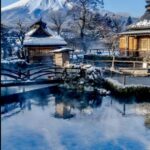
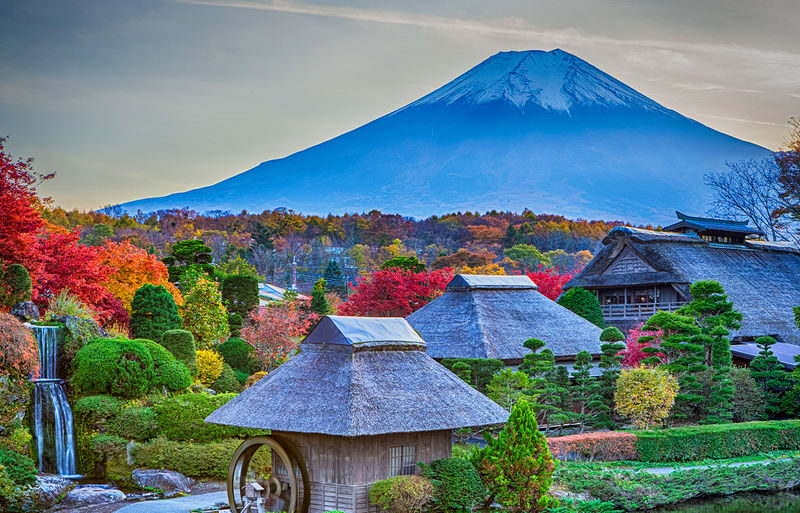
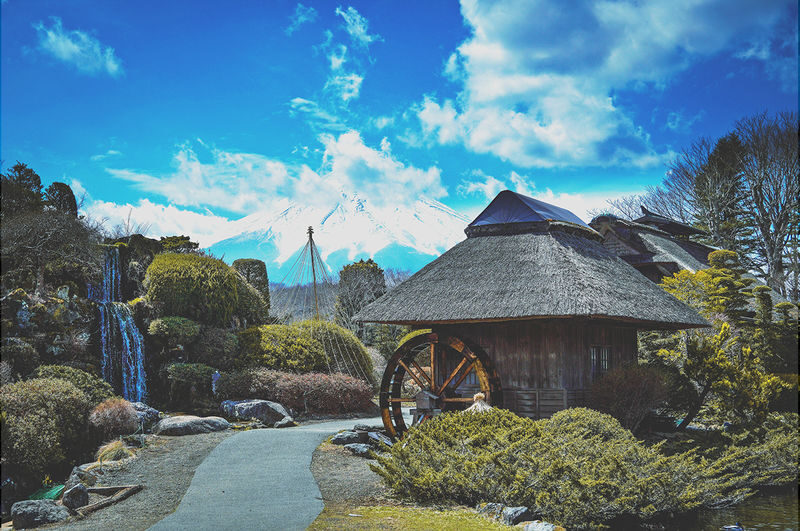
Oshino Hakkai brings a slower, more grounded mood after the elevated view at Arakurayama. The village is known for eight clear ponds fed by Mount Fuji’s snowmelt. On a clear day, the water reflects the sky and surrounding scenery; the traditional-style setting gives you something to notice beyond the mountain.
The stop is self-guided and scheduled for about an hour. That is enough to see the ponds and take photographs, but it may not be enough for a long meal or a leisurely look at every corner. It can also be crowded, especially in peak periods, so keep the meeting time in mind as you explore.
Oshino is a good reminder that a Fuji day need not be only about photographing the mountain. The spring water and village atmosphere provide a change of pace and a sense of the region’s everyday setting. Still, the water’s famous clarity is best appreciated when you have time to pause, rather than racing from one photo point to the next.
Lunch: keep your choices simple
Lunch is not included, and the schedule allows about 30 minutes. The guide may suggest places or arrange a meal stop, but eating is optional. You can choose what suits your appetite and budget, though a short lunch window leaves little room to compare menus or wait for a table.
Some people have found guide-recommended set meals expensive for what they received, while others have enjoyed the arranged food. Fast-food options were also noted around the area. My practical advice is to ask what the meal stop involves and what it costs before committing, and to bring a small snack in case the timing is tight. Drinks and personal purchases are also on your own tab.


Oishi Park: flowers with Fuji across the lake
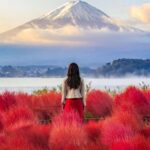
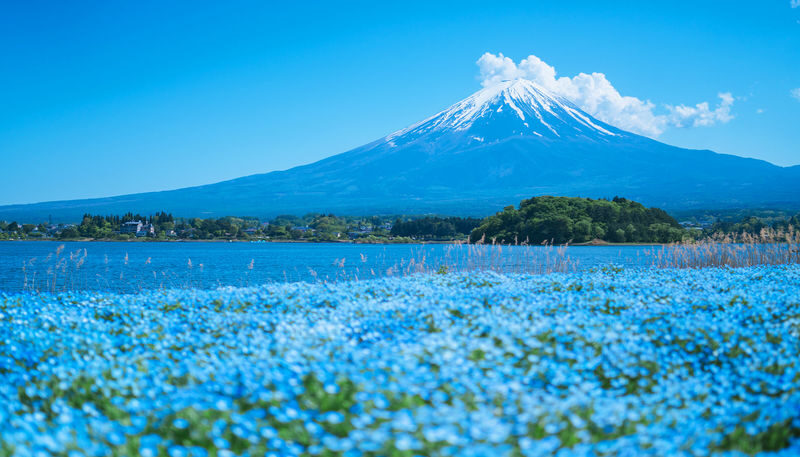
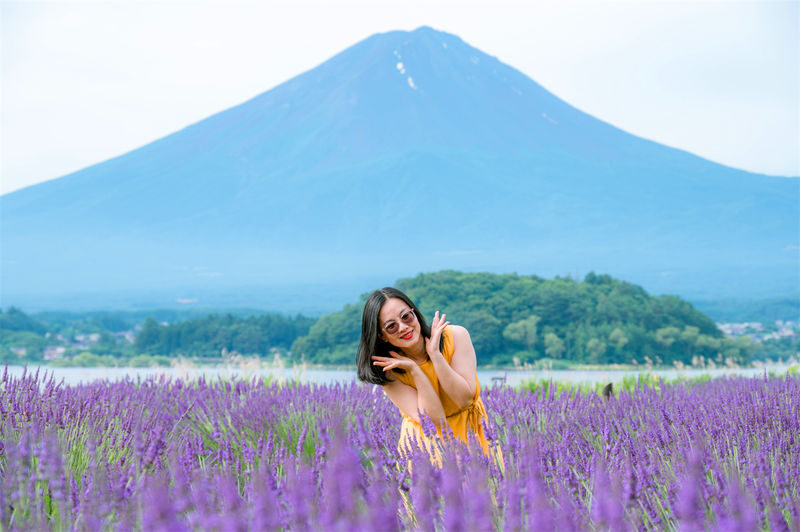
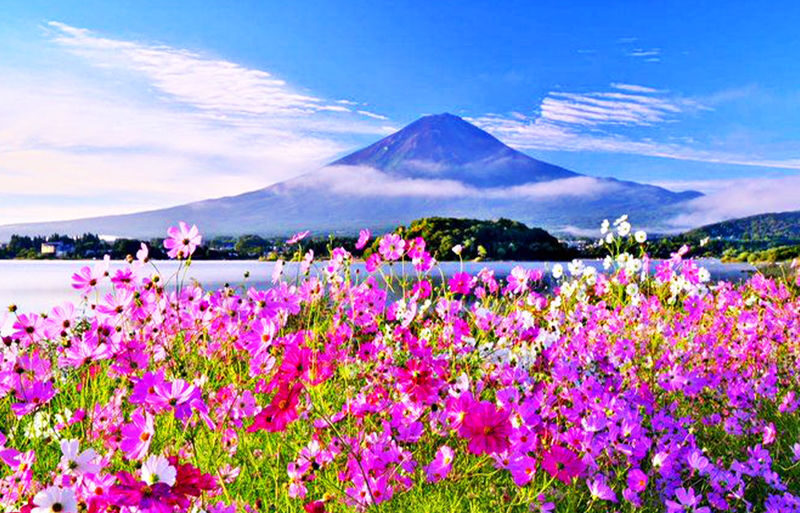
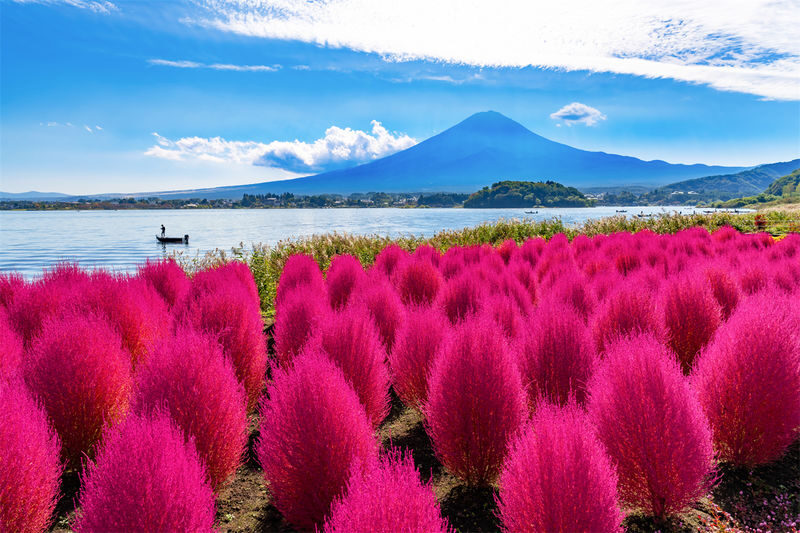
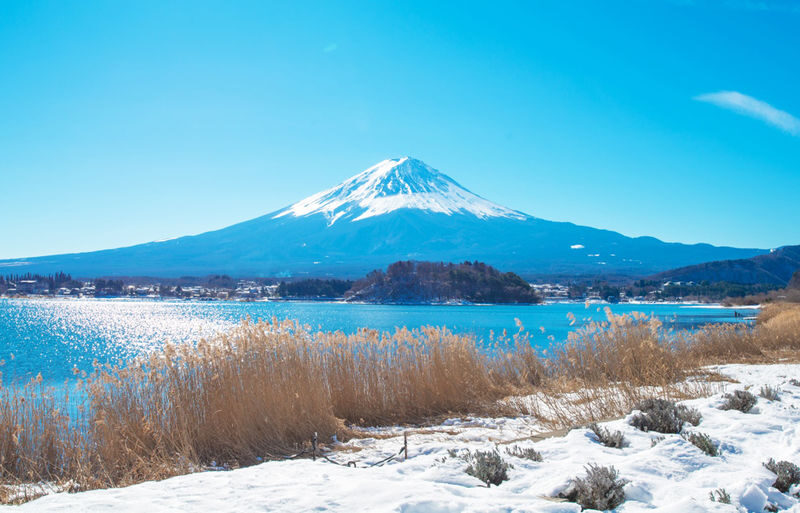
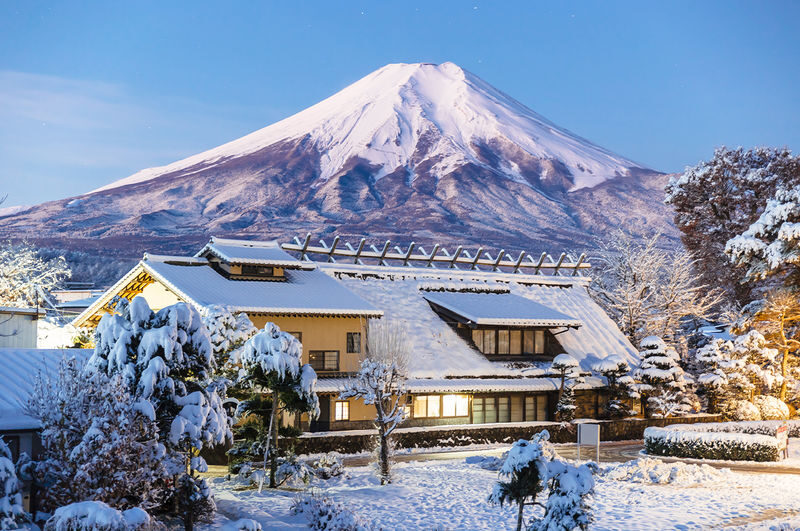
Oishi Park is the main seasonal payoff on the standard Kawaguchiko route. Its lakeside setting puts Mount Fuji beyond the flowers, with the display changing through the year. Lavender generally blooms from June to July; begonias and cosmos are listed from July to September; kochia turns red in October; and winter can bring snow on Fuji.
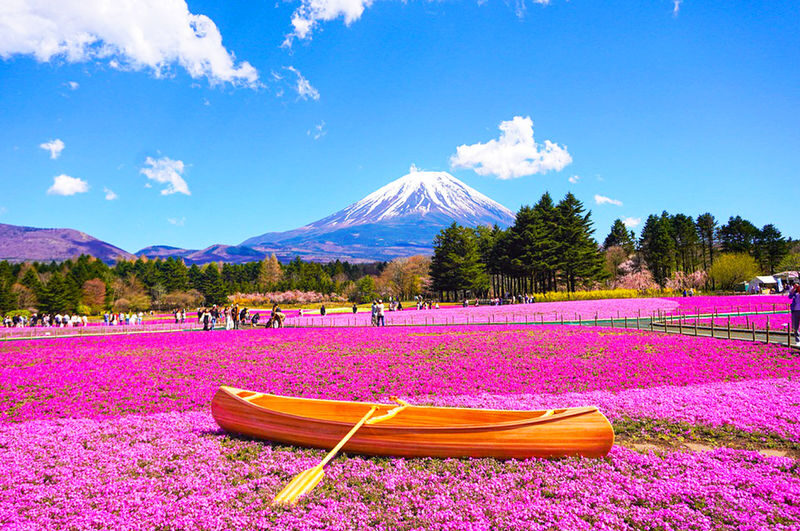
Spring has a different mix. The itinerary describes cherry blossom dates around March 28 to April 12, while a separate seasonal option visits the Lake Motosu Fuji Shibazakura Festival from roughly mid-April to late May. Dates are estimates, not promises. Weather and the year’s growing conditions can shift flowering, and a recent rainy spell was enough to spoil much of the shibazakura display for one group.
The schedule gives Oishi Park about 50 minutes. That is useful for a walk and photographs, but it is not an afternoon among the flowers. The seasonal package can substitute another flower or foliage stop, so confirm which route you are booking. If your main goal is the shibazakura festival, remember that admission, about 1,000 yen, is paid separately and the bloom can be uneven.
Lawson by Kawaguchiko Station: popular, quick, and crowded
The Lawson convenience store near Kawaguchiko Station is famous for its Fuji backdrop. It is a simple, modern scene rather than a traditional Japanese one: the familiar shop sign and street in front, Mount Fuji rising behind. The contrast is exactly why the spot attracts so many cameras.
The scheduled visit is just 20 minutes. Crowds can make it hard to get the clean frame you want, and you may need to wait your turn or settle for a different angle. Keep your expectations modest: this is a quick photo stop, not a scenic walk. Some people would rather give that time to the flower festival, especially when the Lawson area is packed.
What the price buys, and what it does not
At a starting price of $49.29, this tour can be good value if you want transport to several Fuji-area stops without arranging each leg yourself. Round-trip transfers, tolls, parking, and fuel are included, as is a professional guide and driver in the selected language. For a long day beyond Tokyo, those transport costs and logistics matter.
The price does not include meals, drinks, personal purchases, or tips. The shibazakura festival also has a separate admission charge when that route is in use. So the base fare is not your whole day’s cost, but it covers the hardest part to organize: getting between the sights.
You pay for breadth, not depth. The day can fit a pagoda viewpoint, village ponds, seasonal flowers, and a convenience-store photo into one outing, but you will not have hours to linger at any of them. That balance suits a first visit or a short stay in Tokyo. If you want a slow walk, extended time at the festival, or control over every stop, a private or self-planned trip may suit you better.
Timing, weather, and small practical details
The route is vulnerable to traffic, particularly on weekends and during peak flower periods. Delays can shorten the time available at attractions or change the order. The listed return times are estimates, and the actual arrival depends on road conditions. Do not plan a flight, Shinkansen, or important evening activity close to the expected return.
Fuji visibility is the biggest gamble. Clear weather can make the mountain visible from several stops; cloud or rain can hide it for much or all of the day. Flowers are just as seasonal, and peak bloom shifts from year to year. Check the forecast and current flower conditions, but treat both as useful clues rather than guarantees.
Arrive early and watch the guide’s return-time instructions. Late arrivals and no-shows are not refundable. One piece of luggage per person is allowed without charge; extra luggage costs 2,000 yen per piece, and you should declare it when booking. Child seats are not available, and the activity is not stroller- or wheelchair-accessible. Children aged zero to three ride free if they do not need a separate seat.
Who should book this Fuji day trip?
I would book this if you are staying in Tokyo, want to see several well-known Fuji-area sights in one day, and value simple transport over a flexible schedule. It is particularly useful for a first visit, a photography-focused day, or a spring trip built around shibazakura, as long as you accept the extra admission fee and uncertain bloom.
I would think twice if you dislike early starts, have trouble with stairs, need a relaxed lunch, or want plenty of time at each stop. The tour’s strength is its efficient reach; its weakness is the clock. Book it for the range of views and the convenience, not for a guaranteed clear Mount Fuji or a slow-paced day.
Mount Fuji Kawaguchiko Four Seasons Flower Sea: Arakurayama Sengen Park & Hikawa Clock Shop & Oshino Hakkai & Lawson Photo Spot (Departing from Tokyo)
“Our tour was unfortunate because aside from being cloudy, it is pouring rain on the day and the night before, hence the flowers in the Shibazakura…”
FAQ
How long is the tour?
The tour runs for about 10 hours. Departures are listed at 8:00 or 8:30, with return times and locations depending on the selected departure and road conditions.
What is included in the price?
The price includes round-trip transfers from the meeting point, tolls, parking, fuel, and a professional driver-guide. Meals, drinks, tips, and personal expenses are not included.
Is the shibazakura festival admission included?
No. Admission is paid separately and is approximately 1,000 yen per person. The amount is subject to the on-site price.
What flowers can I see at Oishi Park?
Lavender is listed from June to July, begonias and cosmos from July to September, and red kochia in October. Winter visits may offer snow scenery with Mount Fuji. Flower timing varies with the weather.
Will Mount Fuji be visible during the tour?
Visibility depends on the weather. Cloud or rain can hide Mount Fuji, and the tour does not guarantee a clear view.
Is lunch included?
No. Lunch is not included, and the schedule allows about 30 minutes. The guide may suggest dining options, but eating is optional.
Can I bring luggage?
Each person may bring one piece of luggage free of charge. Additional pieces cost 2,000 yen each, and you should note extra luggage when booking.
Is the tour accessible for wheelchairs or strollers?
No. The tour is not wheelchair- or stroller-accessible, and child seats are not available.