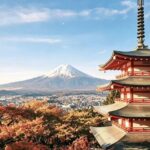
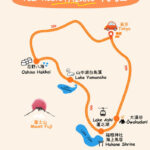
Mount Fuji gives this day its shape: you see it from a pagoda lookout, beside clear springs and across the shores of Lake Kawaguchiko. I like two things in particular: the route links several far-flung sights without asking you to decode rural bus connections, and seasonal stops can add cherry blossoms, summer flowers or autumn leaves to the views. The Chinese-speaking driver-guide is another practical plus.
The tradeoff is a full day with short visits, not a leisurely stay in the Fuji area. Clouds can hide the mountain, traffic can alter the schedule, and the route changes by season. If your priority is unhurried time at one or two places, plan to go independently.
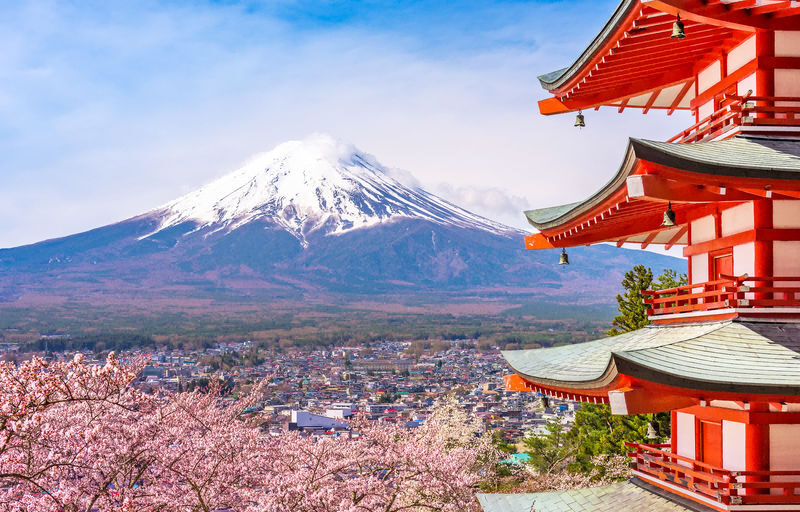
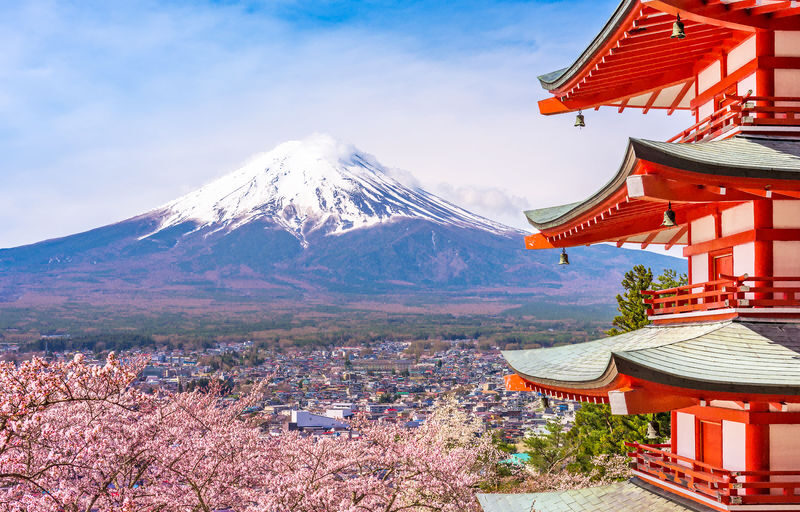
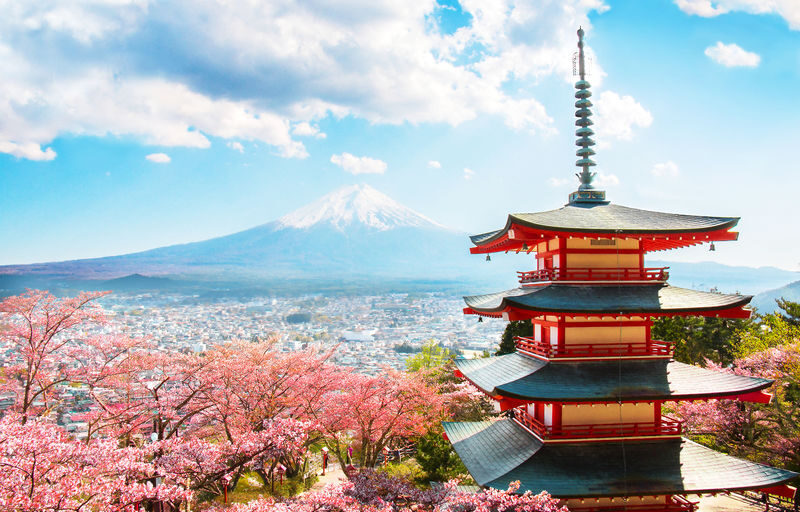
- Arakurayama’s pagoda view: The classic Fuji-and-five-story-pagoda scene, reached after a self-guided visit of about 1 hour 20 minutes.
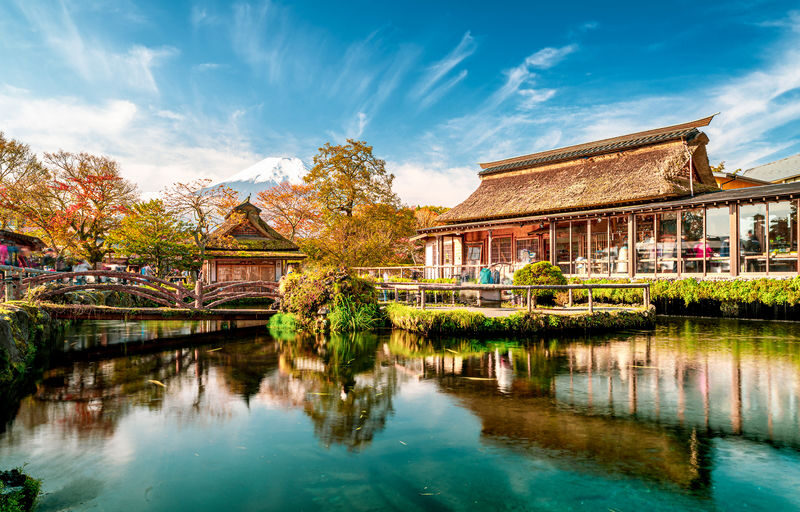
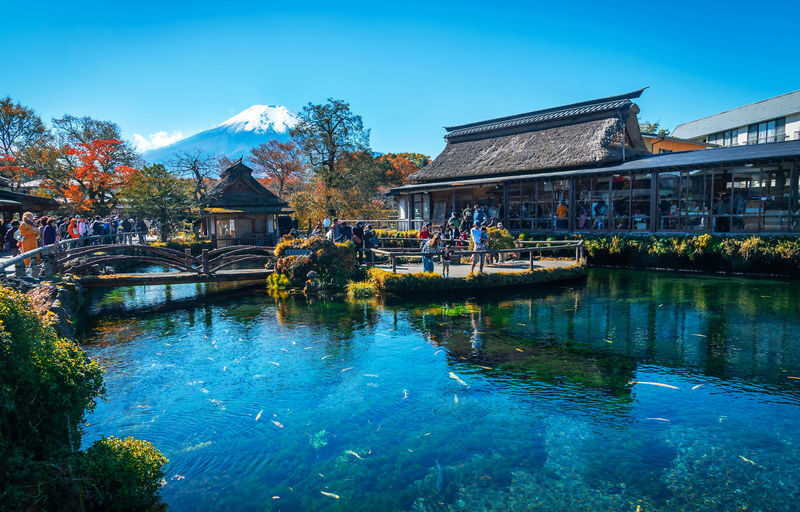
- Oshino Hakkai’s spring-fed ponds: Allow about an hour to see the eight clear pools and find lunch or local snacks.
- Seasonal route changes: Spring may bring cherry blossoms, summer can mean the 5th Station or flower fields, and the Maple Leaf Corridor is listed as a November 1 to 23 substitute.
- Convenient Tokyo transport: Round-trip transfers, road fees, parking and fuel are included. Some options add hotel pickup and drop-off.
- A weather-dependent view: Fuji can disappear behind clouds. Bring rain gear and treat the mountain itself as a welcome possibility, not a guarantee.
- A full day built around Fuji views
- Arakurayama Sengen Park: the famous pagoda frame
- Hikawa Clock Shop and the street that points to Fuji
- Oshino Hakkai: eight clear pools and a good lunch break
- Seasonal flowers, blossoms and autumn color
- Lawson: a familiar storefront with an unusual backdrop
- The ride, timing and group choices
- What the price buys, and what it does not
- Practical details before you book
- Should you book this Mount Fuji day tour?
- FAQ
- Where does the tour depart from?
- What time does the tour leave Tokyo?
- When does the tour return to Tokyo?
- Is Mount Fuji’s 5th Station included?
- What seasonal sights might be included?
- Are meals included?
- How much luggage can I bring?
- What is the cancellation policy?
- The Best Of Fujiyoshida!
- More Tours in Fujiyoshida
- More Tour Reviews in Fujiyoshida
- Not for you? Here's more nearby things to do in Fujiyoshida we have reviewed
A full day built around Fuji views
This is a sightseeing circuit, not a single-attraction excursion. You leave Tokyo in the morning, spend the day moving between Fujiyoshida, Oshino and the Lake Kawaguchiko area, then return to Tokyo around 6 pm, with arrival time subject to traffic. A driver-guide handles the roads and the sequence of stops while you get out to explore on your own.
That arrangement matters. The attractions are spread across the region, and doing several in one day by public transport takes planning and can eat into sightseeing time. Here, transfers, tolls, parking and fuel are included. The tour also describes itself as a no-shopping-stop outing, so the day is focused on sights rather than retail detours.
There are several versions, and they are not interchangeable in every detail. The Chinese-language Ginza meeting option starts at $49.30. An English or Korean Ginza option starts at $56.05, while a nine-person small group meeting at Tokyo Station starts at $55.30. The nine-person option with hotel pickup and drop-off starts at $63.20. Check the exact package before booking, especially if group size, language or pickup location matters to you.
The small-group format is appealing if you prefer a more personal ride and easier communication. It is specifically described as a group of nine, while the standard bus option is a separate package. Do not assume every price includes the smaller vehicle or hotel pickup.

👉 See our pick of the 3 Best Tours In Fujiyoshida
Arakurayama Sengen Park: the famous pagoda frame
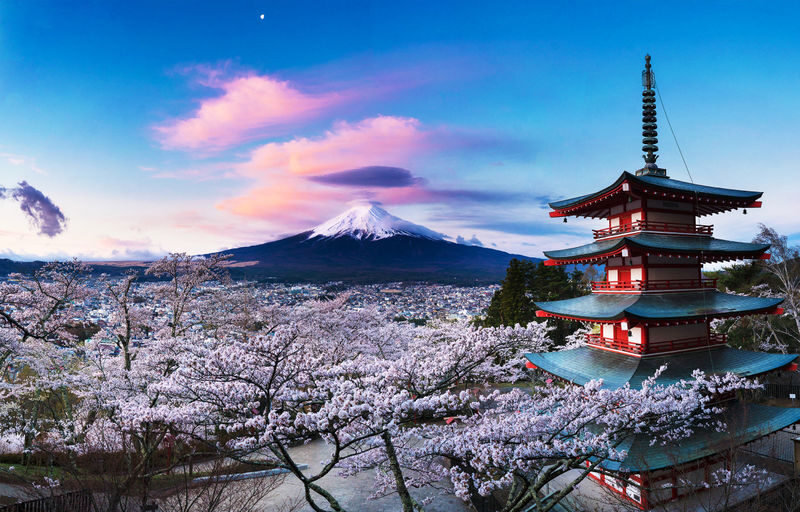
The day’s first listed stop is Arakurayama Sengen Park, with about 1 hour and 20 minutes to explore independently. The familiar view places Mount Fuji behind the red five-story pagoda. In spring, the park’s cherry blossoms add a soft frame; in autumn, foliage changes the color around the scene.
The view comes with a climb. The park’s signature lookout is reached by steps, so take your time, particularly if you want photos from more than one angle. The stop is long enough to enjoy the setting, but it is not an open-ended visit. If the sky is clear, you may want to spend much of the allotted time looking and photographing rather than wandering farther.
This is the sort of place where weather has an outsized effect. Fuji is the star of the composition, and clouds can cover the summit even when the park itself looks pleasant. One useful bit of perspective: a cloudy day does not make the pagoda or the park disappear, but it can change the photograph you came for.
You can also read our reviews of more tours and experiences in Fujiyoshida.


Hikawa Clock Shop and the street that points to Fuji
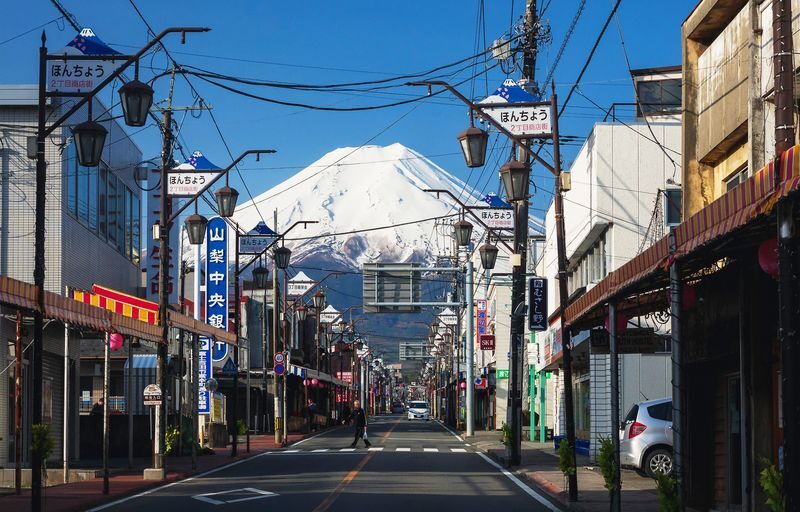
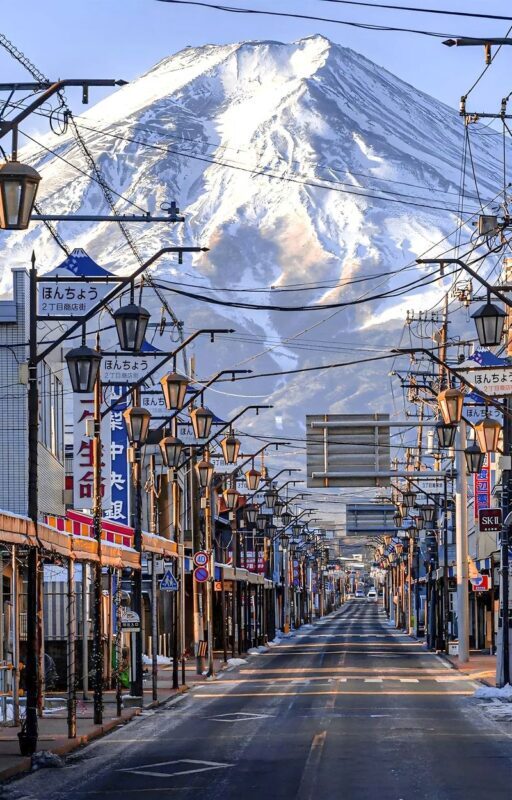
Next comes a brief stop at Hikawa Clock Shop, also called the Nichikawa Clock Shop in the tour description. You have about 20 minutes to see the retro-style street, where the road’s lines lead the eye toward Mount Fuji. It is a quick, distinctive photo stop rather than a long visit.
The appeal is the contrast: an ordinary Japanese street, old-fashioned details and the mountain rising at the far end. You do not need a complex itinerary here. Look for the view down the street, take your picture, and keep an eye on the meeting time. With only 20 minutes, this stop is best treated as a photographic pause, not a chance to browse the neighborhood at length.
Oshino Hakkai: eight clear pools and a good lunch break
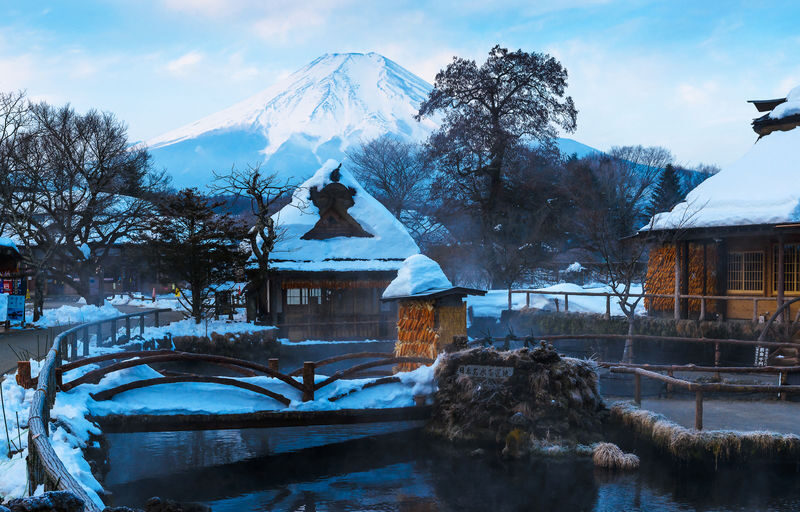
Oshino Hakkai gets about an hour, and it may be the most rewarding stop for anyone who wants more than a postcard view. The village is known for eight clear springs formed from Mount Fuji snowmelt, and the water is the main attraction. Walk among the ponds and traditional village setting, then use the time to find something to eat.
The schedule suggests local snacks such as kusamochi and soba. Grilled mochi is another tempting choice, and you can find food around the area. One practical tip: bring an empty bottle if you want to sample the spring water. Keep the hour in perspective, though. You will need to balance the ponds, food and any browsing rather than lingering over each one.
Oshino Hakkai offers a different kind of Fuji experience from the pagoda lookout. Instead of framing the mountain in a single famous view, the stop connects it to water, village life and the landscape around the springs. It can feel quieter and more contemplative, although the area is also a popular stop on a busy sightseeing route.
Seasonal flowers, blossoms and autumn color
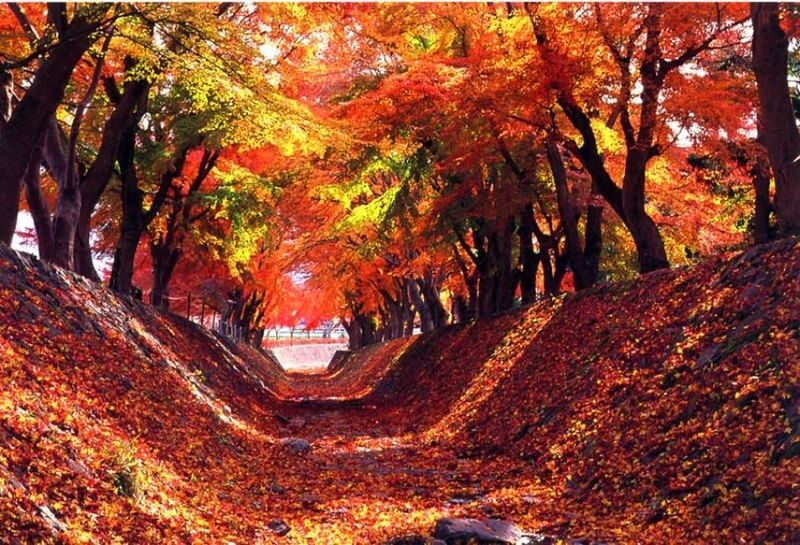
The itinerary includes a 30-minute stop at seasonal flower fields, described as a lakeside park with Mount Fuji views. Oishi Park at Lake Kawaguchiko is presented as an all-season stop, with flower displays that change through the year: cherry blossoms in spring, lavender in summer and kochia in autumn. The route also offers special seasonal experiences, including the Kawaguchiko Cherry Blossom Festival and the Maple Leaf Corridor.
Dates and weather shape what you see. From November 1 to November 23, the listed destination changes to the Maple Leaf Corridor. Other seasonal adjustments may apply, and the tour notes that some attractions can be skipped because of capacity or weather. Do not book on the assumption that every named stop will appear on every departure.
The summer description also promotes Mount Fuji’s 5th Station, where the appeal is the mountain air and a chance to look out from partway up the mountain. But the detailed stop schedule names flower fields rather than the 5th Station. Treat the 5th Station as a seasonal or route-specific possibility, not a guaranteed stop on every package. Confirm the selected route if that visit is central to your plans.
Lawson: a familiar storefront with an unusual backdrop
The Lawson Fujikawaguchiko Town Hall stop lasts about 20 minutes. The draw is the contrast between a familiar convenience store and Mount Fuji rising behind it, a simple street scene that has become a popular photo subject.
This stop is intentionally brief. You are not going for an extended visit inside the shop; you are there for the Fuji composition. If the mountain is visible, the ordinary setting makes the picture feel playful. If clouds cover it, the scene loses much of its point, which is another reason to keep expectations flexible on a Fuji-focused day.


The ride, timing and group choices
The tour gathers in Tokyo at 8 am and asks you to arrive five minutes early. The departure details also say the vehicle leaves promptly at 8:20, so check the instructions for your exact meeting point and package rather than cutting it close. The Ginza and Tokyo Station options have different meeting arrangements, and hotel pickup is available only with the relevant package.
You should expect a long day on the road. The return is planned for about 6 pm to 6:30 pm, but traffic can shift that timing. The route’s value is that you do not have to make the connections yourself. The cost is less flexibility: each stop has a fixed window, and a delay on the road can affect the day’s pace.
The driver-guide provides Chinese service on the Chinese packages. The information also describes English and Korean service for one Ginza option. No individual guide is named, so you should not expect to select a particular person. The tour sends guide details by email around 6 pm the evening before, and communication may also happen through a group on WeChat or LINE. Check your inbox and spam folder, and follow the instructions for joining the group if they apply to you.
What the price buys, and what it does not
At $49.30 for the Chinese Ginza collection package, the main value is transport between several widely spaced stops. Toll fees, parking and fuel are included, along with the round-trip transfer from the meeting point. For a first visit, that can be a sensible way to see a range of Fuji-area sights in one day without arranging each leg yourself.
The upgrade to a nine-person group or hotel pickup costs more. It may be worth it if you want a smaller vehicle or prefer to be collected at your accommodation, but compare the exact package inclusions before paying. The lower price does not include meals, drinks, accommodation, personal expenses or any applicable admission tickets.
This is a good-value tour if you want variety and convenience. It is less compelling if your ideal day means staying by the lake for hours, taking a long lunch or waiting for perfect light. The schedule moves on, and scenic stops are subject to weather and capacity.
Practical details before you book
The tour is not recommended for pregnant participants, and participants must be under 70. Infants and children count toward the passenger headcount, and children aged zero and up are charged the adult rate. The vehicle allows one standard-sized piece of luggage per person.
Bring rain gear, sun protection, a power bank and a little food if you want a backup between stops. Weather can change the experience, and the schedule may change with traffic or conditions. The operator may cancel for extreme weather or other unforeseen events, with a choice to reschedule or request a full refund. If you cancel at least 24 hours before the activity date, the stated policy allows a full refund; late arrival of five minutes or more is not refundable. The tour may be rescheduled or refunded if fewer than four people sign up.
Should you book this Mount Fuji day tour?
Book it if you want to see several classic Fuji-area sights in one day and would rather leave the transport to someone else. It is especially useful for a first visit, for anyone who values Chinese-language service, and for people who want a choice of standard bus, small group or hotel pickup.
Skip it if you want a slow, flexible day, or if seeing Fuji clearly is the sole reason for going. No ground tour can promise a clear summit. Before booking, confirm the seasonal route and whether the 5th Station is included in your chosen package. If the route matches your priorities, this is a practical way to collect several very different views of Japan’s best-known mountain.
Mount Fuji Classic Day Tour: Arakurayama Sengen Park/5th Station & Lake Kawaguchiko for Cherry Blossoms in Spring and Autumn Leaves in Autumn. Round trip from Tokyo. Hotel pickup and drop-off can be added. (Chinese service)
“bad weather.. rain whole day.. cannot see anythinh..”
FAQ
Where does the tour depart from?
Meeting options include Ginza and Tokyo Station. A separate package offers hotel pickup and drop-off. Check your selected package for its exact meeting point.
What time does the tour leave Tokyo?
The instructions say to gather at 8 am, arrive five minutes early, and depart promptly at 8:20. Confirm the details for your chosen package before travel.
When does the tour return to Tokyo?
The planned return is around 6 pm to 6:30 pm. Traffic may change the arrival time.
Is Mount Fuji’s 5th Station included?
The 5th Station is described as a summer route option, but it is not named in the detailed stop schedule. Confirm with the operator that it is included in your selected departure.
What seasonal sights might be included?
The route may feature cherry blossoms in spring, summer flowers or the 5th Station, and autumn foliage. From November 1 to November 23, the destination is listed as the Kawaguchiko Maple Leaf Corridor. Stops can change due to weather or capacity.
Are meals included?
No. Meals and drinks are not included. Oshino Hakkai has nearby options such as soba and local snacks.
How much luggage can I bring?
The stated allowance is one standard-sized piece of luggage per person.
What is the cancellation policy?
A full refund is available if you cancel at least 24 hours before the activity date. Late arrivals of five minutes or more are not refundable. If extreme weather or another unforeseen event leads the operator to cancel, you can reschedule or request a full refund.