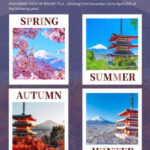
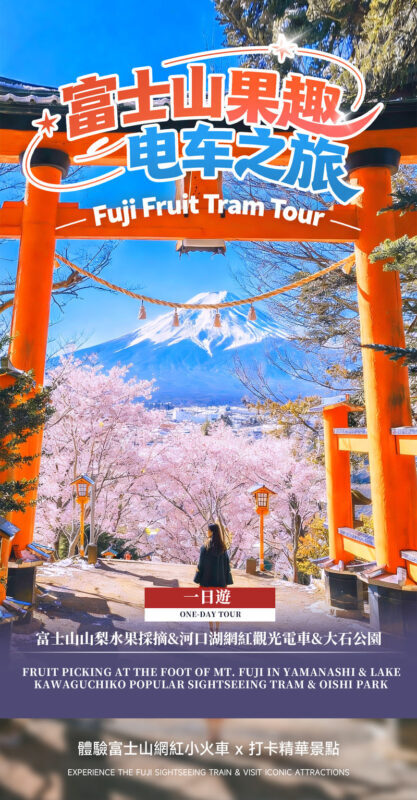
Mount Fuji gets the grand opening here: on warmer months, you head to its 5th Station; in winter, the plan shifts to Arakurayama Sengen Park, where Fuji rises above the town. I like that seasonal switch, and I like the mix of a brief local train ride, flower fields, and fruit picking in one day.
The trade-off is time. You leave Tokyo around 8 a.m. and return around 6 to 6:30 p.m., with long road transfers and short visits at each stop. Fuji can also hide behind clouds, and traffic or weather may change the order or cut an activity short.
- Fuji views change with the season: The 5th Station is scheduled from April 26 to November 30; Arakurayama Sengen Park takes its place from December 1 to April 25.
- The train ride is short but scenic: The Shimoyoshida to Fujisan Station trip takes about six minutes, with fields, towns, and Fuji views along the way.
- Oishi Park puts flowers and Fuji in one frame: Seasonal blooms change through the year, with lavender in midsummer and other flowers in spring and autumn.
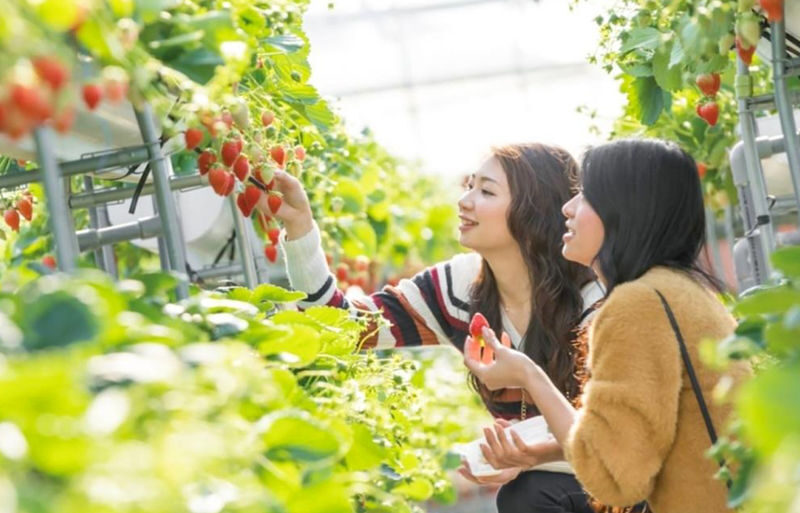
- Fruit picking is seasonal and limited: The farm may offer strawberries, cherries, peaches, grapes, or other fruit. Picking quantities and fees depend on the package and the day.
- You share a vehicle and keep to the group clock: Stops are self-guided, and the guide sets meeting times so the full group can stay on schedule.
- The starting price needs a closer look: Fruit-picking fees are not included in every package, so compare the options before booking.
- A Fuji day built around changing seasons
- The 5th Station or Arakurayama Sengen Park
- A six-minute ride on the Kawaguchiko train
- Lunch near Lake Kawaguchi
- Flower-lined paths at Oishi Park
- Seasonal fruit picking at Yamanashi Fuji Fruit Park
- What the full day feels like
- Is the price good value?
- Who should book this day trip?
- Should you book?
- FAQ
- Does the tour visit Mount Fuji’s 5th Station all year?
- How long is the sightseeing train ride?
- Is fruit picking included in the price?
- What fruit can I pick?
- Where does the tour return in Tokyo?
- Are child seats available?
- More Tours in Fuefuki
- More Tour Reviews in Fuefuki
- Not for you? Here's more nearby things to do in Fuefuki we have reviewed
A Fuji day built around changing seasons
 1 / 9
 2 / 9
 3 / 9
 4 / 9
 5 / 9
 6 / 9
 7 / 9
 8 / 9
 9 / 9
This is a convenient way to see several sides of Yamanashi in one outing. You get a high viewpoint, a countryside train trip, a lakeside park, and a farm stop without arranging separate transport from Tokyo. For families, the changing scenery helps break up a long day in the vehicle.
The route is not a deep visit to any one place. Each attraction has roughly an hour, and the train itself lasts only about six minutes. I’d think of this as a sampler: a good fit if you want several photo stops and a little local flavor, less so if you prefer a slow walk or a full day at the lake.
Fuji’s appearance is the great variable. Clear weather can give you the striking mountain backdrop this trip is designed around; low cloud, rain, or wind can obscure it. The tour continues in poor conditions, and the route may change, so book for the range of experiences rather than a guaranteed perfect Fuji photograph.
The 5th Station or Arakurayama Sengen Park
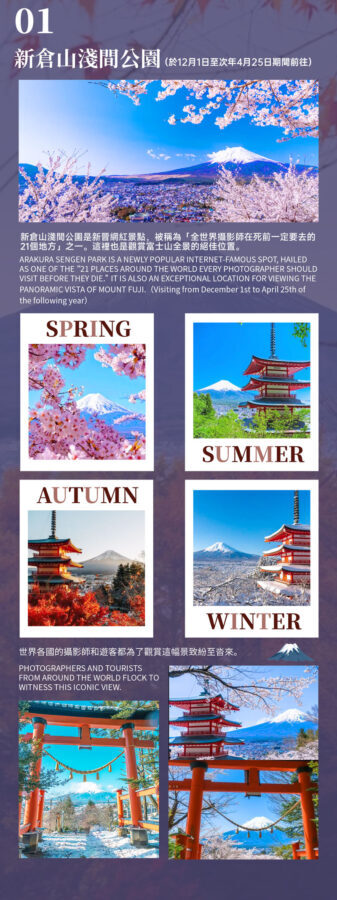
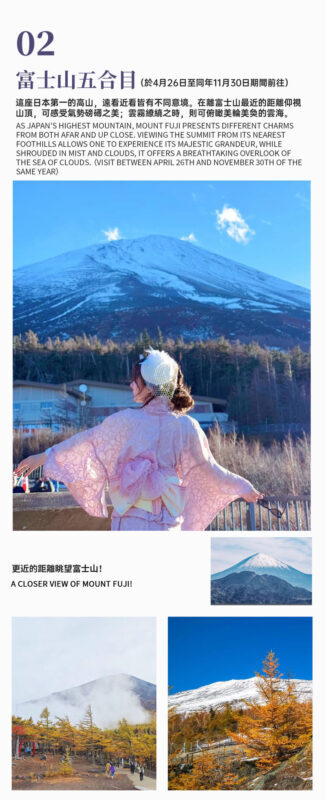
The first major stop depends on the calendar. From April 26 through November 30, the tour goes to Mount Fuji’s 5th Station, where you can see the mountain up close. From December 1 through April 25, it visits Arakurayama Sengen Park instead, a well-known viewpoint for Fuji above the city.
That seasonal choice is practical, not a minor footnote. The 5th Station gives you a closer encounter with the mountain, while Arakurayama offers a broader view that combines Fuji with the town below. In spring, the park may have cherry blossoms; autumn brings foliage, and winter can offer snow. Flowering and leaf color shift with the year’s weather, so treat them as possibilities, not promises.
At Arakurayama, expect some uphill walking and stairs. The time at the stop is about an hour, so you’ll want comfortable shoes and a willingness to keep moving. If your group includes someone who has difficulty walking, note that this tour is not recommended for people with impaired mobility.
The 5th Station is also weather-sensitive. Strong wind, rain, and cloud can make the visit less rewarding, and weather or site controls may lead to a change in the plan. The operator can adjust the route without compensation, so this is not the best choice if you need every stop to happen exactly as advertised.
You can also read our reviews of more tours and experiences in Fuefuki.
A six-minute ride on the Kawaguchiko train
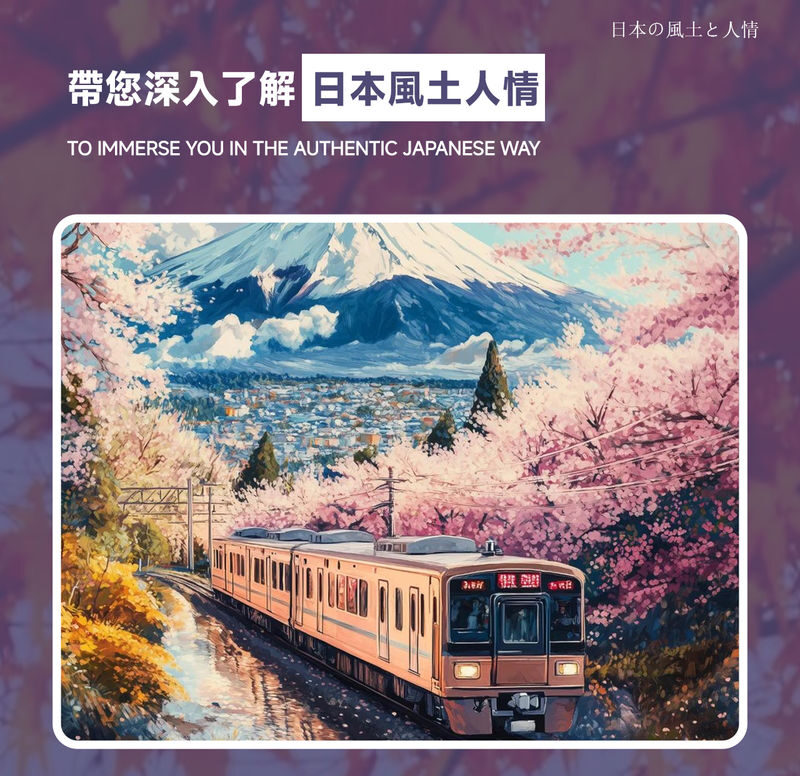
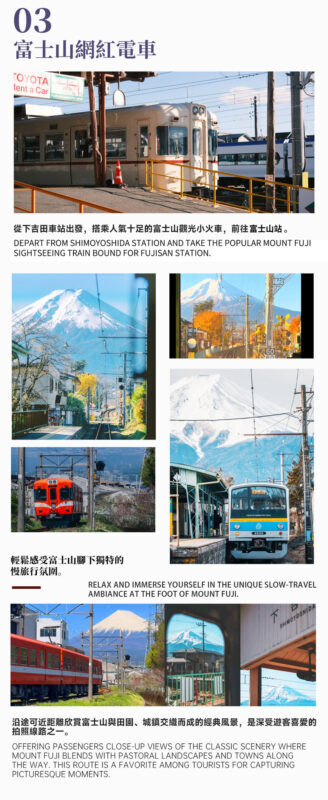
The train segment is a small but appealing change of pace. You travel from Shimoyoshida Station to Fujisan Station for about six minutes, passing fields, town streets, and views of Fuji when the weather cooperates. It’s not a long rail excursion, but it gives you a quick taste of local travel and a different angle on the countryside.
Bring your camera, but keep expectations in proportion. The ride is short, and the train may be replaced with a bus to Fujisan Station if it cannot run. Traffic can also force schedule changes. One sensible way to value this stop is as a bonus rather than the main event.
Lunch near Lake Kawaguchi
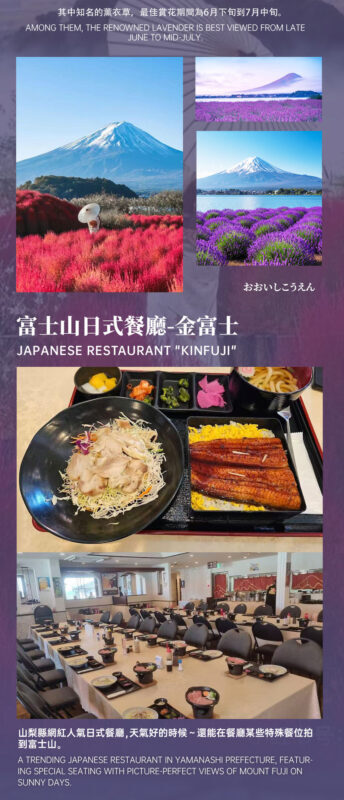
Lunch is scheduled for about 50 minutes, with a Japanese-style restaurant available at your own expense. Some restaurant spots may offer a view of Fuji, but you can also choose other local food. Meals and drinks are not included.
The short break makes advance planning useful. If you have dietary needs, check the restaurant details directly before relying on an arranged meal. The tour information does not promise a particular menu, and a past meal experience included concerns about food quality and an allergy reaction. If you have a serious allergy, don’t assume a verbal assurance is enough: confirm ingredients and cross-contact precautions yourself, or bring food you know is safe.
The restaurant stop can be adjusted as the day unfolds. The group has a fixed route and limited time, so don’t count on a leisurely lunch or a long search for alternatives.
Flower-lined paths at Oishi Park
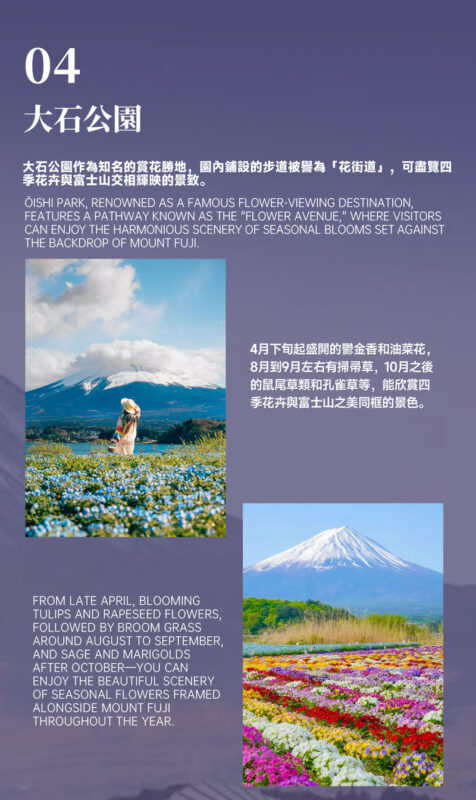
Oishi Park is one of the day’s most photogenic stops. The park’s Flower Street runs along the shore of Lake Kawaguchi, with seasonal blooms and Fuji often sharing the view. You get about an hour to stroll, take pictures, and enjoy the open-air setting.
The flowers change across the year. Tulips and rapeseed flowers are associated with spring, while broom grass appears in summer. Sage and peacock grass bring color in autumn, and lavender blooms in midsummer. In peak flower periods, the park can be busy, so a little patience helps if you want a clear photo.
This is a pleasant stop, but it is not a full lakeside outing. The tour does not include a boat ride, and an hour goes quickly if you want to walk, take photos, and stop for a snack. On a clear day, Fuji is the star; when it is hidden, the flowers and lake still give you something to enjoy.
Seasonal fruit picking at Yamanashi Fuji Fruit Park
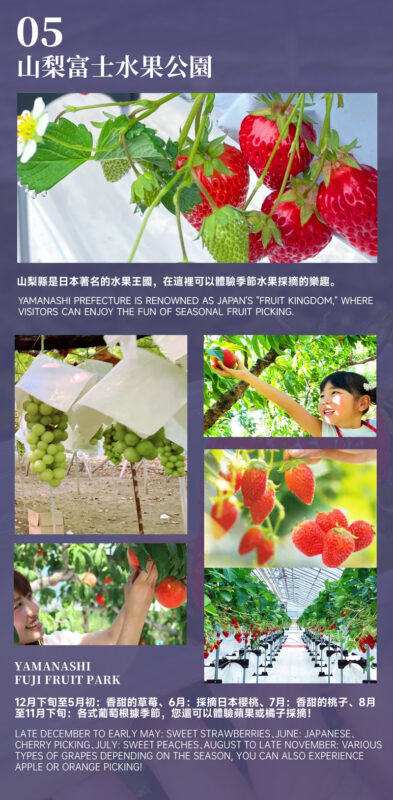
The final attraction adds a hands-on stop to a day otherwise centered on views. Depending on the season, the farm may offer strawberries, cherries, peaches, grapes, or other fruit. You’ll have about an hour there, and the actual fruit and format are set by the farm on the day.
Read the package options carefully. The less expensive fruit-picking tour option lists a free train ticket but does not include the fruit-picking admission fee. A higher-priced option includes picking fees. The farm experience is also a designated-quantity activity, not unlimited picking: the permitted amount and any tasting arrangement depend on the day’s setup. For example, the stated allowance during peach season is one peach, and during grape season one bunch, with seasonal fruit also provided for eating.
Timing matters, too. The farm comes late in the schedule, around 2:40 p.m. in the planned itinerary. If a popular crop is in season, availability may be limited by the time your group arrives. The crop may also be unripe or past its best, depending on the season and weather. Book for the farm visit and the chance to taste what is available, not a specific fruit or a large haul to take home.
What the full day feels like
The day begins with an 8 a.m. departure from Tokyo and is planned to return to Shinjuku around 6 to 6:30 p.m. Expect a substantial amount of time on the road. Some groups have spent more than nine hours in the vehicle over the day, and congestion during holidays or peak seasons can stretch the schedule.
That transport is the price of reaching several far-flung stops in one day. A bus means you don’t have to arrange local connections or navigate the train network between attractions. It also means you’ll follow the group’s pace, and some visits may be shortened if traffic builds or a stop takes longer than planned.
The group may travel in a bus or, depending on numbers, a smaller vehicle where the driver also acts as guide. Guide service can therefore vary. Names associated with this route include Liu, Xiao Wu, William, Ah Hao, Sherry, and Tim; some have provided multilingual explanations and practical reminders, while small-group trips may have less commentary. You should expect basic guidance and clear meeting instructions, not a private guide.
The tour is offered with Chinese-, English-, and Japanese-speaking driver-guides. The day-before email, sent between 4 p.m. and 10 p.m. Japan time, gives the meeting details, guide information, and vehicle information. Check the latest email, arrive ten minutes early, and confirm the vehicle details before setting off. Late arrivals and no-shows are not refunded.
Is the price good value?
The advertised starting price is $49.35, while the listed package choices are $70.45 for a tour with the train ticket and $90.30 for the version that includes fruit-picking fees. Confirm the exact option and total price before booking, since the cheaper package may leave you paying the farm fee separately. Meals, drinks, and personal expenses are extra.
The value comes from transport and variety. You can combine Fuji viewpoints, the train, Oishi Park, and a fruit farm without planning separate tickets or local transfers. Toll, parking, and fuel costs are included, as are round-trip transfers from the meeting point and the train ticket.
The main cost is your time. You trade the flexibility of an independent trip for a packed day with fixed stop lengths. If you want to linger at Oishi Park, spend longer at the 5th Station, or choose your own farm visit, the schedule may feel tight. If your priority is to see several highlights in one go, the price can be fair, especially if the fruit fee is included.
Who should book this day trip?
I’d recommend it for families who want a manageable mix of outdoor stops, transport, and a seasonal activity. Fruit picking gives children a hands-on break from sightseeing, while the park and Fuji viewpoints offer easy photo opportunities. Infants and children count toward the passenger headcount; children aged 0 to 2 travel free only if they do not need a separate seat. Child seats are not available.
It also suits first-time visitors who want a broad introduction to the Fuji area without renting a car. It is less suited to anyone who dislikes early starts, long drives, fixed schedules, or uncertain weather. The operator does not recommend the activity for people with some medical conditions, including high blood pressure or epilepsy; seniors over 70 need to provide a medical certificate, and older adults and pregnant participants must arrange a signed disclaimer in advance.
Pack light: one piece of luggage per person is allowed at no charge, while extra pieces cost 2,000 yen each and should be declared ahead of time. Pets are not allowed. Don’t plan a flight, bullet train, or other fixed evening commitment after the return, since road conditions can delay arrival.
Should you book?
Book this if you want a full, varied day from Tokyo and are happy to trade long stops for convenience. The best reasons are the seasonal choice of Fuji viewpoint, the short train ride, and the chance to see flowers and pick fruit in one outing.
Skip it if you need a guaranteed clear view, unlimited fruit picking, a slow pace, or a fixed return time. Before paying, confirm which package includes the farm fee, check which Fuji stop applies to your date, and keep your evening free.
Recommended for Families: | Mount Fuji 5th Station/Arakurayama Sengen Park x Lake Kawaguchi (Includes Popular Sightseeing Train Ticket) x Oishi Park x Fruit Picking Day Trip (From Tokyo)
“Our driver-guide, Xu Hongbo, was thoughtful and considerate! 👍🏻 Even on a day with strong winds and heavy rain, he maintained his professionalism a…”
FAQ
Does the tour visit Mount Fuji’s 5th Station all year?
No. The 5th Station is scheduled from April 26 through November 30. From December 1 through April 25, the tour visits Arakurayama Sengen Park instead.
How long is the sightseeing train ride?
The ride from Shimoyoshida Station to Fujisan Station takes about six minutes. If the train is unavailable, the tour may use a bus to reach Fujisan Station.
Is fruit picking included in the price?
Not in every package. The tour option priced from $70.45 includes the train ticket, while the option priced from $90.30 includes fruit-picking fees. Check the package details when booking.
What fruit can I pick?
The available fruit depends on the season and the farm’s arrangements. Options may include strawberries, cherries, peaches, and grapes. The picking amount is limited, and the exact experience can vary by day.
Where does the tour return in Tokyo?
The planned return point is the Shinjuku LOVE Sculpture, with an estimated arrival between 6 p.m. and 6:30 p.m. Actual timing depends on road conditions, so keep the evening free.
Are child seats available?
No. Children must be included in the passenger headcount, and child seats are not available. Children aged 0 to 2 may travel free if they do not occupy a separate seat.