Japan’s big contrast is the point here: one day you’re eye to eye with a 15-meter Buddha in Nara, and a few days later you’re looking for Mount Fuji above a lake full of swans. This nine-day coach tour links Osaka and Tokyo with temple towns, mountain scenery and plenty of help getting between them.
I like the strong first-timer route, especially the mix of Nara’s deer, Kyoto’s famous gates and bamboo grove, and the old post town of Naraijuku. I also like that the guide and driver handle the long transfers, while daily breakfasts and an English-speaking guide are included.
The trade-off is pace. You’ll cover a lot of ground, often with limited time at each stop, and Japanese hotel rooms can be tight for luggage. One useful detail: despite the tour’s name, this is a shared group trip, generally with 10 to 30 people.
- The quick take
- Osaka to Nara, with a gentle first day
- Osaka’s free day, or Hiroshima by bullet train
- Kyoto’s famous sights in a single day
- Nagoya, Naraijuku and a change of scenery
- Lake Yamanaka and the Mount Fuji weather gamble
- A guided Tokyo day, then your own plans
- What the price covers, and what it does not
- The guide makes a real difference
- Should you book this Japan tour?
- FAQ
- Where does the tour start and finish?
- Are the Hiroshima and Shinkansen tickets included?
- Are meals included?
- Can I book a triple room?
- Is the Mount Fuji 5th Station visit guaranteed?
- Is this a private tour?
- The Best Of Osaka!
- More Private Tours in Osaka
- More Tours in Osaka
- More Tour Reviews in Osaka
- Not for you? Here's more nearby things to do in Osaka we have reviewed
The quick take
- Nara’s deer and giant Buddha: Visit Todaiji Temple, then look for deer crackers sold in the park for 150 yen a pack.
- Kyoto’s classic sights: Fushimi Inari, Kinkaku-ji and Arashiyama arrive in a single guided day, so expect highlights rather than a slow wander.
- A glimpse of old Japan: Naraijuku gives the route a change of pace after the cities, with traditional streets and a stop at Tsumagoi Village.
- Mount Fuji depends on the weather: The tour includes a boat ride on Lake Yamanaka and a planned drive to the mountain’s 5th Station, if conditions allow.
- Tokyo has room to roam: A guided city day is followed by a free day, giving you time to choose your own museum, meal or neighborhood.
- Hiroshima costs extra: The optional Shinkansen day trip is listed at 54,000 yen per person, about $335, and is paid for in Japan.
👉 See our pick of the 24 Best Workshops And Classes In Osaka
Osaka to Nara, with a gentle first day
The tour begins at Kansai International Airport (KIX). You make your own way to the first hotel by train, usually just one station from the airport. Airport transport is not included, and check-in is after 3 p.m., so plan for a simple arrival day: find the hotel, drop your bags and recover from the flight.
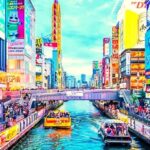
The first night is listed as Star Gate Hotel Kansai Airport or a similar three-star property. Later Osaka nights are listed at Dotonbori Crystal Exe Hotel or similar. The exact hotel arrangements can vary, so check the final details before you travel.
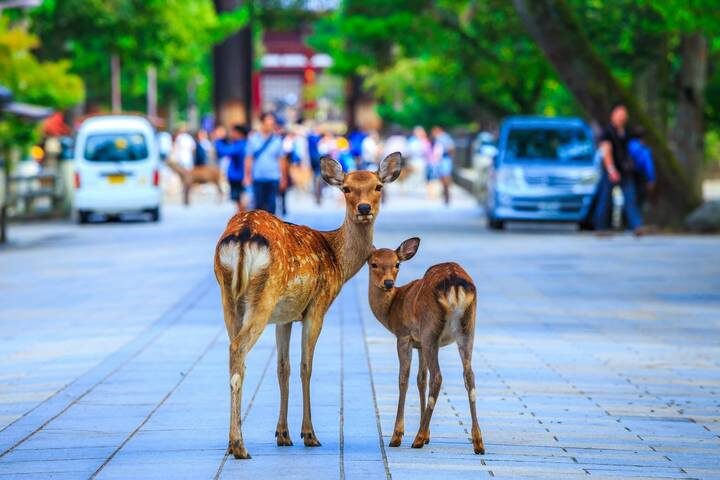
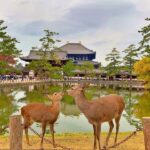
On Day 2, the coach takes you to Nara for Todaiji Temple, Nara Park and Kasuga Taisha. Todaiji’s vast wooden hall shelters a roughly 15-meter Buddha, an arresting sight even if you’ve already seen your share of temples. Outside, the deer wander freely. Buy crackers only if you want to feed them, and keep them in hand until you’re ready: the deer know what they’re for.
Kasuga Taisha, with its lantern-lined grounds, adds a different mood to the morning. Lunch is not included, and the schedule gives you a half-day in Nara before returning to Osaka. That makes this a good introduction, not a deep exploration. You’ll have the rest of the afternoon and evening to yourself.
You can also read our reviews of more private tours in Osaka

Osaka’s free day, or Hiroshima by bullet train
Day 3 is open in Osaka unless you join the optional Hiroshima trip. If you stay behind, you’ll need to plan your own day. That flexibility is welcome, but the tour does not arrange a substitute group outing in the city.
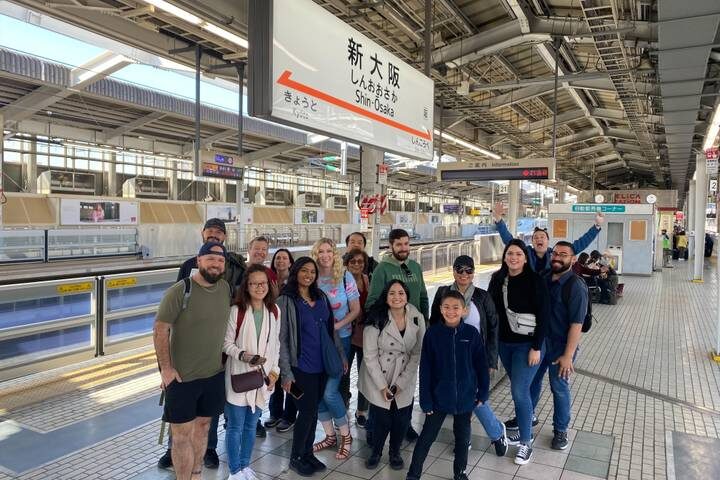
The Hiroshima option is a long, full day. You leave the hotel around 8:30 a.m., transfer to Shin-Osaka Station and take the Shinkansen to Hiroshima. The schedule includes Miyajima Island and Itsukushima Shrine, then the Atomic Dome, Ground Zero and Peace Memorial Park before the return train to Osaka.
The bullet train makes the distance possible, but this is not a leisurely Hiroshima visit. The listed schedule allows limited time at the Peace Memorial Park area, and the optional excursion is costly at 54,000 yen per person. If the Peace Memorial Museum is a priority, check whether it is included and how much time the group will have there before paying. You may prefer to spend the day in Osaka instead.
Kyoto’s famous sights in a single day
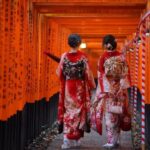
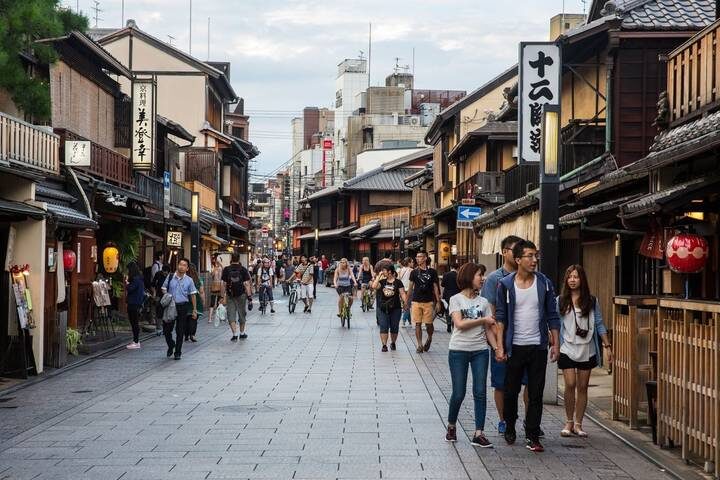
The next morning, you leave Osaka for Kyoto. Fushimi Inari Shrine is known for its trails through thousands of red-orange torii gates. The path climbs the wooded hillside, but this stop is not a full mountain hike. Crowds can make the lower sections slow, so follow the guide’s meeting instructions carefully.
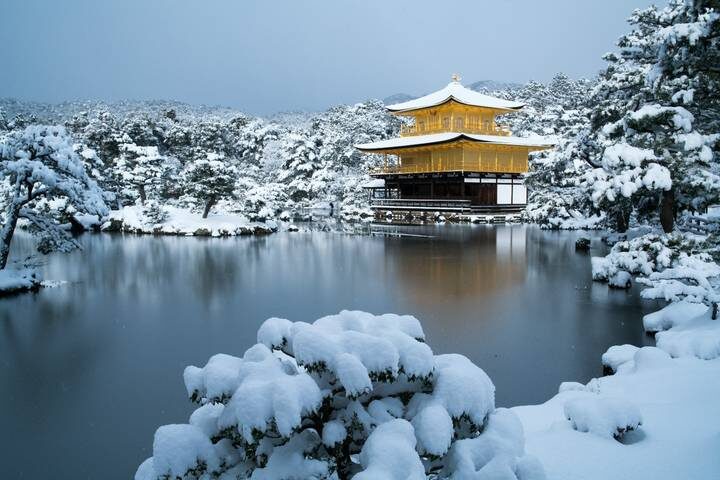
The guided half-day continues to Kinkaku-ji, the Golden Pavilion, whose upper floors are covered in gold leaf. It is one of Kyoto’s most recognizable sights, though you view it from the garden path rather than wandering through the building. Then comes Arashiyama’s Bamboo Grove and nearby Togetsukyo Bridge.
These are all worthwhile places, but three major stops make for a quick introduction. You’ll have less time to linger than you would on a self-planned Kyoto visit, and lunch is not listed as included. The coach then takes you on to Nagoya, saving you the work of arranging the intercity transfer yourself.
Nagoya, Naraijuku and a change of scenery
In Nagoya, the Toyota Commemorative Museum of Industry and Technology traces the Toyota family’s move from textile machinery into the car business. It’s a useful counterpoint to the temples and shrines: Japan’s story here is also about manufacturing and modern industry.
Time is a consideration. The schedule places the museum in the morning before the group heads toward Naraijuku, so don’t assume you’ll be able to explore every exhibit at length. If you’re especially interested in the museum, ask the guide how much time is planned.
Naraijuku, a former post town, brings a quieter, older feel to the route. Its historic streets offer a glimpse of how travelers once moved through the region, while Tsumagoi Village adds another rural stop. You then continue to a hotel in the Nagano or Yamanashi area, with the specific property varying. This is one of the longer travel days, so comfortable shoes and a small bag for the coach are sensible.
Lake Yamanaka and the Mount Fuji weather gamble
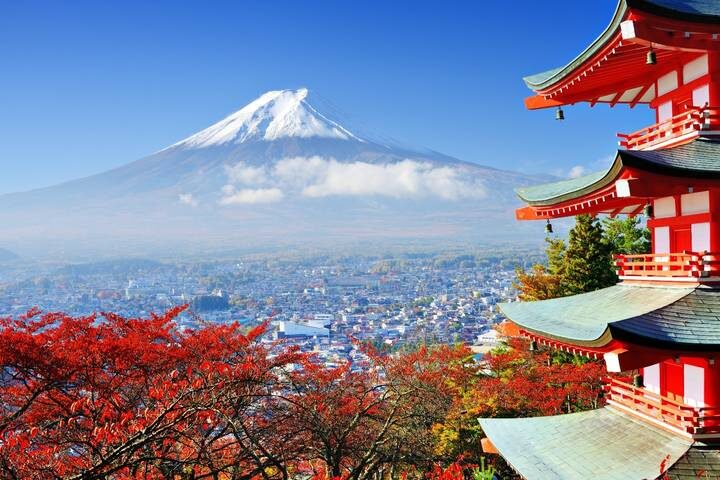
Lake Yamanaka is the largest of the Fuji Five Lakes, and the group takes a scenic boat ride on the water. The area is nicknamed Swan Lake for its swans, and on a clear day the lake gives you a fine view toward Mount Fuji. Cloud cover, of course, has no respect for tour schedules.
The plan is to drive to Mount Fuji’s 5th Station, around 2,300 meters above sea level, if weather and access permit. From there, you may get broad views over the surrounding lakes and Fujiyoshida City. Komitake Shrine, behind the shops, is also on the schedule.
The mountain visit is not guaranteed. Weather can affect visibility or access, and the tour information notes that the 5th Station visit is subject to conditions. Treat it as a chance for a memorable view, not a promise of a clear Fuji photo. After the mountain area, the coach continues to Tokyo.




A guided Tokyo day, then your own plans
The guided Tokyo day starts at Meiji Shrine, set among trees in the city. From there, the group visits Omotesando and Takeshita Street, two nearby areas with sharply different styles: polished architecture and shops on one side, youth fashion and busy lanes on the other.
Later comes a traditional Japanese rock garden, described as a secret garden in the schedule, followed by Tokyo Tower. Admission to the tower is included. The day ends with a short free-time stop in Shinjuku’s Kabukicho area, giving you a look at the district’s bright signs and nightlife. The schedule can change because of weather or traffic, and this is a packed day, so keep personal errands for later.
Day 8 is free. That matters: after a week of coach departures and timed stops, you can choose your own pace. You might revisit a favorite neighborhood, pick a museum or simply take a long lunch. The tour does not arrange activities for this day.
There is a detail worth confirming before you book: the hotel information gives different Tokyo property names in different places. Sunshine City Prince Hotel appears in the daily schedule, while Far East Village Hotel Ariake is listed for Days 6 to 8 elsewhere. Ask which Tokyo hotel applies to your departure, since location can affect how you use the free day.
What the price covers, and what it does not
Prices start at $1,899 for the nine-day trip. The value comes from bundling eight hotel nights, daily breakfast, an English-speaking guide, coach transport between cities and the listed sightseeing. For a first visit, that structure can save time and reduce the stress of connecting several regions by yourself.
The hotel standard is three-star, not spacious luxury. Japanese rooms can be compact, and some are especially awkward if you’re sharing with a companion and bringing large suitcases. There are no triple rooms because of room size. Pack with that in mind, and ask about room arrangements if you’re traveling alone; a single room must be selected for solo travel.
Flights, insurance, airport transfers, lunches and dinners are not included. Tips are optional. The operator suggests about $10 per person per day in one section and $150 total in another, so the guidance is inconsistent. If you plan to tip, ask the company for its current recommendation.
The Hiroshima excursion is also extra and paid on site. Vegetarian, vegan, halal and kosher meals can be requested, but you should tell the operator in advance. Breakfasts vary by hotel, so expect a mix rather than the same spread every morning.
The guide makes a real difference
The group is typically 10 to 30 people, and the tour is described as low intensity. In practice, low intensity does not mean no walking: temple grounds, steps and crowded streets add up. One traveler specifically wished the tour description had made the number of stairs clearer. Wear shoes you can walk in, and be ready to keep up when the group moves between stops.
Guides are a frequent strength of the experience, though the assigned person changes by departure. Past guides named by participants include Kentaro, Tracy, Andre, Ken and Yusuke. Their strongest contributions were clear timing, help with local customs and useful background on Japanese life. A few people wanted more commentary inside attractions, rather than a short explanation before being left to explore independently. If in-depth guiding at every site is important to you, ask how the guide accompanies the group at each stop.
The bus and driver also matter on a route with several long transfers. The coach is described as comfortable, and good drivers helped make the journeys smoother. Still, days with multiple stops can feel rushed. Keep a water bottle and a small day bag handy, and use free time wisely rather than expecting every visit to unfold at your own pace.
Should you book this Japan tour?
I’d book this if you want a well-organized first look at Japan and value seeing several regions without managing every train and hotel yourself. Nara, Kyoto, Naraijuku, Mount Fuji and Tokyo make a varied route, and the free day in Tokyo gives you some breathing room.
I’d look elsewhere if you want long visits at museums, lots of time for food exploration or roomy hotel stays. The tour moves quickly, and some attractions are visited with limited time or without the guide beside you. Before paying, confirm the Tokyo hotel, ask how much time is planned at the Toyota museum, and decide whether the expensive Hiroshima day fits your priorities.
9D Splendid Japan-Private 3 Star Hotels-Osaka to Tokyo by Stunning Tours
“The tour was great! We saw a lot of Japan. The bus driver was kind and courteous. Our tour guide, Blair, was amazing. We would recommend this tour…”
FAQ
Where does the tour start and finish?
It starts at Kansai International Airport (KIX) in Osaka and ends at Haneda International Airport (HND) in Tokyo. Airport transportation is not included.
Are the Hiroshima and Shinkansen tickets included?
No. The Hiroshima day trip is optional and listed at 54,000 yen per person, about $335. It includes transfers to the station, Shinkansen travel and visits to Miyajima, Itsukushima Shrine and Peace Memorial Park.
Are meals included?
Daily breakfast is included. Lunch and dinner are not listed as included. Vegetarian, vegan, halal and kosher meals can be requested through the operator.
Can I book a triple room?
No. Triple rooms are not offered because hotel rooms in Japan are small. Solo travelers should select a single room.
Is the Mount Fuji 5th Station visit guaranteed?
No. The drive to the 5th Station is weather permitting. The Lake Yamanaka boat ride and visit to Komitake Shrine are listed as included activities.
Is this a private tour?
No. It is a shared group tour, with a typical group size of 10 to 30 people. It includes an English-speaking guide and coach transportation between cities.