Japan packs centuries of temples, a famous mountain and two very different cities into this eight-day route from Osaka to Tokyo. You get a guided introduction to major sights, with coach travel linking them and time in several places to explore on your own.
I like two things especially: Nara’s deer and great temple make a memorable first full day, and the route mixes big-city stops with the old post town of Narai-juku and views of Mount Fuji. The daily breakfasts and included admissions also keep some practical costs predictable.
The trade-off is pace. Several days involve long coach journeys and multiple stops, and time at each place can feel short. The Hiroshima Shinkansen trip is optional and costs extra, despite being easy to mistake for an included highlight.
At a glance
- Nara’s deer crackers cost about 150 yen a pack, and the animals may bow when you bow with a cracker in hand.
- The Kyoto day includes Fushimi Inari, Kinkaku-ji and Arashiyama, a lot of famous sights in one half-day outing.
- Hiroshima is an optional full-day trip, priced at 54,000 yen per person and paid on site.
- The Mount Fuji 5th Station visit depends on weather, so the mountain views are never guaranteed.
- This is a group tour for 10 to 30 people, not a private tour, despite the word Private in the tour name.
- Seven hotel nights and breakfast are included, but airport transfers, lunch and dinner are not.
👉 See our pick of the 24 Best Workshops And Classes In Osaka
- At a glance
- A fast route from Osaka’s airport to Tokyo
- Day 1: Arrive at Kansai International Airport
- Day 2: Meet Nara’s deer and the Great Buddha
- Day 3: Choose Osaka or pay extra for Hiroshima
- Day 4: Kyoto’s red gates, gold pavilion and bamboo
- Day 5: Toyota’s industrial story and Narai-juku
- Day 6: Lake Yamanaka and Mount Fuji, weather permitting
- Day 7: Tokyo shrines, street life and a tower view
- What the price covers, and what it leaves out
- Who should book this Japan tour?
- FAQ
- Is this a private tour?
- Which airports should I use?
- Are airport transfers included?
- Is the Hiroshima Shinkansen excursion included?
- How many nights of accommodation are included?
- Are meals included?
- Is the Mount Fuji 5th Station visit guaranteed?
- When are the final hotels confirmed?
- What is the single supplement?
- The Best Of Osaka!
- More Private Tours in Osaka
- More Tours in Osaka
- More Tour Reviews in Osaka
- Not for you? Here's more nearby things to do in Osaka we have reviewed
A fast route from Osaka’s airport to Tokyo
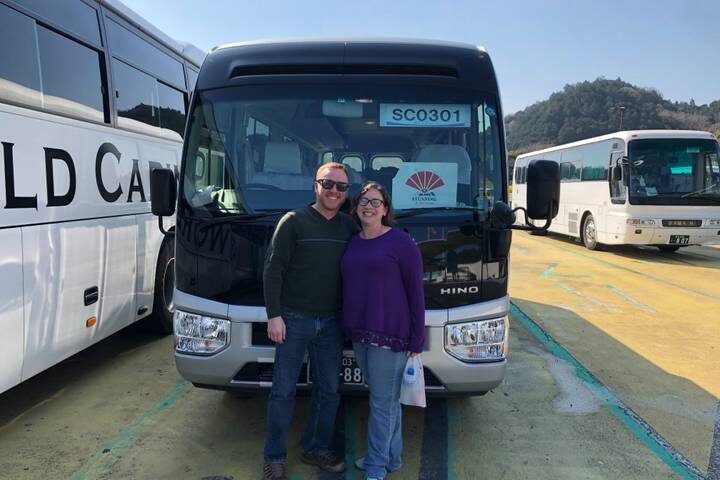
This tour suits you if you want a first look at Japan without having to organize every intercity transfer and ticket yourself. Over seven nights, you go from Osaka through Nara, Kyoto, Nagoya and the mountain region before finishing in Tokyo. An English-speaking guide accompanies the group, while a coach handles the city-to-city travel and many sightseeing transfers.
The advertised starting price is from $1,799, with the final cost depending on your booking and room choice. For that, the package includes 3-star hotel accommodation, daily breakfast, listed sightseeing admissions and group transport between cities and attractions. Flights, airport transfers and most meals remain your responsibility, so set aside extra money for those, plus the optional Hiroshima excursion.
One detail to clear up before booking: although the tour name says Private, the experience is described as a group tour of 10 to 30 people. It is not a privately guided trip for just your party. If you are traveling alone, select a single room; a quoted single supplement is $468, though you should confirm the current amount for your dates.
You can also read our reviews of more private tours in Osaka

Day 1: Arrive at Kansai International Airport
Your trip begins at Kansai International Airport, or KIX. The first night is usually at Star Gate Hotel Kansai Airport or a similar property, near Rinku-Town Station. The hotel is described as one train stop from the airport, but private airport transport is not included. You receive directions for reaching the hotel, so read them before landing and allow time to find the right train.
Japanese hotel check-in is generally after 3 p.m. If you arrive early, plan to store your bags or take it easy until your room is ready. This first night keeps the arrival logistics simple, but it is not the same as a tour-arranged airport pickup.
Day 2: Meet Nara’s deer and the Great Buddha
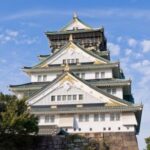
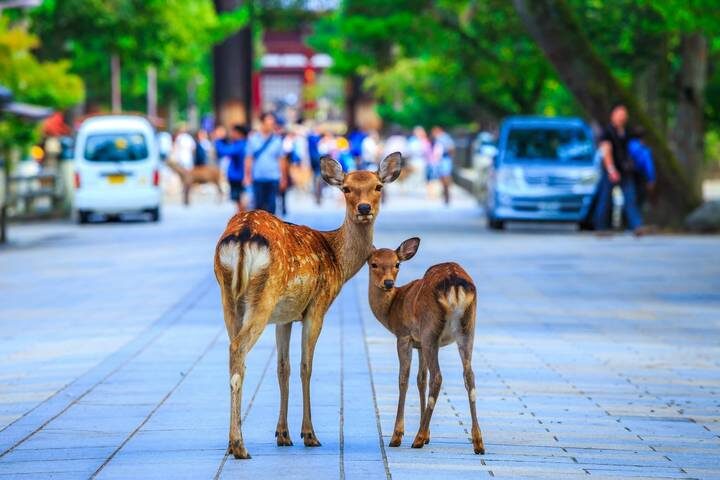
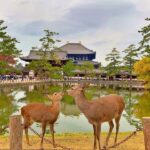
A coach takes you from Osaka to Nara for a half-day visit. Nara Park’s free-roaming deer are the charming distraction; the main event is Todaiji Temple, a UNESCO World Heritage site founded more than 1,200 years ago. Its Great Buddha Hall houses a statue about 15 metres tall. The scale makes a strong impression, even if you have seen plenty of temples elsewhere.
You can buy deer crackers, called deer senbei, at park stalls for around 150 yen a pack. Bowing with a cracker in hand may get a bow in return, but keep hold of your snacks and follow local instructions around the animals. The deer are used to people, not stuffed toys.
The visit also includes Kasuga Taisha, a major shrine with close ties to the Fujiwara family, one of Japan’s powerful clans in the Nara and Heian periods. Lunch is not included, and the afternoon returns to Osaka. You have the evening free, useful time to eat on your own and explore at your own speed.
Day 3: Choose Osaka or pay extra for Hiroshima
The standard plan leaves this day free in Osaka. That flexibility is welcome after a full sightseeing day, and it lets you choose how much city time you want. If you prefer another major excursion, an optional door-to-door trip goes to Hiroshima by Shinkansen, Japan’s high-speed train.
The extra trip costs 54,000 yen per person, paid on site. It includes a visit to Itsukushima Shrine and Miyajima Island, followed by the Atomic Bomb Dome and Peace Memorial Park. The schedule is demanding, with a return to Osaka the same evening. It can make sense if Hiroshima is a priority and you are comfortable with a long day, but it is not included in the base price.
This distinction matters when comparing the package with other Japan tours: the Hiroshima experience is not part of the standard itinerary. The tour information also uses the word Flight in one transport line, but the excursion is by Shinkansen, not plane.
Day 4: Kyoto’s red gates, gold pavilion and bamboo
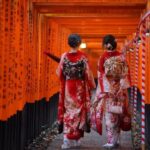
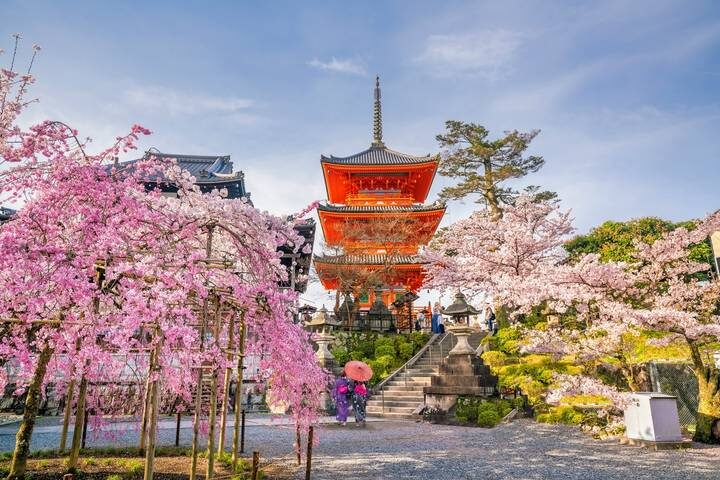
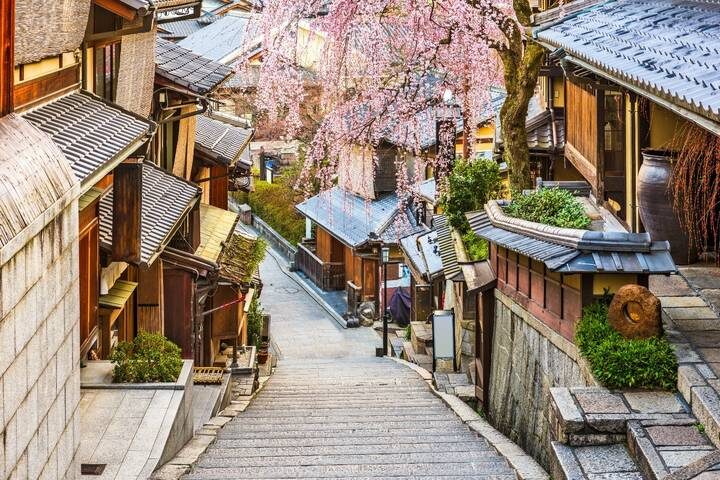
The group leaves Osaka for Kyoto, beginning at Fushimi Inari Shrine. Its rows of vermilion torii gates run up a network of paths behind the main buildings. The shrine is popular and can be busy, so the value of a guided stop is partly practical: you can see a signature Kyoto sight without needing to plan the transfers yourself.
The half-day outing continues to Kinkaku-ji, the Golden Pavilion, whose upper floors are covered in gold leaf, then to Arashiyama Bamboo Grove and Togetsu Bridge. These are classic Kyoto scenes, but three major stops in a half-day leave limited room to linger. If photography, a long walk through the bamboo or a slow visit to the temple matters to you, expect to keep an eye on the clock.
That evening’s hotel is listed in Nagoya, not Kyoto. This is one of the itinerary’s less intuitive transitions: you visit Kyoto, then continue on to Nagoya for the night. It saves a separate hotel night in Kyoto, but adds travel to a day already filled with sights.




Day 5: Toyota’s industrial story and Narai-juku
The route visits the Toyota Commemorative Museum of Industry and Technology, which traces the Toyota family’s move from a village enterprise to a major industrial company. It offers a change of subject after several days centered on temples and shrines, and gives you a view of modern Japan’s manufacturing story.
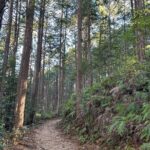
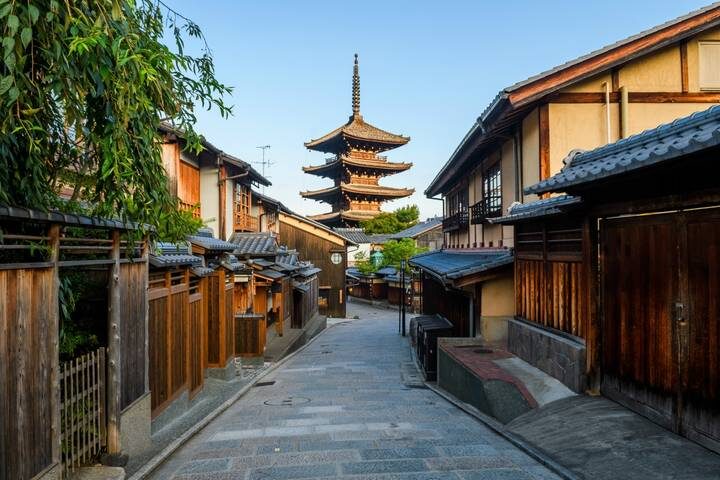
After lunch, the group visits Narai-juku, a historic post town associated with the old Nakasendo route. Its traditional streets offer a glimpse of what a mountain stop on a long-distance road once looked like. Tsumagoi Village is also on the schedule before the group heads to a hotel in the Nagano or Yamanashi area.
The day links sites that are spread across a broad region, so expect a substantial amount of coach time. Some people will value seeing a preserved town outside the big-city circuit; others may wish the schedule allowed more time there or fewer stops. Hotels can vary by departure, and the final accommodation details are expected about a month before travel.
Day 6: Lake Yamanaka and Mount Fuji, weather permitting
Lake Yamanaka is the largest of the Fuji Five Lakes and is known for swans and views of Mount Fuji. A scenic boat ride is included, giving you a different angle on the surrounding countryside. If the weather is clear, the lake can be one of the trip’s most rewarding stops.
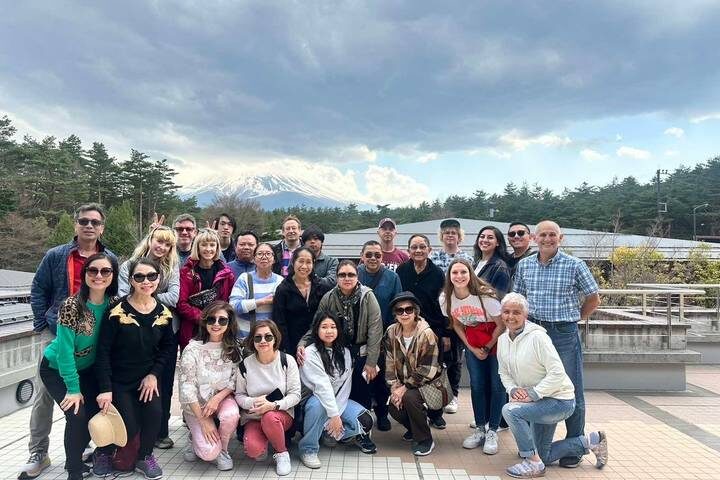
Next comes Mount Fuji’s 5th Station, at about 2,300 metres. The visit is weather permitting, so cloud or other conditions can affect access and visibility. There are shops in the area, and Komitake Shrine sits behind them. The stop provides a high-altitude view without requiring a climb, but it is not a summit hike.
Afterward, the group continues toward Tokyo and checks in at the hotel. Be ready for another travel-heavy day. The mountain is the star, but it is also the part of the itinerary most vulnerable to weather.
Day 7: Tokyo shrines, street life and a tower view
The Tokyo sightseeing day starts at Meiji Shrine, then moves to Omote Sando and Takeshita Street. The contrast is part of the appeal: a major shrine visit followed by well-known shopping streets. A private traditional Japanese rock garden is also included, though the garden’s name is not specified in the tour details, so ask the operator if you want to know exactly which one.
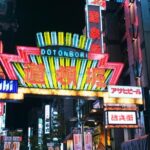
Tokyo Tower admission is included. You then have free time in Shinjuku Kabukicho, an area known for nightlife. That gives you a chance to stay out and explore on your own, though you will need to make your own way back to the hotel. The tour details do not specify an evening transfer.
The Tokyo hotel is listed in Ariake, with the exact property subject to change. One concern to check before booking is how your hotel location fits your plans: the itinerary ends in Tokyo, but the hotel may not be right beside every central sight. The guide can advise on the best route to your airport on departure day, but airport transport itself is not included.
What the price covers, and what it leaves out
For a starting price of $1,799, the package includes seven hotel nights, daily breakfast, an English-speaking guide, coach transport between cities and listed attractions, and admission to the stated activities. That can be good value if you want someone else to coordinate the main route and you are happy with a brisk overview rather than long, independent stays.
The accommodation is rated 3-star, but property names can change. Star Gate Hotel Kansai is listed for the first night, and the remaining confirmed hotels are generally shared about a month before departure. Room sizes and standards can vary; some people find Japanese hotel rooms compact, especially when traveling with larger luggage. Treat the category as a practical standard, not a promise of spacious rooms or identical quality each night.
Breakfast is included every day, while lunch and dinner are not. Vegetarian, vegan, halal and kosher meal options can be requested through Stunning Tours. The Hiroshima excursion costs extra, and flights, insurance, airport transfers and tips are also outside the basic price. Tip guidance in the tour information is not entirely consistent, so ask the operator to confirm what is suggested, and remember that tips are described as optional.
Who should book this Japan tour?
I would consider this tour if you are visiting Japan for the first time, have only a week, and value a guided route over a slower, more independent trip. It covers a useful range: Nara’s Buddhist landmarks, Kyoto’s best-known sights, a historic post town, a Fuji-area lake and Tokyo. Families and solo travelers may also appreciate having transport and much of the daily structure arranged.
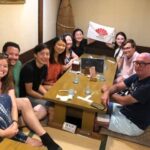
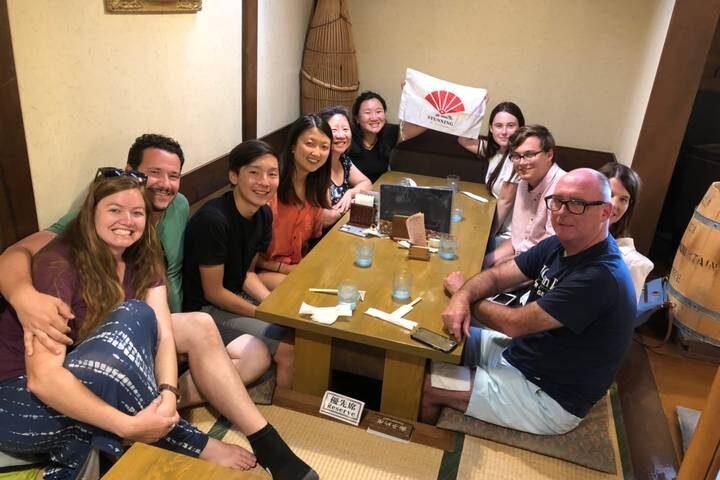
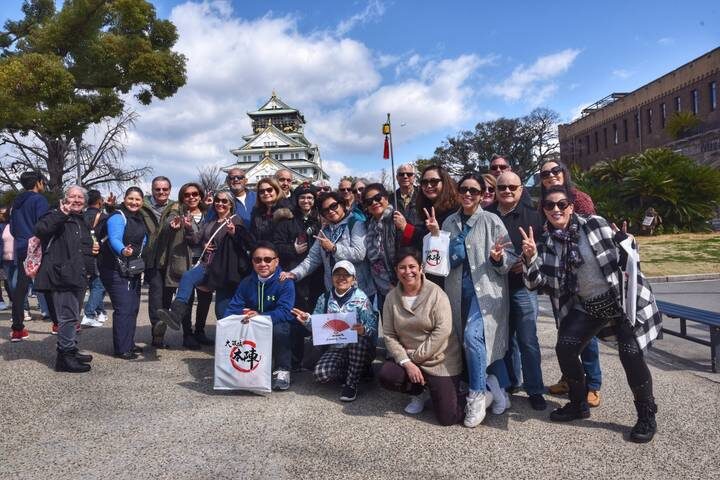
The group size of 10 to 30 makes this a shared experience, and the guide’s contribution matters. Guides named by past participants include Steve, Kentaro, Cindy and Trend, but no particular guide is guaranteed. Many people praise the guides and drivers for their care, organization and explanations. At the same time, experiences with pacing and communication have varied. Some departures have had rushed stops, unclear schedule changes or guides who were hard to hear in a large group.
I would pause if you want long museum visits, slow meals in historic towns or plenty of free time at each stop. Several days are full, and coach journeys can take a noticeable part of the day. Also confirm the exact hotel locations, airport arrangements and gratuity guidance before paying. If you are comfortable with those trade-offs, this is a practical, good-value introduction to Japan. If not, choose a longer itinerary or plan the route independently.
8D Splendid Japan-Private 3 Star Hotels-Osaka to Tokyo by Stunning Tours
“Days got a little long some days. Not enough free time, no dinners included. Guide was very good. Hotels were nice.”
FAQ
Is this a private tour?
No. Despite Private in the tour name, the experience is described as a group tour for 10 to 30 people.
Which airports should I use?
The tour starts at Kansai International Airport in Osaka, code KIX. It ends in Tokyo, and the guide can advise on getting to Haneda or Narita. Flights are not included.
Are airport transfers included?
No private airport transfers are included. Directions are provided for reaching the first hotel, which is usually one train stop from Kansai International Airport.
Is the Hiroshima Shinkansen excursion included?
No. It is an optional full-day excursion priced at 54,000 yen per person, payable on site.
How many nights of accommodation are included?
The tour includes seven hotel nights: three in Osaka, one in Nagoya, one in the Nagano or Yamanashi area, and two in Tokyo.
Are meals included?
Daily breakfast is included. Lunch and dinner are not included. Vegetarian, vegan, halal and kosher options can be requested from Stunning Tours.
Is the Mount Fuji 5th Station visit guaranteed?
No. The visit is weather permitting, so conditions can affect whether the group goes there.
When are the final hotels confirmed?
Star Gate Hotel Kansai is confirmed for the first night. The remaining hotel details are expected about one month before departure.
What is the single supplement?
A single supplement of $468 was quoted for one traveler. Confirm the current amount for your departure before booking.