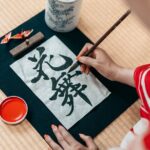
Wagashi and matcha are more than a sweet and a drink here: you make the confection yourself, grind tea leaves and learn how the small gestures of a tea ceremony fit together. Set in a traditional tea room about 500 meters from Kiyomizu-dera, this short class offers a calm, hands-on pause in a busy sightseeing day.
I like that you get to make and taste your own wagashi, rather than only watch a demonstration, and that the host explains the purpose and etiquette behind preparing matcha. The group is capped at 10, which helps keep the instruction personal, and host Sokin is singled out by name for her warm, patient approach.
One consideration: the listed duration is just 45 minutes, so expect an introduction rather than an in-depth study of tea practice. Some people have described sessions lasting longer, but timing can vary; plan your day around the advertised duration, not a longer visit.
- At a glance
- A small cultural pause near Kiyomizu-dera
- First, shape a wagashi
- Grind matcha, then watch the preparation
- Tea-room etiquette, explained without fuss
- How much you get for
- Who will enjoy this class most
- Timing and booking details to keep in mind
- Should you book it?
- FAQ
- How long does the wagashi and tea ceremony class last?
- How much does the class cost?
- What activities are included?
- What languages are available?
- Where is the venue?
- Is the class suitable for children?
- Can I cancel for a refund?
- The Best Of Kyoto!
- More Workshops & Classes in Kyoto
- More Tours in Kyoto
- More Tour Reviews in Kyoto
- Not for you? Here's more nearby things to do in Kyoto we have reviewed
At a glance
 1 / 4
 2 / 4
 3 / 4
 4 / 4
- Make wagashi by hand: Learn to prepare a traditional Japanese sweet, then eat it with matcha.
- Grind your own tea: The class includes grinding matcha leaves before the tea demonstration.
- Learn tea-room etiquette: Your host explains the ceremony and the meaning behind its gestures.
- Stay near Kiyomizu-dera: The venue is about 500 meters from the temple, handy for pairing the class with nearby sightseeing.
- Expect a small group: No more than 10 participants, with instruction offered in Japanese, English and Chinese.
- Pay $21 per person: Wagashi, the tea ceremony and a matcha-preparation demonstration are included; transport and other meals are not.
👉 See our pick of the 25 Best Workshops And Classes In Kyoto
A small cultural pause near Kiyomizu-dera
Kyoto can fill a day quickly: temple steps, shop streets, buses, crowds, and the next place you promised yourself you would see. This class offers a different pace. For 45 minutes, your attention shifts to shaping a sweet, preparing tea and following the quiet order of a Japanese tea-room ritual.
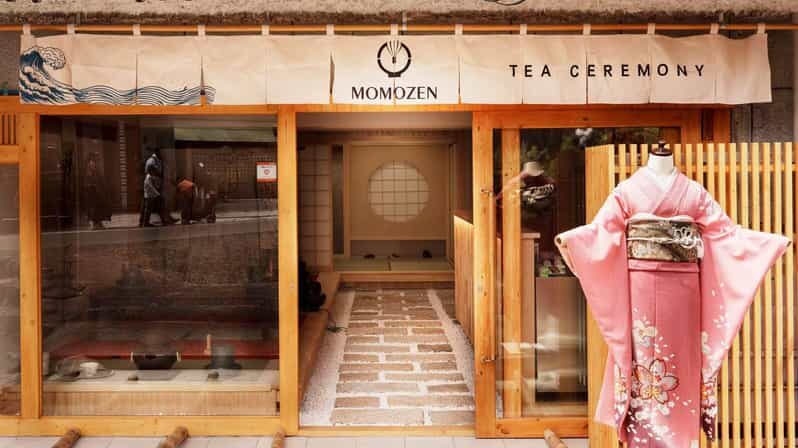
The location is practical if Kiyomizu-dera is on your itinerary. The venue is about 500 meters away, so you can pair the class with a temple visit without crossing the city. Transportation to the venue is not included, so you’ll need to arrange your own way there.
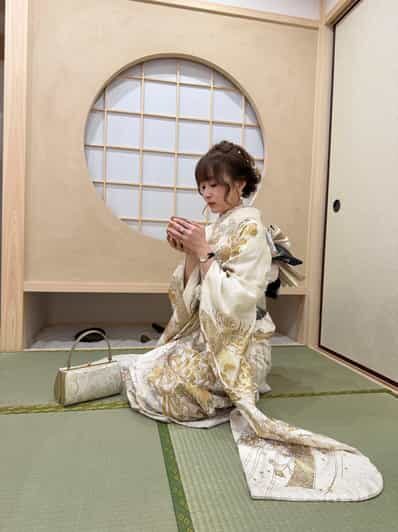
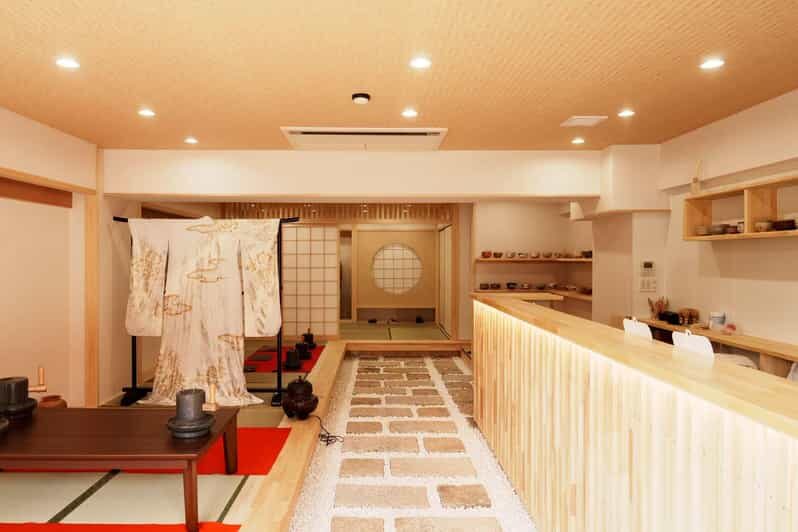
The setting matters. Tea ceremony is not simply a matter of whisking powder into hot water; the sequence and gestures help shape how the tea is prepared and served. The host’s explanations give you a frame for what you’re seeing, making the activity more than a quick photo opportunity.
You can also read our reviews of more tours and experiences in Kyoto

First, shape a wagashi
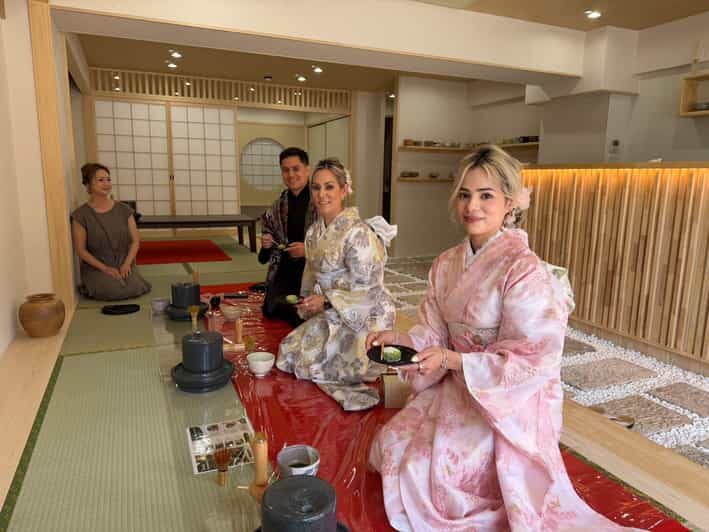
The class begins with making wagashi, traditional Japanese sweets. You’re guided through the process, then get to taste what you’ve made alongside matcha. The sweet is part of the ceremony, not an unrelated snack tacked onto the end.
This hands-on start is a good fit if you like learning by doing. A demonstration can show you what a finished confection looks like, but making one yourself gives you a better sense of the care involved. Don’t expect a full course in confectionery: the activity is short, and the sweet-making is one part of a wider introduction.
The class is suitable for children aged three and older, and an 11-year-old has enjoyed the activity with a parent. Children under three are listed as unsuitable. If you’re booking as a family, the practical appeal is clear: there is something to make, see and taste, all in one compact session.
Grind matcha, then watch the preparation
After making wagashi, you learn about matcha and grind your own tea leaves. This step adds a useful bit of context before the host demonstrates how the tea is prepared. You’re not only watching the whisking; you’ve had a chance to handle the tea-making process yourself.
The demonstration is followed by tasting the matcha with your homemade sweet. The contrast between the two is part of the pairing, and having made the wagashi gives the tasting a personal touch. The experience includes matcha preparation and the ceremony, but it does not include other meals.
The class is a practical introduction, not a promise that you’ll leave ready to lead a formal ceremony. You do come away with basic skills in making wagashi and serving matcha, which you can share with friends or family. If you want a deeper study of tea practice, check whether the class length and level of detail match what you have in mind.
Tea-room etiquette, explained without fuss
Before the ceremony, the host explains the process and etiquette of the tea room. That preparation helps you understand what to do and why the ritual has a particular order. The teaching style described by visitors is patient and clear, with time given to absorb the steps rather than rush through them.
The strongest part of the experience appears to be the person leading it. Sokin is named repeatedly as a calm, welcoming instructor who explains the history and spiritual ideas around matcha with care. Other hosts are also described as warm and articulate. Instruction is available in Japanese, English and Chinese, so check that the language you need is available for your chosen session.
The tone may not suit everyone equally. Many people value the gentle, personal approach, while one participant found the encouragement a little too effusive and wanted more depth. That is a fair distinction: this class leans toward an accessible, welcoming introduction, not a formal lecture or austere ceremony.
More Great Tours NearbyHow much you get for $21
At $21 per person, the price covers three things: the wagashi-making class, the tea ceremony and a matcha-preparation demonstration. You also get to taste the sweet you made with the tea. For a short cultural activity in Kyoto, that combination offers more participation than a stand-and-watch demonstration.
The value depends on what you want from the class. If you’re looking for a focused introduction to Japanese sweets and tea, the low price and compact duration make it easy to fit into a day. If you expect a long workshop with extensive practice or a full meal, this is not that. Meals beyond wagashi and transportation are not included.
A detail worth checking before you go: one participant mentioned being able to buy the bowl used for matcha, while the listed inclusions do not say that a bowl is part of the activity or that purchases are required. If taking home a bowl matters to you, ask the provider before booking rather than counting on it.




Who will enjoy this class most
I’d recommend it to first-time visitors who want a clear, approachable introduction to tea culture, especially if you’re already visiting Kiyomizu-dera. It’s also a good fit for solo visitors: the small group and guided format make it easy to join without needing a companion. Couples and small groups can share the activity, but the cap of 10 keeps it from becoming a large tour.
Families with older children may like the mix of making, watching and tasting. The class is not suitable for children under three. Wheelchair access is listed, a useful point for planning, though you may want to contact the provider directly if you need details about the venue setup.
The calm, reflective side is a genuine part of the appeal. Several accounts describe the session as a welcome break from fast-paced sightseeing, with the host’s conversation adding a personal dimension. You might find that especially valuable if your Kyoto days are packed and you want an activity where the point is to slow down rather than cover more ground.
Timing and booking details to keep in mind
The advertised duration is 45 minutes, and starting times depend on availability. Some people have described spending about an hour or even two hours at the activity, but that is not the stated length. If you have a timed temple entry, meal reservation or train to catch, leave a buffer and confirm the expected end time with the provider.
The group limit is 10 participants. The activity is offered in Japanese, English and Chinese, and a licensed guide interpreter is included. Free cancellation is available up to 24 hours in advance for a full refund, and the reserve-now, pay-later option lets you hold a place without paying immediately.
Should you book it?
Book this class if you want a reasonably priced, hands-on introduction to wagashi and matcha in a traditional tea-room setting, especially if you’ll be near Kiyomizu-dera. The small group, clear instruction and chance to make something yourself are the real strengths.
Skip it if you’re hoping for a long, specialist tea ceremony course or a substantial meal. For most visitors seeking a short cultural break, though, it’s a sensible way to learn a few useful skills, taste your own work and leave Kyoto with more than another temple photo.
Wagashi-Making Class and Tea Ceremony in Kyoto
FAQ
How long does the wagashi and tea ceremony class last?
The advertised duration is 45 minutes. Actual sessions may run longer, so check with the provider if you need to be somewhere at a specific time.
How much does the class cost?
The price is $21 per person.
What activities are included?
The class includes wagashi-making, a tea ceremony and a matcha-preparation demonstration. You also taste your homemade wagashi with matcha.
What languages are available?
Instruction is listed in Japanese, English and Chinese.
Where is the venue?
The venue is in Kyoto, about 500 meters from Kiyomizu-dera Temple. Transportation to the venue is not included.
Is the class suitable for children?
Children under three are listed as unsuitable. The activity has been enjoyed by older children, including an 11-year-old.
Can I cancel for a refund?
Yes. You can cancel up to 24 hours in advance for a full refund.
You can check availability for your dates here: