A metal shuriken begins as a mold, a little careful work, and a pour of bright, molten metal. At Arashiyama Ninja House, you make and finish your own piece in about an hour, then take it home instead of settling for a shop-bought souvenir.
I like two things in particular: you get to handle several stages of the casting and finishing process, and the friendly instructors make the work approachable even if you have never tried metalcraft. Instructors named Yuki, Sojo, Julie, and Nirandi are among the staff praised for clear explanations and patient help.
The main consideration is the price of upgrades. The $32 base price includes a small shuriken, while larger designs and kunai can cost extra. You will also do some hands-on filing, so this is a focused craft session, not a sit-back-and-watch demonstration.
- Key points before you book
- A hands-on change of pace in Arashiyama
- From ninja weapon stories to a casting mold
- The molten-metal pour is the moment to focus
- Filing and polishing turn a casting into your own piece
- The instructor can make the hour easier
- How it fits into an Arashiyama day
- Who will get the most from this workshop
- Should you book it?
- FAQ
- How long does the workshop last?
- How much does it cost?
- What do I make?
- Is a larger shuriken included in the price?
- Is the workshop available in English?
- Do I need metalworking experience?
- What should I wear?
- Can children take part?
- Can I cancel after booking?
- The Best Of Kyoto!
- More Tours in Kyoto
- More Tour Reviews in Kyoto
- Not for you? Here's more nearby things to do in Kyoto we have reviewed
Key points before you book
- You make a real metal shuriken: Shape the mold, pour molten metal with staff guidance, then polish and personalize your finished piece.
- The included design is small: Larger shuriken and kunai may be available as paid upgrades, with price and availability to confirm on-site.
- The workshop takes about an hour: It fits neatly between other Arashiyama activities, though the filing and polishing take some arm work.
- You get an introduction to ninja-era weapons: The short history section explains how shuriken and kunai differ from the samurai sword.
- English instruction is available: The workshop is offered in English and Japanese, with staff guiding you through the process.
- Dress for a working craft space: Wear comfortable clothes and closed-toe shoes, and follow instructions carefully around heat and molten metal.

👉 See our pick of the 25 Best Workshops And Classes In Kyoto
A hands-on change of pace in Arashiyama
Arashiyama is known for its scenic walks and popular sights. This workshop gives you a different sort of hour: instead of looking at finished objects, you make one yourself. The setting is Arashiyama Ninja House, a themed space with an atmosphere built around fire, metal, and ninja culture.
The activity costs $32 per person and lasts about an hour. That is a reasonable spend if you value a guided activity and a personal keepsake more than a quick souvenir purchase. The main value is the process: you learn how the mold works, see the metal change form, and finish the piece with your own hands.
Keep the price in perspective, though. The base fee covers a small shuriken. Larger sizes and different designs, including kunai, may be offered for extra payment. One participant reported extra charges of 4,000 or 6,000 yen for larger shuriken, so ask which options are included before choosing. The exact upgrades and availability can vary.
You can also read our reviews of more tours and experiences in Kyoto.



From ninja weapon stories to a casting mold
The session begins with an introduction to the workshop and to the weapon culture associated with the samurai and ninja eras. Swords are closely linked with samurai; the explanation here turns to smaller tools and weapons such as shuriken and kunai, which are associated with the more secretive side of ninja lore.
Think of this as a compact introduction, not a full history lesson. Its value is in giving context to the object you are about to make. A shuriken stops being just a familiar star-shaped symbol and becomes a small craft project with a clear purpose and a sequence of steps.
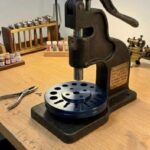
Next, you choose a design and prepare the mold. The shape and neatness of this early work matter because they affect the form of the finished metal piece. Staff explain the process and help you check your work. This is one point where the activity can feel less hands-on than some visitors expect: one participant wanted to do more of the beginning work themselves, while also appreciating the instructor’s help.
If you enjoy careful, small-scale work, this stage is part of the appeal. Take your time and ask for help before the pour. A well-prepared mold gives you a better chance of getting the result you want, and instructors such as Sojo, Yuki, Julie, and Nirandi have been praised for clear directions and patient support.
The molten-metal pour is the moment to focus
The central moment comes when the solid metal is heated until it becomes a bright, silvery liquid. You then pour it into the mold under staff guidance. The transformation is quick and dramatic, but this is also the point that calls for your full attention.
This is a real hot-work activity, not a pretend casting exercise. Fire, heat, and molten metal are involved, and the instructions are there for your safety. Follow them closely, keep your attention on the task, and wear the recommended closed-toe shoes and comfortable clothes. No prior experience is required, but you should be ready to work carefully.
Some accounts describe participants using a gas burner to melt the tin, while others emphasize the instructor’s role in preparing the mold and managing the process. The clear expectation is that staff guide you through the hot stages. Ask your instructor what you will handle directly when you arrive, rather than assuming every step is fully independent.
The one-hour format keeps the activity brisk. You have enough time to make something, but not to linger over every stage as you might in a longer craft course. The pour is memorable partly because the rest of the session builds toward it: first you prepare, then you see the metal take the shape you planned.
Filing and polishing turn a casting into your own piece
Once the metal has cooled and hardened, you work on the finish. Using workshop tools, you smooth and polish the surface until the form and metallic sheen become clearer. This is the part that asks for some effort. Several participants found that shaping the star took arm strength, and one described the filing as a worthwhile workout.
That physical work is useful to know before booking. If you are expecting a quick cast-and-go activity, the finishing stage may surprise you. If you like making things and seeing the result improve under your hands, it is where the souvenir starts to feel personal rather than mass-produced.
You can also engrave your initials on the finished shuriken. That small detail makes a practical difference: it marks the piece as yours and gives you a keepsake tied to the hour you spent making it. The staff can guide you through the steps, so you do not need metalworking experience to take part.
The finished object is a metal souvenir, not simply a decoration picked from a shelf. You have shaped the mold, watched the casting, and helped bring the surface to its final form. That is the strongest reason to choose this activity over buying a ninja-themed item elsewhere.
The instructor can make the hour easier
The staff are a major part of the experience. Visitors have named instructors including Yuki, Sojo, Julie, Nirandi, and Jolie, and the recurring praise is for patience, clear directions, and a lively manner. English and Japanese are listed as the workshop languages, which makes the practical instructions accessible to many international visitors.
Good guidance matters especially during mold preparation and the hot work. You want someone to explain what to do, check that you understand, and help before a small mistake carries through to the final piece. If you are unsure about a step, ask at once rather than trying to guess.
The experience can also work well for families with older children and for couples or friends looking for an activity together. Children under seven are not suited to the workshop. The safety requirements and focused work also mean it is best for participants who can listen carefully and follow directions throughout.




How it fits into an Arashiyama day
At one hour, the workshop is easy to pair with other plans in Arashiyama. It offers a useful contrast to sightseeing: you spend the time making something rather than moving from one landmark to another. The experience is described as away from the area’s crowds, but the workshop itself is still an indoor activity, not a way to see Arashiyama’s scenery.
Arrive ready to work, with comfortable clothes and closed-toe shoes. Do not bring weapons or sharp objects. The activity involves light physical effort during casting and finishing, so allow yourself enough time to complete each step without rushing.
Booking is flexible: you can reserve now and pay later, and cancellation up to 24 hours before the activity is eligible for a full refund. Check available start times when planning, since the duration is fixed at about an hour. If you are considering an upgrade, it is sensible to ask about the designs and extra cost before you begin.
Who will get the most from this workshop
This is a good fit if you like hands-on activities, have an interest in ninja culture, or want a souvenir with a story behind it. It also suits families with children aged seven or older, particularly if everyone is comfortable with a little filing and a careful approach to hot materials.
You may enjoy it less if you want a detailed history tour, a fully passive demonstration, or a long, open-ended craft class. The history introduction is brief, the session is compact, and the metalwork follows a guided process. The finished shuriken is the reward, but making it takes focus and some muscle.
For the price, the base workshop offers a distinctly personal memento and a glimpse of metal casting in action. Just keep the upgrade costs in mind, and choose the small included shuriken if you want to stay close to the advertised price.
Should you book it?
Book this if you want an unusual one-hour activity in Arashiyama and would rather make a souvenir than buy one. The casting, polishing, and engraving give the experience substance, while the instructors help keep the process manageable for beginners.
Skip it if heat-related work makes you uncomfortable, or if you are not interested in a hands-on task. Before paying extra, ask which sizes and styles are available and what they cost. With that simple check, this is a practical, memorable break from Kyoto’s usual sightseeing routine.
Kyoto: Craft Metal Ninja Weapons at Arashiyama Ninja House
FAQ
How long does the workshop last?
The activity lasts about one hour. Check the available starting times when planning your day.
How much does it cost?
The listed price is $32 per person. Larger shuriken designs and kunai may be available as paid upgrades, subject to availability.
What do I make?
The workshop includes casting a small metal shuriken. You shape its mold, help with the casting process, polish the piece, and can engrave your initials.
Is a larger shuriken included in the price?
No. The base activity includes a small shuriken. Larger designs and other options may cost extra, so ask about the price before choosing.
Is the workshop available in English?
Yes. The listed instructor languages are English and Japanese.
Do I need metalworking experience?
No prior experience is required. You do need to follow instructions carefully and stay focused during the workshop.
What should I wear?
Wear comfortable clothes and closed-toe shoes. The activity involves fire, heat, and molten metal.
Can children take part?
Children under seven are not suited to this activity. Participants should be able to work carefully and follow staff instructions.
Can I cancel after booking?
You can cancel up to 24 hours in advance for a full refund. The reserve-now, pay-later option is also available.
You can check availability for your dates here: