Kyoto’s religious life makes more sense when you see its Buddhist temple and Shinto shrine in one outing. This walk takes you from Tofukuji’s quiet rock garden to Fushimi Inari’s long ranks of red torii gates, then on to Gion’s historic streets, with a guide to explain what you’re seeing.
I like two things about the route: the guide puts Zen and Shinto ideas into plain language, and a small group of no more than 10 makes it easier to ask questions. The sweet or tea stop adds a welcome taste of local food culture. The trade-off is the distance: about 8 km over four hours, so this is not a gentle stroll for anyone who struggles with long walks or stairs.
- What makes this walk worthwhile
- From Kyoto Station to a quieter side of Kyoto
- Tofukuji’s rock garden and the Zen pause
- Fushimi Inari’s red gates and fox messengers
- Gion’s lanes, geisha culture and a sweet pause
- Four hours, a small group and sensible shoes
- Is good value for this Kyoto walk?
- Who should book this walk?
- FAQ
- How long is the tour?
- How much walking is involved?
- What places does the tour visit?
- Is the guide’s language English?
- How large is the group?
- Is the tour suitable for children?
- Is the sweet or tea included?
- Can dietary needs be accommodated?
- Can I cancel or pay later?
- The Best Of Kyoto!
- More Walking Tours in Kyoto
- More Tours in Kyoto
- More Tour Reviews in Kyoto
- Not for you? Here's more nearby things to do in Kyoto we have reviewed
What makes this walk worthwhile
 1 / 8
 2 / 8
 3 / 8
 4 / 8
 5 / 8
 6 / 8
 7 / 8
 8 / 8
- Compare two faiths in one afternoon: See a Zen Buddhist temple and a Shinto shrine, with the guide explaining how their beliefs and practices differ.
- Walk beneath Fushimi Inari’s torii: Follow the striking red gates and learn why foxes appear as messengers of Inari.
- See Gion with context: Hear about geisha culture and the difference between popular stories and the realities of the district.
- Keep the group small: A cap of 10 helps make space for questions and a more personal pace.
- Finish with a local taste: A traditional sweet or tea offers a short, seasonal introduction to Kyoto’s food customs.

👉 See our pick of the 25 Best Workshops And Classes In Kyoto
From Kyoto Station to a quieter side of Kyoto
The tour starts near Kyoto Station, a practical meeting point if you are staying nearby or arriving by train. A clear starting location matters in a city with several major sightseeing areas: it lets you begin the walk with less time spent puzzling over where to meet.
The first stop is Tofukuji Temple. It offers a quieter counterpoint to the more famous sights ahead, and its rock garden gives the guide a concrete way to introduce Zen design and Buddhist ideas. Rather than just admiring the arrangement of stones, you can ask what the garden is meant to suggest and how Zen practice shapes the way it is viewed.
Entry to Tofukuji is included. That is useful because the garden is not simply a photo stop; its meaning is part of the tour’s main thread. If you already know a little about Buddhism, you can use the visit to sharpen your understanding. If you are new to it, the guide’s explanations can make a seemingly spare garden feel less mysterious.
The route also passes through a local neighbourhood between major sights. That transition is easy to overlook when planning a trip around famous temples and shrines, but it gives you a glimpse of everyday Kyoto rather than a string of postcard views. The tour is designed to connect places, not just check them off.
You can also read our reviews of more walking tours in Kyoto


Tofukuji’s rock garden and the Zen pause
At Tofukuji, give yourself a moment to look before reaching for your camera. A rock garden can seem simple at first glance, but its spare design is part of the point. Your guide explains the symbolism and the principles of Zen Buddhism, helping you notice details you might otherwise pass by.
This stop also sets up a useful contrast. The quiet, ordered temple garden prepares you to see Fushimi Inari not as another religious photo backdrop, but as a place shaped by a different tradition. The guide explains the difference between Buddhism and Shinto, so the two sites become part of one story rather than separate entries on a sightseeing list.
The temple visit is a good fit for curious first-time visitors who want interpretation without a long lecture. Past guide names have included Julian, Sean and Ko, among others; assignments can vary. The important thing is the tour’s English-language guidance and the chance to ask questions as you go.
Fushimi Inari’s red gates and fox messengers
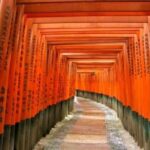
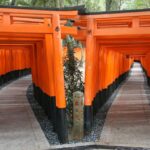
Fushimi Inari is the tour’s most instantly recognizable stop. You walk through its famous rows of red torii gates and learn about Inari, the Shinto deity associated with the shrine, and the foxes that serve as messengers. The guide can give the gates and fox imagery a meaning that is easy to miss if you arrive, take a few pictures and leave.
The shrine is an active place of worship as well as a major sight. That distinction matters: you are not just looking at architecture, but visiting a place where religious practice continues. A guide can help you approach it with respect and explain the symbols without reducing them to decoration.
Be realistic about the time. Fushimi Inari is extensive, and this tour also includes Tofukuji and Gion. It introduces the shrine and its central features, but it is not a dedicated hike through every part of the complex. One past participant wished for more time there, a fair point if the shrine is your top priority. If you want to spend a long stretch walking farther up the mountain, consider visiting separately as well.
The walk is about 8 km overall, and the shrine route involves uneven ground and stairs. Comfortable shoes are essential. If you have limited stamina or find stairs difficult, this is a meaningful consideration, not a minor footnote. Some past participants found the pace comfortable and unhurried; one described parts of it as demanding. Your own comfort will depend on your walking speed and how you handle a full afternoon on foot.
Gion’s lanes, geisha culture and a sweet pause
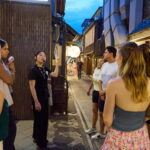
The last main area is Gion, Kyoto’s historic geisha district. You walk past traditional wooden houses as your guide explains the area’s culture and separates myth from fact. That context is valuable because geisha and maiko are often treated as a spectacle; a thoughtful explanation gives you a more respectful and grounded way to understand the traditions.
Gion is also a good place to continue exploring once the tour ends. The walk finishes at Gion Corner, so you can stay in the district for your evening or ask the guide for practical directions onward. A past participant appreciated help finding a bus back to Kyoto Station, but transport assistance should be treated as a useful possibility rather than a promised part of the tour.
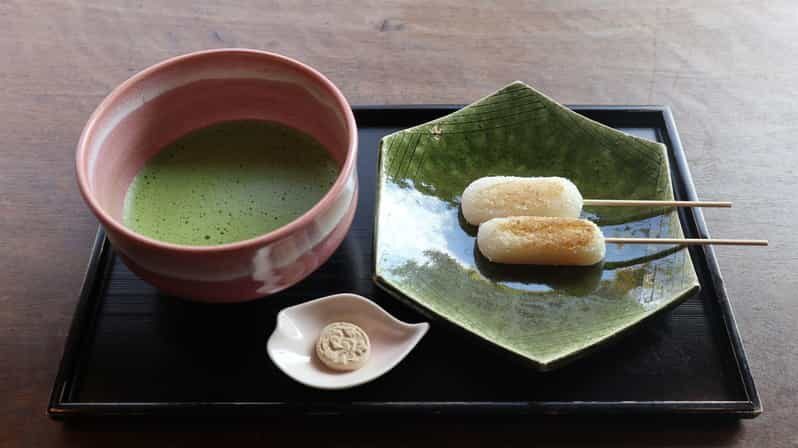
The included tasting is a traditional sweet or local tea, with the selection depending on the tour. It is a small serving, not a meal, but it makes a nice pause after the walk and opens the door to Kyoto’s food customs. Seasonal changes can affect what is available. Vegetarian, vegan and gluten-free choices may be possible, but they cannot be guaranteed, so contact the operator before booking if a dietary requirement is important.
More Great Tours NearbyFour hours, a small group and sensible shoes
This is a half-day walk, not a bus tour. The stated distance is approximately 8 km, and the route connects several distinct areas on foot. The small-group limit of 10 helps keep the experience conversational, but it does not reduce the physical demands of the itinerary.
Wear comfortable walking shoes and dress for the day’s weather. One past participant advised bringing an umbrella, a useful reminder in Kyoto if rain is in the forecast. There are opportunities to stop and look around, and past participants have described time for photos and independent viewing, but you should not expect long breaks at every stop.
Families are welcome, and children under 6 can join free of charge. Still, free entry does not make the walk short: consider whether young children in your group can manage several hours and the distance. The tour is led in English, so it works best if you can follow spoken explanations and want to take part in questions and conversation.





Is $47 good value for this Kyoto walk?
At $47 per person, the price covers a four-hour guided walk, entry to Tofukuji’s Zen rock garden, visits to Fushimi Inari and Gion, and a sweet or tea tasting. The main value is not the number of stops. It is having someone explain the religious ideas and local customs that link them, while handling the route between places.
For a first visit to Kyoto, that context can save time and make the sights more rewarding. You can ask about the fox messengers, Zen garden design or geisha culture as questions come up, instead of trying to piece everything together from signs and guidebooks. A maximum group of 10 is another plus if you prefer discussion to a large crowd following a flag.
There are limits. Additional food and drinks are not included, and the tasting is modest. The tour also cannot give Fushimi Inari the attention of a full shrine visit, and you will be walking a substantial distance. If your priority is a slower pace, a long stay at one site or a more leisurely afternoon, you may prefer to arrange the sights independently.
The operator is a Certified B Corporation, a company verified against standards for social and environmental performance, transparency and accountability. That may matter if you consider a company’s wider practices when choosing an activity, though it does not change the route or what is included.
Who should book this walk?
I would choose this tour if you have limited time in Kyoto and want a structured introduction to three important sides of the city: Zen Buddhism, Shinto and Gion’s geisha culture. It is especially useful early in a visit, when a guide can help you get your bearings and give you better questions to carry into later temple and shrine visits.
It also suits solo visitors who want company while exploring, families with older children who enjoy walking and asking questions, and travellers who prefer local explanation to simply collecting photos. Past guides have included Julian, Sean, Ko and others, with participants valuing clear explanations, patience and an engaging style. Since guide assignments vary, book for the route and the small-group format rather than expecting a particular person.
Think twice if 8 km is beyond your comfortable range, if stairs are a problem or if you want to spend most of your time at Fushimi Inari. In those cases, visiting fewer places at your own pace may be a better fit.
For a first taste of Kyoto’s temples, shrine customs and historic streets, this walk offers a sensible mix and a strong amount of context for the price. Bring good shoes, keep your expectations realistic about time at each stop, and book it if you want an active introduction rather than a deep visit to one site.
Kyoto Walk: Fushimi Inari, Gion & Zen Culture
FAQ
How long is the tour?
The tour lasts four hours.
How much walking is involved?
Expect approximately 8 km of walking. Comfortable shoes are recommended.
What places does the tour visit?
It includes Tofukuji Temple and its Zen rock garden, Fushimi Inari Shrine, and Gion.
Is the guide’s language English?
Yes. The tour has a live English-speaking guide.
How large is the group?
The group is limited to 10 participants.
Is the tour suitable for children?
Yes. It is described as family-friendly, and children under 6 can join free of charge.
Is the sweet or tea included?
Yes. The tour includes a traditional sweet or local tea tasting. Additional food and drinks are not included.
Can dietary needs be accommodated?
Vegetarian, vegan and gluten-free options may be available, but they are not guaranteed because the menu can change seasonally.
Can I cancel or pay later?
You can cancel up to 24 hours in advance for a full refund. Reserve-now, pay-later booking is also available.
You can check availability for your dates here: