Tokyo’s neon streets are only the opening act on this 14-day trip. You’ll ride a Shinkansen, take a boat across Lake Ashinoko, walk through Hiroshima’s Peace Memorial Park and sleep at a Buddhist temple lodge on Mount Koya. It is a broad sweep of Japan’s main island, with cities, mountain towns and sacred sites packed into two weeks.
I like the mix of major cultural landmarks and smaller-town stops, especially Takayama and Mount Koya. I also like that rail, local transport and many guided visits are arranged for you, so you can focus less on tickets and connections. The tradeoff is a brisk pace: expect frequent changes of transport, substantial walking and, on some days, a small bag while your main luggage travels ahead.
At a glance
- A cross-section of Honshu: The route links Tokyo, Hakone, Takayama, Hiroshima, Miyajima, Kyoto, Mount Koya and Osaka.
- Several standout journeys: Shinkansen trains, a Hakone mountain train, a Lake Ashinoko boat and the Owakudani cable car are part of the trip.
- A rare overnight: You spend one night at a Buddhist temple lodge on Mount Koya, with a vegetarian dinner and an early morning prayer service.
- A city-and-countryside balance: Tokyo and Osaka bring big-city energy; Takayama and Koya-san offer a slower, more traditional setting.
- Free time is part of the plan: Some days include guided visits, while others leave room for your own choices.
- Pack for walking and luggage forwarding: Comfortable shoes are essential, and you’ll need a small carry-on for periods without your main suitcase.

👉 See our pick of the 25 Best Guided Tours In Tokyo
- At a glance
- What this two-week route does well
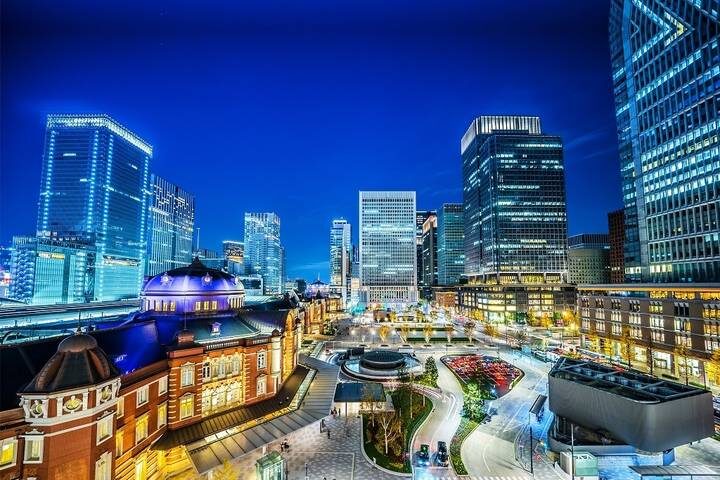
- Tokyo: gardens, shrines and the scramble of Shibuya
- Hakone: a lake crossing and a cable car
- Takayama: old houses, market stalls and an onsen
- Hiroshima and Miyajima: remembrance, then sea views
- Kyoto: temples, a castle and room to choose
- Mount Koya: a temple night and an early start
- Osaka: street food, markets and a final night
- Pace, luggage and the real cost
- Who should book this Japan tour?
- FAQ
- Where does the tour start and end?
- How many breakfasts and dinners are included?
- How much walking should I expect?
- Will my suitcase travel with me every day?
- Are entrance fees included?
- What transport does the tour use?
- What is the group size and language?
- Is there an age limit?
- The Best Of Tokyo!
- More Tours in Tokyo
- More Tour Reviews in Tokyo
- Not for you? Here's more nearby things to do in Tokyo we have reviewed
What this two-week route does well
 1 / 8
 2 / 8
 3 / 8
 4 / 8
 5 / 8
 6 / 8
 7 / 8
 8 / 8
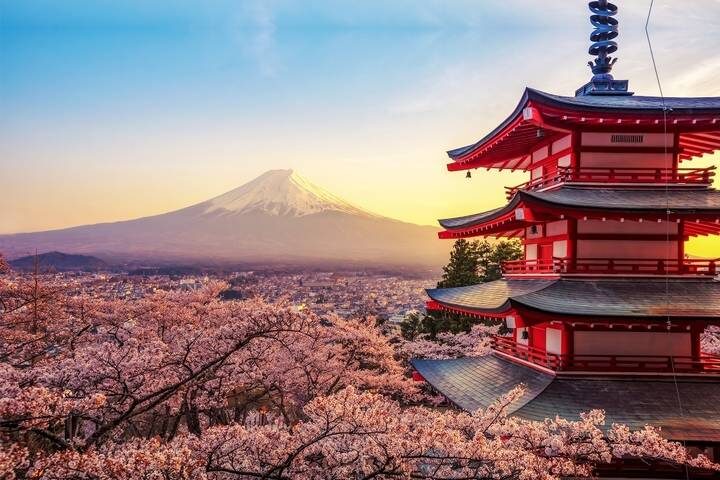
The tour starts in Tokyo and ends in Osaka, covering a wide range without asking you to plan every train, cable car and ferry yourself. The group size is listed as 2 to 20, and an English-speaking Travel Talk tour leader accompanies the trip. Local guides also lead selected visits, including at Hida Folk Village, Miyajima and Mount Koya.
The most praised features of the experience are its route, the variety of places visited and the help a good tour leader can provide with Japan’s transport network. Past departures have had tour leaders named Tatsuya, Tea, KJ, Akemi and Yoshi, though your leader will depend on your departure. Guide quality has varied, so treat the guided element as practical support and local context, not a promise of continuous lectures or a fixed guide.
This is not a coach tour where you watch the country through a window and step off at a few landmarks. You’ll use trains, subways, buses, cable cars and your own feet. That makes the journey feel close to everyday Japan, but it also means you should be ready to manage station crowds, stairs, connections and a fast-moving schedule.
You can also read our reviews of more tours and experiences in Tokyo.
Tokyo: gardens, shrines and the scramble of Shibuya
Your first evening is a welcome meeting at 6:30 p.m. in the hotel lobby. The listed Tokyo hotels vary by departure, with options including Metropolitan Ikebukuro and several Candeo properties. Final hotel details may not be confirmed far in advance, so avoid building a tight airport-to-hotel plan until you know where you’re staying.
On Day 2, the guided route takes in Hama Rikyu Garden and Meiji Jingu Shrine, followed by a walk through Shibuya and Harajuku. The contrast is the point: a calm garden and wooded shrine grounds, then the crowds and street scenes of two famous city districts. The afternoon is free, so you can choose a museum, return to a neighborhood or simply get used to Tokyo’s scale.
Day 3 leaves the morning open before the group heads to Hakone around noon. If Tokyo is new to you, arrive early enough to get your bearings before the tour begins. One past participant advised buying a Suica or Pasmo transit card and allowing extra time in the city. These are sensible preparations, especially if you want to explore independently.
Hakone: a lake crossing and a cable car
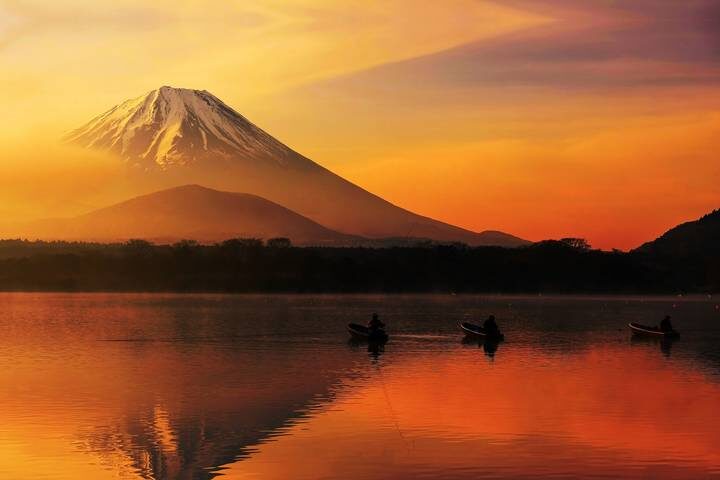
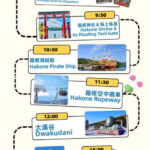
The train journey to Hakone takes about two hours. This mountain region is known for hot springs and views of Mount Fuji, but those views depend on the weather. The day’s activities include a walk, a boat ride on Lake Ashinoko, Hakone Shrine, the Tokaido Checkpoint and a 30-minute ride on the Owakudani cable car.
That is a good variety for a single day, though it leaves little room to linger. The gondola route gives you views of the lake and the area’s sulfurous hot springs, while the shrine and checkpoint add historical context. A 500-yen entrance fee for the checkpoint is listed separately; the shrine is free. If Mount Fuji is hidden by cloud, the day still has scenery and history, but don’t make a clear Fuji view your only measure of success.
Takayama: old houses, market stalls and an onsen
Day 4 is a long transfer, combining local trains and a Shinkansen for about five hours. Once in Takayama, you visit Hida Folk Village with a local guide. Its preserved thatched-roof homes show aspects of rural life during the Edo period. It’s a welcome change after Tokyo and Hakone, though the travel day leaves less time to explore town.
The next morning brings a walk through Takayama’s traditional market, followed by the Merchant House and Takayama Jinya. The market is an appealing place to browse produce, flowers and crafts, and perhaps try a local snack. Sake tasting is an optional extra. You’ll then have free time, which is useful here: Takayama’s quieter streets invite a slower wander, and there is an optional day trip to Shirakawago for 9,000 yen.
The listed Takayama hotels include properties with onsen or spa facilities. That can be a welcome reward after a day on foot. Take note that the hotel may vary by departure, and the trip’s hotel descriptions do not guarantee the same property for every group.
Hiroshima and Miyajima: remembrance, then sea views
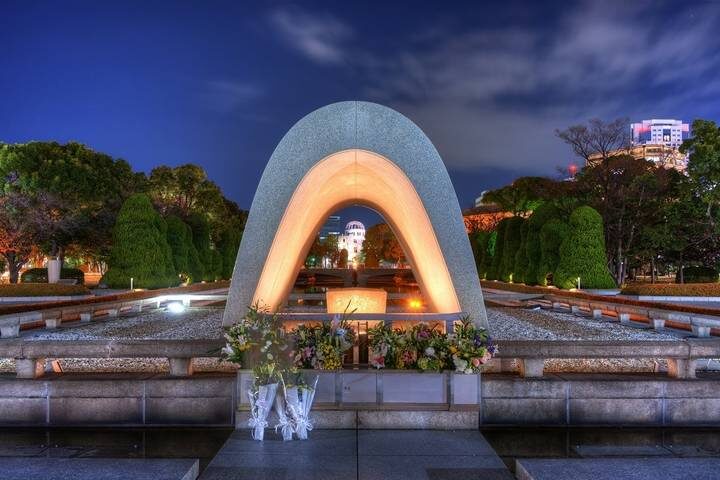
The roughly five-hour journey from Takayama to Hiroshima is another substantial rail day. After arriving, you visit Peace Memorial Park, the Peace Memorial Museum and the A-Bomb Dome with your guide. The museum and park offer essential context about the 1945 atomic bombing and Hiroshima’s recovery. The visit is emotionally weighty, and you should leave yourself room to take it at your own pace.
The museum entrance fee is listed as 200 yen, separate from the tour price. The group has free time in the evening, but don’t expect a full extra sightseeing day after the journey and memorial visit.
On Day 7, you travel to Miyajima Island, about an hour from Hiroshima. A local guide leads visits to Itsukushima-jinja Shrine and the celebrated torii gate, which appears to float at high tide. A cable car takes you toward the summit of Mount Misen for views over the Inland Sea. The cable car fee is listed as 1,000 yen one way, and the shrine entrance is 300 yen.
Allow for a full day out. The island has enough to hold your attention, and you return to Hiroshima in the late afternoon. This is not the day to count on lots of spare time in the city.




Kyoto: temples, a castle and room to choose
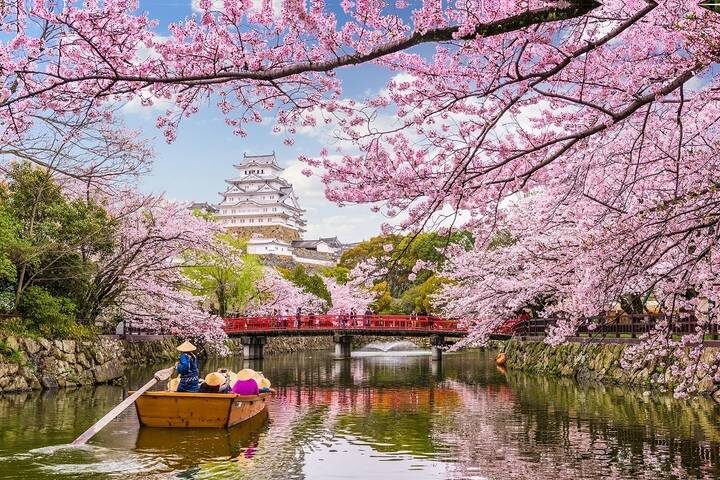
A two-hour Shinkansen ride brings you to Kyoto on Day 8. The first guided visit is Nijo Castle, once a Kyoto residence of the Tokugawa shoguns. Inside the Ninomaru Palace, cypress construction, gold-leaf decoration and detailed woodwork give you a sense of the political power behind the castle. The surrounding gardens offer a quieter counterpoint.
Day 9 uses public buses to reach three or four cultural sites, selected according to the season. Possible stops include Kiyomizu-dera, Nanzenji, Ryoanji, Nishiki-Koji Market and the Kyoto National Museum. The exact route can vary, so don’t assume you’ll see every place on the list. A one-day bus pass is included, and you can use the afternoon to revisit a favorite spot or head elsewhere.
Day 10 is fully free for Kyoto and nearby towns. That flexibility is welcome after several scheduled visits, but it puts some planning on you. Ask your tour leader for suggestions, and decide in advance which temples, neighborhoods or museums matter most to you. Kyoto’s many sites can blur together if you try to tick off too many in one day.
Past departures have had complaints about hurried visits and changes to planned stops. The practical lesson is to confirm the next day’s plan with your leader and keep a short list of priorities. The route is broad, but not every optional or advertised stop is guaranteed on every departure.
Mount Koya: a temple night and an early start
The journey from Kyoto to Mount Koya takes about three hours by train, cable car and local bus. With more than 100 temples and monasteries, Koya-san feels quite different from the large cities. Your guided visit includes the Okunoin Cemetery and Kobo Daishi’s mausoleum, as well as Kongobuji Temple and the Garan sacred area.
The overnight stay is a highlight for anyone curious about Buddhist practice. You sleep in a traditional shukubo, or temple lodge, and have an included shojin ryori dinner, a vegetarian Buddhist meal. The setting is special, but it is also a shared cultural experience rather than a standard hotel night. Keep an open mind about the routine and the food.
You’ll wake early for the morning prayer service and Goma fire ritual, where a priest burns wooden sticks while chanting and beating taiko drums. It can be a powerful moment, but the early start is real. The next morning, you travel onward to Osaka by bus, cable car and train, so a good night’s rest before Koya-san is worth protecting.
Osaka: street food, markets and a final night
After arriving in Osaka on Day 12, the afternoon is free. Shinsekai offers an older neighborhood feel, while Dotonbori is known for neon signs, canals and street food. Try local specialties such as takoyaki or kushikatsu if they appeal, but remember that meals beyond the listed breakfasts and Koya dinner are your responsibility.
Day 13 begins at Kuromon Market, where roughly 150 shops sell seafood, yakitori, sushi and sweets. You then visit Osaka Castle and walk through Dotonbori. The castle entrance fee is listed at 600 yen. The afternoon is free, which gives you time to browse, eat or revisit a district without the group schedule.
Osaka is a lively finish, though some people may prefer more time in Kyoto or a quieter final stop. The final morning includes breakfast and hotel checkout at 10 a.m. If you’re flying home that day, check your flight time carefully and plan the transfer from the hotel separately.
Pace, luggage and the real cost
The tour is described as low intensity, but that label needs context. It does not mean low walking. Past participants have reported days of 25,000 steps or more, along with stairs, gravel paths and quick transfers. Your own step count will depend on the day and how much you do during free time, but good walking shoes are a must. Rain gear and a small snack are practical additions.
Your main suitcase may be forwarded separately and unavailable for one or two days. You can take a small backpack or carry-on on the train, so pack a change of clothes, medication, chargers and anything else you cannot do without. This matters most on transfer days and during the Mount Koya stay. Large cases can be awkward on public transport, so pack with station stairs and crowded buses in mind.
The price covers accommodation, an English-speaking tour leader, arranged transport and many listed visits. It also includes breakfast on Days 2 through 14 and one dinner at Mount Koya. Flights, insurance, most lunches and dinners, personal expenses, tips and some admission fees are not included. Optional activities range from 5,000 yen for the Osaka cooking class to 9,000 yen for the Shirakawago day trip; several Kyoto and food tours cost 8,000 yen.
That structure can offer good value if you want the route and transport organized, especially if Japanese rail connections feel daunting. It is less compelling if you expect a fully escorted package with private vehicles, every meal and attraction included, or long guided explanations at each stop. The transport category and food category are weaker parts of the overall rating, so budget for extra meals and entrance fees, and expect public transport rather than a private coach.
Who should book this Japan tour?
I’d consider this tour if you want to see several regions in two weeks, are comfortable walking a lot, and like a mix of scheduled highlights and independent time. It suits curious first-time visitors who want help with the complicated logistics but don’t need a guide beside them every hour.
Think twice if you need a slow pace, dislike changing trains with a group, or want every major admission included in the upfront price. The age range is listed as 18 to 59, though the operator’s information says flexibility may be possible; ask before booking if you fall outside that range. If you’re ready for early starts, luggage forwarding and full days on your feet, the route gives you a memorable first look at Japan, from Tokyo’s city streets to the stillness of Mount Koya.
Ultimate Japan-2025 by Travel Talk – 14-Day Tokyo to Osaka Tour
“The good news: We got to see more regions in Japan than most two week tours. We traveled with interesting, kind and fun people. The bad news: trave…”
FAQ
Where does the tour start and end?
It starts in Tokyo and ends in Osaka. The welcome meeting is scheduled for 6:30 p.m. on Day 1 at the hotel lobby, and checkout on Day 14 is at 10 a.m.
How many breakfasts and dinners are included?
The day-by-day schedule lists breakfast from Day 2 through Day 14, for 13 breakfasts, plus one dinner at the Mount Koya temple lodge. Other meals are not included.
How much walking should I expect?
The tour is rated low intensity, but it involves plenty of walking, stairs and transfers on foot. Past participants have reported very high daily step counts, so bring comfortable walking shoes.
Will my suitcase travel with me every day?
No. Large luggage is transferred separately and may be unavailable for one or two days. You can carry a small backpack or carry-on with you, so pack essentials for the gap.
Are entrance fees included?
Some activities are included, but many site entrance fees are extra. Listed examples include 200 yen for Hiroshima Peace Memorial Museum, 300 yen for Itsukushima-jinja Shrine and 600 yen for Osaka Castle.
What transport does the tour use?
The route uses trains, Shinkansen bullet trains, local buses, cable cars and a boat on Lake Ashinoko. The tour information also lists luggage transfers.
What is the group size and language?
The listed group size is 2 to 20, and the tour is guided in English by a Travel Talk tour leader.
Is there an age limit?
The tour is listed for ages 18 to 59. The operator’s information says the age range is a guideline and that flexibility may be possible; a 17-year-old may join with a parent or guardian. Check directly with the operator if you’re outside the stated range.