Tokyo’s fire ceremony, the black wooden halls of Matsumoto Castle, a forest walk to see hot-spring macaques, and the sobering Peace Park in Hiroshima make this a rail trip with real variety. You get a private journey for your own party, but not a private guide every day: most of the route is self-guided, with local guides in Tokyo, Hiroshima and Kyoto.
I like the freedom to set your own pace on several days, and the practical support that makes independent train travel in Japan far less daunting. The stay in a family-run Takayama ryokan, with an onsen and a multi-course kaiseki dinner, adds an especially memorable night. The trade-off is a full schedule with frequent hotel changes, long train days and plenty of walking.
- What makes this Tokyo to Osaka rail trip worth a look
- Independent rail travel, with a safety net
- Tokyo: a fire ceremony, old streets and neon
- Matsumoto and Jigokudani: castle walls and macaques
- Kanazawa and Takayama: samurai streets, gardens and a ryokan night
- Hiroshima and Miyajima: remembrance and island air
- Kyoto: a guide helps you choose among thousands of sights
- Osaka: one last taste of Japan
- What the price covers, and what you should budget for
- Who should book this trip?
- FAQ
- Is this a fully guided tour?
- How long is the tour?
- Is the tour private?
- What language are the guides?
- How do I travel between cities?
- Is Mount Fuji guaranteed to be visible?
- How much walking is involved at Jigokudani?
- Is the Mount Misen hike required?
- What meals are included?
- Are flights included?
- The Best Of Tokyo!
- More Private Tours in Tokyo
- More Tours in Tokyo
- More Tour Reviews in Tokyo
- Not for you? Here's more nearby things to do in Tokyo we have reviewed
What makes this Tokyo to Osaka rail trip worth a look
 1 / 10
 2 / 10
 3 / 10
 4 / 10
 5 / 10
 6 / 10
 7 / 10
 8 / 10
 9 / 10
 10 / 10
- Three guided visits, plenty of independence: Local guides lead selected days in Tokyo, Hiroshima and Kyoto, while you explore many other stops on your own.
- The train is part of the experience: Ride local services and the Shinkansen, with tickets, an IC transport card and route guidance supplied.
- A strong mix of city and countryside: Tokyo and Osaka’s bright streets are balanced by Matsumoto, Kanazawa, Takayama and Miyajima.
- Wildlife with a worthwhile walk: Reach the Jigokudani snow monkeys by bus and a 45-minute forest trail.
- One traditional ryokan night: In Takayama, sleep on futons and tatami, soak in the onsen and share a kaiseki dinner.
- Plan for extra costs and busy days: Flights, most lunches and dinners, optional activities and some admissions are not included.

👉 See our pick of the 25 Best Guided Tours In Tokyo
Independent rail travel, with a safety net
This is a private tour in the sense that you travel with your own friends or family, not with a scheduled group. It is also partially guided. You receive a detailed information pack with train tickets, shuttle vouchers, maps, a transport card, suggested train times and local contact numbers. There is a 24-hour emergency contact, too.
That arrangement suits you if you enjoy exploring independently but would rather not work out every train connection from scratch. Japan’s rail network is well suited to this style of travel, and the provided instructions help turn stations, platforms and ticket validation into manageable tasks. Still, you need to read the pack and keep an eye on the clock. There is no tour leader travelling with you throughout the two weeks.
The guided days bring context and help at key points: Tokyo’s temples and neighborhoods, Hiroshima and Miyajima, and Kyoto’s historic sights. The named guides vary by departure, so there is no single guide to expect. English is the tour language.
You can also read our reviews of more private tours in Tokyo

Tokyo: a fire ceremony, old streets and neon
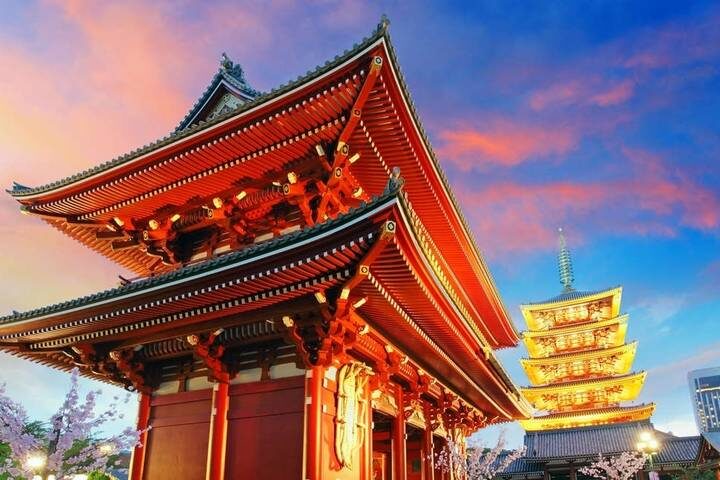
Your first day is for arrival and settling in. An airport shuttle takes you into Tokyo from Haneda or Narita, once you have supplied your flight details in time for the voucher to be arranged. If you arrive early, Ryogoku offers the Edo Tokyo Museum and Hokusai Museum; otherwise, head to Asakusa to wander around Senso-ji and its backstreets, where temples, food stalls and small shops offer a more traditional first impression.
The next morning is guided, beginning with a fire service at Fudo-do Temple. Sacred chanting and taiko drums accompany the ceremony, a striking introduction to Japanese Buddhist practice. It does not take place on Japanese public holidays, so the exact experience depends on your dates.
The route continues to Senso-ji, Tokyo’s oldest temple, then into Akihabara, where electronic shops and themed cafes show a very different side of the city. Your afternoon is free for Harajuku, Shibuya or Shinjuku. Tokyo is enormous, so choose one area rather than trying to conquer the whole map before dinner.
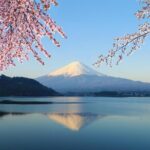
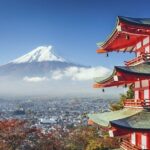
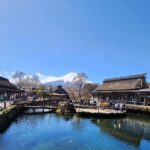
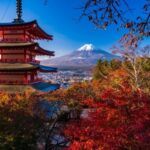
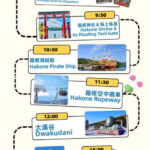
Day three is open for a self-guided excursion or more time in the capital. Hakone offers hot springs and possible Mount Fuji views; Nikko pairs forest scenery with the ornate Toshogu Shrine; Kamakura has temples, beaches and its nearly 800-year-old Great Buddha. These trips take roughly one to two hours each way, so each is a full day rather than a quick detour. If you stay in Tokyo, Skytree, Hamarikyu Gardens and a Sumida River cruise offer more manageable options.
Matsumoto and Jigokudani: castle walls and macaques
On day four, you take the train from Tokyo to Matsumoto, a journey of just under three hours. The main attraction is Matsumoto Castle, nicknamed Crow Castle for its dark exterior. Unlike a reconstruction, it retains its original wooden interior; the hidden floor and moon-viewing pavilion make the visit more than a quick photo stop.
The following day begins the week-long rail pass and takes you to Nagano, then onward by bus to Jigokudani. The final approach is a 45-minute walk through the forest, so bring footwear you can comfortably walk in. The Japanese macaques visit the hot springs throughout the year, though the snowy setting many people picture is seasonal. Entry is paid on site and is listed at about £20.
This is one of the trip’s more physical outings, and the monkeys are wild animals, not a staged performance. Their bathing behavior is unusual, but the walk and the setting are part of the appeal. If you want a quieter alternative, Nagano’s Zenkoji area is worth considering, though the planned visit here focuses on Jigokudani.
Kanazawa and Takayama: samurai streets, gardens and a ryokan night
A Shinkansen ride carries you from Nagano to Kanazawa. The city was once a stronghold of the Maeda samurai clan, and its historic quarters give you a welcome change of pace after Tokyo. Kenrokuen, begun in 1632 and developed over nearly two centuries, is the major garden visit. Its careful design is best enjoyed slowly, rather than squeezed between train connections.
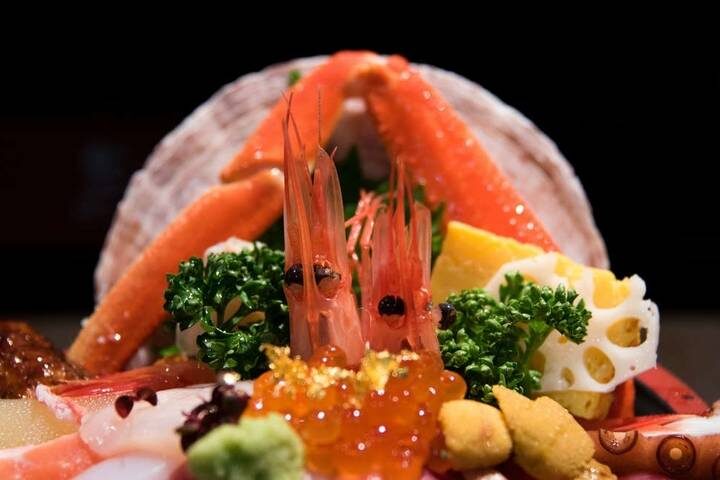
You have a full day to explore Kanazawa on your own. Omicho Market is a good place to look for seafood and local produce; try chirashi-zushi, sushi served over rice with toppings. The Higashi Chaya and Kazuemachi districts preserve traditional teahouse architecture. Myoryuji, better known as the Ninja Temple, is famous for hidden passages and defensive features, but you need to book ahead. The station’s tourist information office can help arrange a visit.
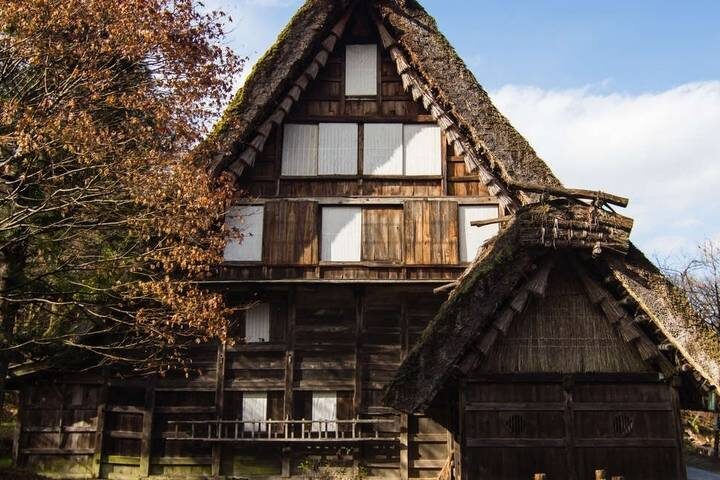
Local trains then take you to Takayama, where the Sanmachi Suji district’s old merchant houses and sake breweries preserve a distinctly different feel. You can visit Hida No Sato, an open-air collection of Edo-period houses, or stay in town and sample local sake.
The ryokan stay is a major change from a standard hotel night. Expect tatami mats, futon beds, an onsen bath and a kaiseki dinner built around seasonal dishes. It is a chance to slow down after several days of sightseeing, though traditional accommodation is not the same as a western-style hotel room. If you have never tried a hot spring bath, follow the house’s bathing instructions and enjoy the ritual rather than rushing through it.
Hiroshima and Miyajima: remembrance and island air
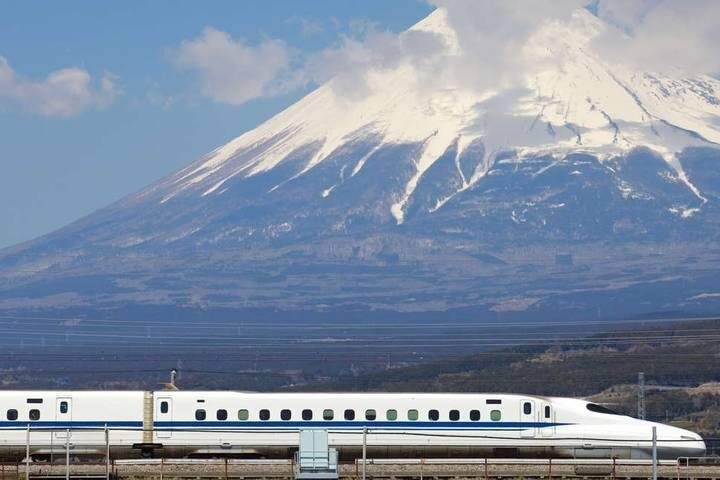
The journey to Hiroshima combines a scenic train ride along the Hida River to Nagoya with a Shinkansen connection. The bullet train covers the roughly 400 kilometres from Nagoya to Hiroshima in about two and a half hours. It is an efficient travel day, but still a substantial one, so do not plan an ambitious evening.
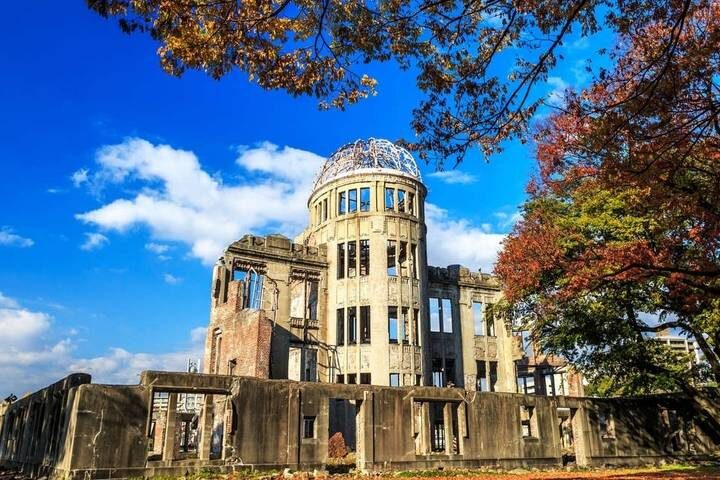
In Hiroshima, the Peace Memorial Park and museum put the 1945 atomic bombing into human and historical perspective. Allow time to take in the exhibits and grounds without rushing. The subject is painful, and the visit can feel emotionally demanding. Later, try Hiroshima-style okonomiyaki, with its ingredients layered and cooked on a hot plate.
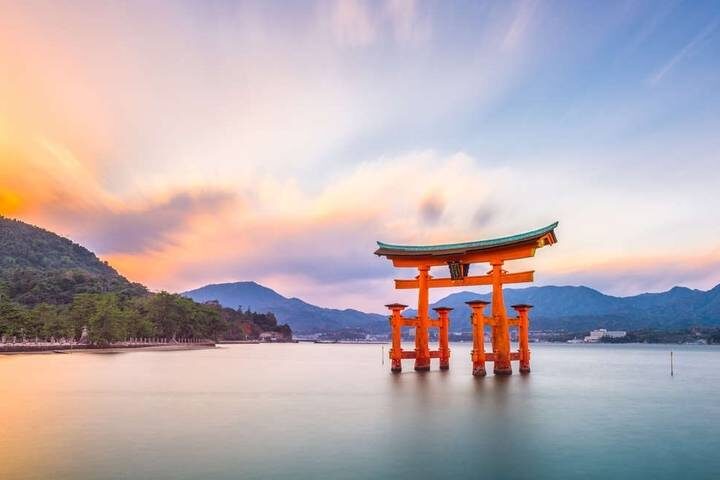
The next day, a local guide accompanies you by ferry to Miyajima. Itsukushima Shrine, built over the water, is the island’s signature sight; the torii gate appears to float when the tide is high. Daisho-in Temple offers a quieter counterpoint, with prayer wheels along its steps.
You can hike up Mount Misen, a climb of about 1.5 to 2 hours, or take the cable car. The summit gives views across the Inland Sea, and wild monkeys may be seen on the mountain. Deer wander freely around the island, so keep food put away. The ferry ride and island visit make a welcome break from the cities, though the day is still active if you choose the hike.




Kyoto: a guide helps you choose among thousands of sights
After about two hours on the Shinkansen, you reach Kyoto, Japan’s imperial capital for more than a millennium. Nijo Castle is a worthwhile first stop if time allows. Its gardens and gates are impressive, while its so-called nightingale floors were designed to chirp underfoot and alert the castle’s occupants to intruders.
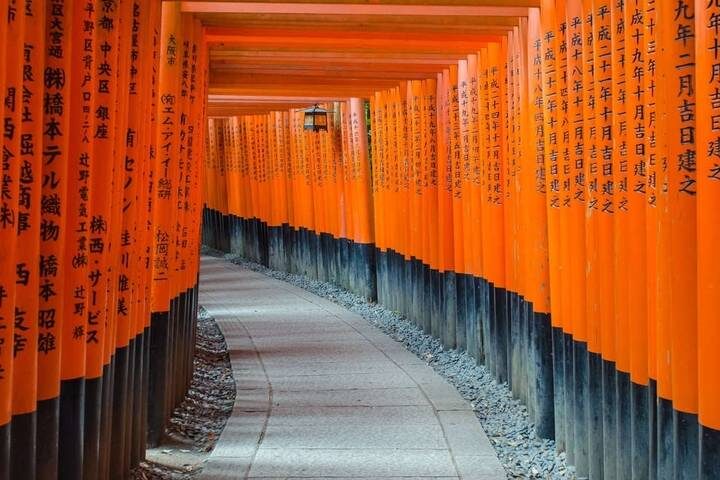
A local guide shapes the next day around your interests. An early visit to Fushimi Inari means walking beneath rows of red torii gates before the busiest hours. The Philosopher’s Path, Silver Pavilion, Eikando and Nanzenji offer a calmer day of temples and gardens. If food is your focus, Nishiki Market is a lively place to try local specialties.
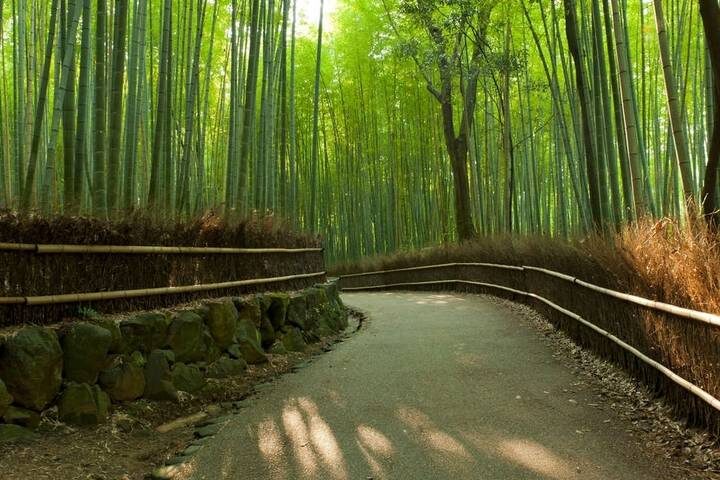
You could also choose Gion and a tea ceremony, or spend the day in Arashiyama, with its bamboo groves, Tenryuji Temple and a mountainside monkey park. Kyoto has more worthwhile sights than one day can hold. The guide helps you make a sensible choice, but you may still wish you had longer. Several people find Kyoto deserves an extra night, so consider adding time if your schedule allows.
Osaka: one last taste of Japan
The train from Kyoto to Osaka takes about 30 minutes. You can use the morning for Kiyomizu Temple and the walk to Kodaiji, with its bamboo grove, rock garden and historic teahouses, before heading south.
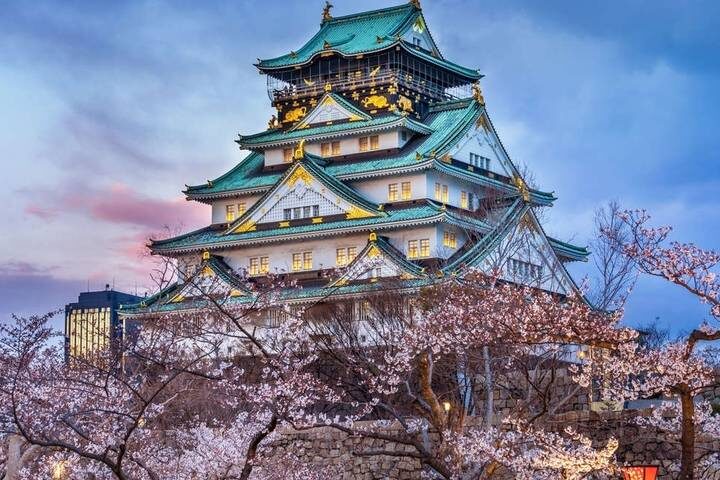
In Osaka, Namba is a lively area for covered shopping arcades, canals and smaller streets. If you prefer a broad city view, the Umeda Sky Building has a 360-degree outlook; Osaka Castle is another option. Finish with takoyaki, the local octopus-filled snack. The trip ends the following day with a private car transfer to Kansai International Airport, about two hours away, or Osaka International Airport, about an hour away.
What the price covers, and what you should budget for
No tour price is provided here, so judge value by what the package includes rather than by a headline figure. You get 12 nights in comfortable hotels, one premium hotel night, train travel, the inbound airport shuttle, an IC transport card, selected guided visits and a private car transfer to the airport. The Takayama ryokan night includes a kaiseki dinner.
The package includes 13 breakfasts and one dinner. Most lunches and dinners are your choice and expense, which is useful if you like choosing local restaurants, but it means food costs add up beyond the tour price. Flights, insurance, optional activities and other services are also excluded. The Jigokudani entry fee is paid on the day, and the Ninja Temple requires advance booking.
For value, the strongest point is the combination of transport planning and independence. You are not paying for a guide to accompany you every hour, but you do receive route support and guided help at selected destinations. That works best if you enjoy making some of your own choices and are comfortable following written instructions.
Who should book this trip?
This 14-day itinerary suits curious, reasonably active travelers aged 14 and over who want a broad introduction to Japan without joining a conventional group tour. You should be comfortable walking, carrying your day bag through stations and handling several changes of hotel. The physical rating is medium, with the Jigokudani forest walk and optional Mount Misen hike among the more demanding outings.
It is less suitable if you want a slow holiday, daily guided touring or long stays in each city. Tokyo and Kyoto each have enough to occupy several days, while Osaka gets only an afternoon and a final night. If you value independence, efficient rail travel and a mix of famous sights with smaller historic towns, this route offers a thoughtful first journey through central Japan. Check current departure availability before making plans, as no departure months are listed here.
Tokyo to Osaka by Rail – Private Tour (14 Days) with Explore!
“Absolutely AMAZING trip!! Raya was an excellent guide- her knowledge of history; local recommendations for food & free time; ability to deal with u…”
FAQ
Is this a fully guided tour?
No. It is a private, partially guided journey. Local guides lead selected visits in Tokyo, Hiroshima and Kyoto, while much of the travel and sightseeing is self-guided.
How long is the tour?
The itinerary lasts 14 days, starting in Tokyo and ending in Osaka.
Is the tour private?
Yes. The private tour is for your own friends or family rather than a scheduled group. It does not include a tour leader travelling with you throughout.
What language are the guides?
The tour is guided in English.
How do I travel between cities?
The itinerary uses trains, including the Shinkansen, along with a bus, ferry, airport shuttle and private car transfer. A transport card and travel information are provided.
Is Mount Fuji guaranteed to be visible?
No. Mount Fuji viewing is an optional day trip from Tokyo, and the tour information describes views as possible rather than guaranteed.
How much walking is involved at Jigokudani?
After taking a bus from Nagano station, you walk about 45 minutes through the forest to reach the snow monkey hot springs.
Is the Mount Misen hike required?
No. The hike takes about 1.5 to 2 hours, and a cable car is available as an alternative.
What meals are included?
The tour includes 13 breakfasts and one dinner, the kaiseki meal at the Takayama ryokan. Other meals are not included.
Are flights included?
No. You arrange and pay for flights yourself. A private car transfer to the airport is included at the end of the tour, with your flight details needed in advance.