Mount Fuji is the star, but the appeal of this day trip is seeing it from several angles: beside spring ponds, across Lake Kawaguchi, among seasonal flowers, and behind the red Chureito Pagoda. A coach links the stops from Tokyo, so you can skip the train changes and spend the day looking outward instead of checking connections.
I like two things in particular: the route gathers five well-known Fuji-area photo stops into one day, and guides such as Mits, Omar, and Koji have helped make the journey easier with clear timing and thoughtful assistance. You can also choose a Japanese noodle soup set or regional beef lunch rather than hunting for a meal between stops.
The trade-off is pace. The schedule is full, the pagoda requires a steep stair climb, and traffic or a queue for photos can shrink time at the sights. Fuji itself is weather-dependent, so no bus tour can promise the famous mountain will appear.
- At a glance: five Fuji-area stops in one day
- Why this route works from Tokyo
- Oshino Hakkai: clear ponds and village lanes
- Oishi Park: seasonal color beside Lake Kawaguchi
- Lake Kawaguchi: the broadest Fuji outlook
- Lawson Kawaguchiko Station: a fast photo stop
- Arakurayama Sengen Park: the pagoda climb
- Lunch choices and what they mean
- The real question: value versus pace
- Practical details before you book
- Should you book this Mt. Fuji day tour?
- FAQ
- How long is the tour?
- Which places does the tour visit?
- Is a meal included?
- What languages are available for the guide?
- Is the Chureito Pagoda viewpoint difficult to reach?
- Is Mount Fuji guaranteed to be visible?
- What is included in the price?
- The Best Of Fujiyoshida!
- More Tours in Fujiyoshida
- More Tour Reviews in Fujiyoshida
- Not for you? Here's more nearby things to do in Fujiyoshida we have reviewed
At a glance: five Fuji-area stops in one day
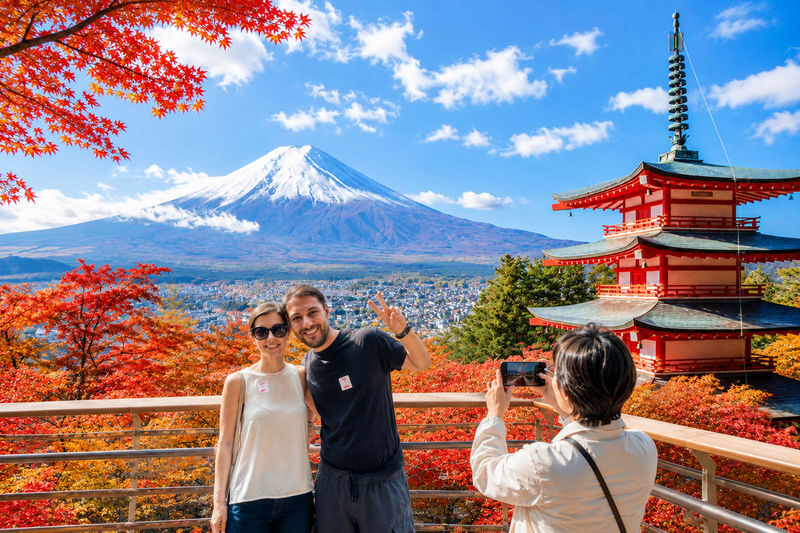

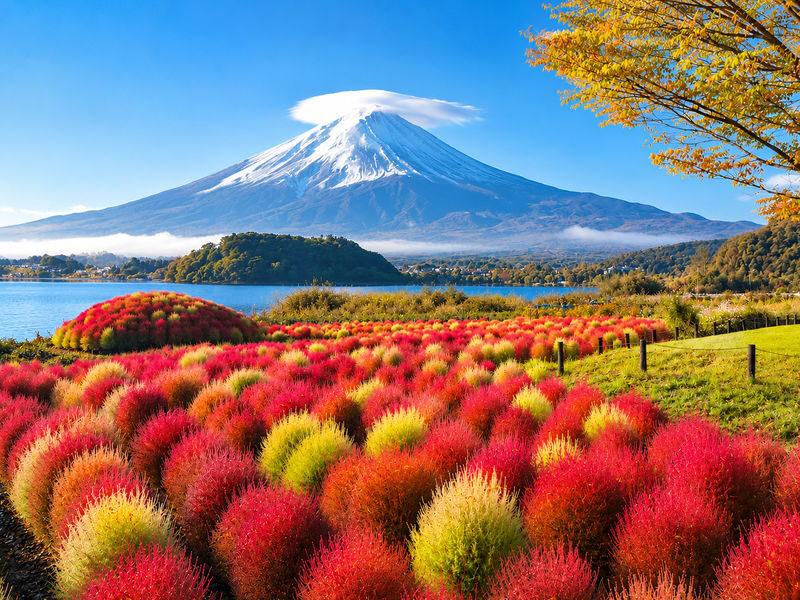
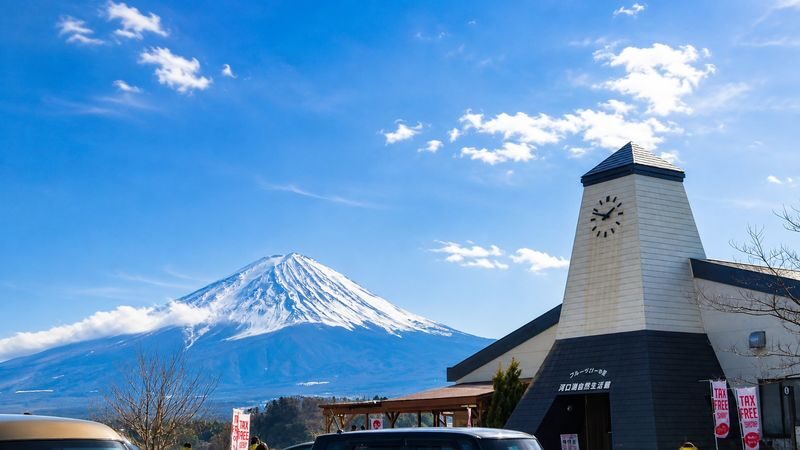
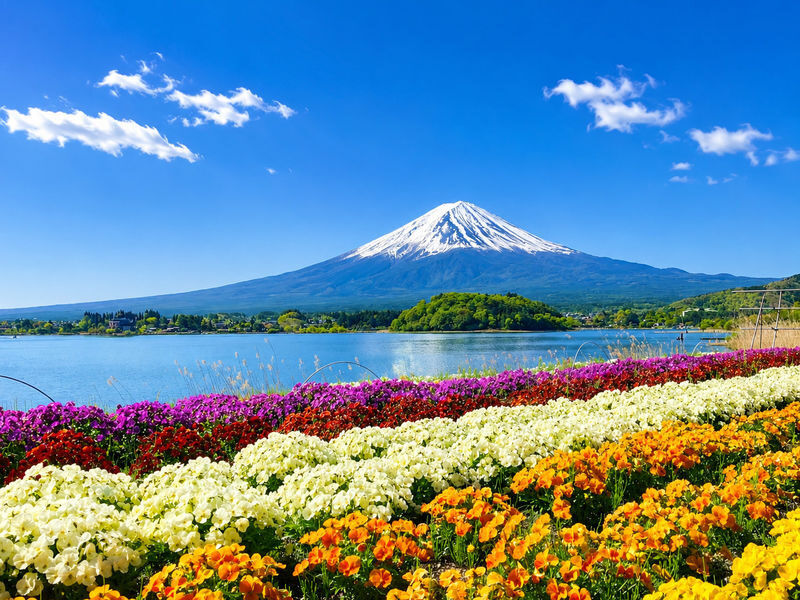
- Chureito Pagoda viewpoint: Reach the famous red pagoda and Fuji panorama by climbing the steps at Arakurayama Sengen Park.
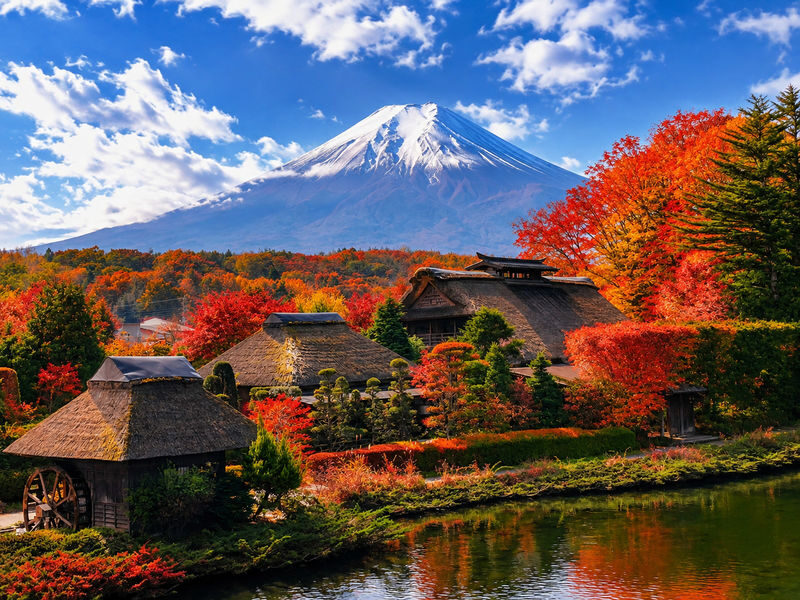
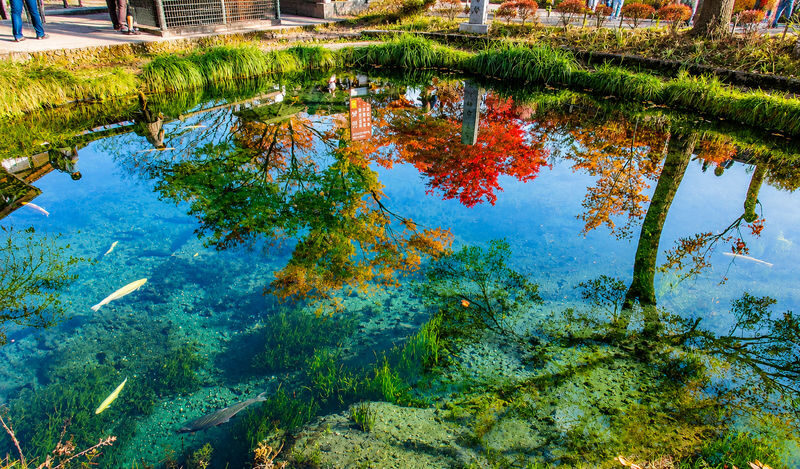
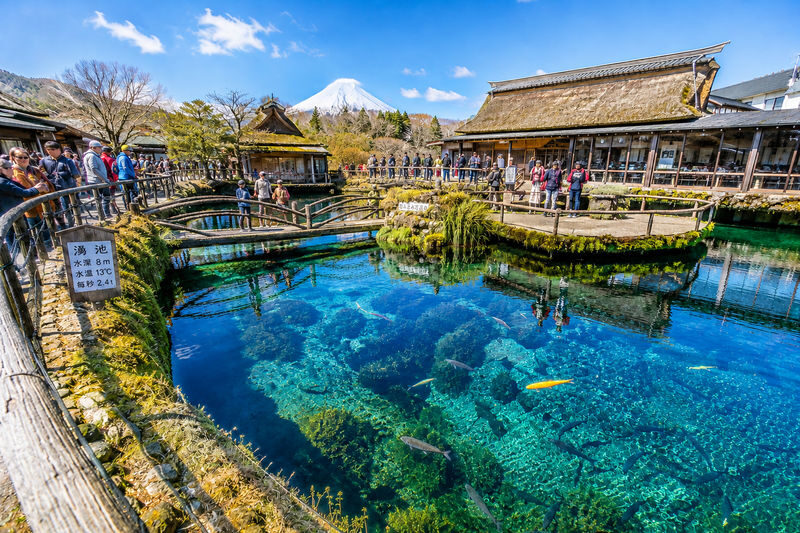
- Oshino Hakkai’s spring ponds: Spend 50 minutes among eight clear ponds and traditional village scenery.
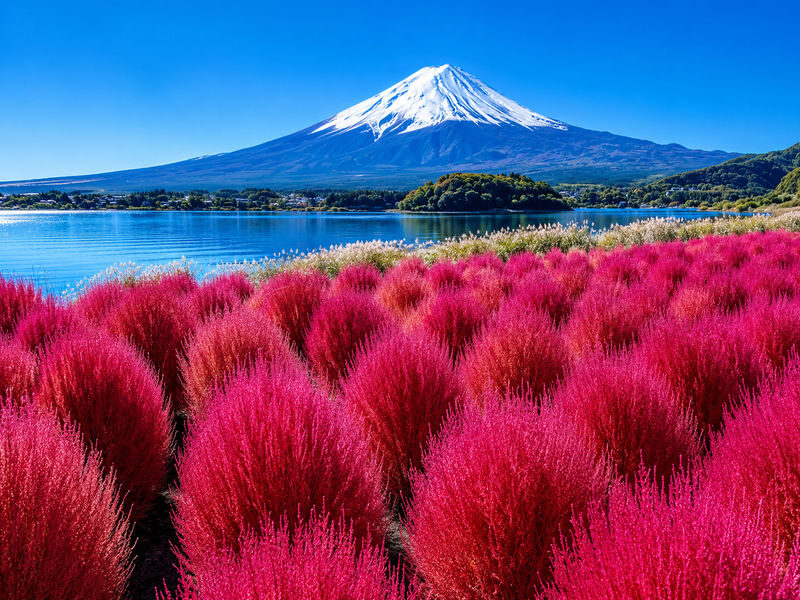
- Flowers and lake views: Oishi Park pairs seasonal displays with Lake Kawaguchi and Mount Fuji.
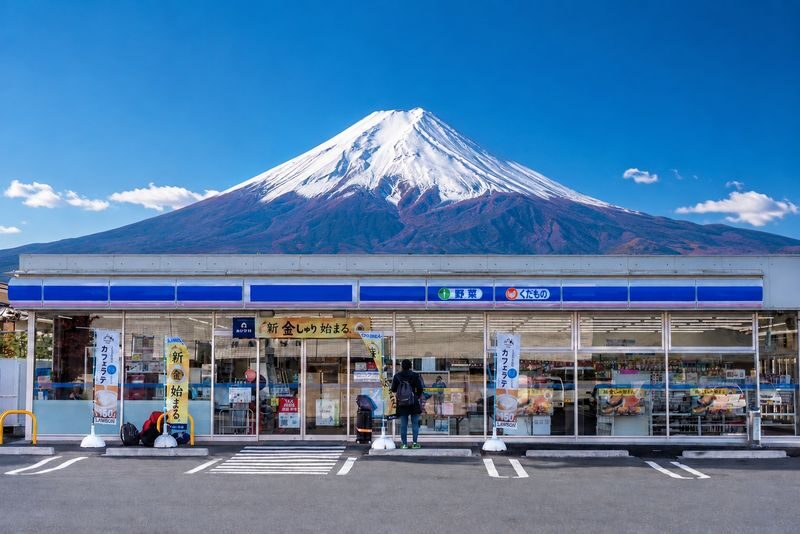
- A quick Lawson photo stop: The 20-minute visit is built around the store-and-Fuji composition.
- Coach convenience, with a brisk schedule: Round-trip transport avoids train transfers, but each stop is self-guided and time-limited.

👉 See our pick of the 3 Best Tours In Fujiyoshida
Why this route works from Tokyo
The Fuji area is spread across the Yamanashi countryside. Connecting its viewpoints by public transport can mean coordinating train and bus schedules, then allowing time for transfers. This tour handles the long journey by coach and strings together five familiar stops in a single day, from about 7:40 in the morning to a scheduled return around 18:10.
That convenience is the core of the value. At a starting price of $49.29, the trip can be an economical way to reach the area if you want a guided day out and do not want to arrange transport yourself. The price depends on the package you choose, and meals are not included in the no-meal option. Your total value also depends on what you want: a broad sampler suits this route better than a slow visit to one town or a long stretch beside the lake.
The coach ride is useful downtime, especially on a long day. An English- or Chinese-speaking guide leads the group, and round-trip transfers, tolls, and tax are included. Group size can range from one to 49, so the feel of the day may vary. Recent guide names include Mits, Mitsuko, Omar, Koji, and Chen, but your guide will depend on the departure.
There is also a complimentary Tokyo open-top bus ride offered as a benefit. Seats are limited, and it may be unavailable because of capacity or operational changes. Treat it as a possible extra, not a reason to book or a guaranteed part of the Fuji day.
You can also read our reviews of more tours and experiences in Fujiyoshida.


Oshino Hakkai: clear ponds and village lanes
Oshino Hakkai is the first scheduled stop, with 50 minutes to explore on your own. Its eight spring ponds are fed by Mount Fuji’s snowmelt, and the traditional village setting gives this visit a different feel from the open lake and park stops later in the day.
Use the time to walk between the ponds and take in the Fuji views when the sky is clear. The short stop means you will need to keep an eye on the clock, especially if you want to pause for photos or look around the village. This is a sampler, not a leisurely village visit.
The water and mountain connection are part of what makes the place more than a quick photo stop. The springs reflect the area’s relationship with Fuji, while the surrounding village offers a glimpse of a slower rural setting. If you prefer an unhurried walk, this stop may feel brief.
Oishi Park: seasonal color beside Lake Kawaguchi
Oishi Park is scheduled for 30 minutes. It is known for flowers that change with the season, including nemophila in spring, lavender in summer, and kochia in autumn. The display, lake, and mountain form the main attraction, so the view can be rewarding even if you are not keen on a long walk.
Keep expectations tied to the calendar. Flowers do not stay at their peak all year, and late-season visits may find few blooms. The mountain is also often hidden by cloud, even when the park itself is pleasant. If Fuji is visible, you get one of the route’s classic combinations; if not, the flowers and lake still give you something to see.
Thirty minutes is tight if you want to browse, take several photos, and buy a snack. Some people have found there was only time to get an ice cream and take a quick picture before returning to the coach. Decide what matters most as soon as you arrive.
Lake Kawaguchi: the broadest Fuji outlook
The itinerary allots 1 hour and 10 minutes for Lake Kawaguchi, the largest block of time at a stop. As one of the Fuji Five Lakes, it offers a wide view of the mountain and a calmer change of pace after the village ponds and park.
On still days, the lake can reflect Fuji in the scene often called Mirror Fuji. That reflection is a bonus, not a promise: wind, cloud, and visibility all shape what you see. Even without a reflection, the open water gives you a different perspective from the pagoda and flower park.
The schedule identifies the lake as a self-guided stop, and nearby attractions can vary with the day’s route. Kawaguchiko Natural Living Center, Maple Corridor, and Kawaguchiko Craft Park are among the area stops associated with the activity, but the timed itinerary does not assign each a separate visit. Follow your guide’s instructions rather than planning on extra time at any one of them.
Lawson Kawaguchiko Station: a fast photo stop
This 20-minute stop is for a distinctly modern Fuji-area scene: the familiar Lawson store with Mount Fuji rising behind it. The contrast between a convenience-store sign and Japan’s most famous mountain makes for an instantly recognizable photograph.
Keep this one simple. It is a brief photo opportunity, not a chance to browse the surrounding area at length. Be ready to follow the group’s timing and take your shot without holding up the return to the bus.


Arakurayama Sengen Park: the pagoda climb
The final major viewpoint is Arakurayama Sengen Park, home to Chureito Pagoda and the classic red-pagoda, Fuji, and seasonal foliage view. The stop is scheduled for 1 hour and 10 minutes, but the climb and any queue for the best-known photo angle take a meaningful share of that time.
The stairs are steep enough to make this the most physically demanding part of the day. A brisk climb can take around 15 minutes without stops, but that estimate does not include photo pauses, crowds, or the walk back down. The route may be difficult for anyone who has trouble with stairs or needs more time to climb. Several people have found the allotted time tight, particularly when a long line forms at the viewpoint.
The view is worth the effort when Fuji is clear, but the famous composition is not the only reason to go up. Give yourself time to catch your breath and enjoy the setting rather than treating the climb as a race. If mobility or stamina is a concern, consider carefully whether this stop fits your needs before booking.
Lunch choices and what they mean
You can book no meal, a Japanese noodle soup set, or a regional beef lunch option. Some packages are described as Koshu wine beef or black wagyu shabu-shabu. Menus can change with the season and ingredient availability, so check the exact package name and details for your date.
The included meal can make the day easier: you have one less food decision to manage during a packed schedule, and lunch is a chance to sit down. People who have chosen the noodle and beef sets have praised the food, though taste and menu can vary. The no-meal choice gives you more control over spending, but you will need to arrange your own food during the day.
Do not assume the lunch stop is time you can simply trade for more sightseeing. The schedule includes a meal option, and the day is planned around a group moving together. Choose based on convenience and appetite, not on the expectation that skipping lunch will guarantee longer at the viewpoints.
The real question: value versus pace
A starting price of $49.29 is appealing for a full-day outing with coach transport, a guide, tolls, and several stops. The tour makes particular sense if you are staying in Tokyo, want to see multiple Fuji-area highlights, and value not having to work out regional connections. For families or groups, travelling together by coach can also be simpler than coordinating separate transport.
But the value is less compelling if your priority is lingering. You are moving through five headline locations, not spending a whole day at Lake Kawaguchi or taking your time in Oshino Hakkai. The fixed schedule also leaves little room to absorb delays. Traffic has stretched the return journey for some departures, while congestion or photo lines can shorten time at the attractions.
Guide quality can shape the day. Guides such as Mits, Omar, and Koji have been praised for keeping the group organized, explaining the places, and helping people feel looked after. Other experiences have included hard-to-hear microphone audio, unclear meeting arrangements, or language that was difficult for some people to follow. A guide is a helpful part of the package, but the quality of explanations may vary by person and language.
Weather matters more than any other factor. Clear days can bring Fuji into view from several stops, while cloud or rain may hide it altogether. The ponds, village, lake, and park still make a day out, but if your only goal is a close, clear mountain photograph, remember that no itinerary can control the sky.
Practical details before you book
The tour runs roughly 10.5 hours, with morning departure options listed at 7:40 and 8:20. The supplied meeting instructions say to arrive 10 minutes early and look for a guide with a blue flag; check your voucher for the exact departure point and time. Meeting points can be confusing when signs are unclear, so allow time to locate the group rather than arriving at the last moment.
The scheduled return is around 18:10, with Shinjuku Station listed in the return information. Traffic can affect the actual timing, so avoid making a tight evening connection or booking an inflexible plan right after the tour.
Children aged zero to three may join free if they do not need a separate seat. The voucher is mobile and valid only for the date booked. Free cancellation is available up to 24 hours before the activity, and changes are generally allowed until that point, subject to exceptions for certain bookings. Check the terms attached to your own reservation.
Should you book this Mt. Fuji day tour?
Book it if you want an efficient, guided overview of the Fuji area and are happy to trade longer visits for several different viewpoints. The coach, range of stops, meal choice, and help from an English- or Chinese-speaking guide make it a practical day trip from Tokyo.
Skip it if you want a slow countryside day, have difficulty with steep stairs, or would be disappointed by a Fuji-free view. For the best chance of enjoying the schedule, travel light, keep your camera ready, and leave room for traffic. Most of all, go for the whole Fuji-area experience, not one perfect photograph.
Tokyo: Mt. Fuji, Arakurayama Sengen Park, Oishi Park, Oshino Hakkai
“Mitzu was very kind. The tour can feel a bit tight, but otherwise everything was very good.”
FAQ
How long is the tour?
The day runs from about 7:40 to 18:10, for a total duration of roughly 10.5 hours. Traffic and weather can affect the schedule.
Which places does the tour visit?
The timed route includes Oshino Hakkai, Oishi Park, Lake Kawaguchi, Lawson Kawaguchiko Station, and Arakurayama Sengen Park, including Chureito Pagoda.
Is a meal included?
Only if you choose a meal package. Options include Japanese noodle soup, a regional beef lunch set, or no meal.
What languages are available for the guide?
The tour includes an English- or Chinese-speaking guide. The available language may depend on the departure and package you select.
Is the Chureito Pagoda viewpoint difficult to reach?
The viewpoint involves a steep stair climb. The stop is scheduled for 1 hour and 10 minutes, but climbing and photo queues can make the visit feel rushed.
Is Mount Fuji guaranteed to be visible?
No. Visibility depends on the weather. Cloud or rain can obscure the mountain during the tour.
What is included in the price?
The tour includes round-trip transfers, toll fees, tax, and an English- or Chinese-speaking guide. Personal expenses are not included.