Matcha is the main event here: you learn to prepare the powdered green tea yourself, then taste it with Japanese sweets. It is a practical way to meet one of Kyoto’s best-known traditions without giving up half a day.
I like two things in particular: you take part instead of only watching, and the short session can fit between bigger plans. The sweets add a welcome hands-on element, though what you make depends on the package you book.
The main caveat is expectation. This is a brief class in a teaching space, not a long, hushed ceremony in a traditional tea room. If you want an elaborate setting and a full formal ritual, this may feel too basic.
- What to know before you book
- Matcha making, not just a performance
- Sweets bring a second craft to the table
- What happens during the 30-minute session
- The room and atmosphere: set your expectations
- The instructor and the language
- Is .05 good value?
- Who will enjoy this class most
- Should you book the Kyoto tea class?
- FAQ
- How long is the Tea Ceremony Class Experience in Kyoto?
- What is included in the class?
- Where is the meeting point?
- Do I need experience with matcha or tea ceremonies?
- What times can I book?
- Can I cancel or change my booking?
- The Best Of Kyoto!
- More Workshops & Classes in Kyoto
- More Tours in Kyoto
- More Tour Reviews in Kyoto
- Not for you? Here's more nearby things to do in Kyoto we have reviewed
What to know before you book
 1 / 6
 2 / 6
 3 / 6
 4 / 6
 5 / 6
 6 / 6
- You prepare matcha yourself: The class focuses on learning the basic steps, including how to whisk the tea.
- Sweets vary by package: Options include matcha and a tea ceremony class, a nerikiri sweet-making class, or a longer option with ohigashi and nerikiri.
- The listed class is short: The Tea Ceremony Class Experience is advertised as 30 minutes, a useful fit for a busy sightseeing day.
- The instructor makes a difference: Classes are described as clear, friendly, and engaging, though English support may vary.
- Arrive five minutes early: Your session begins at the time selected when booking. Late arrival can mean missing the class.
- It is an introduction, not a full formal ceremony: You get practical instruction and cultural context, but the room and format may feel more like a class than a traditional tea gathering.

👉 See our pick of the 25 Best Workshops And Classes In Kyoto
Matcha making, not just a performance
The appeal of this class is that you handle the tea rather than simply watch someone prepare it. You learn the basic process, work with matcha, and taste what you have made. For first-timers, that simple change from observing to doing can make the lesson stick.
Kyoto is closely linked with the Japanese tea ceremony, and a class here offers a convenient way to learn some of its customs. The instructor explains the steps and the meaning behind them. The short format means you should expect an introduction, not a detailed study of every utensil, gesture, or historical period.
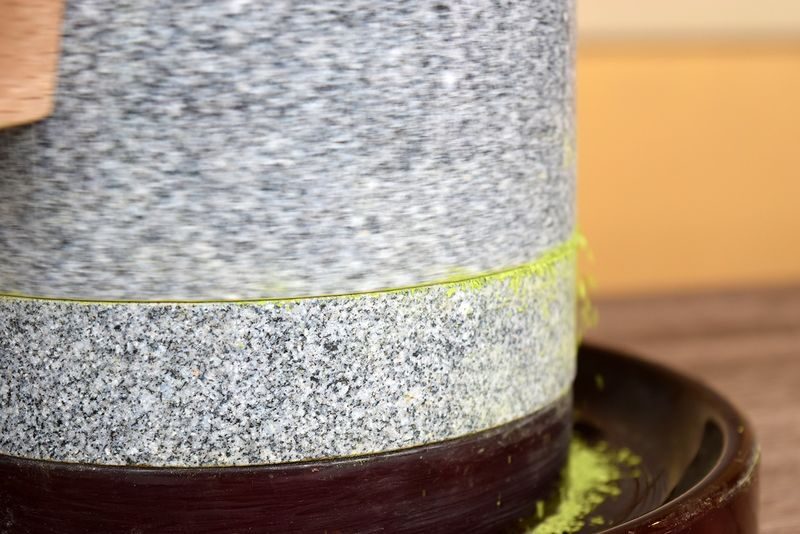
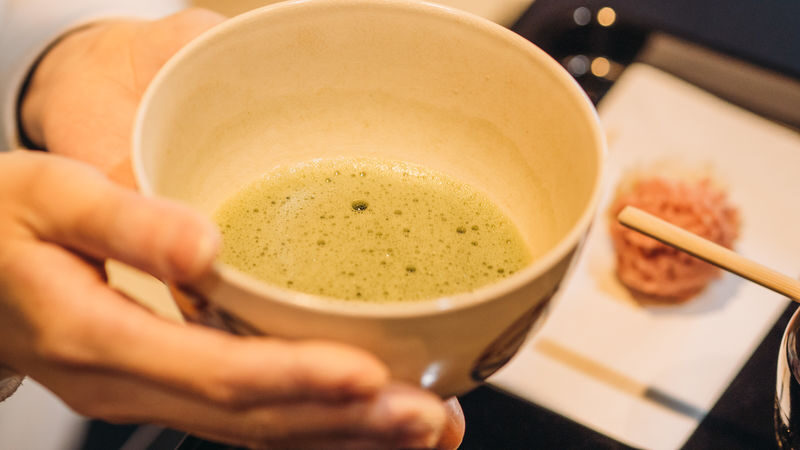
One especially useful skill is whisking matcha until it froths. A few participants have found the tips helpful enough to improve their tea-making at home. You may also hear about different kinds of matcha and how the powder is made, though the precise detail can depend on the instructor and session.
The word ceremony can set a high bar. Some people picture a quiet, formal event where a host serves tea in a traditional room while everyone follows established etiquette. This experience is more hands-on and classroom-like: you learn to prepare the drink yourself. That is valuable, but it is a different kind of cultural activity.
You can also read our reviews of more tours and experiences in Kyoto

Sweets bring a second craft to the table
The package you select matters. The basic Tea Ceremony Class Experience is described as a 30-minute session, while other options add Japanese sweets. Those packages include nerikiri, or a combination of nerikiri and ohigashi. Check the exact package name before paying, since the options are not interchangeable.
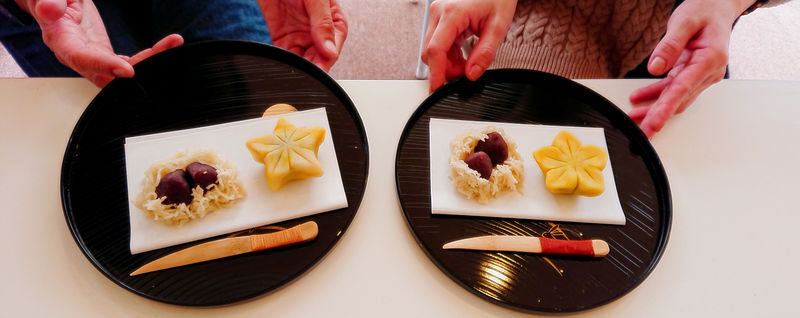
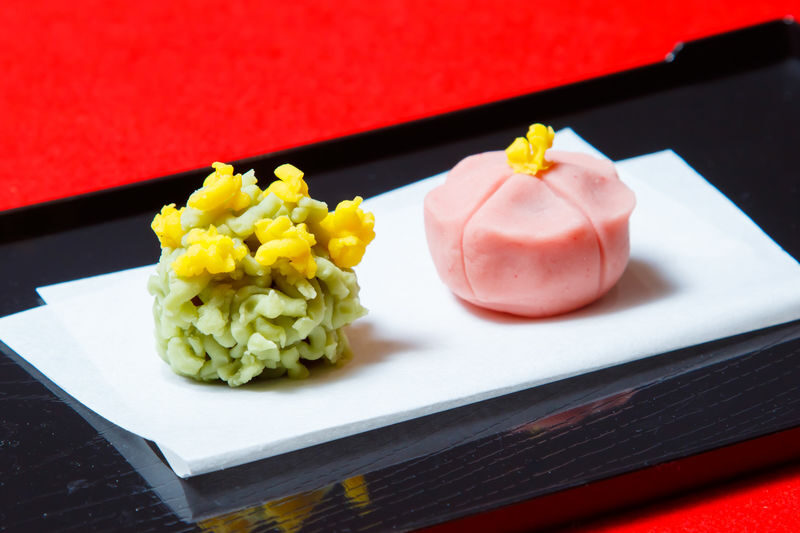
Nerikiri is the more hands-on choice. In the longer sweets classes, you shape and color the sweets under instruction, then enjoy them with matcha. The process gives you a small taste of Japanese confectionery as well as tea preparation. It can also be a fun choice for children and anyone who likes making things with their hands.
Ohigashi appears in the expanded package alongside nerikiri. The available information does not spell out each step of that activity, so do not assume every sweets option includes the same amount of making time. If sweets are a central reason for booking, choose a package that names them clearly.
There is a practical point here: making a sweet does not guarantee it will suit your taste. Nerikiri is a traditional confection, and its flavor and texture may be unfamiliar. Think of the class as a chance to try a craft and taste something local, not a promise that every sweet will become a favorite.
What happens during the 30-minute session
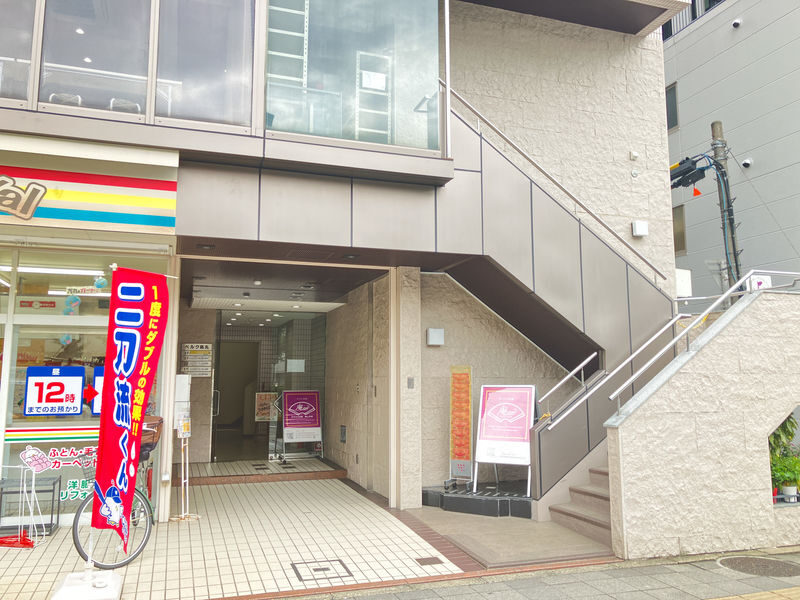
The meeting address is 135-1 Manjujicho, Shimogyo-ku, Kyoto city, at 日本文化体験 庵an京都 AN KYOTO. The listed itinerary begins and ends at the same address, with a 20-minute segment and a 10-minute segment. In practical terms, you meet at the venue, take part in the class, and finish there.
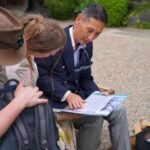
At the start, the instructor introduces the activity and demonstrates the basic steps. The class is beginner-friendly, and you do not need prior tea experience. Instructions have been given in Japanese and English, sometimes with demonstrations that make the process easier to follow even when you do not catch every word.
Next, you prepare matcha with the supplied ingredients. The point is to learn the method, not to pass an exam in tea etiquette. Watch the demonstration closely, especially if you are seated farther from the instructor. In a larger session, your view and ability to hear may vary.
If your chosen package includes sweets, expect the sweet-making portion to be part of the experience as well. Longer options can take substantially more time: some participants have described multi-workshop sessions lasting around two hours. That is not the same as the listed 30-minute class, so check the duration and inclusions for your specific choice.
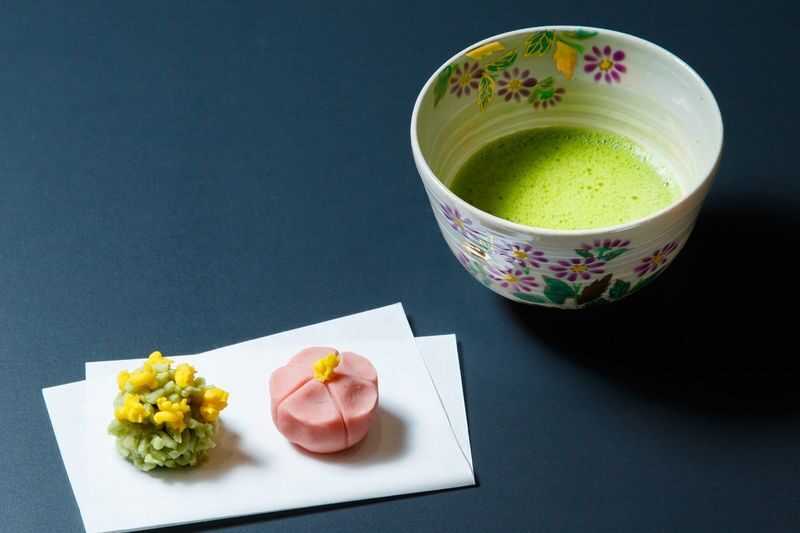
The final step is tasting. You get to try the matcha and any sweets included in your package. That small reward matters: you have made something yourself, and the tea becomes a useful reference point for later visits to tea shops or cafés.
The room and atmosphere: set your expectations
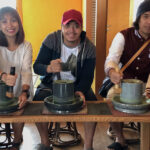
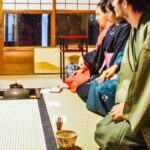
This is a guided cultural lesson, but it may not look like the traditional tea room you have in mind. Some sessions take place in a simple room with tables, more like a workshop classroom than a carefully staged ceremony. If your priority is a serene, formal setting, ask yourself whether learning the basics is enough.
That format has advantages. Tables can make sweet-making and matcha preparation easier, and the class does not ask you to spend a long time sitting through a formal ritual. You get a direct explanation and a chance to try the steps yourself. For a quick introduction, that can be a sensible trade.
The trade-off is atmosphere. A basic teaching space may not provide the calm, traditional mood you associate with Kyoto tea culture. The experience is strongest when you arrive expecting practical instruction and cultural context, rather than a photo session in kimono or a ceremonial performance.
There have also been occasional concerns about finding the correct room or getting clear directions if the venue changes. Use the address and venue name in your booking confirmation, and check any messages before setting out. The listed address is the meeting point, but if you receive updated directions, follow those rather than relying on a map pin alone.
The instructor and the language
The instructor is central to a short class. A warm, funny teacher can make the steps feel relaxed and approachable, while a rushed or hard-to-hear explanation can leave you with less than you hoped for. Several sessions have included both Japanese and English instruction, and demonstrations help bridge language gaps.
English ability is not guaranteed to be identical in every class. If you need detailed explanations, arrive ready to watch closely and ask questions when there is a chance. In a group, try to position yourself where you can see the demonstration. This is a practical tip, especially if the instructor is working at the front of a room.
Instructor names are not confirmed for every session. One longer class has been led by Amy, who was praised for making the lesson clear and enjoyable, but you should not assume she will teach your booking. The best expectation is a guided class whose pace and style can vary by instructor.




Is $8.05 good value?
The starting price is $8.05, making this one of the more affordable cultural activities in Kyoto. For that entry price, you get the ingredients and a short, guided introduction to preparing matcha. If you are curious about tea but do not want a costly or lengthy event, the price can make sense.
Value depends on the package. A 30-minute matcha class and a longer session with multiple sweets workshops are different products, even if they appear beside each other on the booking page. Compare the duration and named inclusions, not just the lowest price. If you want to make nerikiri or try both sweets, choose the package that says so.
The class is also easy to fit into a day. Available start times are 09:05, 11:35, 14:05, 16:35, and 19:05, with the return time set according to the departure slot and session length. Arrive five minutes before your chosen time. Being late is a real risk: you may not be able to join a later class without making a new booking.
For a visitor who wants a polished, traditional ceremony, the low price does not erase the gap between expectation and format. For someone who wants to learn a few useful basics, make a drink, and possibly shape sweets, it is a reasonable small addition to a Kyoto itinerary.
Who will enjoy this class most
I would recommend this to curious beginners, matcha fans who want to improve their whisking, and people looking for a short activity between sightseeing stops. It can also suit families: a seven-year-old has taken part in a sweets-and-matcha class with staff support. The activity has no stated age limit.
Solo visitors can book, and the short format makes it easy to plan around other activities. It is also a good option if you are not especially fond of matcha but still want to understand why it matters in Japanese culture. You do not have to be a tea devotee to get something from the explanation and process.
You may want another experience if your main goal is to wear a kimono, take ceremonial photographs, or attend a quiet, formal tea gathering. Those expectations do not match the class consistently. The space is not wheelchair- or stroller-accessible, so that is worth factoring into your plans.
The activity can be canceled in extreme weather or because of unforeseen events, with the option to reschedule or request a refund. You can cancel for a full refund at least 24 hours before the activity date, based on local time. Booking changes are allowed up to 24 hours before the start, subject to the stated exceptions.
Should you book the Kyoto tea class?
Book it if you want a short, affordable, hands-on introduction to matcha, and you are happy with a classroom-style lesson rather than a formal tea ceremony. Choose a sweets package if making Japanese confections is part of the appeal, and confirm the duration before you book.
Skip it if the room, ceremony, and atmosphere matter more to you than learning the basics. For the right expectations, this is an easy way to add a little tea culture to a busy Kyoto day. At a starting price of $8.05, the matcha class is a modest bet. Just arrive on time and know which package you selected.
Tea Ceremony Class Experience in Kyoto
“Great affordable experience! The sweets were yum”
FAQ
How long is the Tea Ceremony Class Experience in Kyoto?
The Tea Ceremony Class Experience is listed as 30 minutes. Other packages that include Japanese sweets may take longer, so check the duration attached to your selected option.
What is included in the class?
The activity includes the necessary ingredients. The basic class focuses on preparing matcha, while sweets are included only in packages that specify them.
Where is the meeting point?
The listed meeting point is 日本文化体験 庵an京都 AN KYOTO, at 135-1 Manjujicho, Shimogyo-ku, Kyoto city. Check your booking messages for any updated directions.
Do I need experience with matcha or tea ceremonies?
No. The activity is beginner-friendly, and an instructor guides you through the steps.
What times can I book?
Listed departure options are 09:05, 11:35, 14:05, 16:35, and 19:05. Available return times depend on your selected departure and the duration of your package.
Can I cancel or change my booking?
You can receive a full refund if you cancel at least 24 hours before the activity date, using destination local time. Changes are allowed until 24 hours before the activity starts, with some stated booking exceptions.