Singapore’s Samsui women and Majies lived lives shaped by tradition, work, sisterhood, and hard-won independence. This three-hour Chinatown walk traces their stories through back lanes, a temple, murals, and buildings they helped build. It offers a human-scale way to look beyond the district’s shopfronts and consider the women who made a life here.
I like two things in particular: the route connects social history to real neighborhood places, including the half-hidden Xhun Ti Gong Temple, and the final tiffin high tea gives the morning a thoughtful, themed finish. One consideration: it is a walking tour with uneven access, and a participant reported a guide no-show in November 2025, so I would confirm the meeting details before setting out.
- What to know before you book
- Why these women’s stories matter on this walk
- From Outram Park into Keong Saik
- Xhun Ti Gong Temple and the women’s community
- Kreta Ayer’s park, murals, and Banda Street
- Chinatown, Club Street, and the piglet cake
- Tiffin high tea at Huggs Epigram Cafe
- The walking, timing, and price trade-offs
- Who should book this Chinatown walk?
- FAQ
- When does the tour run?
- Where does the tour meet?
- How early should I arrive?
- How long is the tour?
- What is included in the price?
- Are children allowed?
- Is the tour wheelchair accessible?
- What should I bring?
- How do I get to Outram Park MRT?
- Can the tour be canceled because of weather?
- The Best Of Singapore!
- More Tours in Singapore
- More Tour Reviews in Singapore
- Not for you? Here's more nearby things to do in Singapore we have reviewed
What to know before you book
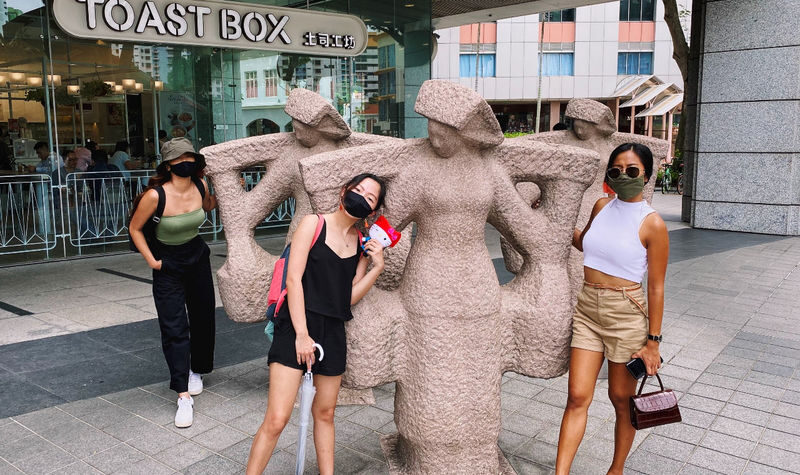
- The focus is women’s lives: Hear about the Samsui women and Majies, their sisterhoods, sacrifices, and choices between tradition and independence.
- The route uses Chinatown’s back streets: Expect alleys, green spaces, murals, and stops around Keong Saik, Kreta Ayer, Banda Street, and Club Street.
- A temple visit anchors the story: Xhun Ti Gong Temple is presented as important to the women and as a place with a continuing social mission.
- Food is part of the experience: The tour includes a piglet-shaped cake, themed snacks, drinks, and tiffin high tea at Huggs Epigram Cafe.
- Plan for a three-hour walk: Groups range from 5 to 20 people. The tour is not wheelchair or stroller accessible.
- Check your price and confirmation: The supplied price information gives two different starting figures, and a reported no-show makes a final confirmation worth checking.
👉 See our pick of the 25 Best Guided Tours In Singapore
Why these women’s stories matter on this walk
The tour centers on two groups of women whose lives challenged the expectations of their time. Its guiding question is direct: who were the Majies and Samsui women, and what did independence mean to them? Rather than treating Chinatown as a set of old buildings, the route uses its streets to connect historical accounts with the places where these women worked, gathered, and built community.
One especially striking subject is the combing ceremony associated with entering celibacy. The tour draws a parallel between this ceremony and marriage rituals, inviting you to think about how a decision to live outside conventional marriage could still be marked by ceremony and community. That contrast is one of the walk’s more thoughtful ideas: the women could be rebels against tradition, yet also live within rules and limits they did not choose.
The tour also considers sisterhood, friendships, partners, life, and death. Those themes matter because they bring the story down to human scale. You are not simply being handed a list of dates or names; the route aims to show how women formed bonds and made choices within changing times.
The description promises first-hand accounts, but does not identify whose accounts you will hear or name the guide. I would go expecting a guided interpretation of the women’s lives, not a formally documented archive session. If you want a detailed historical lecture or specific biographical records, ask the operator what material is covered before booking.
You can also read our reviews of more tours and experiences in Singapore.



From Outram Park into Keong Saik
The morning starts at 10:00 at Outram Park MRT, Exit H, near the escalators and outside the Dorsett residences. The meeting details also give the nearby address as Teo Hong Road and New Bridge Road. Arrive ten minutes early and look for a guide in an 8th Wave T-shirt holding a signboard.
From the station, the group walks through alleys and green spaces toward Keong Saik Street. This is a useful start: instead of beginning with a broad overview from a busy public square, the walk moves you into smaller streets where the neighborhood’s layers are easier to notice. Wear comfortable shoes, and bring water and an umbrella. Singapore’s weather can affect the route, and the schedule may change in poor weather or other unforeseen conditions.
The group size is listed as 5 to 20 participants. A smaller group can make it easier to hear the guide and ask questions, while a full group of 20 may feel less intimate in narrow lanes. The tour includes headsets and an audio guide, which should help with listening as you move through the streets.
Xhun Ti Gong Temple and the women’s community
One of the route’s key stops is Xhun Ti Gong Temple, described as half-hidden in Keong Saik. The tour explores its central role for the Samsui women and Majies, as well as its continuing social mission. That combination gives the temple more than architectural interest: it becomes a way to discuss how community support can persist across generations.
The location is part of the point. A temple tucked into the urban fabric can be easy to pass without noticing, especially if you are focused on the better-known sights. Here, the guide connects the building to the women’s networks and the social life around them. That context can make a short stop more meaningful than a quick look at a façade.
The information does not specify whether you will go inside or how long the stop lasts, so keep expectations flexible. The tour schedule can shift with weather and conditions, and the temple’s role is the central reason to pause, not a promise of a long interior visit.
Kreta Ayer’s park, murals, and Banda Street
After the temple, the route passes Social Space on Kreta Ayer and continues through Kreta Ayer Park. Murals and alleys lead the group toward Banda Street. This section mixes open green space with narrow lanes, giving the walk a change of pace while keeping the focus on the neighborhood and its inhabitants.
The murals are also among the route’s most photogenic stops. If you enjoy taking pictures, this is a good stretch to keep your phone handy. Still, I would put listening ahead of chasing the perfect frame. The tour’s value is in connecting the scenery to the people and stories behind it, not simply collecting colorful backdrops.
At Banda Street, the guide points out what the Samsui women really used for their tiffin and stops at a place called the Mona Lisa of the Samsui. The description does not explain exactly what this refers to, which leaves a little room for discovery. It is a distinctive detail to ask about during the walk, particularly if you are curious about the objects and symbols associated with the women’s daily lives.
Chinatown, Club Street, and the piglet cake
As the walk continues through Chinatown and Club Street, the guide shares accounts of the Samsui women and Majies, including their friendships, partners, lives, and deaths. The route also passes the original millionaires club and several surviving buildings that the women built. These stops link personal histories to visible traces of the district’s development.
The buildings are a practical advantage of a walking tour. You can look at them in place, rather than trying to imagine the neighborhood from a museum label or a broad historical summary. The route does not promise entry to these buildings, so expect to see them from the street.
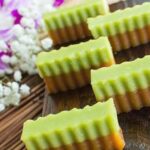
There is also a themed snack: a piglet-shaped cake. It is a small touch, but it helps the food element feel tied to the walk rather than tacked on as a generic refreshment stop. The tour’s account of tiffin adds another layer by asking what the women actually carried or ate, rather than treating the word as decoration.




Tiffin high tea at Huggs Epigram Cafe
The walk ends at Huggs Epigram Cafe at about 13:00, with a Samsui-themed tiffin and a refreshing drink. Tiffin high tea, themed snacks, and drinks are included in the tour price. That makes the finish more than a convenient place to sit down: it gives the group time to pause after walking and continue thinking about the stories over food.
The menu is not specified, apart from the piglet cake and the themed tiffin, so do not book expecting a particular spread or dietary accommodation. Other personal expenses are not included. If you have dietary needs, check with the operator in advance rather than assuming the included food can be changed.
I like that the meal is part of the experience, especially on a tour about everyday life and food containers. But the included refreshments should be seen as a useful addition, not the main reason to book. The historical interpretation and the neighborhood route are the core value.
The walking, timing, and price trade-offs
This is a three-hour walking tour, scheduled Tuesdays and Saturdays from 10:00 to 13:00. The route passes alleys, park paths, murals, and streets, so it is not recommended for anyone with impaired physical mobility or certain medical conditions, including high blood pressure or epilepsy. It is also not wheelchair or stroller accessible.
The supplied prices conflict: one figure says from US$55.85, while the package option says from US$48.55. Treat both as starting prices and check the final amount for your date before paying. The tour includes an English-speaking guide, audio guide, headsets, snacks, drinks, and the tiffin finish. Whether that is good value depends mainly on how much you want a guided account of women’s history in the actual streets where it unfolded. If you only want a quick Chinatown walk, you may find the three-hour commitment too long.
Children aged 0 to 4 can join free, but they do not receive food or drinks. Keep in mind that a small child will still need to manage a walking route that is not stroller accessible.
There is a serious reliability concern to weigh. A participant who booked for November 27, 2025, reported that the guide did not show up, and said the booking platform’s phone number was disconnected while live chat would not load. That is one reported incident, not enough to establish a pattern, but it is important when the tour has a fixed meeting time and no refund for late arrivals or no-shows. The provider, 8th Wave Pte Ltd, has 120 total reviews and a 90% good-review rate, while this particular activity has a single 1-out-of-5 rating. I would verify the booking and meeting point shortly before leaving, and save the operator’s contact information in advance.
Who should book this Chinatown walk?
I would consider this tour if you are interested in women’s history, community life, and the less obvious stories behind Chinatown’s streets. It suits people who like guided walks with a clear theme and who want an experience that combines local history, small landmarks, murals, and food.
It is less suitable if you need step-free access, are uncomfortable walking for three hours, or want a guaranteed schedule with no weather-related changes. The uncertain price display and the reported no-show also call for extra care. Confirm the amount and the meeting arrangements before committing.
My call: book it if the Samsui women and Majies are the reason you want to explore Chinatown, and if you are comfortable with a walking tour and its access limits. For peace of mind, verify the guide and meeting details on the morning of the tour. If those checks are difficult or you need a firm guarantee, choose a more straightforward way to explore the district.
The OG Female Badass: The Untold Tale of the Samsui Women and Majies
FAQ
When does the tour run?
It is scheduled on Tuesdays and Saturdays from 10:00 to 13:00.
Where does the tour meet?
Meet at Outram Park MRT, Exit H, near the escalators and outside the Dorsett residences. The nearby address is Teo Hong Road and New Bridge Road.
How early should I arrive?
Arrive 10 minutes before the 10:00 start. Late arrivals and no-shows are not refundable.
How long is the tour?
The scheduled tour lasts three hours, from 10:00 to 13:00.
What is included in the price?
The package includes an English-speaking guide, an audio guide, headsets, tiffin high tea, themed snacks, and drinks.
Are children allowed?
Children aged 0 to 4 can join free of charge, but they do not receive food or drinks.
Is the tour wheelchair accessible?
No. It is not wheelchair or stroller accessible and is not recommended for people with impaired physical mobility.
What should I bring?
Bring a mask, access to the SafeEntry and TraceTogether apps or token, an umbrella, a mobile phone, and a bottle of water. Comfortable footwear is recommended.
How do I get to Outram Park MRT?
You can take the North East Line or East-West Line to Outram MRT. Bus routes listed for nearby stops include 54, 124, 143, 147, 166, 190, 851, 851e, 970, CT8, and CT18, among others.
Can the tour be canceled because of weather?
Yes. Extreme weather or unforeseen events can lead to cancellation. The schedule may also change due to weather or conditions on the day.