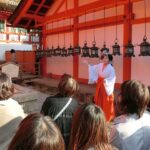
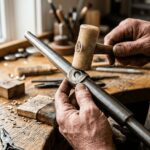
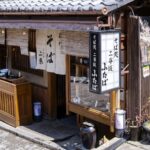
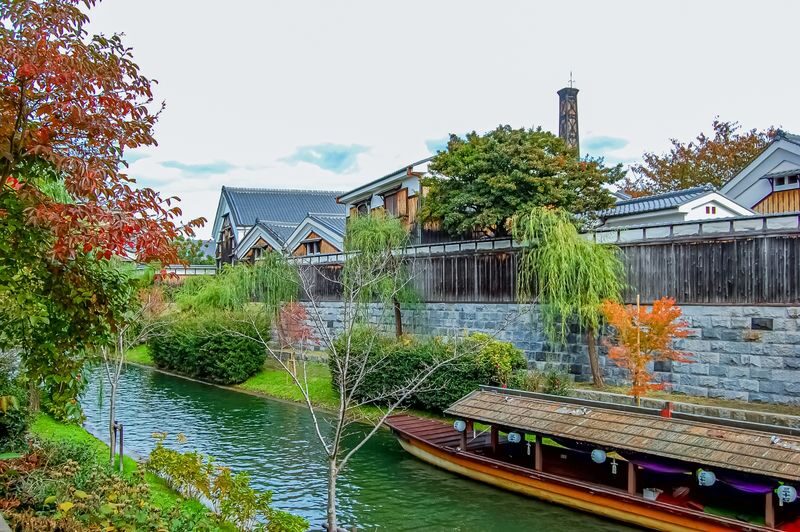
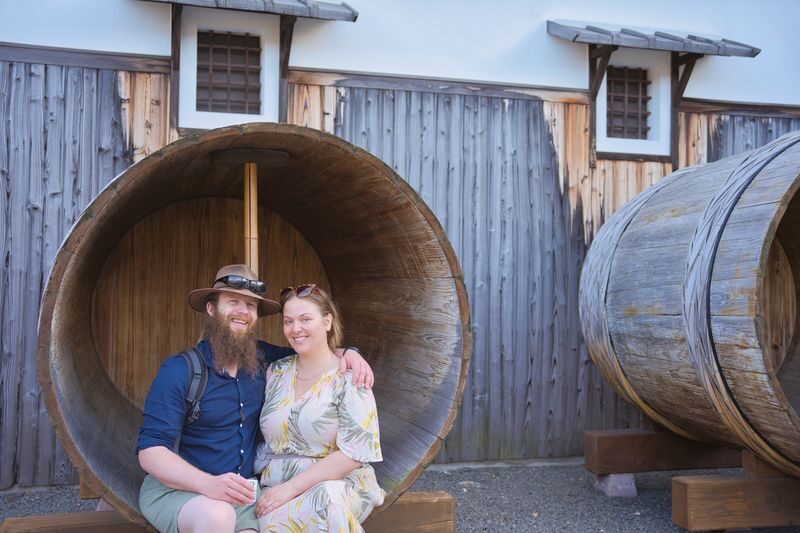
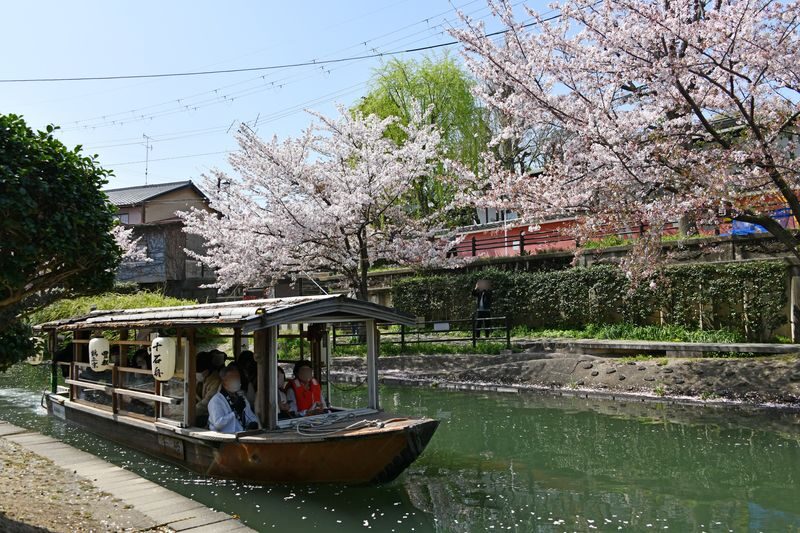
Fushimi’s sake story is best understood on foot, among old brewery buildings, tasting rooms, and the quiet streets of a working Kyoto district. This three-hour tour links the Gekkeikan museum, Kizakura Brewery, and a specialist sake shop, with tastings that give you more than a quick sip and a souvenir photo.
I like two things in particular: you get a useful introduction to how sake is made, then have several chances to compare styles with a guide who can help explain what’s in your glass. The sake ice cream and Kyoto beer also mean the afternoon isn’t limited to one drink or one kind of visitor.
One consideration: the tour is built around alcohol, and the much-publicized 17-sake tasting at Fushimi Sake Village costs extra. You’ll walk about 2 kilometers, and the actual stops or timing can change with weather, traffic, and what is available.
- At a glance
- Why Fushimi makes a good place to learn about sake
- Starting at Chushojima Station
- Gekkeikan’s museum: tools, film, and a first tasting
- Sake ice cream at Fushimi Yume Hyakushu
- Kizakura: sake alongside Kyoto beer
- Fushimi Sake Village: a tempting extra
- Aburacho: finish with guidance on what to buy
- Is .89 good value?
- Who will get the most from this walk?
- Should you book this Fushimi tour?
- FAQ
- Where does the tour meet?
- What time does the tour run?
- How much walking is involved?
- Which languages are available?
- What tastings are included?
- Is the 17-sake tasting at Fushimi Sake Village included?
- Can children join the tour?
- Can I cancel for a refund?
- The Best Of Kyoto!
- More Walking Tours in Kyoto
- More Tours in Kyoto
- More Tour Reviews in Kyoto
- Not for you? Here's more nearby things to do in Kyoto we have reviewed
At a glance
 1 / 10
 2 / 10
 3 / 10
 4 / 10
 5 / 10
 6 / 10
 7 / 10
 8 / 10
 9 / 10
 10 / 10
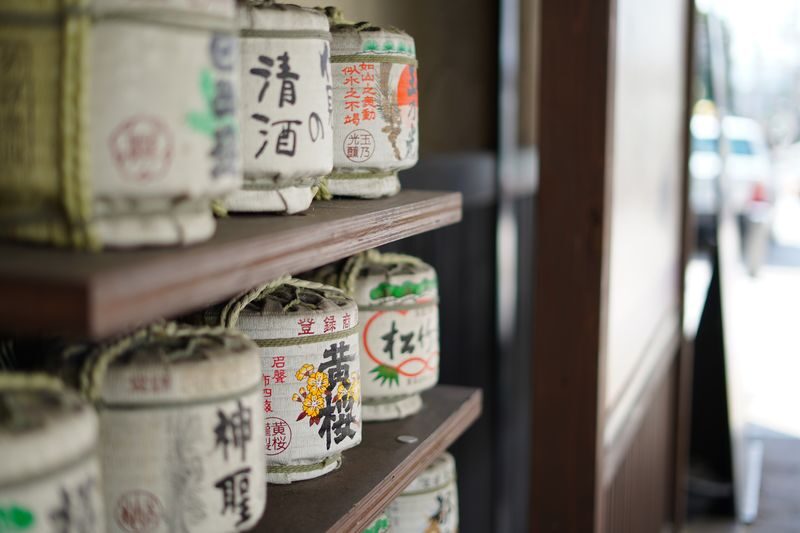
- A sake district, not just a tasting room: Walk through Fushimi, one of Japan’s three major sake-producing regions, and see breweries in their local setting.
- Gekkeikan’s museum opens the door: Explore traditional brewing tools and watch a film before sampling three cups, including Junmai Daiginjo.
- More than sake at Kizakura: The brewery stop includes a complimentary Kyoto craft beer tasting.
- A sweet option for non-drinkers: Sake-flavored ice cream is included at Fushimi Yume Hyakushu.
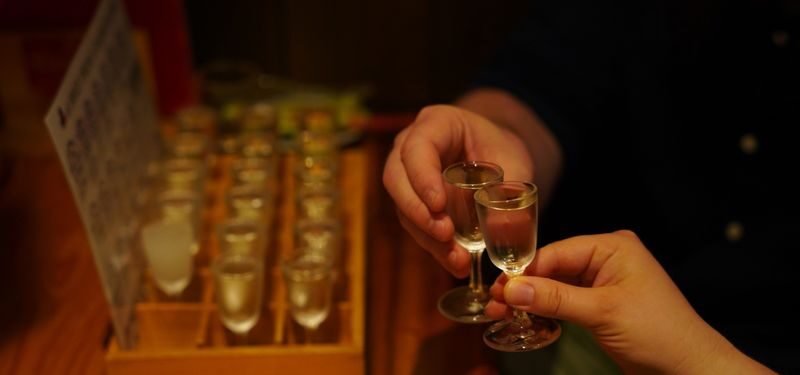
- The grand tasting is optional: Fushimi Sake Village offers a photogenic 17-sake set, but it is not included in the tour price.
👉 See our pick of the 25 Best Workshops And Classes In Kyoto
Why Fushimi makes a good place to learn about sake
Fushimi is one of Japan’s three major sake regions, and the tour gives you a compact introduction to the district’s brewing identity. In 2024, traditional Japanese sake brewing was recognized as UNESCO Intangible Cultural Heritage. That recognition concerns the craft and knowledge behind the drink, not a particular brewery, but it makes this a timely place to learn how the tradition is carried forward.
A guided walk is useful here because the appeal is not only in the tasting. You move between a museum, brewery, food hall, and liquor shop, each with a different role in Fushimi’s sake culture. The guide can connect those stops and help you compare what you taste rather than treating each sample as an isolated drink.
The tour’s English and Chinese guide options matter, too. Sake labels and brewing terms can be hard to interpret on your own, especially if you are new to the subject. Guides have included Bob, Kim, Kimu, and Marin. Bob has helped visitors with restaurant recommendations, while Kim and Kimu have explained label grades and serving temperatures.
You can also read our reviews of more walking tours in Kyoto

Starting at Chushojima Station
Meet at 1 p.m. by the sake-barrel monument in front of the north exit ticket gate at Keihan Chushojima Station. Arrive five minutes early. The tour returns to the same station at about 4 p.m., so you can plan the rest of your afternoon from there.
The walk covers about 2 kilometers, spread across several stops. That is a manageable distance for most people, but you’ll be on your feet for much of the outing, so comfortable shoes are a sensible choice. Bring a bag if you expect to buy bottles or other souvenirs.
The group size can vary. Some outings have been small or even private, but you should not count on having a private guide. The tour moves through public venues, and the pace and depth of explanation may depend on the group and the guide.
Gekkeikan’s museum: tools, film, and a first tasting
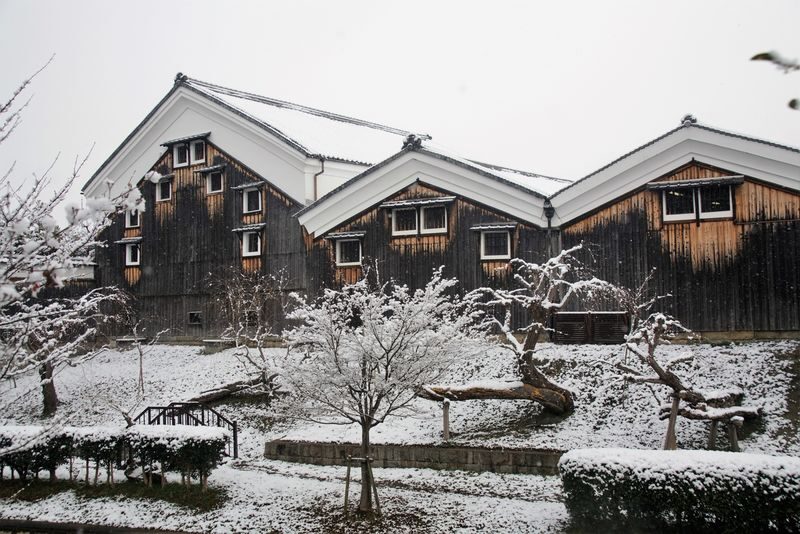
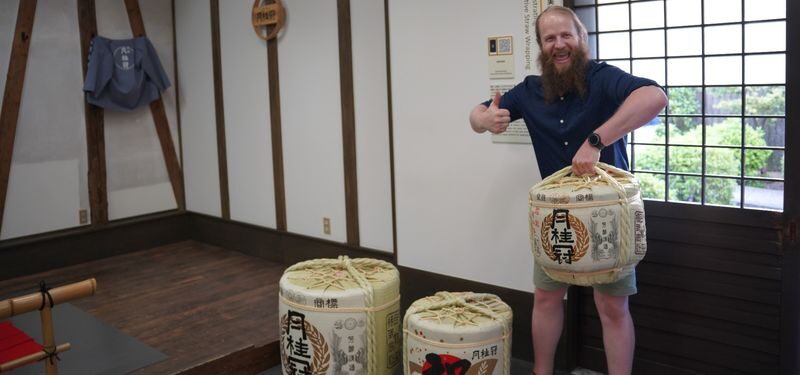
The first major stop is the Gekkeikan Okura Sake Museum, associated with Kyoto’s largest sake brewery. The museum displays traditional brewing tools and uses film screenings to explain the production process. It’s a helpful starting point: you get the basic vocabulary before moving on to tastings and other breweries.
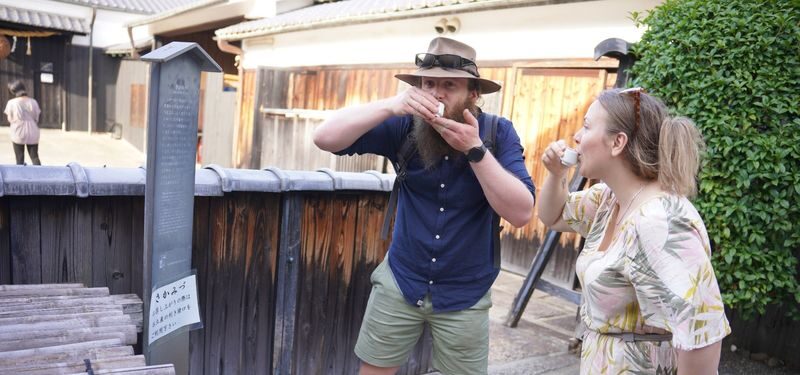
You’ll spend about 40 minutes here. The included tasting is a set of three cups, with Junmai Daiginjo among the featured sake. This premium style gives you a chance to notice how a refined sake can differ from the more familiar versions you may have tried elsewhere. The museum also provides a special sake cup to take away.
Keep expectations clear: this is a museum visit, not a walk through an active production line. If you are hoping to see brewing in action, the tour information describes exhibits and films rather than a working factory tour. The museum’s strength is context, especially if sake is new to you.
Sake ice cream at Fushimi Yume Hyakushu
The next stop, Fushimi Yume Hyakushu, uses the former Gekkeikan main store, a building more than a century old. You have about 20 minutes here, with sake-flavored ice cream included. It offers a change of pace from tasting glasses and makes the tour more welcoming to people who don’t want every stop to revolve around drinking.
The ice cream is presented as a popular choice for children and people who prefer not to drink. If you need to avoid alcohol entirely, ask about the ingredients before eating it; the activity details do not specify its alcohol content. Children aged 0 to 5 can join free, but the main focus of the outing remains sake and brewery culture.
Kizakura: sake alongside Kyoto beer
At Kizakura Brewery, the tour spends roughly 35 minutes on another side of local brewing. Kizakura is noted for being the first to make craft beer in Japan, and a Kyoto beer tasting is included. That contrast helps break up the sake tastings and gives you a second drink to compare.
The stop is not simply a beer detour. You can see how a brewery associated with sake also developed a local beer, and the guide can explain what distinguishes the drinks. If you do not drink alcohol, this stop may offer less value, though the walking and brewery setting still form part of the visit.
You can also read our reviews of more food & drink experiences in Kyoto




Fushimi Sake Village: a tempting extra
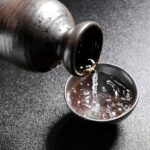
Fushimi Sake Village is a food hall supported by 17 breweries belonging to the Fushimi Sake Brewers Association. The scheduled stop is short, about 10 minutes, so think of it as an introduction rather than a leisurely meal or full tasting session.
The venue is known for a 17-sake tasting set that lets you sample a range of local varieties. It is often photographed, but the set is not included in the tour price, and food and drink purchases at the venues are generally extra. If that tasting is a priority, plan to return after the guided walk and take your time. The tour itself moves on quickly.
This stop is also a useful point to ask the guide what you should try later. You may find that one or two styles appeal more than the full set, which can save both money and palate space for the final tasting.
Aburacho: finish with guidance on what to buy
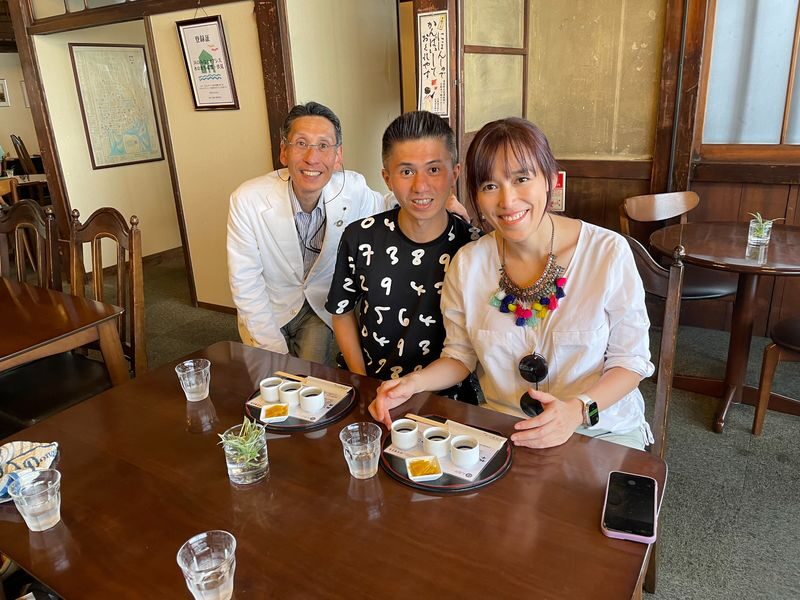
The final stop is Ginjo Shubo Aburacho, a sake shop with a broad selection and a tasting bar at the back. The schedule allows about 50 minutes, making this the longest stop. The shop is a good place to put your new vocabulary to work: compare styles, ask questions, and get help choosing a bottle.
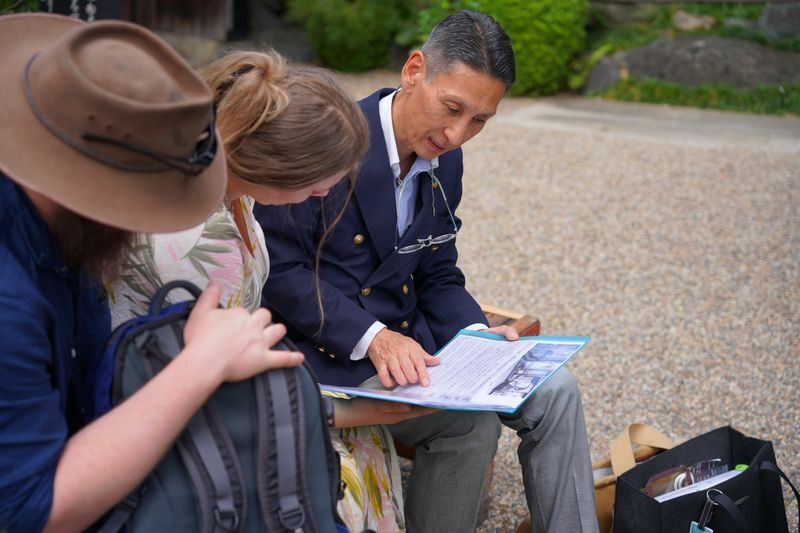
The manager can explain differences between the sake and discuss the brewing process in English. This is especially useful if you want to take home a bottle but are unsure how to read the label. Guides have also helped people select sake gifts, an advantage if you want something more considered than a bottle chosen by its label design alone.
A sake tasting set is included in the activity, but additional drinks, snacks, and purchases may cost extra. If you are buying bottles, remember that you’ll need to carry them for the rest of the afternoon. A small bag is more practical than balancing a bottle in your hand as you walk back to the station.
Is $82.89 good value?
At a starting price of $82.89, this is not the cheapest way to taste sake in Kyoto. Its value comes from combining several venues, an English- or Chinese-speaking guide, museum admission, and included samples of sake, Kyoto beer, and sake ice cream. You also get a guided introduction to a district that is easy to treat as a quick stop if you visit without a plan.
The price makes most sense if you want someone to explain what you are tasting and help you connect brewery history with the local streets. It is less compelling if your main goal is simply to try as many sake varieties as possible. The 17-sake set at Fushimi Sake Village is an extra, and the tour does not include all food and drink purchases along the way.
The tour is scheduled for three hours, from 1 to 4 p.m. One stop is brief, and the schedule can shift with weather, traffic, or seasonal availability. Treat the timing as a framework rather than a promise that every visit will run exactly to the minute.
Who will get the most from this walk?
I’d recommend the tour to curious first-time sake drinkers, people who enjoy tasting with an explanation, and visitors who want to see a different side of Kyoto beyond its best-known temples. It is also a practical choice if you want to browse for a bottle and would appreciate help understanding what you are buying.
Sake fans may appreciate the range of venues, although the tasting depth depends on what is included that day and what you choose to purchase. If your priority is an extensive flight, budget extra for the tasting at Sake Village or ask the guide about options at the final shop.
This is a weaker fit if you do not drink alcohol and want an activity centered on non-alcoholic experiences. The ice cream gives you an alternative, but the overall itinerary is built around sake and beer. The tour is also a poor choice if you want a long brewery production tour, since the museum uses exhibits and films and the listed stops are relatively short.
Should you book this Fushimi tour?
Book it if you want a guided, low-stress introduction to Fushimi’s sake scene, with a little history, several tastings, and help choosing what to try or buy. The strongest part is the combination of places: a museum for context, Kizakura for beer as well as sake, and Aburacho for a more focused tasting and shopping stop.
Skip it if you prefer to explore independently, do not drink, or mainly want the 17-sake tasting without paying for other guided stops. If you do book, arrive early, wear comfortable shoes, and keep room in your budget for extra tastings or food.
Walking tour exploring the sake-brewing town of Fushimi (Kyoto)
“Bob was genuinely the best tour guide we could have asked for. He was informative, hilarious, and made sure we had a truly unique experience. I wil…”
FAQ
Where does the tour meet?
Meet at the sake-barrel monument in front of the north exit ticket gate at Keihan Chushojima Station. The address is 59 Yoshijima Yagura-cho, Fushimi-ku, Kyoto.
What time does the tour run?
The tour starts at 1 p.m. and is scheduled to return to Chushojima Station at 4 p.m. The schedule may change because of weather, traffic, or availability.
How much walking is involved?
The tour covers about 2 kilometers. Comfortable shoes are recommended.
Which languages are available?
You can choose an English guide or a Chinese-language guide. The English package details specify an English- or Japanese-speaking guide.
What tastings are included?
The included items listed are a sake tasting set, Kyoto beer, and sake ice cream. Gekkeikan offers a three-cup sake tasting, and Kizakura includes Kyoto beer.
Is the 17-sake tasting at Fushimi Sake Village included?
No. The 17-sake set is available at Fushimi Sake Village, but it is not included in the tour price. You can return after the guided visit and purchase it separately.
Can children join the tour?
Children aged 0 to 5 can join free. Japan’s legal drinking age is 20, and participants should bring valid ID to prove their age.
Can I cancel for a refund?
A full refund is available if you cancel at least 24 hours before the activity date, using destination local time. Late arrivals and no-shows are not refunded.