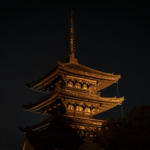
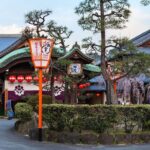
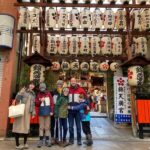
Arashiyama’s bamboo grove, a centuries-old Zen garden and the gold-covered Kinkaku-ji all fit into one Kyoto day here. I like that you get more than a string of famous photo stops: the guide explains the sites, and a traditional koboshi doll-making experience gives the day a hands-on note.
I also like the route’s variety. Tenryu-ji’s garden and Togetsukyo Bridge bring you into Kyoto’s natural scenery, while Ryoan-ji and Kinkaku-ji show two very different sides of temple culture. The trade-off is a brisk schedule, with several major stops and little room to linger wherever you please.
- Key things to know
- A full day from Kyoto Station to western Kyoto
- Starting at Kyoto Tower Sando
- Arashiyama: bamboo, bridge and Tenryu-ji
- Making a koboshi doll in Kyoto
- Ryoan-ji’s spare Zen garden
- Kinkaku-ji, Kyoto’s Golden Pavilion
- What the guide adds
- Is the 0.65 price fair?
- Who should book this western Kyoto tour?
- FAQ
- Where does the tour meet?
- What time does the tour depart?
- When does the tour return?
- Which places are included?
- Is a guide included?
- Are admission fees and the craft activity included?
- Are meals and drinks included?
- Is the tour suitable for children?
- Can I get a refund if I cancel?
- The Best Of Kyoto!
- More Walking Tours in Kyoto
- More Tours in Kyoto
- More Tour Reviews in Kyoto
- Not for you? Here's more nearby things to do in Kyoto we have reviewed
Key things to know
 1 / 10
 2 / 10
 3 / 10
 4 / 10
 5 / 10
 6 / 10
 7 / 10
 8 / 10
 9 / 10
 10 / 10
- Arashiyama brings the scenery: Walk through the famous bamboo grove, see Togetsukyo Bridge and visit Tenryu-ji’s garden.
- The craft stop is part of the day: Make a koboshi, a traditional doll associated with good luck and resilience.
- Two temples offer different moods: Ryoan-ji is known for its restrained rock garden; Kinkaku-ji draws the eye with its gold-covered pavilion.
- An English-speaking guide adds context: Justin is a named guide, praised for making history approachable and answering questions.
- Admission and transfers are included: Budget separately for meals, drinks and personal purchases.
- The day runs about 9 a.m. to 5 p.m.: Weather and traffic can change the schedule, and the two afternoon temple times are listed at the same hour.
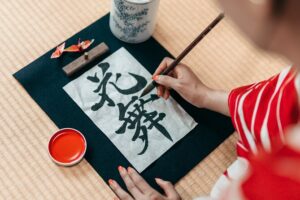
👉 See our pick of the 25 Best Workshops And Classes In Kyoto
A full day from Kyoto Station to western Kyoto
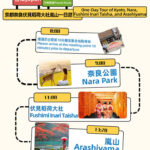
This tour tackles several of Kyoto’s best-known western sights in one outing. You meet at 9 a.m. by the Starbucks on the first floor of Kyoto Tower Sando, near Kyoto Station, then spend the day moving between Arashiyama, a traditional craft activity and two important temples.
The appeal is straightforward: you do not have to plan separate transport and admission for each stop, and a guide gives the sites a shared historical and cultural thread. That is useful in Kyoto, where a temple can be beautiful at first glance but much more interesting once you understand what you are looking at.
The pace is the main compromise. This is a broad introduction, not a slow visit to every corner of each site. If you want to spend an hour sitting in one garden or shopping in Arashiyama, a guided day with several stops may feel too structured.
The advertised price starts at US$140.65. Since admission, the koboshi experience and round-trip transfers from the meeting point are included, the cost covers more than a guide alone. Meals and drinks are extra, so leave room in your budget for food during the day.
You can also read our reviews of more walking tours in Kyoto
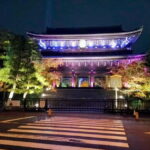

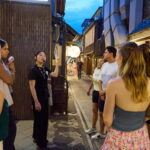
Starting at Kyoto Tower Sando
The meeting point is Starbucks inside the Kyoto Tower Sando building, on the first floor. From Kyoto Station, use the Central Exit on the north side and look for the building beside Kyoto Tower. Arrive at least 10 minutes before the 9 a.m. departure.
That early arrival matters. The tour has a fixed start, and late arrivals or no-shows are not refunded. Keep your mobile voucher ready to show, and check that you have the correct date: the voucher is valid only for the date and time booked.
Round-trip transfers to and from the meeting location are included. The description also says the group travels by train to Ryoan-ji, so expect the day to involve more than walking. The exact transport arrangements between all stops are not specified, and the schedule can shift with traffic or weather.
Arashiyama: bamboo, bridge and Tenryu-ji
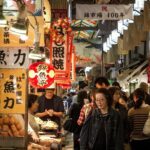
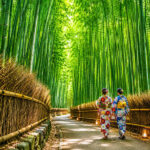
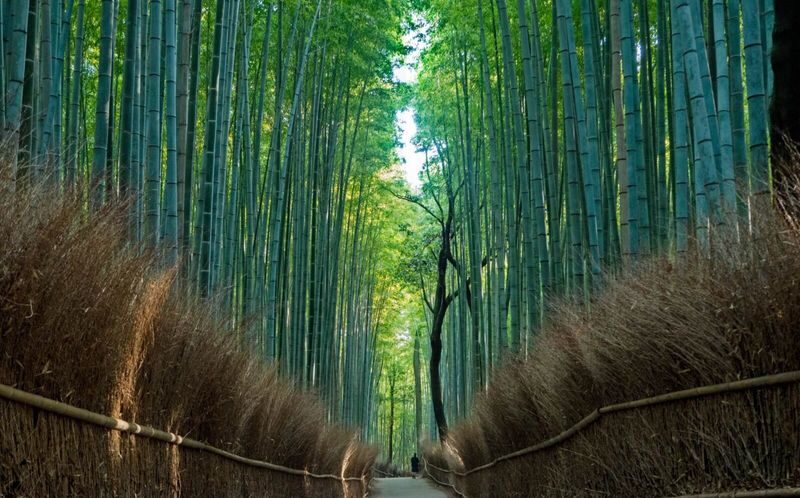
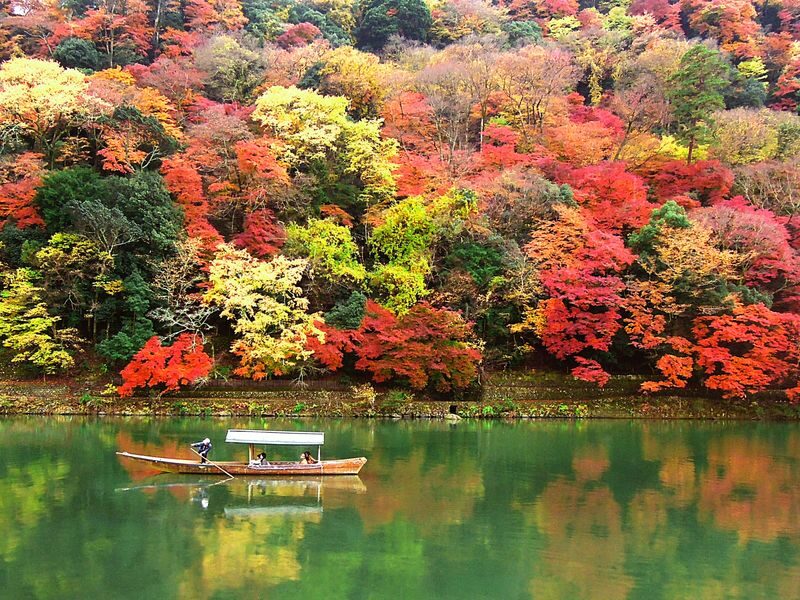
Arashiyama is the day’s big opening scene. The bamboo grove is famous for its tall, tightly packed stalks, which create a striking corridor as you walk through. It is a popular place, so expect to share the path rather than have the scene to yourself.
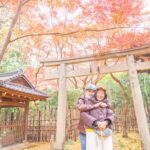
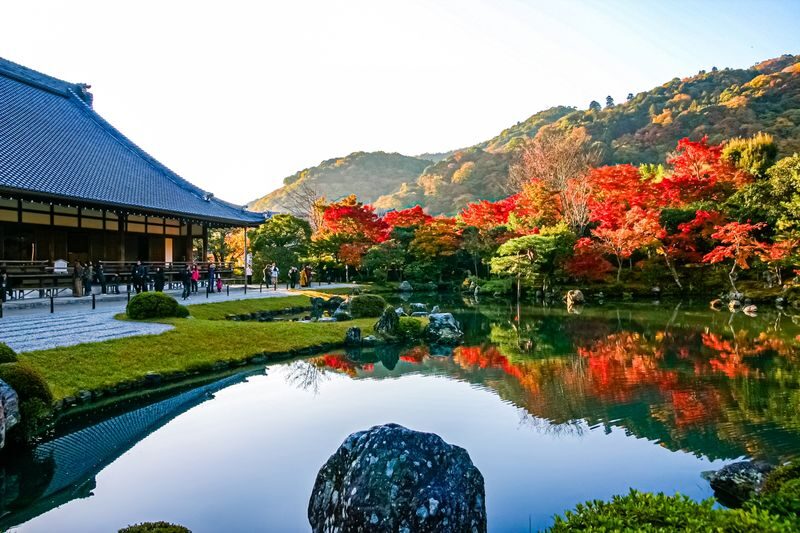
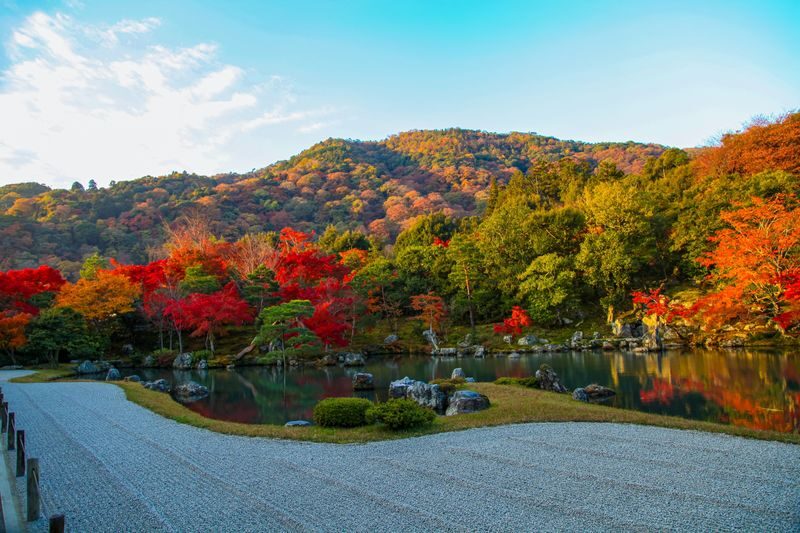
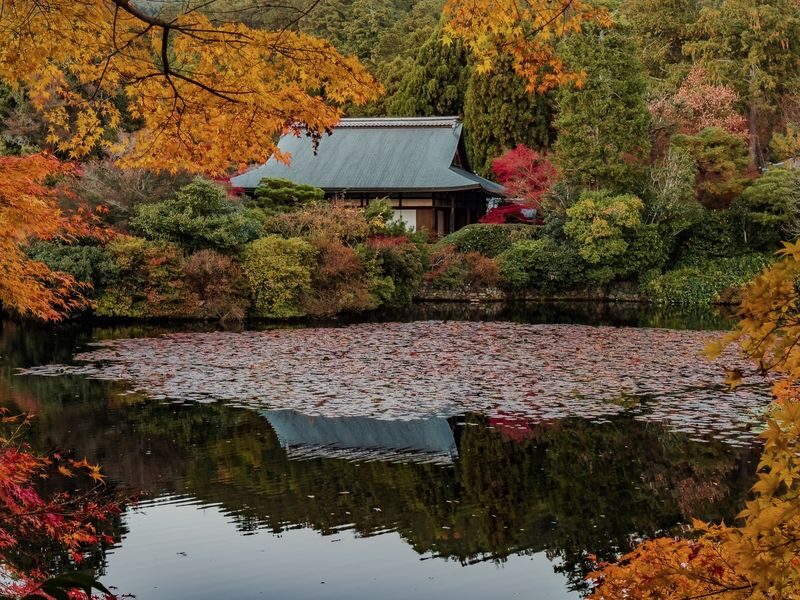
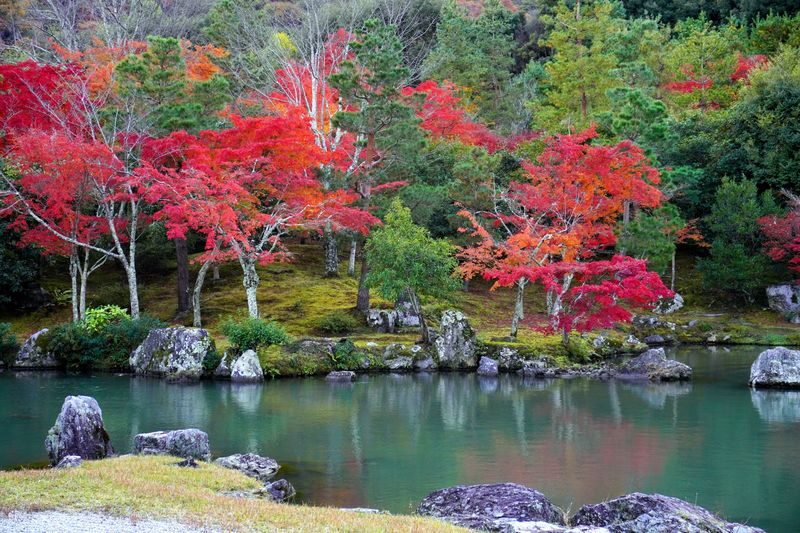
The walk also includes Tenryu-ji, a World Heritage-listed temple. The guide leads you through the temple grounds and its well-known garden, offering a chance to see how temple architecture and garden design work together. This is more than a quick look at a building: the garden gives you a quieter counterpoint to the busy bamboo path.
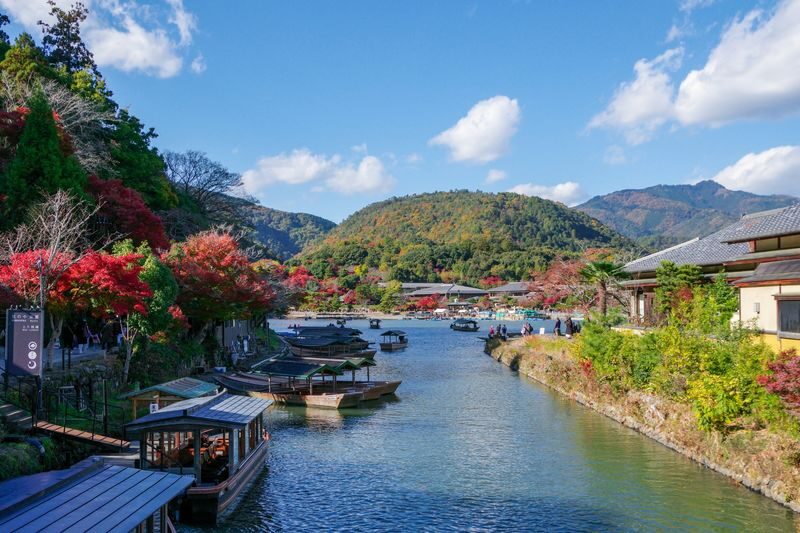
Togetsukyo Bridge is another noted Arashiyama sight. Its setting adds a broader view of the area, and gives the morning a change of pace after the enclosed feel of the bamboo grove. The tour’s combination of bridge, garden and grove makes sense: you see Arashiyama as a place, not only as one famous photo spot.
The practical limit is time. The itinerary places the Arashiyama visit at 9:30, but does not give a departure time from the area. You may need to keep moving with the group, especially if the paths are crowded. If you have a personal must-see in Arashiyama, ask your guide early whether there is time to fit it in.
Making a koboshi doll in Kyoto
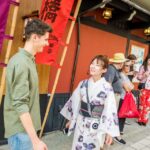
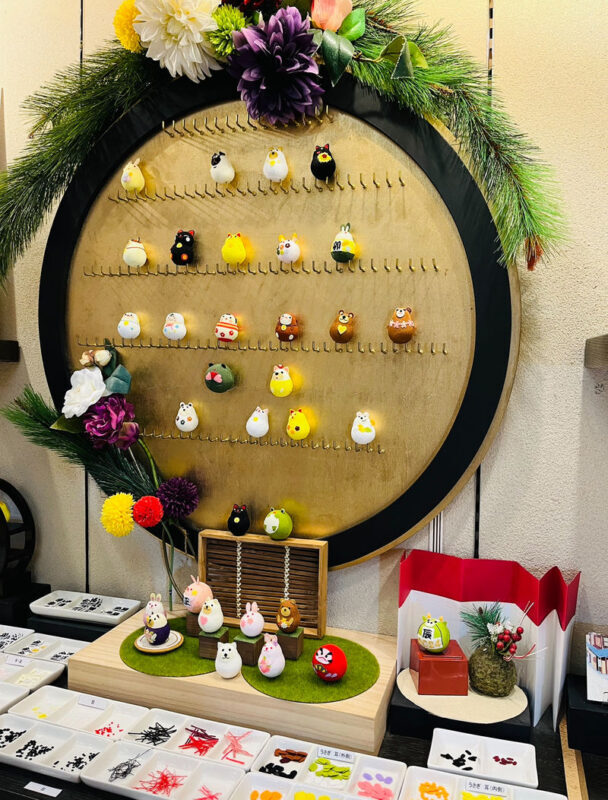
At 12:30, the tour turns from temples and scenery to a traditional art activity at Koju Kyoto Ninenzaka Store. Koboshi are Japanese dolls dating back to the 14th century. They are treated as good-luck charms and symbolize resilience, making the craft a small, tangible way to connect with a tradition rather than simply hear about one.
You get to try the craft yourself and take a souvenir home. That hands-on element is one of the day’s most distinctive features, particularly if you have already seen several temples on your trip. It gives you something to remember beyond photographs and helps break up the afternoon’s temple visits.
The activity fee is included, which makes the price easier to assess. The details do not specify how long the craft session lasts or what choices you can make while creating your doll, so think of it as a guided cultural experience rather than a long independent workshop.
The stop is also a useful moment to ask questions. The tour’s aim is to explain Kyoto’s history and culture, and a craft associated with good fortune and resilience gives the guide an approachable way into those ideas.
Ryoan-ji’s spare Zen garden
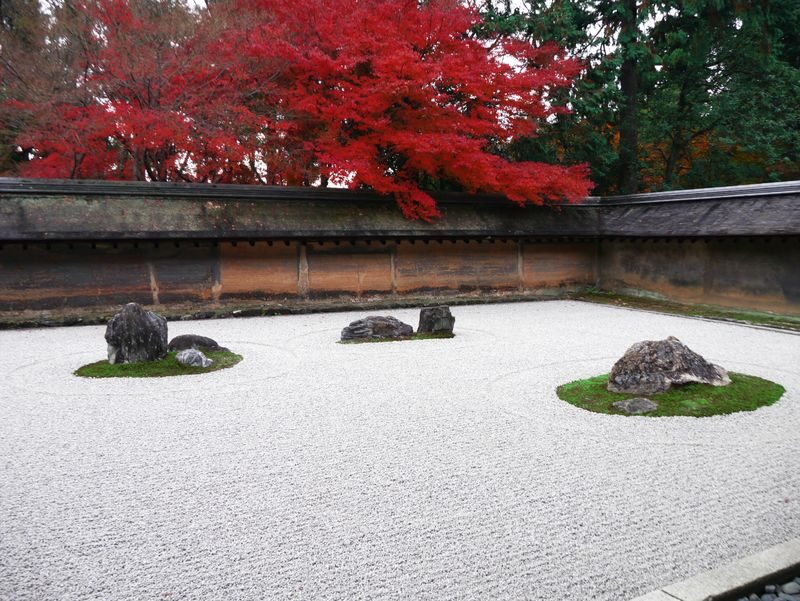
The afternoon includes Ryoan-ji, famous for its dry rock garden. Rather than relying on flowers or elaborate decoration, this style uses carefully arranged stones and raked gravel to create a place for quiet attention. The tour describes the garden as holding abstract Zen dialogues, a fitting prompt for looking slowly rather than expecting a clear, literal story.
This stop offers a sharp contrast with Arashiyama’s bamboo and Kinkaku-ji’s gold. At Ryoan-ji, simplicity is the point. You can take in the arrangement, notice how it changes from different viewing angles and consider why a spare garden can hold so much attention.
The itinerary gives Ryoan-ji and Kinkaku-ji the same 3 p.m. time, which is clearly a scheduling conflict rather than a realistic plan to be at both places at once. The tour description places Ryoan-ji before Kinkaku-ji, but the exact timing may change. Confirm the sequence with the guide on the day, and keep in mind that weather and traffic can affect the schedule.
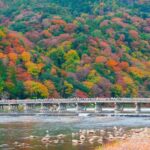

Kinkaku-ji, Kyoto’s Golden Pavilion
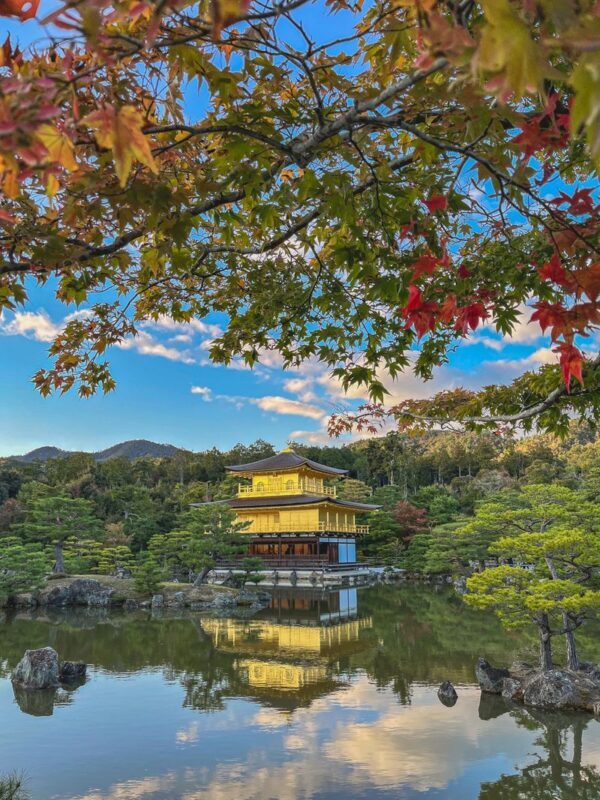
Kinkaku-ji is the final major stop. Its official name is Rokuon-ji, and it is a Zen temple. The pavilion’s gold leaf makes it one of Kyoto’s most recognizable sights, while the surrounding garden gives you a more composed setting than the brilliant exterior alone might suggest.
This is the stop most likely to deliver the classic Kyoto image: the gold-covered building reflected in a pond, with greenery and water framing the view. It is popular, so do not expect a private moment. The guide can help you understand the temple’s place in the city’s religious and architectural story, rather than leaving you with only a photograph.
Kinkaku-ji is a fitting end because it contrasts so strongly with Ryoan-ji. One asks you to look at a sparse arrangement of stone and gravel; the other catches the eye with gold and carefully arranged gardens. Seeing both in the same afternoon makes their different approaches to beauty easier to appreciate.
The tour returns to Kyoto Station at about 5 p.m. Since the schedule is subject to change, avoid making a tight onward connection immediately afterward.
What the guide adds
A guided tour is most valuable when it helps you connect places that might otherwise feel like a checklist. Here, the route brings together a famous bamboo grove, a temple garden, a craft tradition and two very different Zen sites. A guide can explain what links them and answer questions as they come up.
Justin is a named guide associated with the tour. The strongest praise for his style points to lively explanations, patience with questions, practical recommendations and an ability to make a day feel personal rather than like a recitation of facts. Guide assignments may vary, so do not assume he will lead every departure.
The operator is Snow Monkey Resorts. The experience has a 5.0 rating based on two ratings, a small sample, while the provider has 888 total reviews and a 97 percent good-review rate. Those figures offer some reassurance about the operator, but they cannot guarantee that every guide or departure will feel the same.
Is the $140.65 price fair?
At the starting price, you are paying for a full day, an English-speaking guide, admission to the attractions, the koboshi activity fee and transfers to and from the meeting location. That is useful value if you want someone else to handle the broad route and explain what you see.
The price is less compelling if you prefer to travel at your own pace, already know the temples you want to visit, or would rather spend a full day in Arashiyama alone. The tour covers a lot, but the same full schedule means shorter visits than you might choose on an independent trip.
Meals and beverages are not included. The itinerary does not specify a meal stop or how much free time you will have, so plan to ask the guide about food timing early in the day. Children aged 0 to 5 can join free, while children aged 13 and older pay the adult rate. The price arrangement for children aged 6 to 12 is not specified.
Who should book this western Kyoto tour?
I would consider this tour if you have limited time in Kyoto and want to see several major western sights without arranging each transfer and admission yourself. It also suits people who like context, want to ask questions and are curious about traditional arts as well as temples.
It may be a poor fit if you want a relaxed day with long stretches of free time. The route is designed to cover highlights, and the schedule can change. You also need to be comfortable meeting promptly at Kyoto Station and spending much of the day moving between stops.
Book it for a guided sampler of western Kyoto, especially if the koboshi craft appeals to you. Choose an independent visit instead if you want to linger at one or two places and set your own pace.
Walking Tour of Western Kyoto: Arashiyama, Kinkakuji and Koboshi
“I cannot recommend this tour highly enough! Our guide, Justin, was absolutely fantastic. He is incredibly knowledgeable about Kyoto's history and h…”
FAQ
Where does the tour meet?
Meet at Starbucks on the first floor of the Kyoto Tower Sando building, near Kyoto Station. Exit the station through the Central Exit on the north side.
What time does the tour depart?
Departure is at 9 a.m. You are asked to arrive 10 minutes early.
When does the tour return?
The scheduled return is 5 p.m. at Kyoto Station. Traffic, weather and other changes may affect the timing.
Which places are included?
The tour visits Arashiyama, Tenryu-ji, the bamboo grove, Ryoan-ji and Kinkaku-ji. It also includes a koboshi craft experience.
Is a guide included?
Yes. An English-speaking guide is included. Justin is a named guide associated with the tour, but guide assignments may vary.
Are admission fees and the craft activity included?
Yes. Admission to the attractions and the koboshi experience fee are included.
Are meals and drinks included?
No. Meals, beverages and other personal expenses are not included.
Is the tour suitable for children?
Children aged 0 to 5 can join free, and children aged 13 and older are charged the adult rate. The price for children aged 6 to 12 is not specified.
Can I get a refund if I cancel?
A full refund is available if you cancel at least 24 hours before the activity date, using destination local time. In extreme weather or other unforeseen events, the operator may cancel and offer a reschedule or full refund.