Shibori turns folded, tied, or otherwise prepared cloth into patterns through dyeing. At Kyoto Shibori Museum, you make a piece of your own, then see how much skill the finished work can hold. The class gives you a practical introduction to an art form that is much more intricate than a simple tie-dye project.
I like two things in particular: you leave with a handmade scarf or furoshiki, and the museum visit is included rather than an extra stop to plan. The English-speaking staff also make the process accessible, even if you have never tried textile craft.
One consideration: this is a small, focused workshop, not a long class in every shibori method. If you are set on a particular pattern, ask about the day’s options before you begin. Some techniques may limit a group to one shared pattern.
- What makes this shibori class worth your time
- Start with a choice of cloth and technique
- The dyeing is short, but the reveal is the reward
- The upstairs museum gives the craft its context
- Friendly instruction makes it easy to join in
- A practical stop near Nijo Castle
- What the price includes, and what it does not
- Who should book this class
- Should you book the Kyoto Shibori Museum class?
- FAQ
- What can I make in the shibori class?
- Can I take my finished work home?
- Is museum admission included?
- Is the class available in English?
- How long does the class take?
- How do I get to Kyoto Shibori Museum?
- Can I change or cancel my booking?
- The Best Of Kyoto!
- More Museum Experiences in Kyoto
- More Tours in Kyoto
- More Tour Reviews in Kyoto
- Not for you? Here's more nearby things to do in Kyoto we have reviewed
What makes this shibori class worth your time
 1 / 6
 2 / 6
 3 / 6
 4 / 6
 5 / 6
 6 / 6
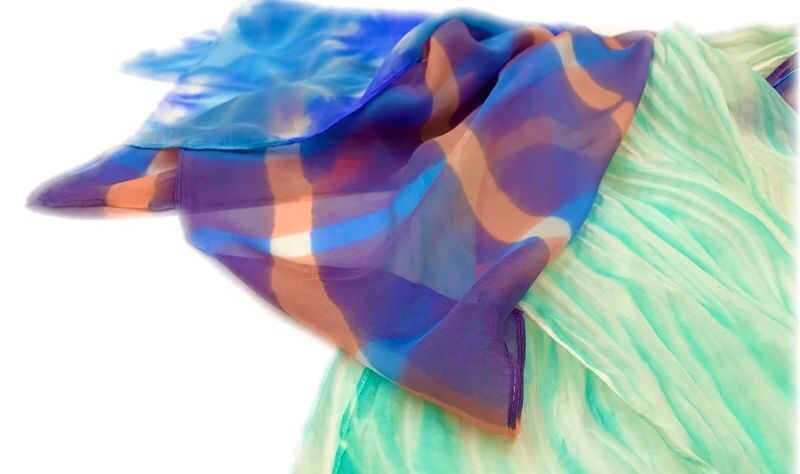
- Make a wearable keepsake: Choose a silk scarf project or a cotton furoshiki and take your finished work home the same day.
- See shibori beyond the workshop: Admission to the museum is included, with tools, textile works, and an English-language video upstairs.
- Learn with English-speaking staff: The class is available in English, and instructors guide you through the steps.
- Expect a compact session: One class account puts the hands-on portion at about an hour, with additional time for the museum.
- Pair it with Nijo Castle: The museum is about a five-minute walk from the castle and Nijojo-mae Station.
- Get a close look at a specialist craft: The museum describes itself as Japan’s only museum devoted to shibori.

👉 See our pick of the 25 Best Workshops And Classes In Kyoto
Start with a choice of cloth and technique
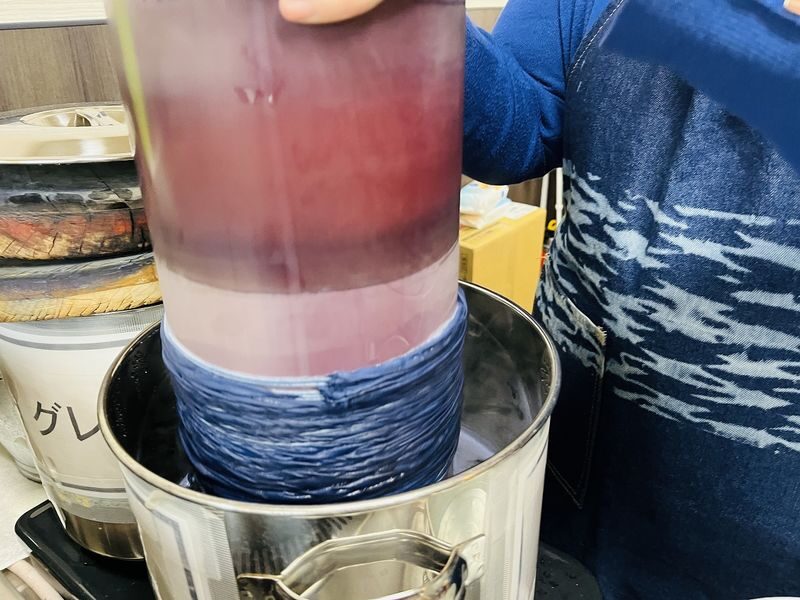
The session begins at Kyoto Shibori Museum, where you choose your project. The available work includes two silk scarf techniques, Itajime shibori and Kyo-arashi shibori, plus a large cotton furoshiki course. The activity information also says you choose from four options on arrival, though it names only these three. If the exact choice matters to you, confirm the day’s options with the museum before booking.
The choice changes what you take home, but the appeal is the same: you are not just watching a demonstration. You handle the cloth and follow the instructor’s steps, with guidance along the way. That makes this a good fit if you want an activity that is hands-on without requiring previous sewing or dyeing experience.
You may be able to choose a design and dye color. One class format described by participants involved selecting from several patterns and using two colors on a scarf. Options can vary by technique, and the finished result depends on the way the cloth is prepared and dyed. If you are visiting with a group, ask whether everyone can choose a different pattern. Some methods may require one identical pattern per group.
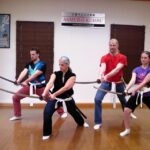
The process is guided, but you still get to do the work yourself. That balance matters: too much instruction can make a craft class feel like a demonstration, while too little can leave you unsure what to do. Here, English-speaking staff explain the steps and help you through them, so you can focus on the cloth rather than guessing your way through the technique.
You can also read our reviews of more museum experiences in Kyoto


The dyeing is short, but the reveal is the reward
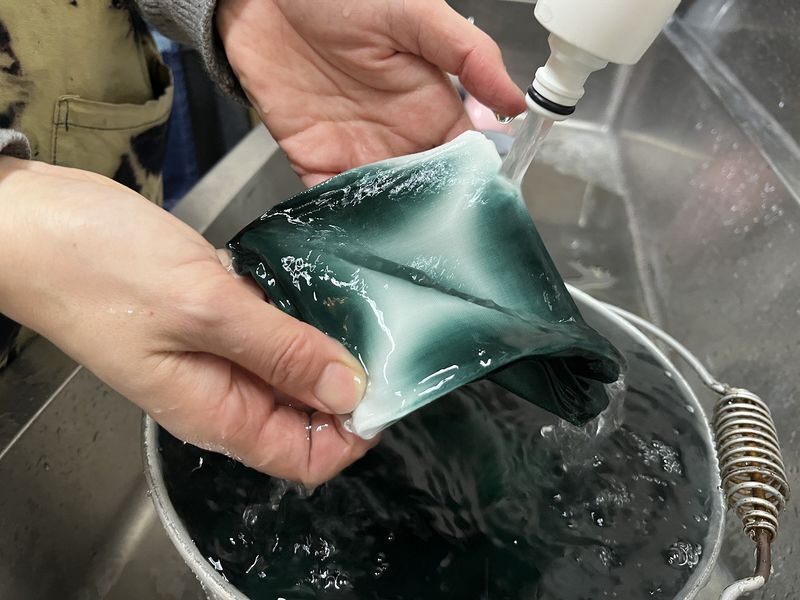
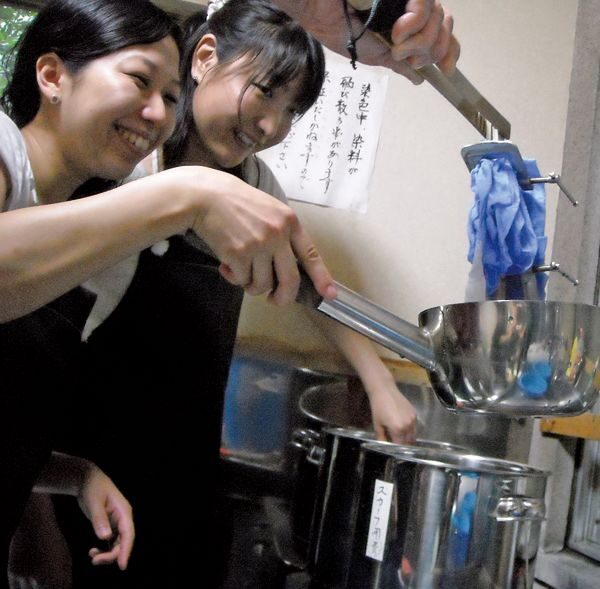
The active dyeing portion is brief compared with the time you may spend looking at the finished work. One account describes about 15 to 20 minutes for dyeing, while the full workshop was described as roughly an hour. Treat those as useful planning estimates rather than a guaranteed schedule.
After the cloth is prepared and dyed, it needs time to finish. During that wait, you can visit the upstairs museum. When the cloth is ready, unfolding it is part of the fun: the pattern only becomes clear as the folded or tied fabric opens up. The process has a small moment of suspense, and it gives you a direct sense of how the method shapes the final design.
The finished work is yours to take home on the same day. One described class had the scarves ironed and wrapped in clear plastic, but the activity details only guarantee that you can take your piece home, not a particular form of wrapping. If you are carrying your work around Kyoto for the rest of the day, it is sensible to bring a tote or another way to protect it.
The workshop is not a test of artistic talent. You follow a method and make choices within it, while the technique does much of the work. That is good news if you are crafty, but also if you are not. The result can still feel personal because you have made it yourself.
The upstairs museum gives the craft its context
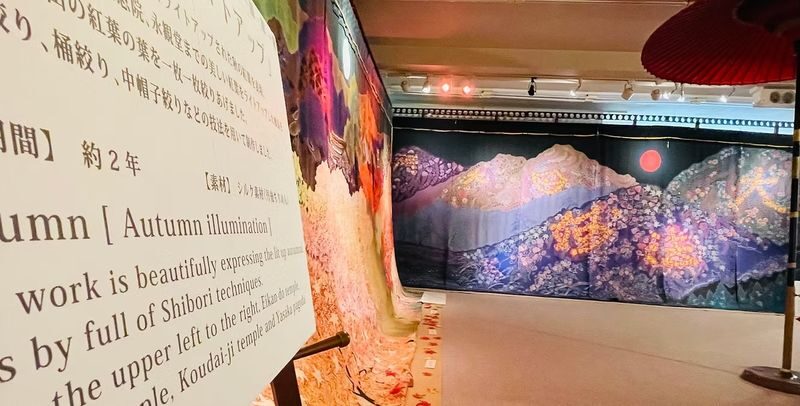
The museum visit is more than a quick add-on. Its displays include tools used in the shibori process and finished textiles that show the range of patterns and workmanship. An English-language video explains the history and methods, helping you connect the simple steps at the worktable to the more elaborate pieces upstairs.
That context changes how you look at your own scarf. The workshop teaches you a basic process, while the exhibition shows what skilled makers can do with related techniques. You see the difference between making a first piece and mastering the craft over years of practice. The museum’s collection also makes the visit worthwhile for anyone curious about textile arts, even if they decide not to take the class.
The museum is small, so do not expect a large institution with a full day of galleries. Its strength is focus: the displays stay on shibori, with tools, examples, and explanations that help you understand what you are seeing. I would leave enough time to watch the video and look closely at the textiles rather than treating the museum as a quick hallway stop.
The activity includes museum admission, normally listed at 1,000 yen. That adds real value to the class price, especially if you would otherwise pay to visit the museum separately. It also means you get both a practical introduction and a chance to see the craft at a more advanced level.
Friendly instruction makes it easy to join in
English is available for all courses, and reservation is recommended. That is useful if you want the instructions to be clear before handling dye and fabric. The staff are described as friendly and enthusiastic, and the class is set up for hands-on participation rather than a lecture.
Yamamoto-san is one instructor associated with the class, though staffing may vary on your date. The teaching style is step by step, with help available as you work. If you are a textile artist, you may enjoy the chance to compare techniques and ask about the process. If you are new to crafts, you can simply follow along and let the instructor guide you.
The activity has no age limit, but the information does not specify a minimum age or particular child arrangements. Families can consider it, especially if children are comfortable following instructions around dyeing materials. Staff have warned participants about the risk of burns from hot dye and supervise the work. Keep that in mind when deciding whether the class suits a young child.
Solo bookings are welcome, so you do not need to find a partner to make the class feel worthwhile. The scale is described as intimate, which can make it easier to ask questions and get help. Group size is not specified, so do not assume a private lesson unless you have confirmed that directly.
A practical stop near Nijo Castle
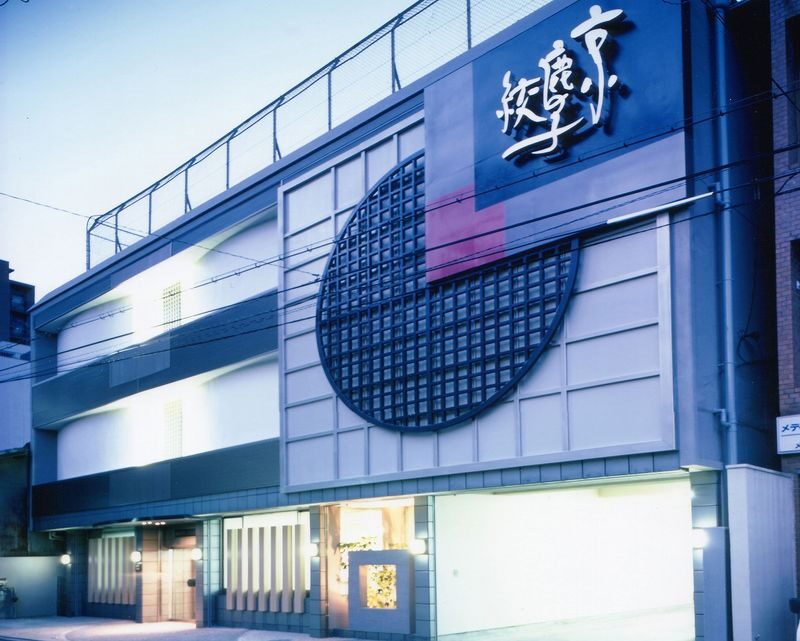
Kyoto Shibori Museum is at 127 Shikiamicho, Nakagyo Ward. It is about a five-minute walk from Nijo Castle or Nijojo-mae Station, making it easy to pair with a visit to the castle. That is a useful combination: the workshop gives you a close, hands-on look at a traditional craft, while the castle offers a different kind of Kyoto history and architecture.
Karasuma-oike Station, Exit 4-1, is about a 10-minute walk away, and Omiya Station is about 15 minutes on foot. From Kyoto Station, buses No. 9 and No. 50 go to Horikawa-oike, with the ride taking about 20 minutes; the museum is then a five-minute walk from the stop. Bicycle parking and space for two cars are available.
The location makes this easy to fit into a day, but remember to allow time for both the class and the museum. The hands-on session may take about an hour, and the exhibition adds more time if you want to watch the video and study the pieces. It is not necessary to rush straight out after the scarf is done.
You can also read our reviews of more tours and experiences in Kyoto

What the price includes, and what it does not
The class starts at $41.75. The exact price can depend on the package, so check the option you select before booking. The value is not just the cloth you take home: the price includes instruction, tax, and museum admission, which is listed at 1,000 yen when paid separately.
That is a fair exchange if you want both an activity and an object with a story behind it. A shop-bought scarf may be quicker, but it will not give you the experience of choosing a pattern, following the process, and seeing the cloth reveal its design. The museum visit adds context without requiring a separate ticket.
Transport, meals, and drinks are not included, and there is no hotel pickup. You make your own way to the museum. If you are choosing between this and another craft class, consider what you want from the time: here, the focus is on textile dyeing, with a finished piece to carry home and a small specialist museum attached.
The museum shop is another reason to leave a little time after the class. It sells shibori-related items, including pieces that offer a closer look at the craft’s finished forms. Shopping is optional, of course, but it can help you compare your beginner’s work with textiles made by experienced artisans.
Who should book this class
I would put this high on the list for anyone interested in Japanese crafts, fabric, or a low-pressure activity that breaks up a day of sightseeing. It is especially appealing if you like leaving a place with something you made yourself. The class also suits visitors who want a cultural activity that is more participatory than simply looking at displays.
It can work well for families, solo visitors, and couples. No previous artistic skill is required, and the staff guide you through the process. Craft fans may want to go in with questions about the methods, while first-timers can enjoy the straightforward pleasure of making a patterned scarf or furoshiki.
It is less suited to someone looking for a long, intensive course or a deep technical study of every shibori method. The session is compact, and the project is a practical introduction. If you want a full-day workshop, this is not that. If you want a manageable class, a museum visit, and a take-home piece, the format makes good sense.
Should you book the Kyoto Shibori Museum class?
Book it if you want a hands-on Kyoto activity with a clear takeaway, friendly English instruction, and museum admission included. The best part is the combination: you learn enough to understand the process, make a piece yourself, then see the craft’s more intricate side upstairs.
Before you go, confirm the available project choices if you have your heart set on a particular scarf or technique, and allow extra time for the museum. The class is short, but the displays help turn a pretty souvenir into something you understand. For a practical, focused craft experience near Nijo Castle, it is a strong use of an hour or two.
Shibori Class in KYOTO SHIBORI MUSEUM
“It was an amazing experience! Workers were very friendly and helpful. They made the experience enjoyable.”
FAQ
What can I make in the shibori class?
You can choose a silk scarf project using Itajime shibori or Kyo-arashi shibori, or make a large cotton furoshiki. The activity information also refers to four choices but names these three, so confirm the available options if you have a preference.
Can I take my finished work home?
Yes. You can take your finished piece home on the same day.
Is museum admission included?
Yes. Admission to Kyoto Shibori Museum is included, and the listed 1,000-yen museum fee is waived with the class.
Is the class available in English?
Yes. All courses are available in English, and reservation is recommended.
How long does the class take?
The exact duration is not specified. A class has been described as about an hour, with the dyeing portion taking around 15 to 20 minutes.
How do I get to Kyoto Shibori Museum?
The museum is about a five-minute walk from Nijo Castle or Nijojo-mae Station. It is also about a 10-minute walk from Karasuma-oike Station, Exit 4-1, and a 15-minute walk from Omiya Station.
Can I change or cancel my booking?
Changes are allowed until 24 hours before the activity, subject to the stated exceptions for certain pass, presale, freebie, or voucher bookings. A full refund is available if you cancel at least 24 hours before the activity date. If the operator cancels due to an unforeseen event or extreme weather, you can reschedule or request a full refund.