Japan’s railway story takes shape in full-size form here: you can stand beside old locomotives, see Shinkansen up close, and watch model trains run through a miniature rail network. I like the mix of large historic machines and hands-on displays, which gives children something to do while adults learn how the system works.
I also like that the exhibits range from railway engineering to the everyday experience of riding trains, with simulator activities and a steam locomotive turntable among the highlights. One consideration: some displays are outdoors, so summer heat can make parts of the visit less comfortable, and some exhibit text may be harder to follow if you rely on English signs.
- What to know before you go
- Start with the scale of Japan’s railway story
- Begin among steam engines and Shinkansen
- Follow the railway into the main building
- Catch the model trains and try the simulator
- Decide if the steam ride is worth the extra
- Make room for a break, especially with children
- Set aside two hours, but keep your schedule loose
- Is the ticket good value?
- Who should book Kyoto Railway Museum?
- FAQ
- How long should I plan for Kyoto Railway Museum?
- What are the museum’s usual opening hours?
- Is the SL Steam Experience included in admission?
- How do I use the mobile voucher?
- How long is the voucher valid?
- Can I cancel the ticket?
- Do children under three need a ticket?
- Are explanations available in English?
- Are lockers available?
- Is the museum suitable for families with infants or visitors who need a wheelchair?
- The Best Of Kyoto!
- More Tickets in Kyoto
- More Tours in Kyoto
- More Tour Reviews in Kyoto
- Not for you? Here's more nearby things to do in Kyoto we have reviewed
What to know before you go
 1 / 7
 2 / 7
 3 / 7
 4 / 7
 5 / 7
 6 / 7
 7 / 7
- See trains from several eras: The collection includes steam locomotives, older rail cars, and Shinkansen.
- Watch the model railway: Miniature trains run along replica tracks, with showtimes worth checking if you want to catch a demonstration.
- Try a train simulator: Interactive displays let you take a turn at train operation, though availability and any booking details are not specified.
- Budget extra for the steam ride: The SL Steam Experience is not included in the entrance ticket.
- Plan for a flexible visit: Two to three hours is a sensible starting point, but families and train enthusiasts may stay much longer.
- Use free QR explanations: Scan exhibition-room codes for explanations in English, Chinese, or Korean, or rent an audio guide for JPY 500.

👉 See our pick of the 25 Best Workshops And Classes In Kyoto
Start with the scale of Japan’s railway story
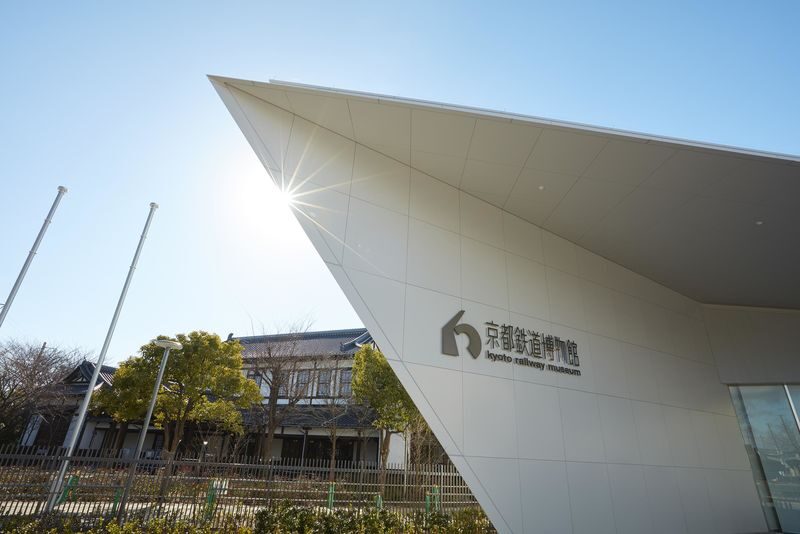
The Kyoto Railway Museum is a self-guided museum visit, not a guided tour. Its appeal is the chance to see actual railway vehicles at close range, then connect those machines to the technology, history, and model systems that help explain how rail travel developed in Japan.
A quick look at the entrance displays will not do it justice. The museum has a large collection spread across indoor and outdoor areas, so you can move between full-size trains, explanatory exhibits, interactive activities, and miniature railways at your own pace.
That variety makes the museum more than a stop for dedicated train fans. If you are visiting with a child who loves trains, the size of the engines and the chance to press buttons can hold attention. If your interest is more casual, the Shinkansen and historic locomotives still offer a good introduction to the country’s rail culture.
You can also read our reviews of more tours and experiences in Kyoto


Begin among steam engines and Shinkansen
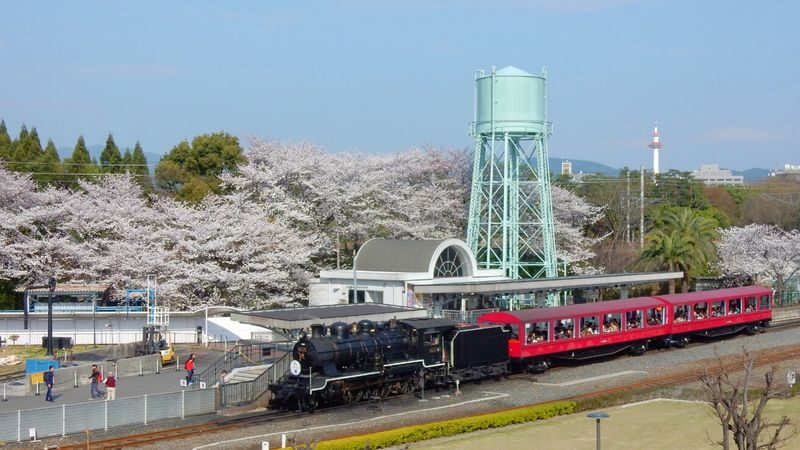
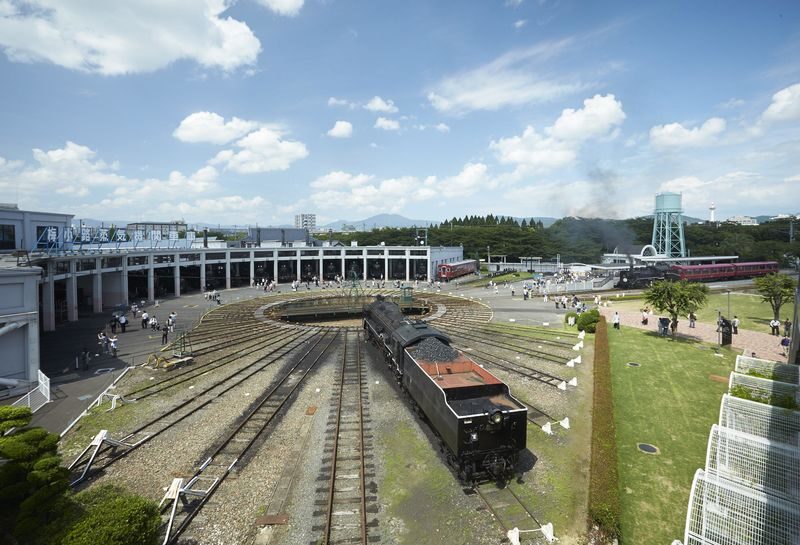
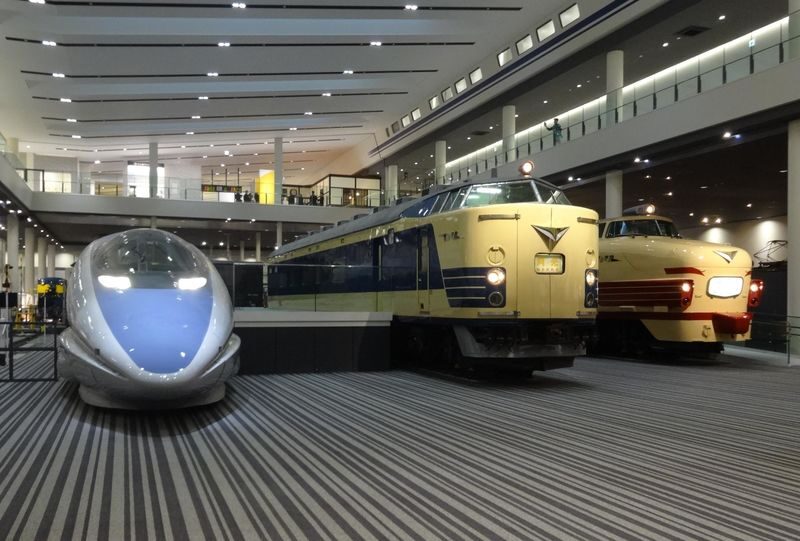
The vehicle collection is the museum’s visual anchor. You can see railway cars from different periods, including steam locomotives and the familiar pointed noses of Shinkansen trains. Seeing them in person makes their size and construction easier to appreciate than a photo or a passing glimpse from a station platform.
The collection also gives you a simple way to follow changes in railway technology. Older locomotives show the machinery and labor behind steam travel, while high-speed trains point to a later era of Japanese rail. You do not need to be an engineer to enjoy the contrast, though train enthusiasts can spend plenty of time studying the details.
Many exhibits are outdoors, including a substantial share of the locomotives. That gives you room to walk around the trains and find good angles for photographs, but it also means weather matters. On a hot summer day, plan to alternate outdoor displays with the air-conditioned indoor sections rather than trying to inspect everything outside in one long stretch.
The outdoor displays can also be harder to enjoy in rain or intense sun. The museum has indoor exhibits as well, so a poor-weather visit is still possible, but you may not want to rush past the vehicles that drew you there in the first place.
Follow the railway into the main building
Inside the main building, displays explain the history and workings of Japan’s railway system. The emphasis is not only on the trains themselves. You can also encounter railway technology, structures, and behind-the-scenes details that help make sense of what a railway needs to operate.
The indoor galleries are useful when you want more context than a line of train cars can provide. Interactive exhibits give you a chance to take part rather than simply read labels, and that is especially helpful for children who learn better by doing. Some signs may not offer much English, so use the free QR codes in exhibition rooms for explanations in English, Traditional Chinese, Simplified Chinese, or Korean.
An audio guide is another option. It costs JPY 500 per unit and can be rented at the information center on the first floor of the main building. If you want more explanation but prefer not to read from your phone, the guide may be worth the added cost.
Catch the model trains and try the simulator
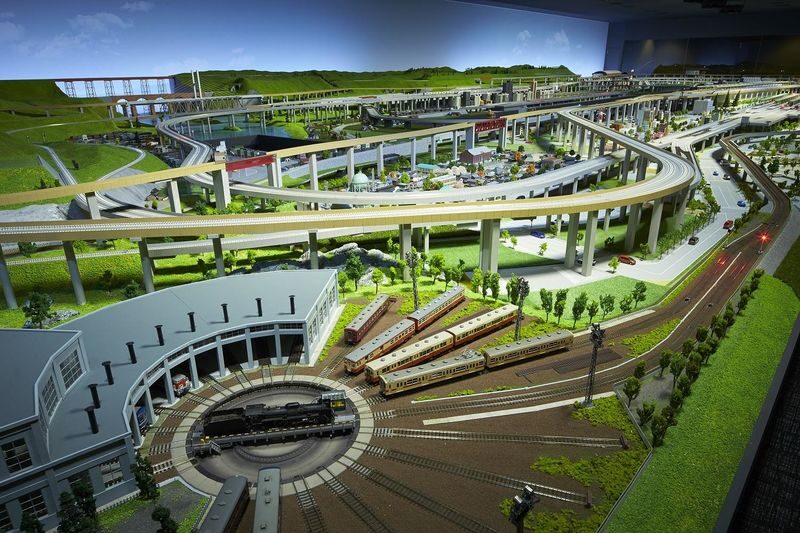
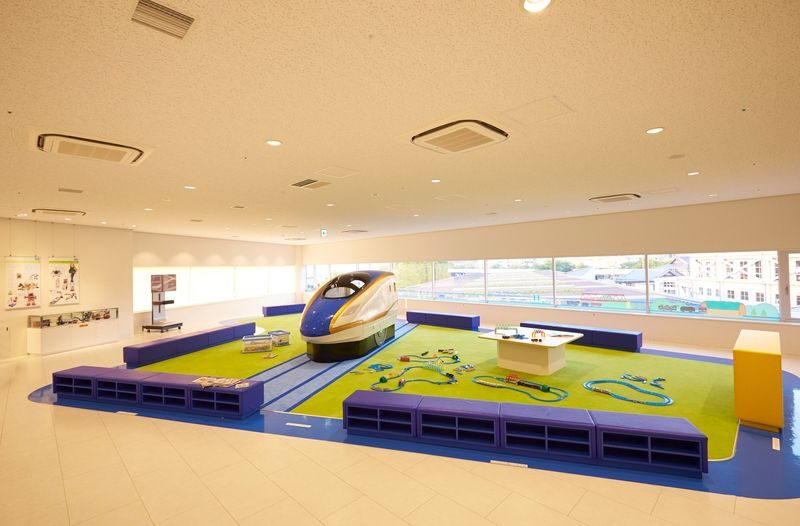
The model railway display offers a different view of the subject. Instead of standing beside a full-size train, you can watch miniature trains travel across replica tracks. The scale makes the wider rail network easier to take in, and the moving models provide a natural pause between the larger exhibits.
Check the museum’s schedule for the model railway showtime if seeing the display in action is important to you. One practical mistake is to assume the trains will be running whenever you pass by. Planning around the demonstration can help you avoid missing it.
The train simulators are another draw, particularly for children. They give you a taste of the work involved in operating a train, rather than just presenting a cab as something to photograph. Specific session times, age rules, or booking arrangements are not provided here, so check the museum’s current information before building your visit around a particular simulator.
These activities add a welcome change of pace to a visit that could otherwise become a long sequence of looking at vehicles. If you are visiting with young children, allow time for them to linger. A child who wants to operate every available control may need more than the suggested two to three hours.
Decide if the steam ride is worth the extra
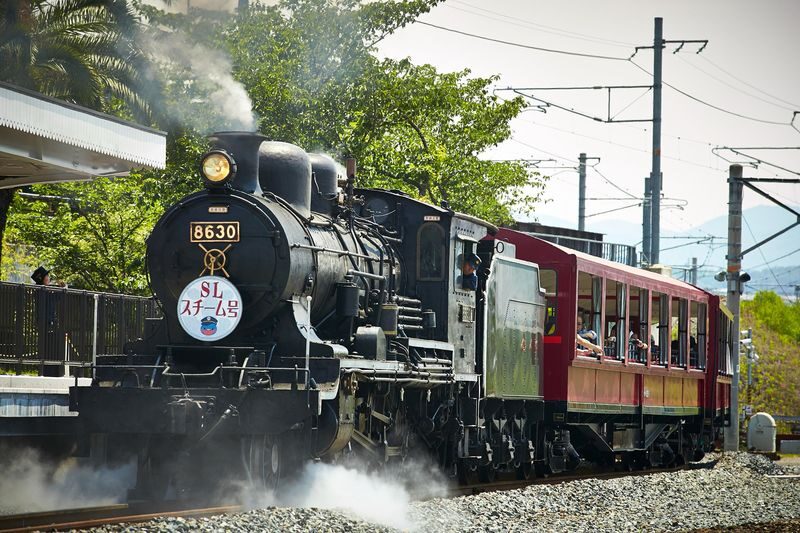
The SL Steam Experience is separate from the entrance ticket, so it is not part of the basic admission price. The museum’s steam locomotive displays are already worth attention, but a ride offers a more active way to connect with the era of steam rail.
Timing matters. The ride operates at set times, and you will need to check the schedule on the day or in advance if it is a priority. Do not assume your standard admission includes it, and account for the extra fee when setting your budget.
The turntable demonstration is another memorable sight when it is operating. It gives you a chance to see a steam locomotive move as part of the museum’s working displays, rather than only as a static exhibit. Since event times can shape the day, look for current schedules before you arrive.
You can also read our reviews of more museum experiences in Kyoto


Make room for a break, especially with children
The museum has facilities that make a longer family visit easier. Diaper-changing tables, nursing rooms, hot water for formula, toilets with cots, and free wheelchair rentals are available. Coin lockers are located at the entrance and on the first floor of the main building, with fees of JPY 200, JPY 300, or JPY 500 depending on size.
There are food options at the museum, including a restaurant and a café in a refurbished train car. Seating can be limited at busy times, so it is sensible not to count on finding a table immediately when you are hungry. The nearby Kyoto Aquarium offers another option for making a longer outing, though pairing the two attractions means you should plan for a full day rather than a quick stop.
A museum shop sells train-themed items, including model trains and railway souvenirs. If you are visiting with a young enthusiast, leave a little time for the inevitable final negotiation over which miniature train deserves to go home.
Set aside two hours, but keep your schedule loose
The suggested visit length is two to three hours, which works for a focused walk through the main displays and a few interactive stops. If you want to see the model railway demonstration, take a simulator turn, browse the outdoor collection, or ride the steam train, you may need longer.
A short visit can still be worthwhile, but the museum’s size makes it easy to underestimate the time needed. Families may find that a child’s pace sets the schedule. Train fans can also spend several hours comparing vehicles and examining the displays, while visitors with only a passing interest may be ready to leave sooner.
The museum is near Kyoto Station, making it a practical addition to a day in the area. It is also close to Kyoto Aquarium, so the two can be paired if your group has the time and energy. Check current opening information before you go: normal hours are Thursday through Tuesday, 10:00 to 17:00, with last admission at 16:30. It is normally closed Wednesday, and spring and summer schedules can change.
Is the ticket good value?
Admission starts at $9.49, a relatively modest price for a museum with full-size vehicles, indoor exhibits, model railways, and hands-on activities. The value is strongest if you plan to stay for a few hours and make use of more than the main train displays.
Remember that the ticket covers entrance only. The SL Steam Experience costs extra, and an audio guide is JPY 500 per unit. Those are optional additions, so you can keep costs down by using the free QR explanations and focusing on the included exhibits.
The ticket voucher is valid for 30 days from booking confirmation and expires at 16:30 on the final day. You must exchange the mobile voucher for a physical ticket. The ticket is non-refundable, so check the museum calendar and opening hours before you commit. Children aged zero to two enter free; students buying a student ticket must show a valid school ID.
Who should book Kyoto Railway Museum?
I would put this near the top of the list for families with train-loving children, railway enthusiasts, and anyone curious about how Japan’s railways evolved. The range of full-size trains, model displays, and interactive features makes the visit accessible even if you are not deeply interested in railway engineering.
It is less compelling if you have only a short window in Kyoto and feel little interest in trains, or if you are visiting during extreme heat and hope to explore every outdoor display at leisure. In that case, focus on the indoor galleries and the exhibits you most want to see.
Book if you can spare at least a couple of hours and want a change of pace from Kyoto’s temples and traditional streets. If the steam ride or simulator is central to your plans, check current schedules and fees before choosing your day.
Kyoto Railway Museum Ticket
“An excellent museum that showcases Japan's respectful and passionate attitude toward the history of railway transportation in the country.”
FAQ
How long should I plan for Kyoto Railway Museum?
Allow two to three hours for a typical visit. You may want longer if you are exploring the full collection, trying interactive displays, or planning to take the steam train.
What are the museum’s usual opening hours?
The usual hours are Thursday through Tuesday, 10:00 to 17:00. Last admission is at 16:30, and the museum is normally closed on Wednesday. Spring and summer hours may change, so check the museum calendar before visiting.
Is the SL Steam Experience included in admission?
No. The steam experience has a separate fee and is not included with the entrance ticket.
How do I use the mobile voucher?
Present your mobile voucher and exchange it for a physical ticket.
How long is the voucher valid?
It is valid for 30 days from the booking confirmation date and expires at 16:30 on the last day.
Can I cancel the ticket?
No. Cancellations and refunds are not available.
Do children under three need a ticket?
Children aged zero to two can enter free of charge.
Are explanations available in English?
Yes. You can scan exhibition-room QR codes for free explanations in English, Traditional Chinese, Simplified Chinese, or Korean. An audio guide is also available for JPY 500 per unit.
Are lockers available?
Yes. Coin lockers are located at the entrance and on the first floor of the main building. Fees vary by locker size: JPY 200, JPY 300, or JPY 500.
Is the museum suitable for families with infants or visitors who need a wheelchair?
The museum has diaper-changing tables, nursing rooms, hot water for formula, toilets with cots, and free wheelchair rentals.