Nikko packs a striking change of scene into a day from Tokyo: ornate shrine buildings give way to a high mountain lake and a waterfall dropping nearly 100 meters. The uphill and downhill Irohazaka road adds 48 sharp bends to the trip, though you admire them from the vehicle rather than walking the route.
I like the balance of Toshogu’s elaborate woodcarving and the quieter mountain scenery, and the convenience of having the long drive and tolls handled for you. Guides such as Yuma, Ko and Jeffrey have earned praise for clear explanations and practical help, though your guide will depend on the day.
The main trade-off is time. You get a useful introduction to Nikko, not an unhurried visit to every shrine and lakeside path. Traffic can squeeze the schedule, especially during autumn foliage season, and admission, the Kegon Falls elevator and lunch cost extra.
- Toshogu gets the longest stop: Plan on about three hours for the shrine area, including time to see its celebrated carvings.
- Irohazaka is a scenic drive, not a roadside stop: You view its tight turns from the vehicle.
- Lake Chuzenji sits high in the mountains: At 1,269 meters, it offers a cool, open contrast to Tokyo.
- Kegon Falls takes about 50 minutes: The elevator is optional and costs extra.
- Autumn departures start earlier: From October 15 to November 30, meet at 7:00 in Tokyo or 7:30 in Shinjuku.
- The advertised starting price is not the full day’s cost: Add shrine admission, any elevator ticket, meals and personal spending.
- From Tokyo to Nikko, a full day on the road
- Toshogu Shrine, Nikko’s ornate showpiece
- Irohazaka’s 48 bends, seen through the window
- Lake Chuzenji, mountain air and a short lakeside pause
- Kegon Falls, a near-100-meter drop
- What the price covers, and what it leaves out
- Timing, traffic and the details that make the day easier
- Should you book this Nikko day trip?
- FAQ
- Where does the tour depart from?
- What is included in the tour price?
- How much is admission to Toshogu Shrine?
- Can I get out and walk along the Irohazaka Winding Road?
- Is lunch provided?
- What time does the tour return to Tokyo?
- The Best Of Nikko!
- More 1-Day Tours in Nikko
- More Tours in Nikko
- More Tour Reviews in Nikko
- Not for you? Here's more nearby things to do in Nikko we have reviewed
From Tokyo to Nikko, a full day on the road
This is a long day trip, with departures at 8:00 from Tokyo Station’s Marunouchi North Exit or 8:30 from Shinjuku Mode Gakuen. During the autumn period from October 15 through November 30, both departures move one hour earlier. The planned return is around 18:30, but traffic and weather can change the timing.
The shared vehicle is the tour’s biggest practical advantage. Nikko’s shrine district and mountain sights are spread across the area, and the tour takes care of the round-trip transfer, fuel, tolls and parking. You can leave the route planning and driving to someone else, which matters on a day that already involves a long journey.
The vehicle type depends on the number of people booked, so it might be a business car, minibus or coach. Seats are assigned by the guide, generally on a first-come basis, and may feel narrow on a full vehicle. If you have a seating request, note it when booking; the guide will make the final arrangement. One standard piece of luggage is allowed per person, but declare it in advance so the vehicle has space.
The group may include people speaking different languages, and commentary may be bilingual. English, Chinese or Japanese-speaking guides are offered, but the exact guide and language arrangement can vary. Past guides named Yuma, Ko, Jeffrey and Liu Bin were praised for helpful explanations and steady organization. That is a useful indication of the tour’s potential, not a promise about your particular departure.

👉 See our pick of the 3 Best Historical Tours In Nikko
Toshogu Shrine, Nikko’s ornate showpiece
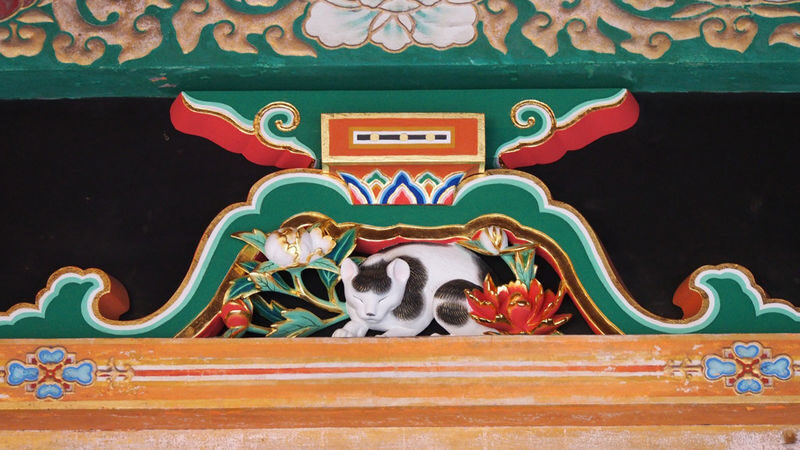
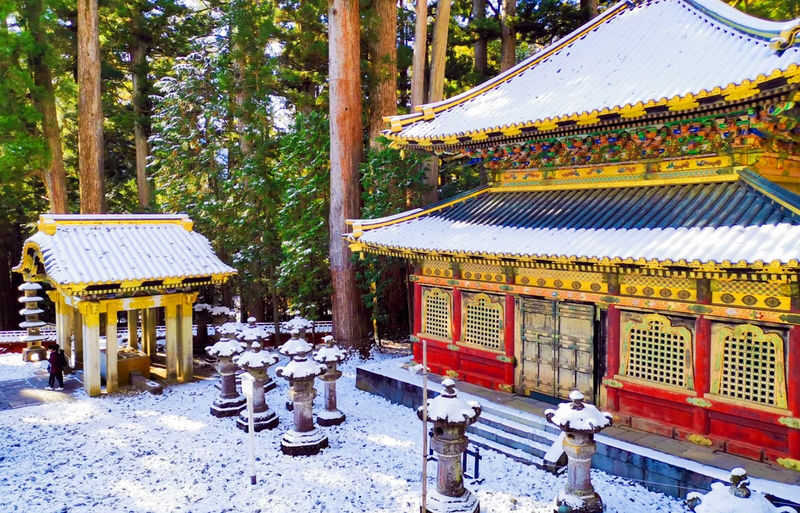
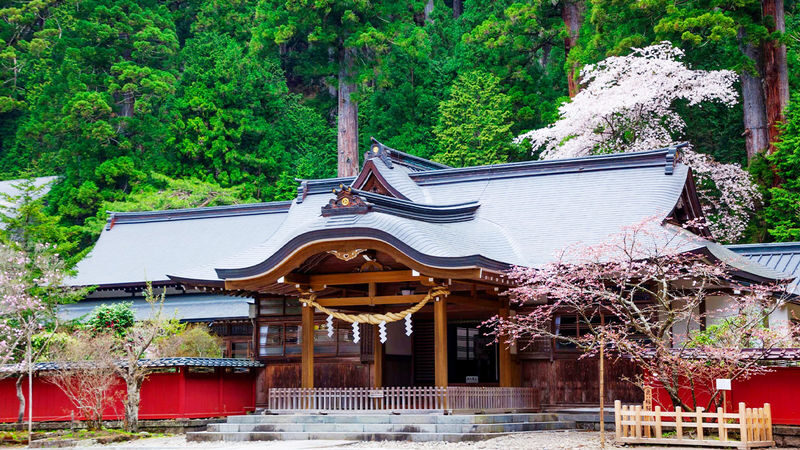
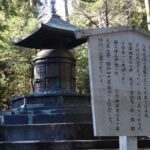
The shrine complex is the heart of the day. Toshogu enshrines Tokugawa Ieyasu, the leader who founded the Tokugawa shogunate, and its detailed buildings are part of the UNESCO-listed Shrines and Temples of Nikko. Rather than the spare look many people associate with Japanese religious architecture, Toshogu is known for abundant decoration, carved figures and color.
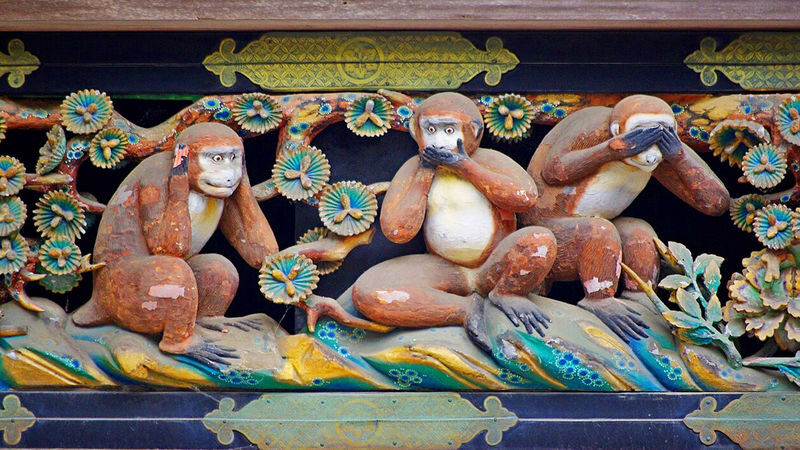
The three wise monkeys are among the best-known carvings. They are a small part of a much larger visual feast, so give yourself time to look up, slow down and notice the details instead of treating the visit as a quick photo stop. The grounds also sit among forested hills, making the contrast between ornate structures and natural surroundings part of the appeal.
The planned visit is about three hours, longer than any other stop. That is sensible: the site has enough to occupy a good stretch of the day, and several people have wished for still more time there. If you are especially interested in shrine architecture, use your time carefully. Listen to the guide’s introduction, then leave room to explore at your own pace.
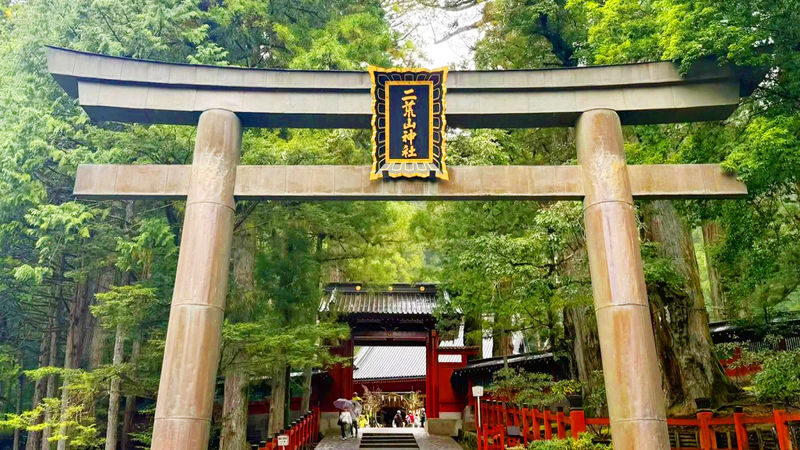
Nikko’s World Heritage grouping also includes Futarasan Shrine and Rinnoji Temple. Futarasan’s more restrained buildings sit in a setting of mountains and forest, a different mood from Toshogu’s rich ornament. The day is centered on Toshogu, however, so check with your guide about which parts of the wider complex are included before assuming you will have time to see every building.
Admission to Toshogu is not included. The listed fee is 1,600 yen for adults and 550 yen for junior high and elementary school students. Bring cash: meals and other personal expenses are also yours to cover, and it is easy to spend more than expected when snacks or small purchases catch your eye.
You can also read our reviews of more tours and experiences in Nikko


Irohazaka’s 48 bends, seen through the window
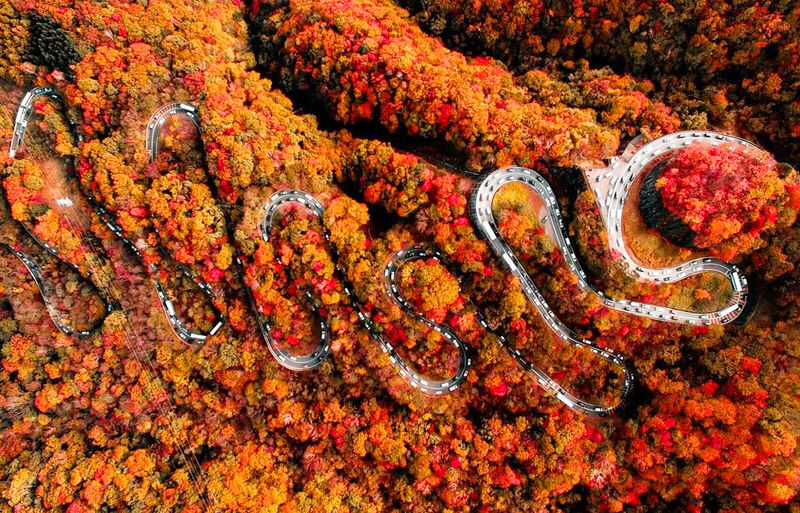
After the shrine visit, the vehicle takes the Irohazaka Winding Road toward Lake Chuzenji and Oku-Nikko. The route is 15.8 kilometers long, with 48 bends across the uphill and downhill roads. Many are tight, near hairpin turns, which is why the climb is famous among drivers.
This tour views the road from the vehicle and does not stop for a walk or a roadside viewpoint. That distinction matters if you imagined getting out to photograph the bends. Instead, treat this section as part of the journey: you get the feel of the climb and its curves while the driver does the work.
The road is also associated with the Irohazaka battle in the Initial D series, which gives fans a familiar pop-culture connection. In autumn, foliage can make the drive especially attractive, but peak color also brings heavy traffic. The schedule can shift, and time at later stops may be shortened if the road is slow.
If you are prone to motion sickness, the many sharp turns are worth considering. No special arrangements are guaranteed, but you can ask about seating when you book. A past passenger with dizziness was able to arrange a front seat through the guide, though your own request will depend on availability and the day’s seating plan.
Lake Chuzenji, mountain air and a short lakeside pause
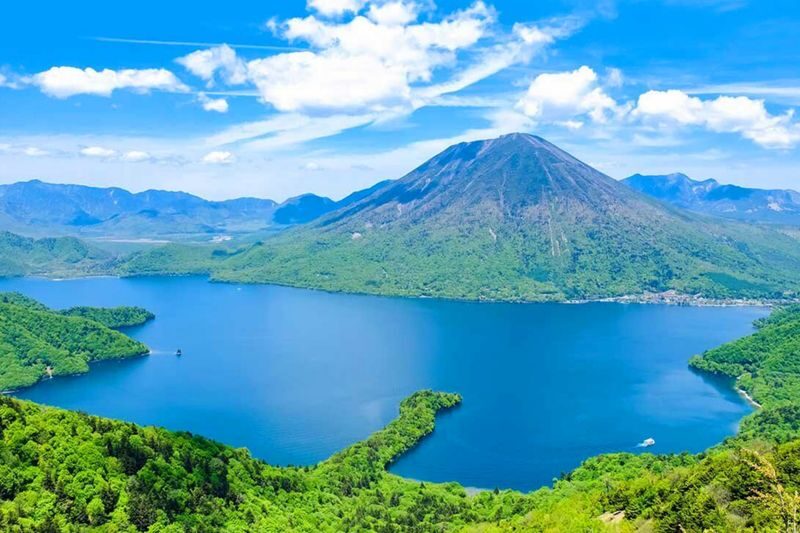
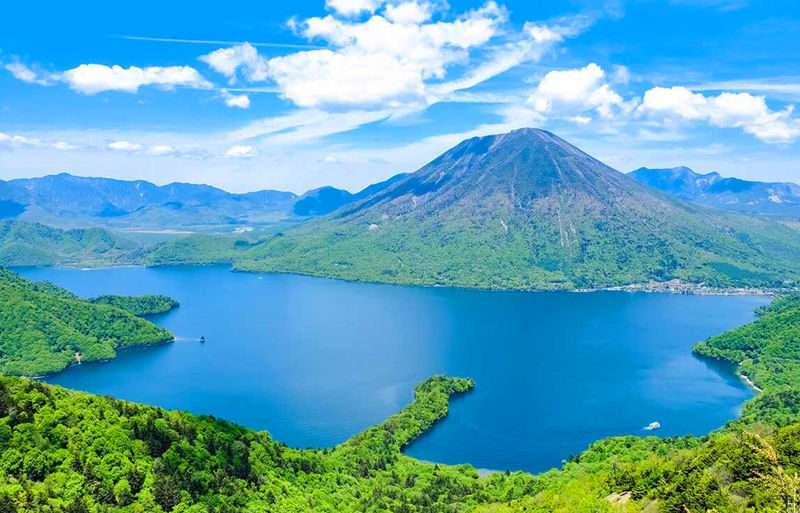
Lake Chuzenji was formed when an eruption of Mount Nantai blocked a river roughly 20,000 years ago. At 1,269 meters above sea level, it is one of Japan’s high-altitude natural lakes. Mount Nantai, rising to 2,490 meters on the north shore, gives the lake a strong focal point when weather allows a clear view.
You have about 30 minutes here. That is enough for a short stroll, a look across the water and a few photographs, but not a leisurely circuit of the shore. The lake’s winding edge and mountain setting are the draw; spring brings cherry blossoms, while autumn is known for bright foliage. In winter, the area is associated with ice festivals and activities such as skiing and skating, though seasonal conditions and events vary.
Keep expectations flexible if the weather is cloudy or rainy. Mount Nantai may disappear from view, and the scenery can feel less dramatic without the mountain backdrop. On the other hand, a cool, misty day still gives you a break from the city and a chance to breathe mountain air.
There are dining places around the attractions, but lunch is not included and the tour does not promise a long meal stop. Bring cash and be ready to make a quick choice, or pack something if you prefer not to rely on finding time to eat. The schedule can shift, so do not count on a relaxed restaurant lunch.
Kegon Falls, a near-100-meter drop
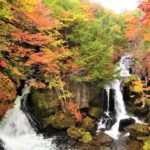
Kegon Falls is the final major sightseeing stop. Water from Lake Chuzenji flows out through the Daiya River system and drops from a cliff nearly 100 meters high. The falls are counted among Japan’s three major waterfalls, and the steady cascade makes a dramatic finish to the mountain portion of the trip.
You get about 50 minutes at the site. The Kegon Falls elevator offers a closer view from below, but its ticket is not included in the tour price. If you want to use it, budget for that extra charge and keep an eye on the meeting time. You can also appreciate the falls from the surrounding viewing area without assuming the elevator is part of the package.
The waterfall changes with the seasons. Autumn brings red and gold leaves around the gorge, while other months offer their own look. Still, scenery depends on weather and the timing of seasonal color. Don’t book solely for a specific foliage date: the tour does not refund you if flowers or leaves are early, late or less vivid than expected.
What the price covers, and what it leaves out
The tour starts at $53.69. For that, you get shared round-trip transport from the selected Tokyo meeting point, a guide, tolls, fuel and parking. For a day that combines a major shrine with sights in the mountains, paying to avoid arranging transport yourself can be good value, especially if you prefer a guide’s context to figuring out the route on your own.
The price does not include Toshogu admission, the Kegon Falls elevator, meals or personal purchases. Add those costs before comparing this trip with a self-planned day. The listed shrine ticket alone is 1,600 yen for adults, and you will need to decide whether the elevator is worth the extra fee to you.
The itinerary is designed to cover Nikko’s headline sights in one day, not to give you complete freedom at each one. Most of the available time goes to Toshogu, while the lake and waterfall stops are shorter. If you want long walks, a slow lunch or a deep look at every temple, a night in Nikko or a self-planned visit may suit you better.



Timing, traffic and the details that make the day easier
Arrive at your chosen meeting point at least 10 minutes early. The group cannot wait for late arrivals, and missed departures are not refundable. The Tokyo Station meeting point is at the Marunouchi North Exit; the Shinjuku meeting point is Tokyo Mode Gakuen. Check your booking carefully so you go to the right one.
The operator sends guide and vehicle information the evening before, usually between 18:00 and 21:00 Japan time. Check your email and spam folder, and use the latest message if more than one arrives. During busy periods, the message may be delayed.
Build flexibility into your evening plans. The return time is an estimate, and the operator may adjust the route or reduce time at a stop because of traffic, weather or facility conditions. Don’t book a tight connection, performance or appointment for later that day.
The activity has no age limit, but children aged three and older pay the adult rate. Children aged zero to three can ride free if they do not need a separate seat. Child seats are not available. Anyone over 70 or pregnant must note this when booking and complete a safety disclaimer.
Cancellation is free with at least 24 hours’ notice, subject to the stated terms. If weather or another serious disruption affects the trip, the operator may cancel and offer a reschedule or full refund. If only part of the day is affected after the tour has begun, a refund may not be available.
Should you book this Nikko day trip?
Book it if you want to see Toshogu, Lake Chuzenji and Kegon Falls in one outing without organizing transport, and you are comfortable with a full day, shared seating and short visits at some stops. The guide-led format adds useful context, and the mix of sacred architecture and mountain scenery gives the day more variety than a shrine-only excursion.
Think twice if your priority is to spend half a day at Toshogu, walk the Irohazaka road, linger beside the lake or set your own pace. In particular, autumn offers beautiful color but can also mean an earlier start and more road delays. For a practical first look at Nikko from Tokyo, the tour covers the essentials; for a slower, more personal visit, stay overnight.
Nikko Toshogu Shrine, Irohazaka Winding Road, Lake Chuzenji, and Kegon Falls Day Trip (From Tokyo)
“Jeffery was our tour guide. He was super kind and informative, ensured that the tour went smoothly. The itinerary was well planned. It was fantastic!”
FAQ
Where does the tour depart from?
You can depart from Tokyo Station’s Marunouchi North Exit at 8:00 or Tokyo Mode Gakuen in Shinjuku at 8:30. From October 15 to November 30, departures are one hour earlier: 7:00 from Tokyo Station or 7:30 from Shinjuku.
What is included in the tour price?
The price includes a guide, round-trip transfers from the selected meeting point, tolls, parking and fuel. Toshogu admission, the Kegon Falls elevator, meals and personal expenses are not included.
How much is admission to Toshogu Shrine?
The listed admission fee is 1,600 yen for adults and 550 yen for junior high and elementary school students. The tour price does not include this ticket.
Can I get out and walk along the Irohazaka Winding Road?
No. The tour views Irohazaka from the vehicle, with no disembarkation stop there.
Is lunch provided?
No. Meals are not included, and you need to arrange your own lunch. Dining places are available at the attractions, and you may bring your own food.
What time does the tour return to Tokyo?
The planned return time is around 18:30 at the selected drop-off point. Traffic, weather and other conditions can change the schedule, so avoid making tight plans for that evening.





